Loading species comparison matrix...
Direct Paleobiological Analysis
Amargasaurusvs.Argentinosaurus
A side-by-side scientific comparison of physiological dimensions, biomechanics, temporal horizons, and anatomical specializations.
Comparing 2 of maximum 4 specimens
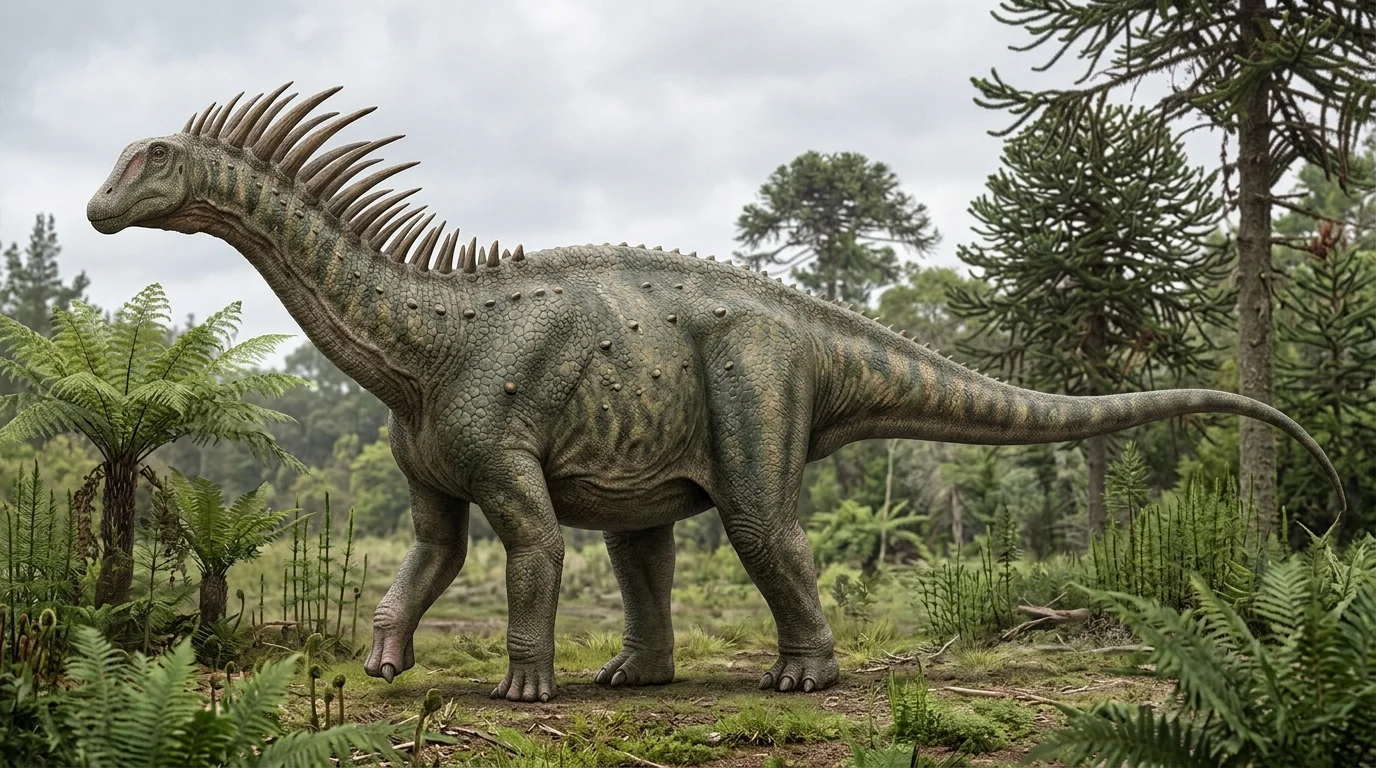 Sauropodomorpha
Amargasaurus
Amargasaurus cazaui Salgado & Bonaparte, 1991
A striking, double-sailed dicraeosaurid sauropod from Argentina sporting parallel rows of tall neck spines.
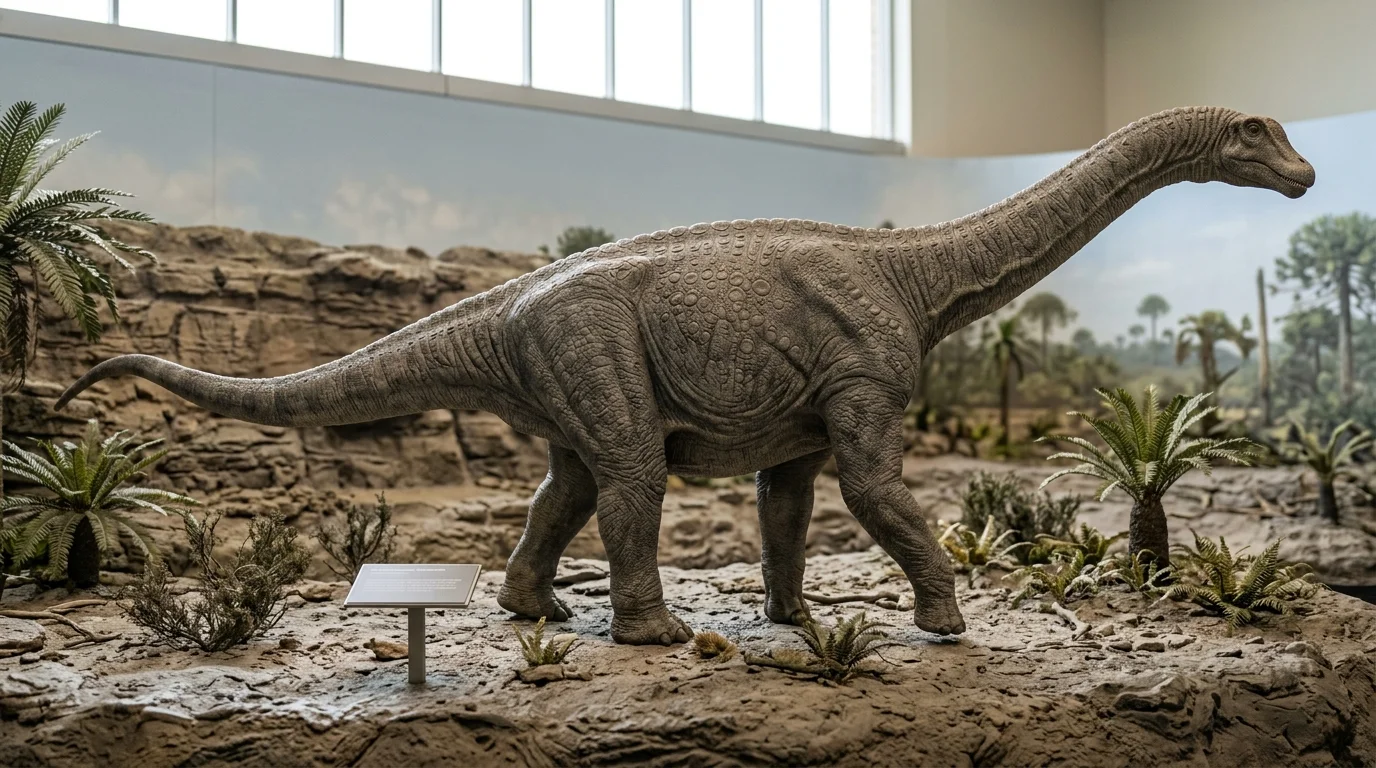 Sauropodomorpha
Argentinosaurus
Argentinosaurus huinculensis Bonaparte & Coria, 1993
Among the largest and most massive terrestrial animals known to science, with scaled estimates reaching 65 to 80 metric tons based on fragmentary titanosaur remains.
Comparative Paleobiological & Anatomical Matrix
| Feature / Trait | Amargasaurus | Argentinosaurus |
|---|---|---|
Total Length | 8.5–10 m (27.9–32.8 ft) Estimated maximum | 30–35 m (98.4–114.8 ft) Estimated maximum |
Hip Height | 2.2–2.7 m (7.2–8.9 ft) Model estimate | 14–18 m (45.9–59.1 ft) Model estimate |
Body Mass | 2.5–4.0 metric tons (5,512–8,818 lbs) Volumetric/allometric model | 65.0–80.0 metric tons (143,300–176,370 lbs) Volumetric/allometric model |
Epoch Horizon | Cretaceous Period 129–122 Ma (million years ago) | Cretaceous Period 96–92 Ma (million years ago) |
Diet & Trophic Role | Herbivore Low-growing ferns, cycads, and horsetails stripped with pencil-shaped peg teeth. | Herbivore Conifers, ferns, and high canopy vegetation swallowed whole and pulverized in a massive gizzard and fermentation gut. |
Taxonomic Clade | Sauropodomorpha(Suborder) | Sauropodomorpha(Suborder) |
Fossil Localities | La Amarga Formation, Neuquén, Argentina Named: 1984 | Plaza Huincul, Neuquen Province, Argentina Named: 1987 |
Locomotion & Behavior | Low-browsing sauropod that used its neck spines for visual signaling, defense, or sexual display. Phylogenetically allied with the Late Jurassic African [Dicraeosaurus](/dinosaurs/dicraeosaurus), Amargasaurus represents a specialized South American branch of short-necked dicraeosaurids adapted to low-tier foraging. | Immense keystone herbivore traveling in loose herds, consuming immense forest biomass with virtually no adult natural predators. In the Huincul Formation, bonebed taphonomy indicates its carcasses were scavenged or hunted by carcharodontosaurid theropods like [Mapusaurus](/dinosaurs/mapusaurus), while representing an extreme size class ecologically comparable to later titanosaurs [Patagotitan](/dinosaurs/patagotitan) and [Dreadnoughtus](/dinosaurs/dreadnoughtus). |
Holotype & Fossils | Nearly complete skeleton with intact skull, cervical spine, and postcrania at MACN, Buenos Aires. | Known from fragmentary holotype remains (PVPH-1) including dorsal vertebrae, sacrum, ribs, and a partial femur, from which complete skeletal dimensions are comparatively scaled. |
Paleontological Uncertainty Advisory: Anatomical dimensions, body masses, and metabolic rates are scientific estimates derived from volumetric scaling, laser scanning, and biomechanical limb bone allometry. Missing traits indicate non-preserved fossil elements rather than anatomical absence.