100 Scientifically Documented Species & Anatomical Profiles

Explore the World of Dinosaurs

An authoritative, peer-referenced paleontology encyclopedia. Uncover skeletal dimensions, temporal ranges, dietetics, and evolutionary history across the Mesozoic Era.

Editorial Spotlight

Featured Dinosaurs

Remarkable specimens representing pivotal evolutionary radiations and biomechanical extremes.

Explore All Dinosaurs
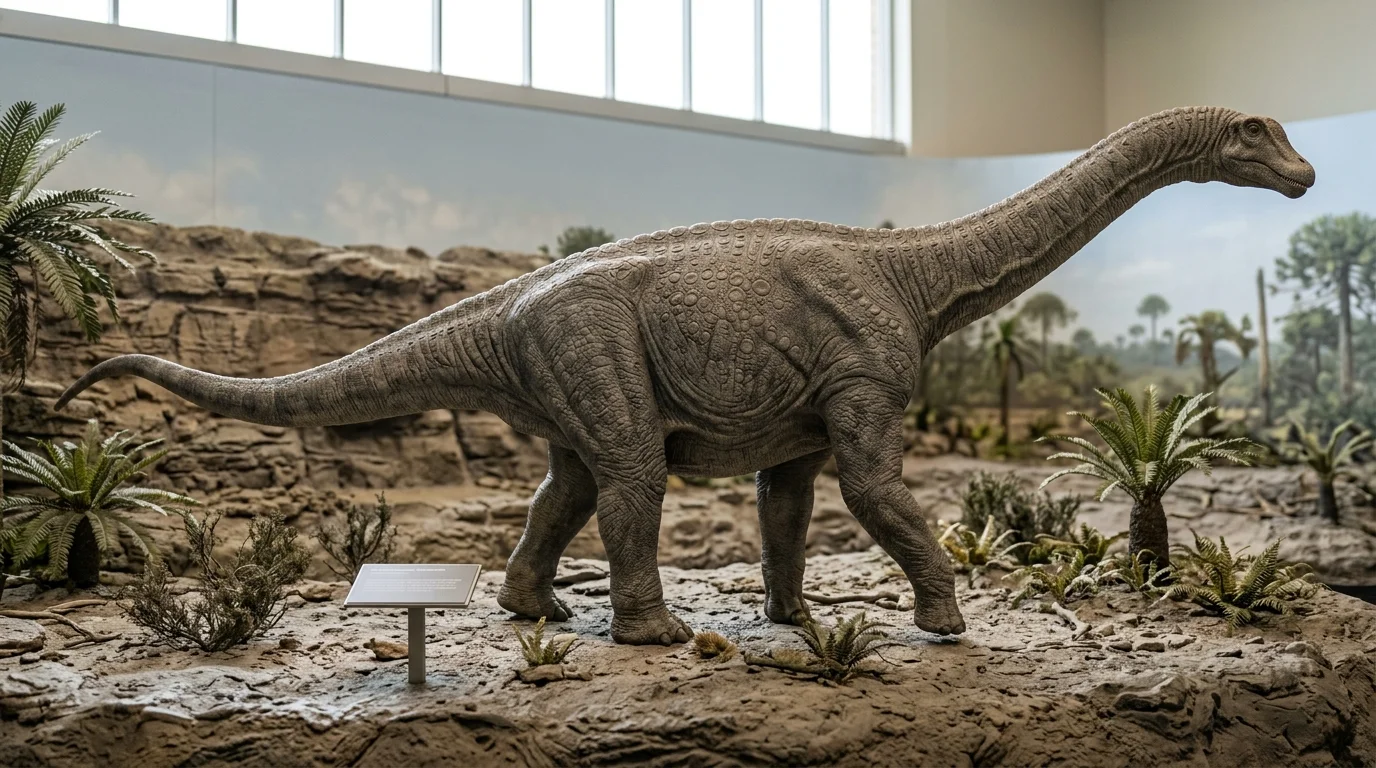
Authoritative scientific paleoart reconstruction of Argentinosaurus (Argentinosaurus huinculensis Bonaparte & Coria, 1993) in lateral profileFeatured SpecimenSauropodomorpha
Cretaceous PeriodHerbivore

Argentinosaurus

Argentinosaurus huinculensis Bonaparte & Coria, 1993

Among the largest and most massive terrestrial animals known to science, with scaled estimates reaching 65 to 80 metric tons based on fragmentary titanosaur remains.

30–35 m (98.4–114.8 ft)
65.0–80.0 metric tons (143,300–176,370 lbs)
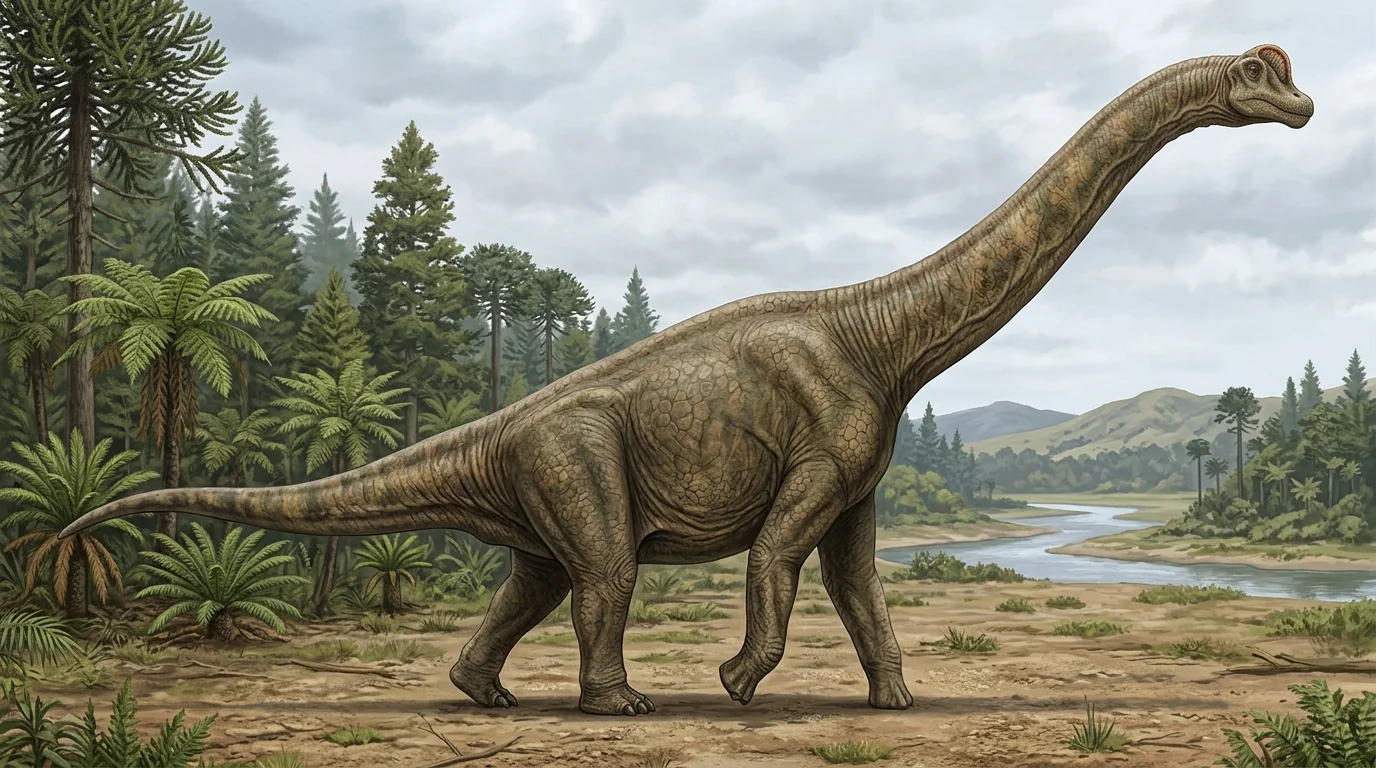
Authoritative scientific paleoart reconstruction of Brachiosaurus (Brachiosaurus altithorax Riggs, 1903) in lateral profileFeatured SpecimenSauropodomorpha
Jurassic PeriodHerbivore

Brachiosaurus

Brachiosaurus altithorax Riggs, 1903

A monumental sauropod with forelimbs longer than hindlimbs, adapted for high-canopy browsing in Late Jurassic North America.

22–26 m (72.2–85.3 ft)
28.0–40.0 metric tons (61,729–88,185 lbs)
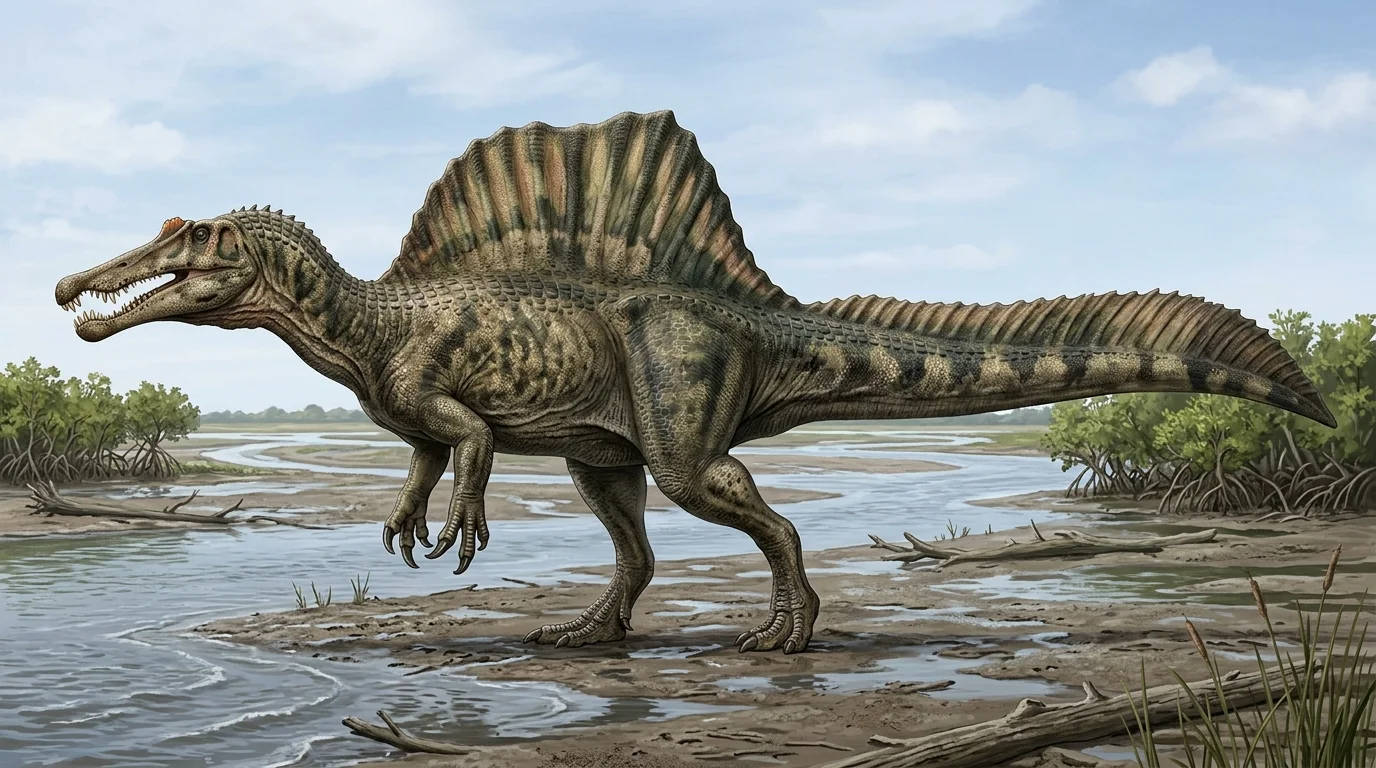
Authoritative scientific paleoart reconstruction of Spinosaurus (Spinosaurus aegyptiacus Stromer, 1915) in lateral profileFeatured SpecimenTheropoda
Cretaceous PeriodPiscivore

Spinosaurus

Spinosaurus aegyptiacus Stromer, 1915

A giant sail-backed theropod possessing anatomical specializations associated with riparian ecosystems, with its aquatic locomotion subject to ongoing scientific debate.

13–14.5 m (42.7–47.6 ft)
6.5–8.0 metric tons (14,330–17,637 lbs)
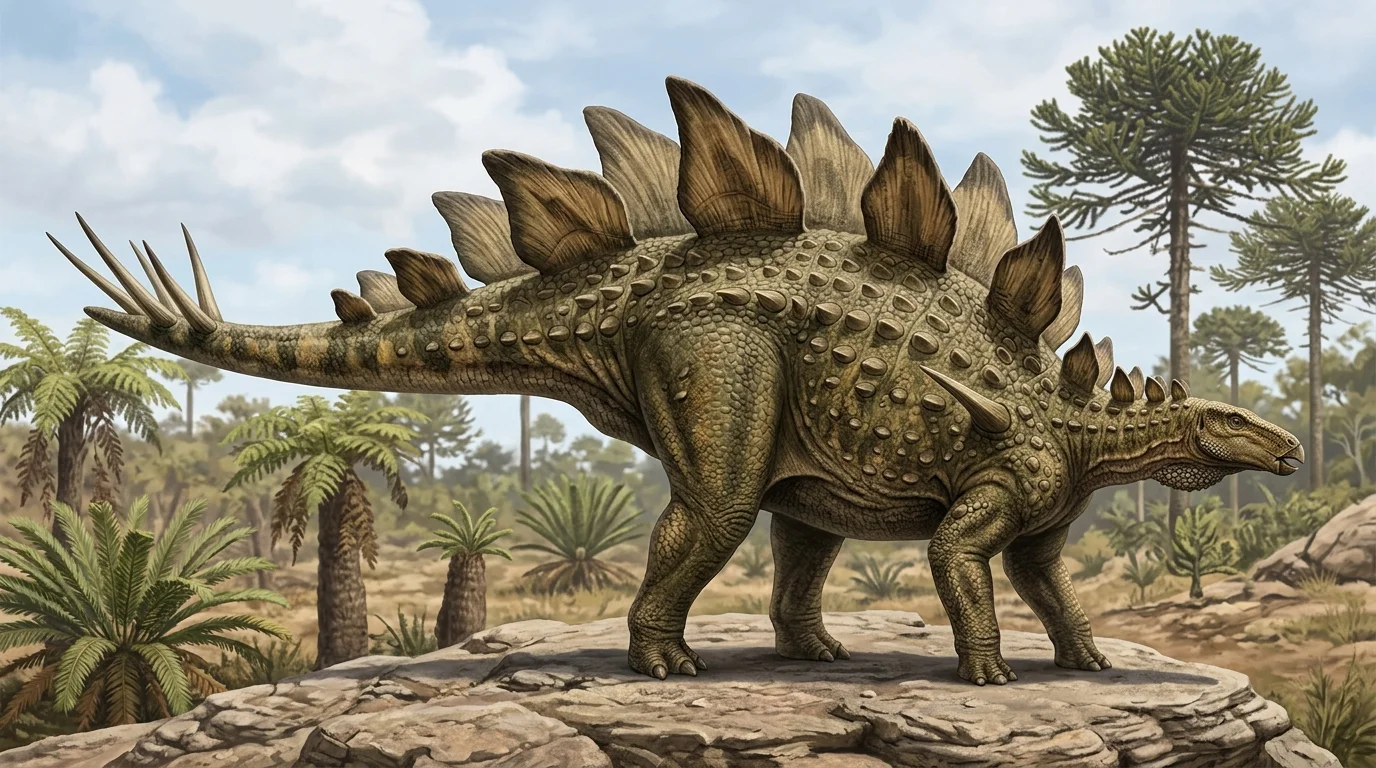
Authoritative scientific paleoart reconstruction of Stegosaurus (Stegosaurus stenops Marsh, 1887) in lateral profileFeatured SpecimenStegosauria
Jurassic PeriodHerbivore

Stegosaurus

Stegosaurus stenops Marsh, 1887

An iconic armored herbivore of the Late Jurassic with two alternating rows of vertical dorsal plates and a four-spiked tail thagomizer.

7–9 m (23.0–29.5 ft)
3.8–5.5 metric tons (8,378–12,125 lbs)
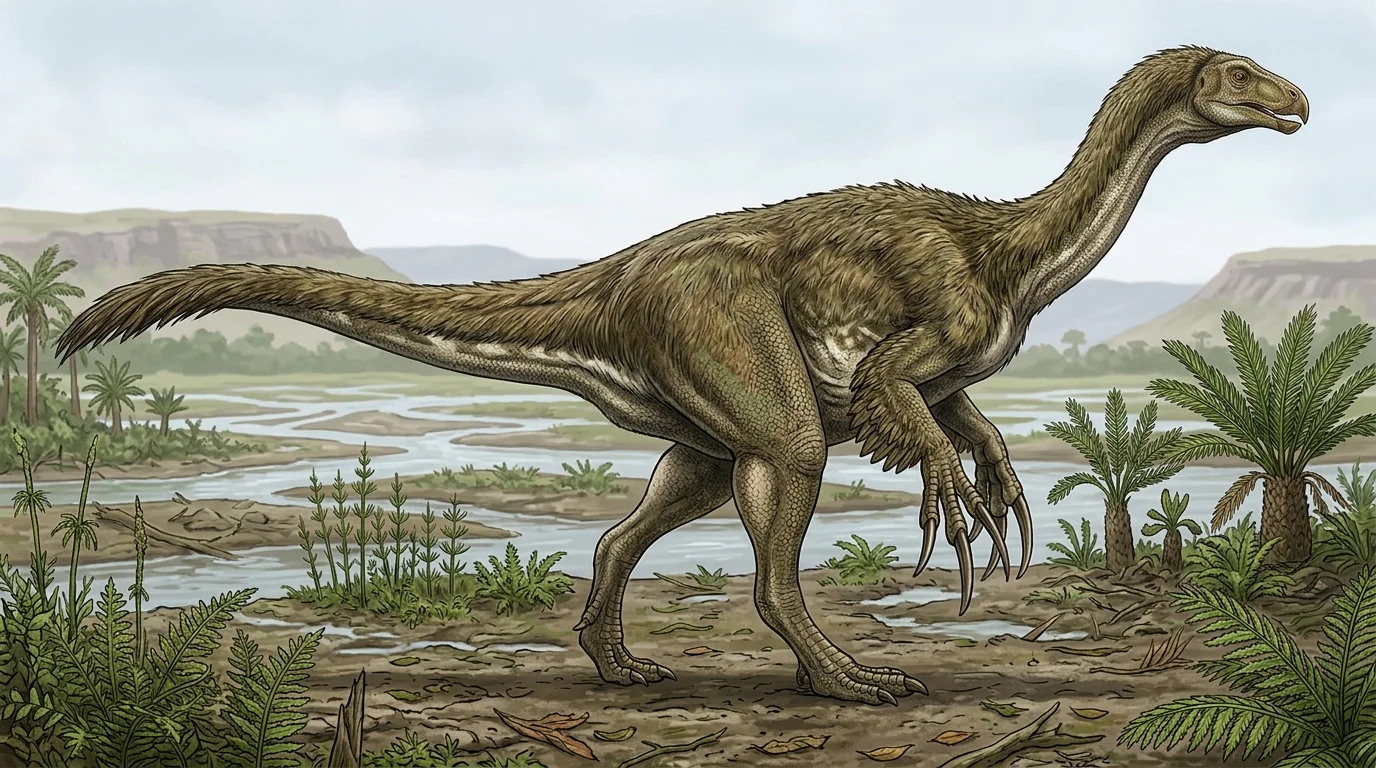
Authoritative scientific paleoart reconstruction of Therizinosaurus (Therizinosaurus cheloniformis Maleev, 1954) in lateral profileFeatured SpecimenTheropoda
Cretaceous PeriodHerbivore

Therizinosaurus

Therizinosaurus cheloniformis Maleev, 1954

A bizarre herbivorous theropod of Late Cretaceous Mongolia bearing the longest claws of any known animal—up to 1 meter in length.

9–10.5 m (29.5–34.4 ft)
4.0–5.5 metric tons (8,818–12,125 lbs)
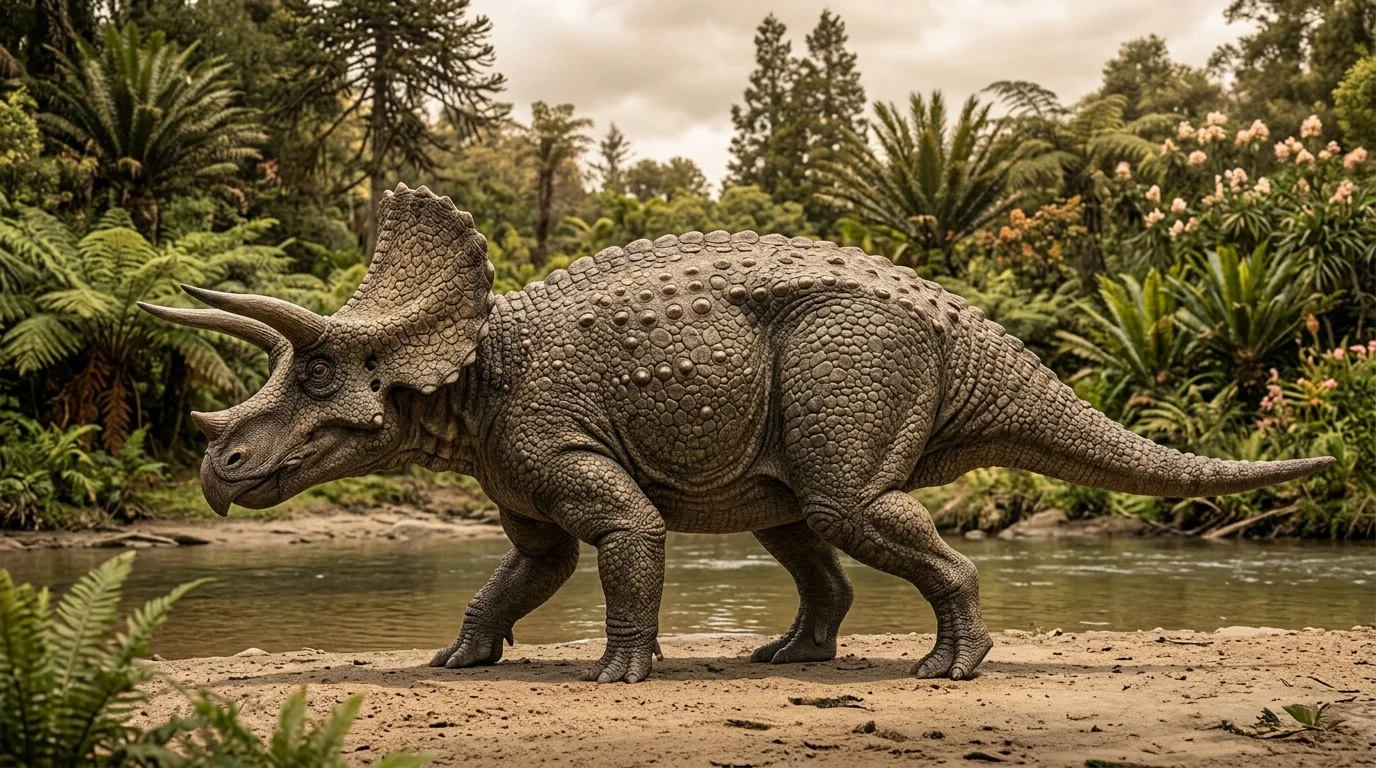
Authoritative scientific paleoart reconstruction of Triceratops (Triceratops horridus Marsh, 1889) in lateral profileFeatured SpecimenCeratopsia
Cretaceous PeriodHerbivore

Triceratops

Triceratops horridus Marsh, 1889

A colossal three-horned ceratopsian dinosaur of the Late Cretaceous with a solid parietal-squamosal bone frill.

7.9–9 m (25.9–29.5 ft)
6.0–9.0 metric tons (13,228–19,842 lbs)

Explore by Diet

Trophic adaptations ranging from bone-cracking carnivores to high-canopy sauropod folivores and semi-aquatic piscivores.

Explore by Region

Continental ecosystems from the Morrison and Hell Creek formations of North America to the Gobi Desert and Gondwanan South America.

Paleontological Articles

Featured Guides

Explanatory scientific essays covering taxonomy, dating methodologies, and extinction dynamics.

All Field Guides

Curious to Discover Something New?

Jump into our database with an entirely random prehistoric specimen. Learn about its habitat, anatomy, and fossil provenance.

Load Random Dinosaur Specimen