TheropodaAcrocanthosaurus
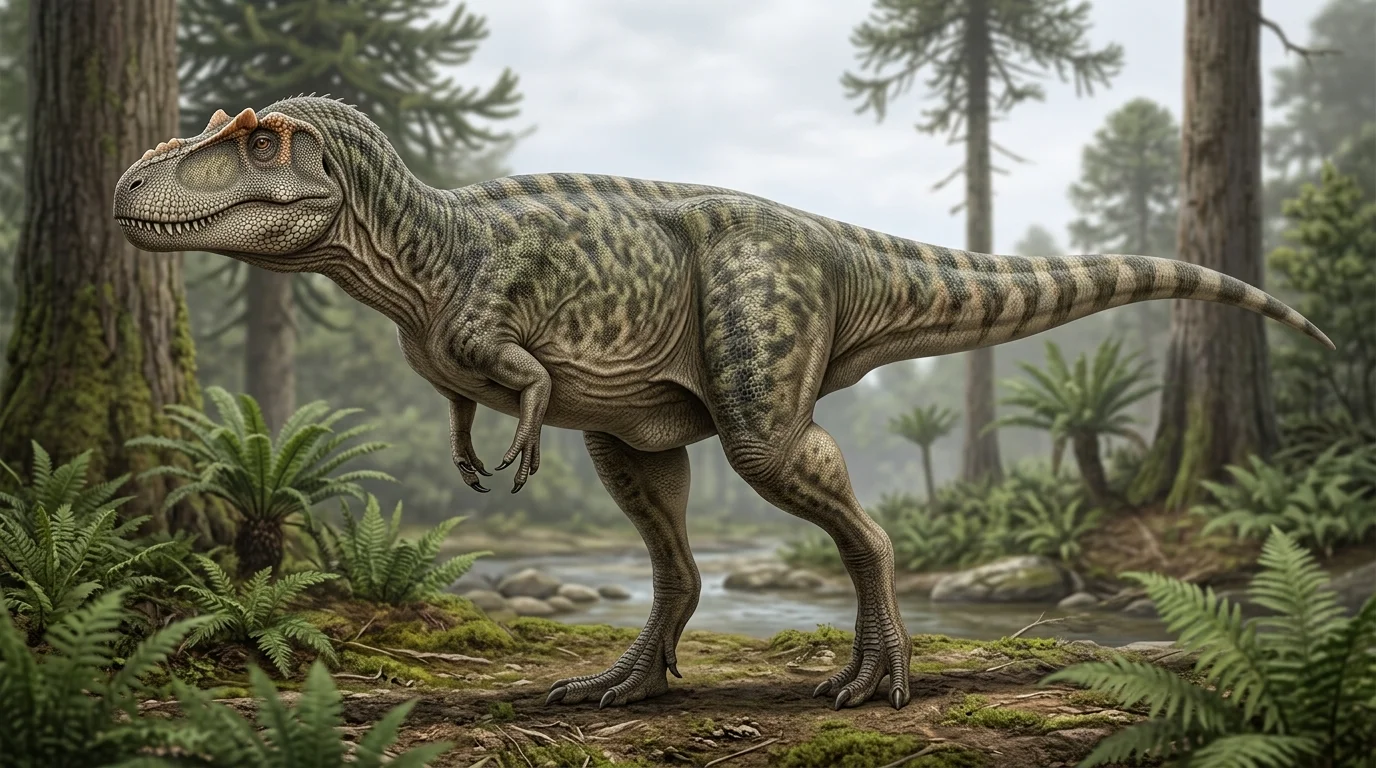
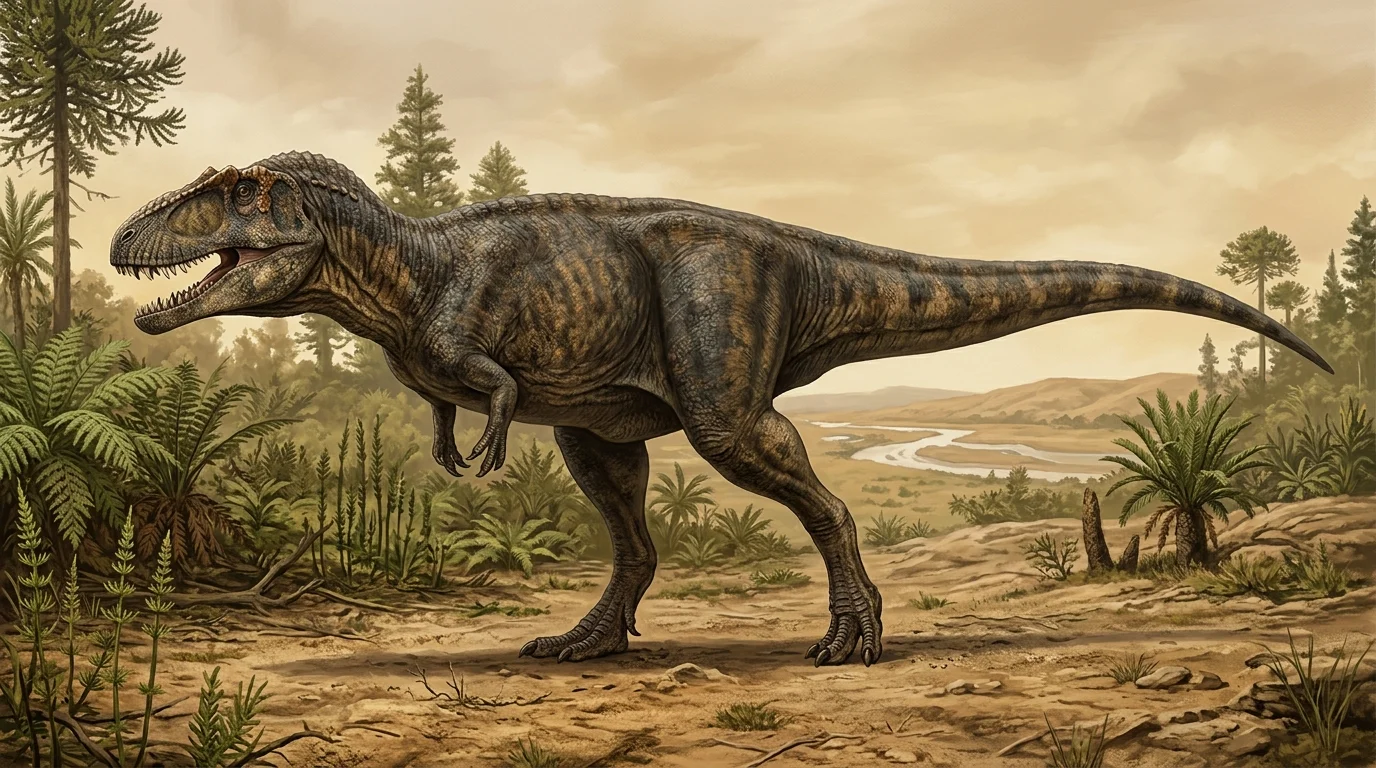
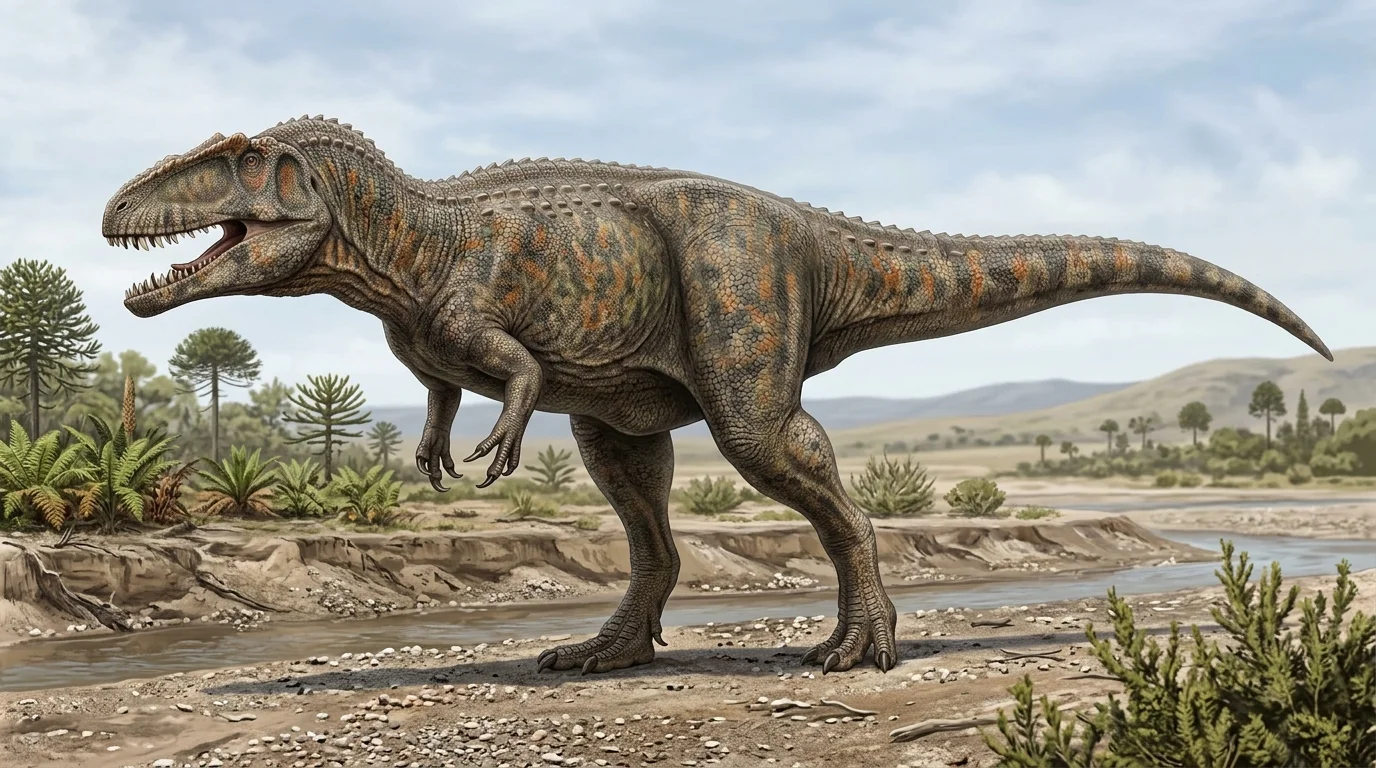
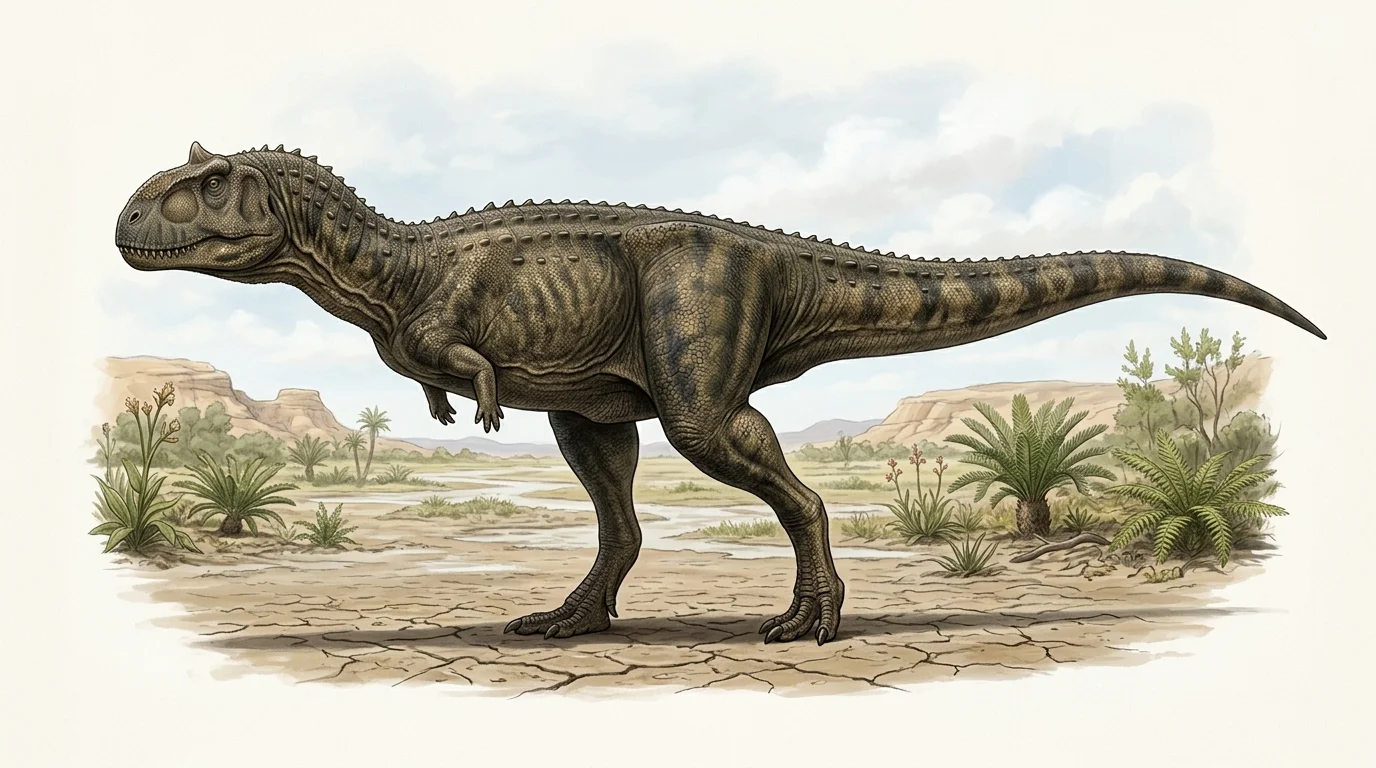
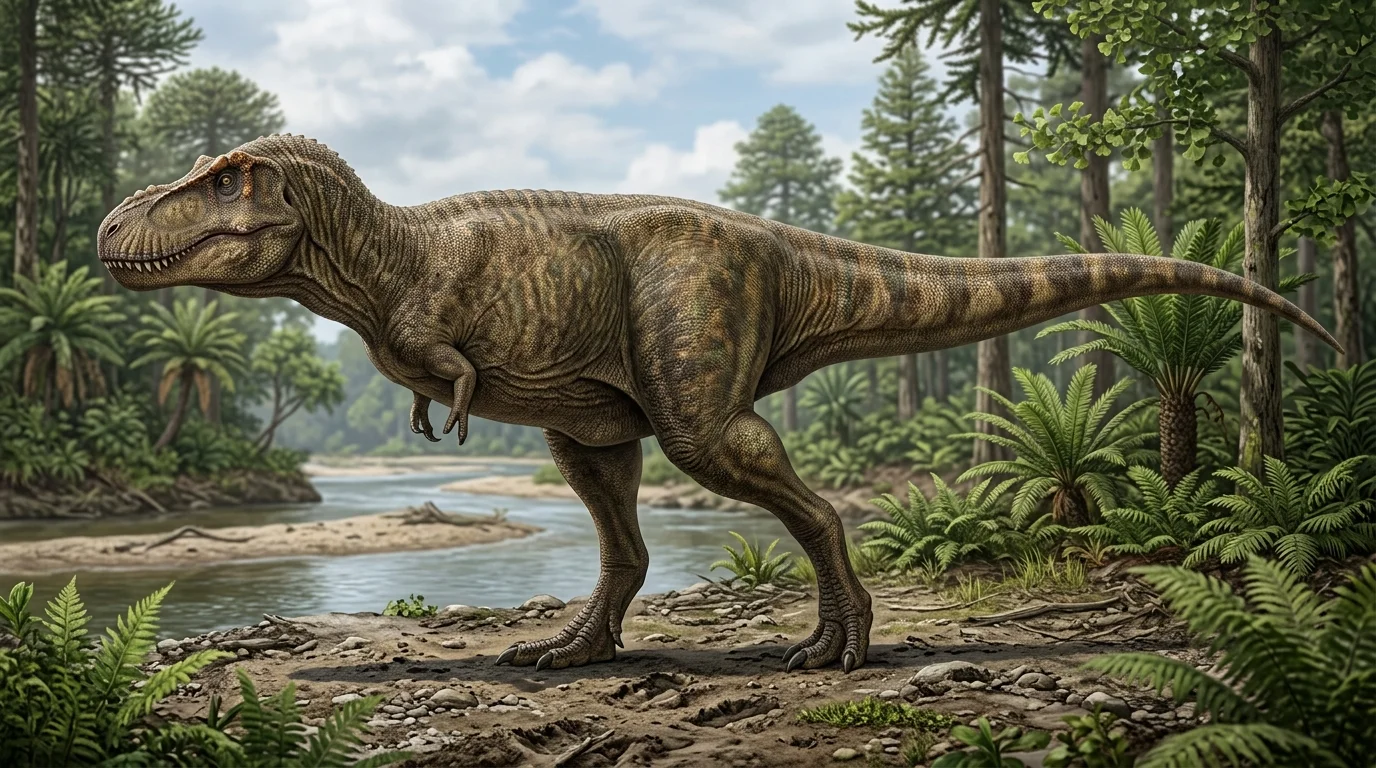
Acrocanthosaurus atokensis Stovall & Langston, 1950
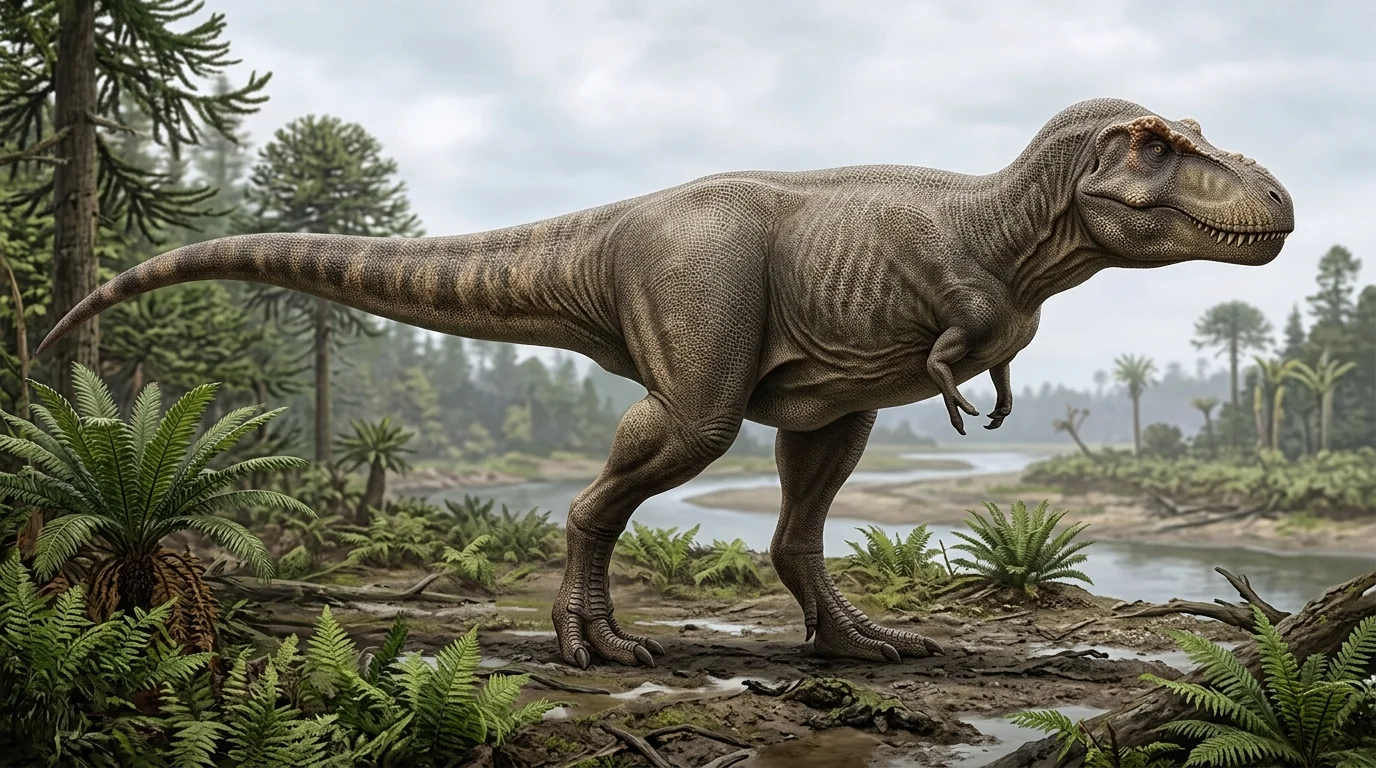
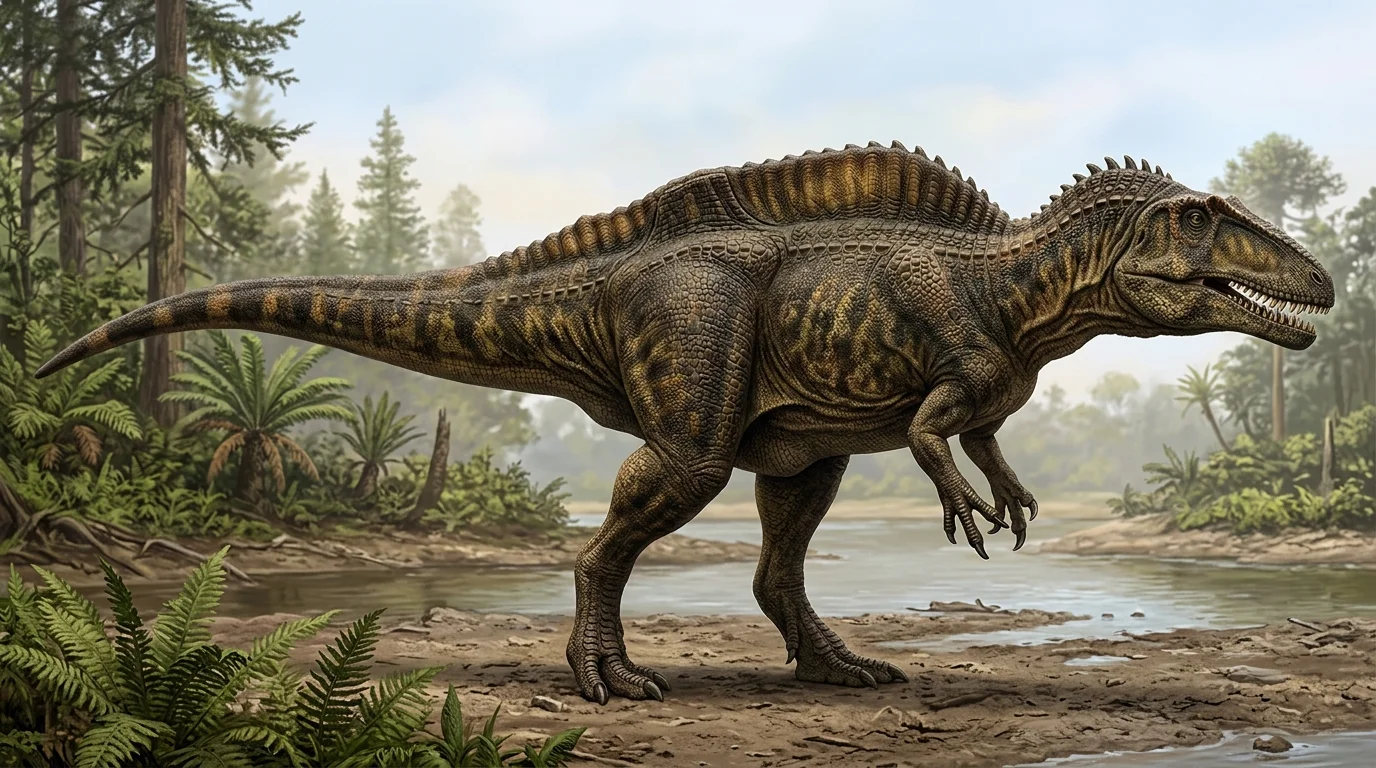
A high-spined North American apex predator famous for hunting sauropods across Early Cretaceous river valleys.
The longest and final period of the Mesozoic Era, characterized by the rise of flowering plants, ceratopsians, hadrosaurs, tyrannosaurids, and concluding with the Chicxulub asteroid impact.
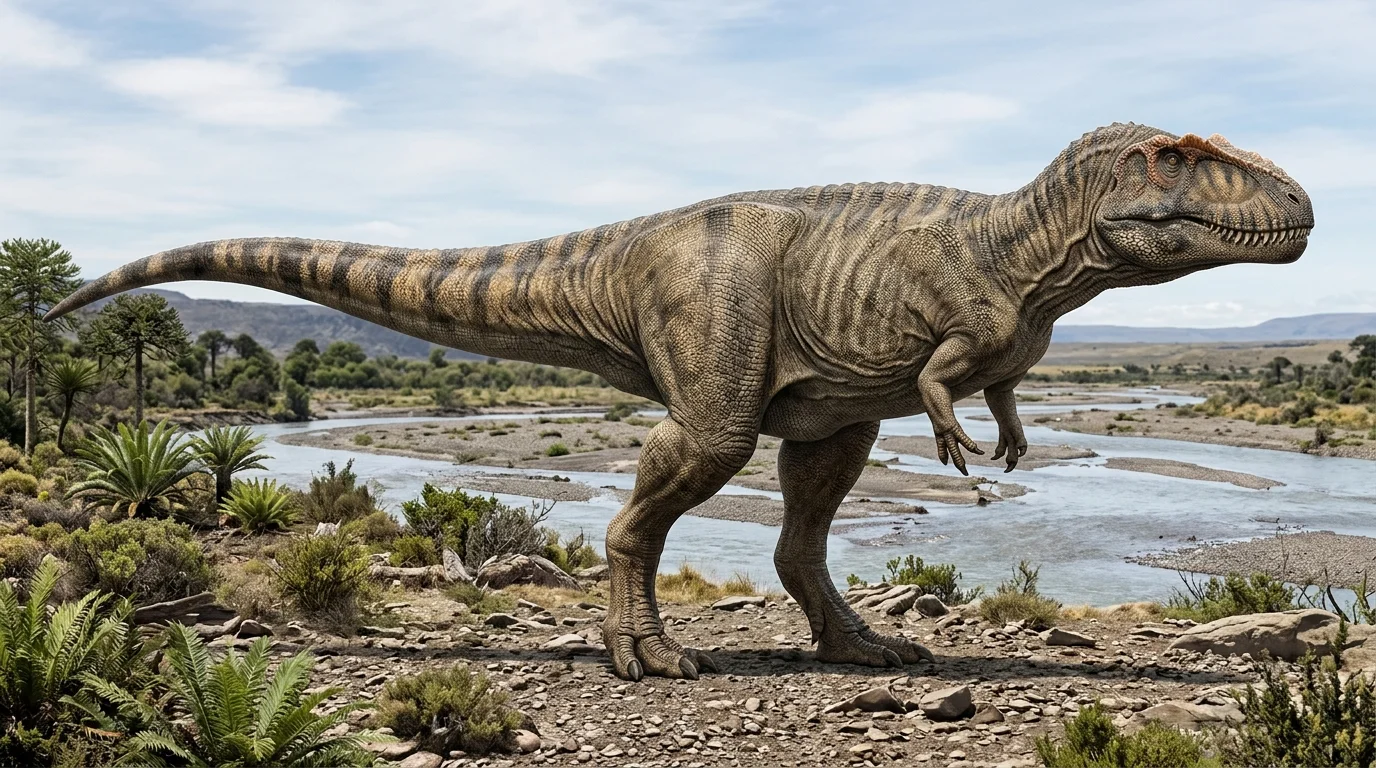
TheropodaAcrocanthosaurus atokensis Stovall & Langston, 1950
A high-spined North American apex predator famous for hunting sauropods across Early Cretaceous river valleys.
TheropodaAlbertosaurus sarcophagus Osborn, 1905
A fleet-footed, gracile tyrannosaurid from the Late Cretaceous of western Canada known from prominent multi-individual bonebed associations.
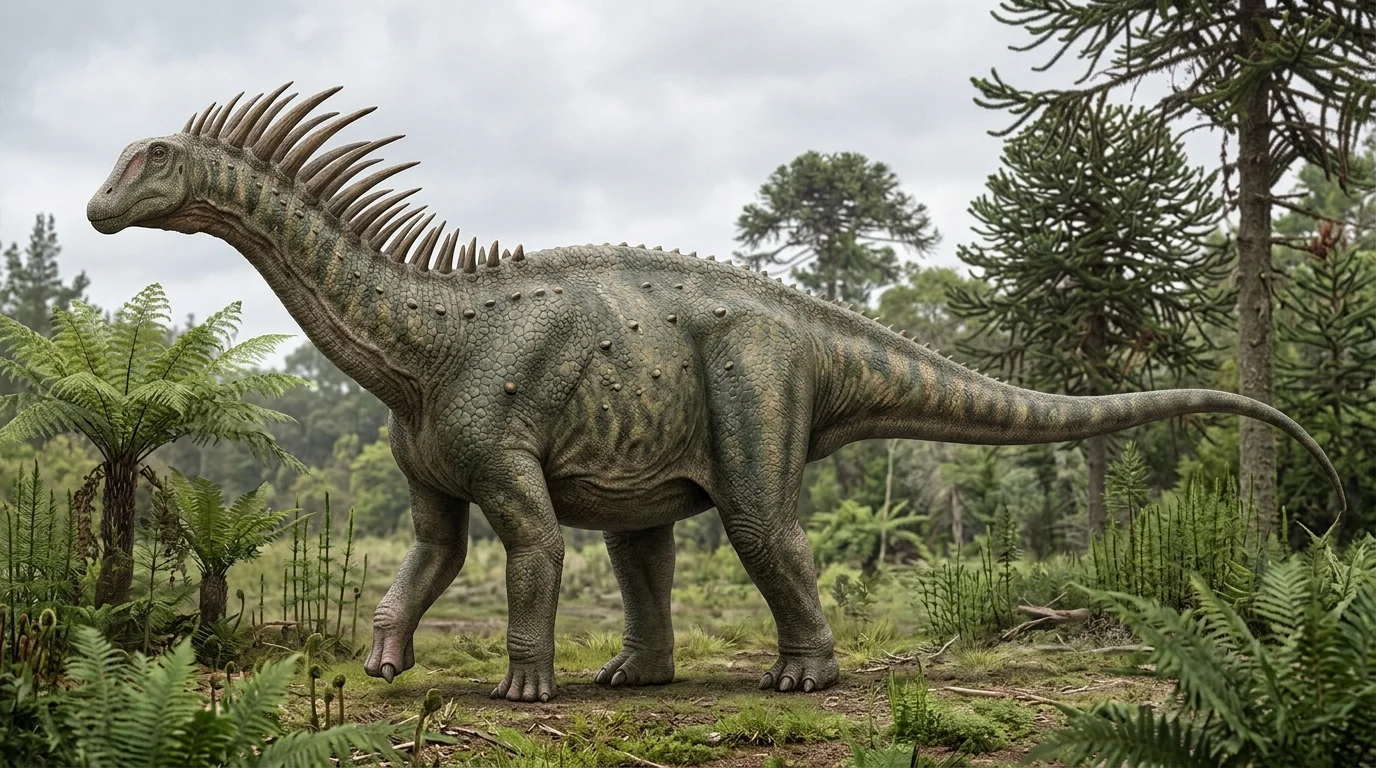
SauropodomorphaAmargasaurus cazaui Salgado & Bonaparte, 1991
A striking, double-sailed dicraeosaurid sauropod from Argentina sporting parallel rows of tall neck spines.
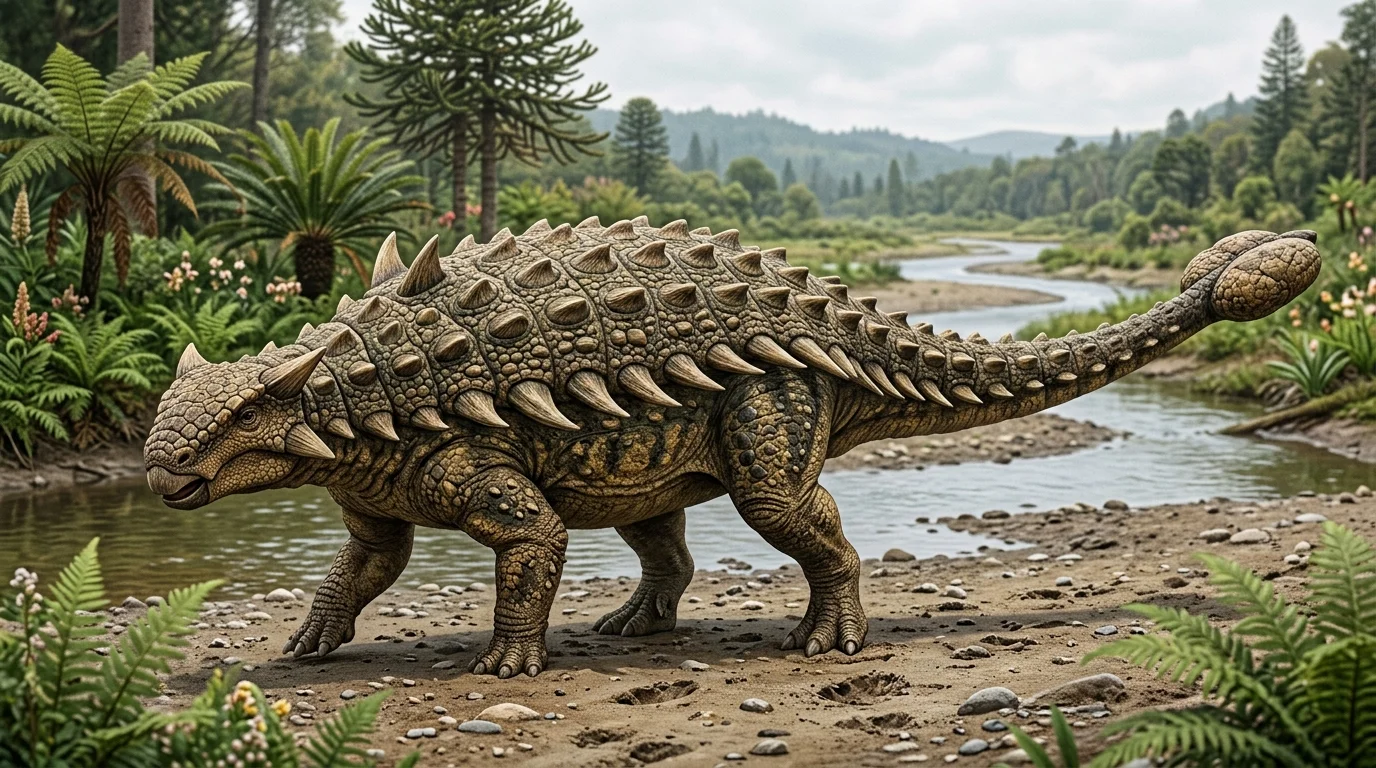
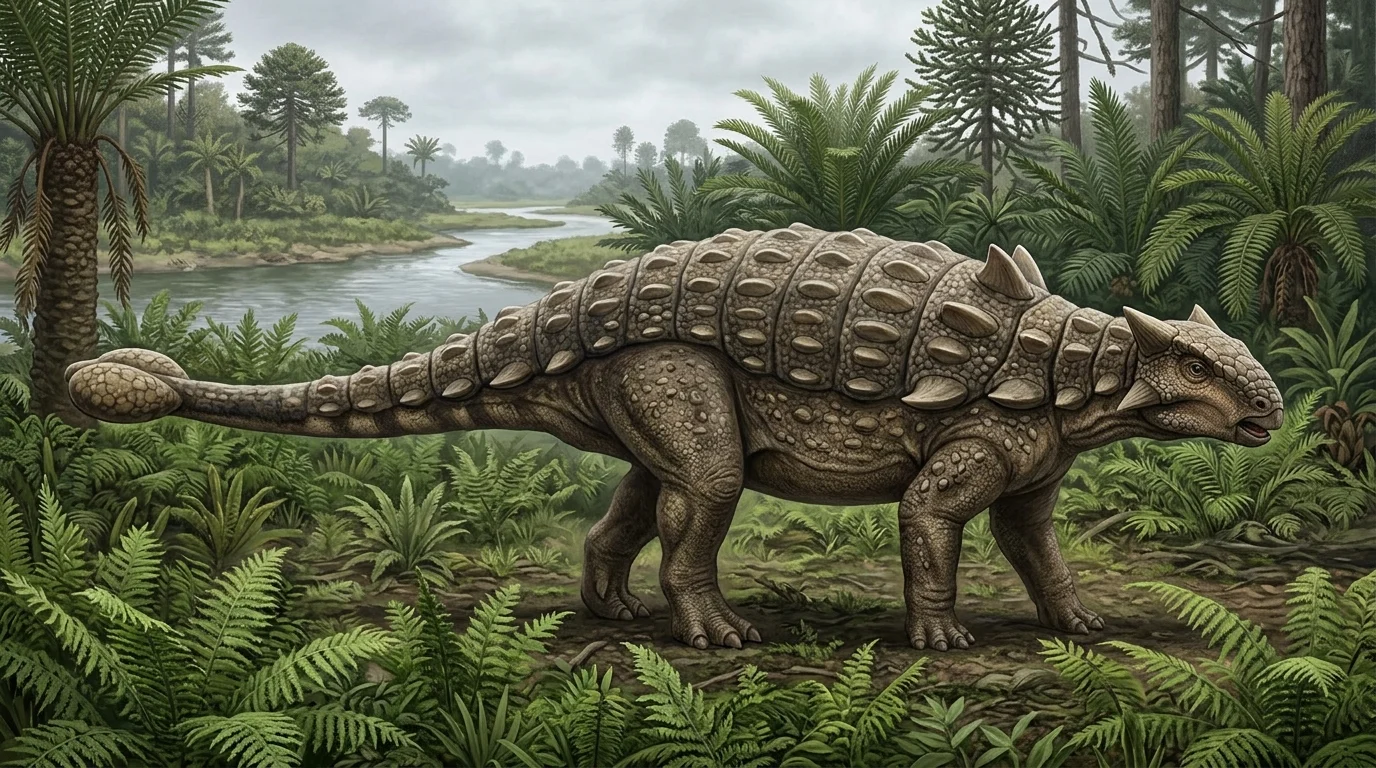
AnkylosauriaAnkylosaurus magniventris Brown, 1908
The definitive armored dinosaur of the Late Cretaceous, encased in bony osteoderms and armed with an osseous tail club.
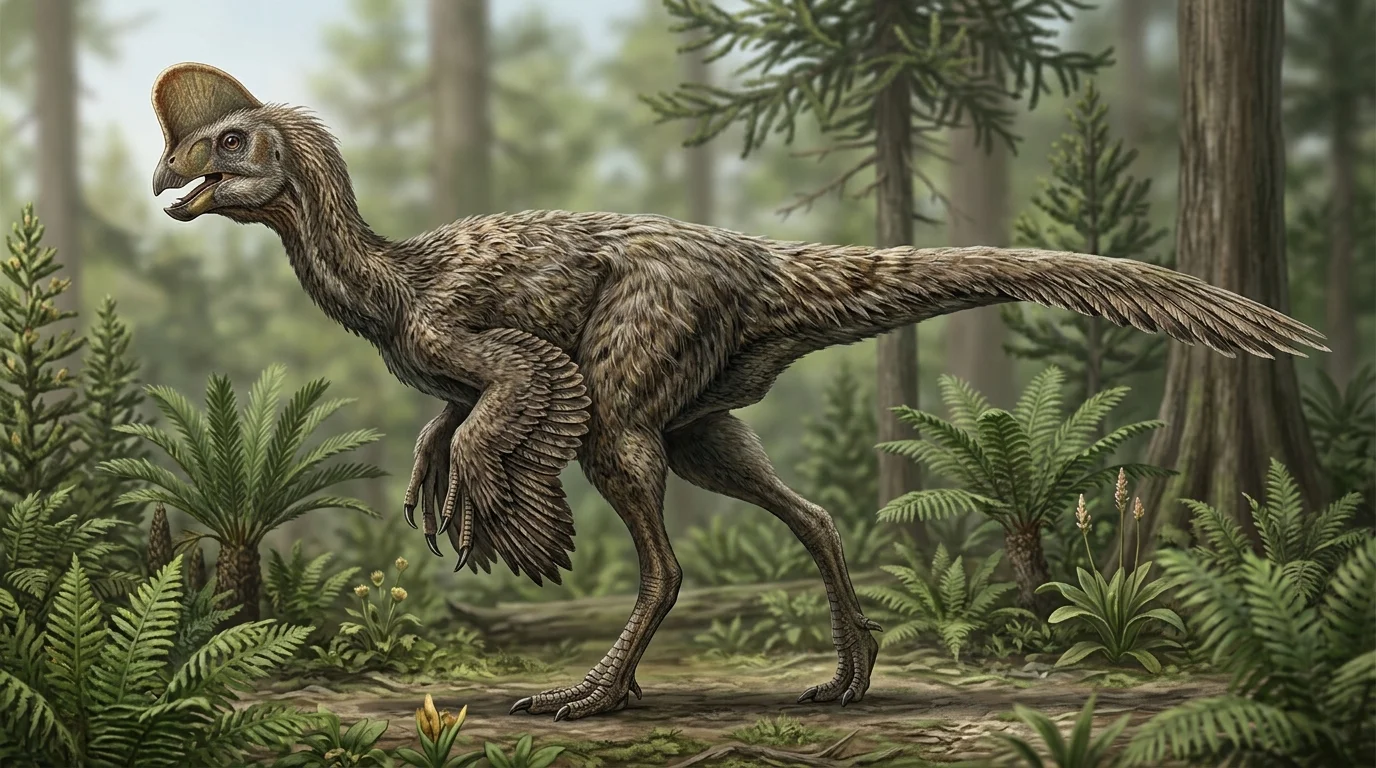
TheropodaAnzu wyliei Lamanna et al., 2014
The 'Chicken from Hell', a gigantic, crested caenagnathid oviraptorosaur from the Hell Creek Formation.
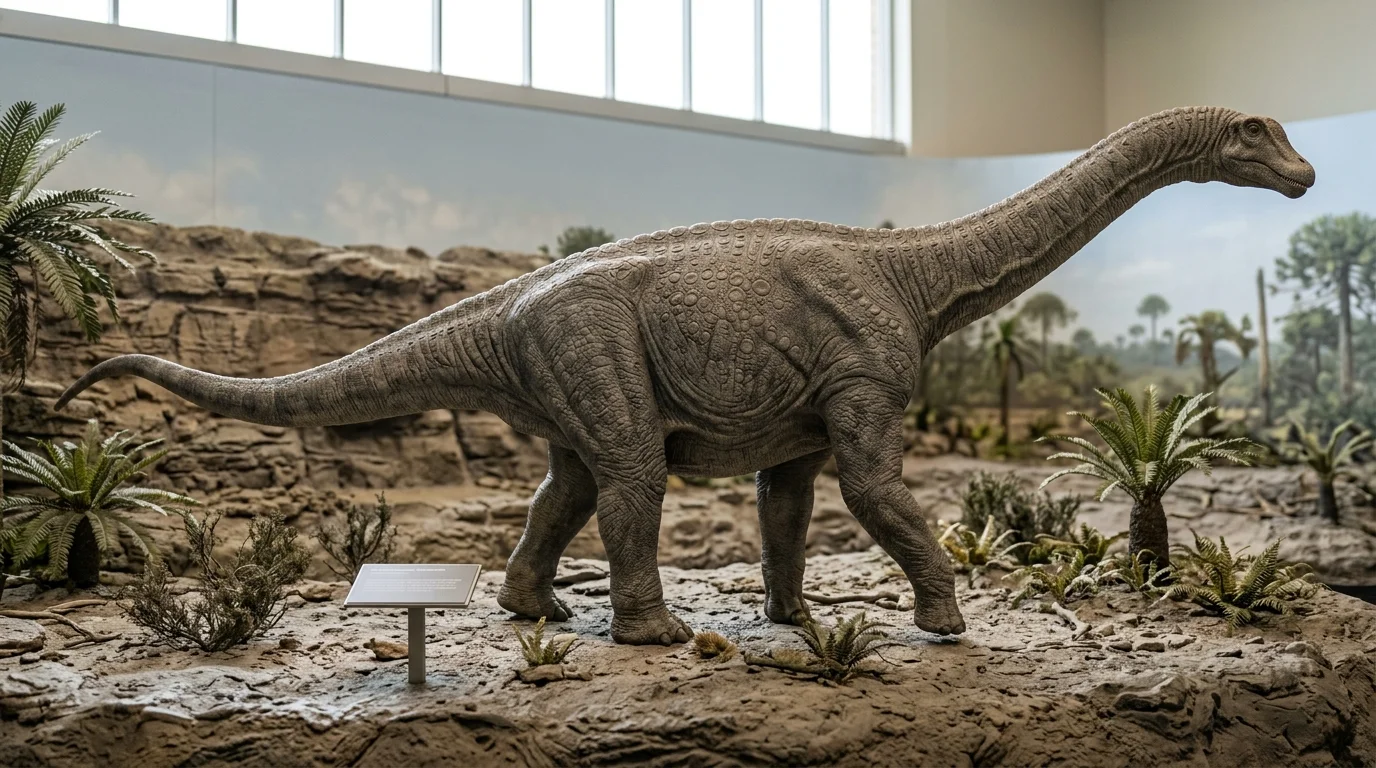
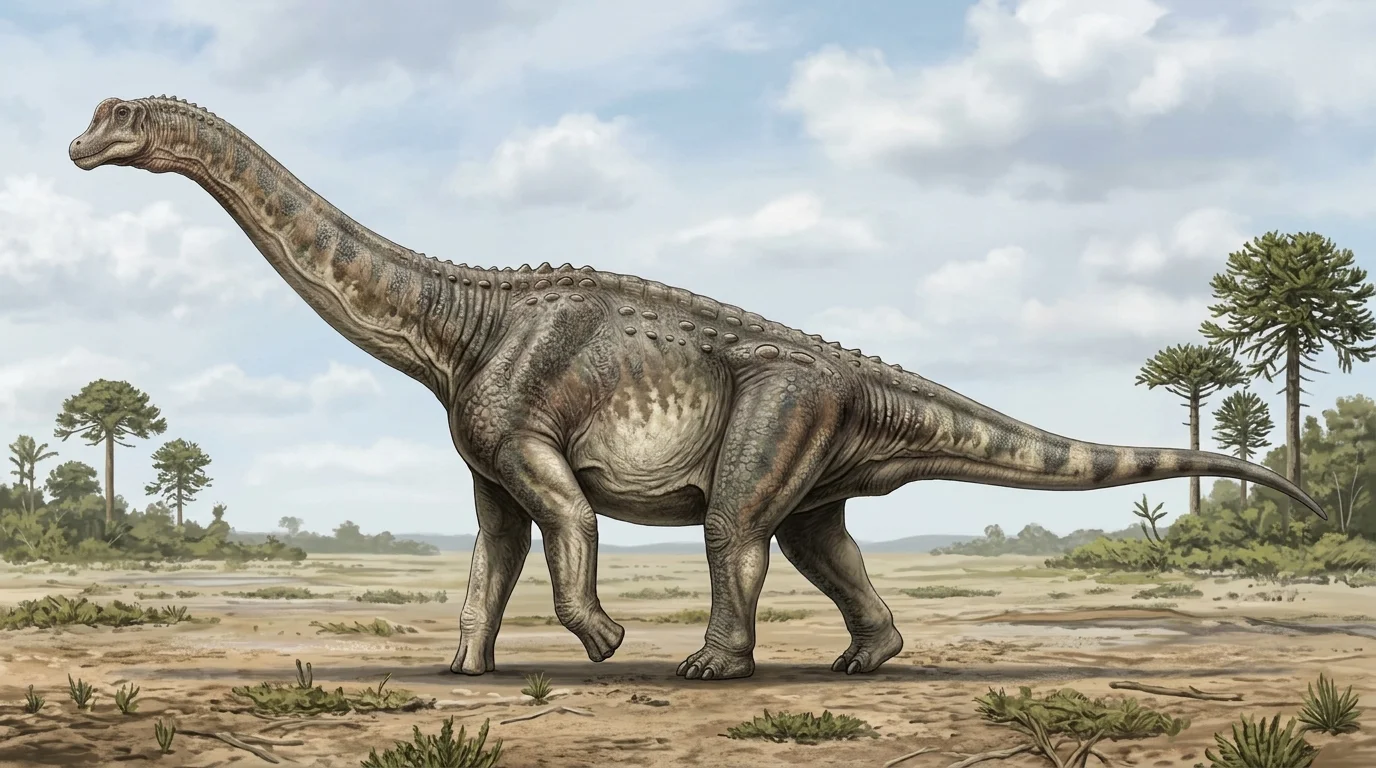
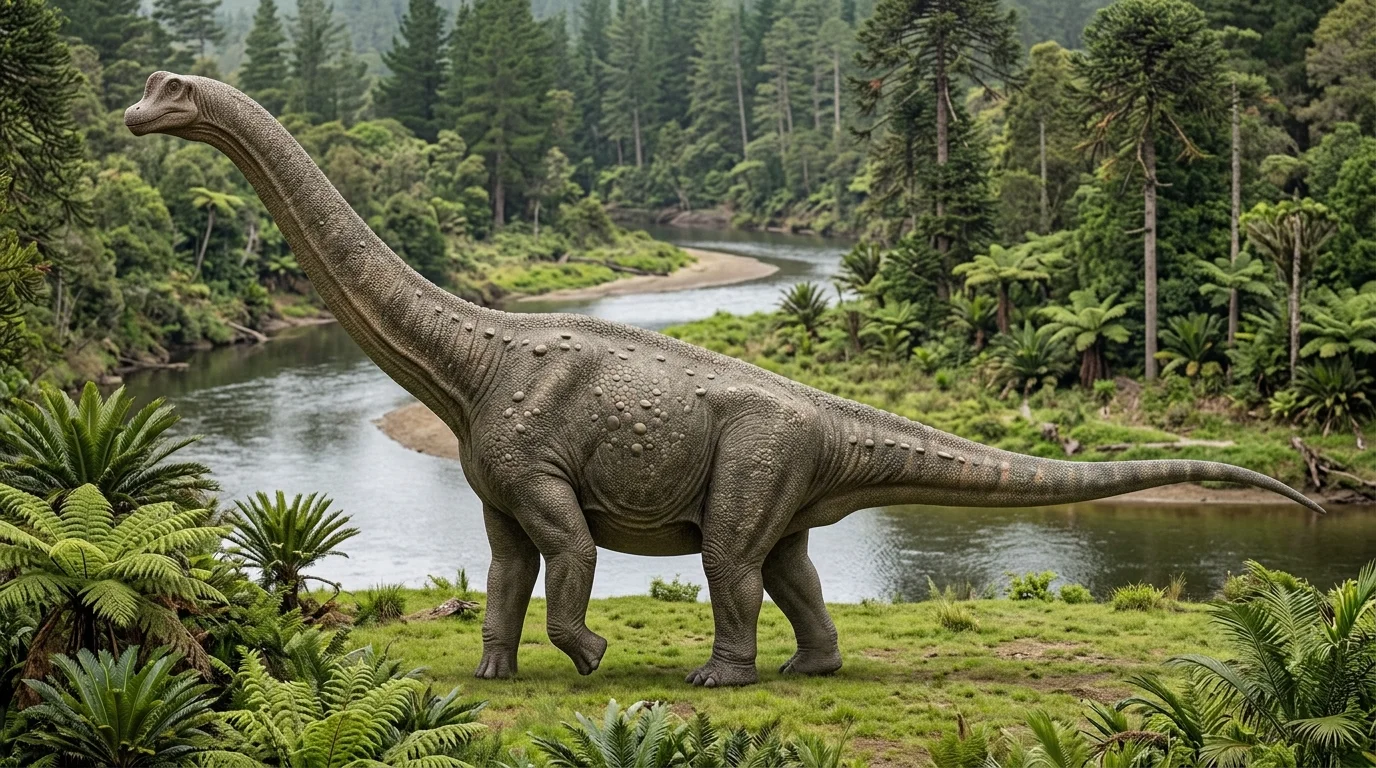
Featured SpecimenSauropodomorphaArgentinosaurus huinculensis Bonaparte & Coria, 1993
Among the largest and most massive terrestrial animals known to science, with scaled estimates reaching 65 to 80 metric tons based on fragmentary titanosaur remains.
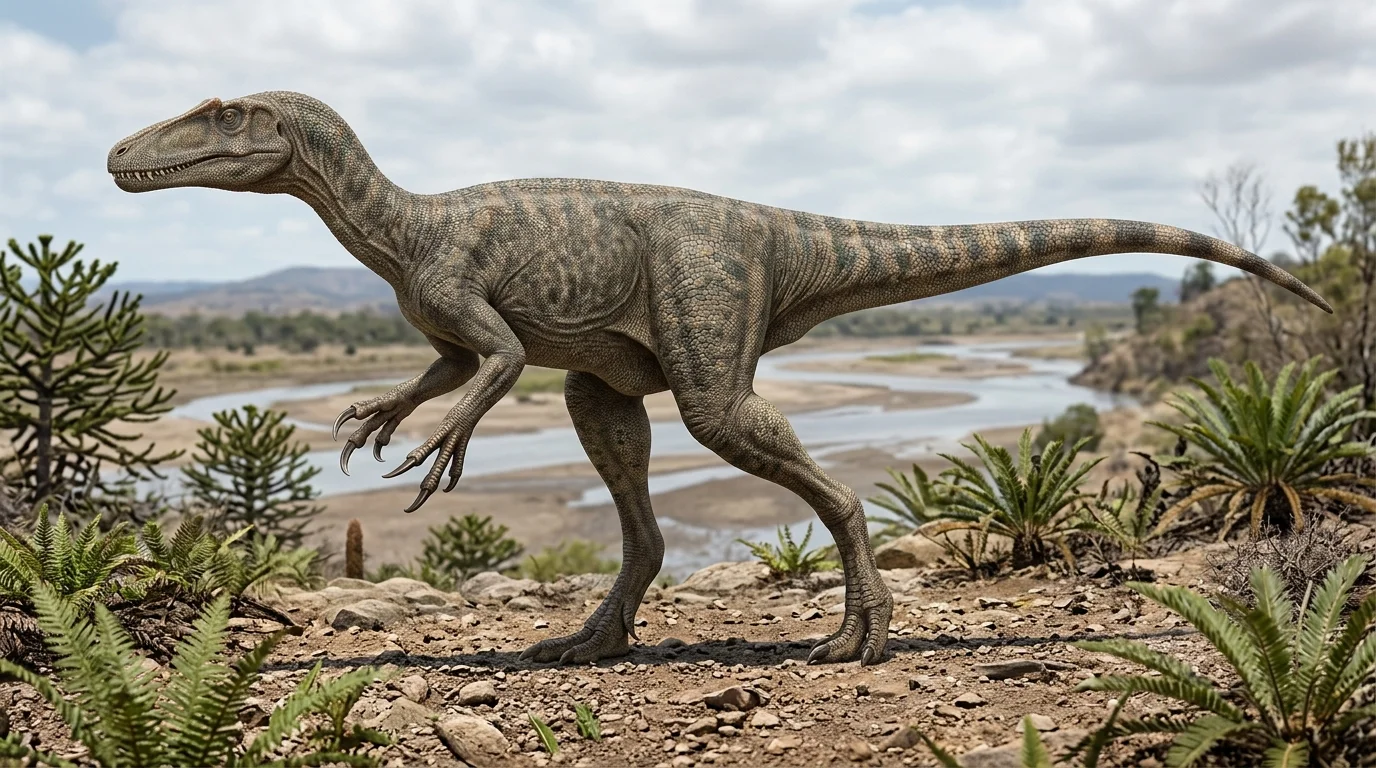
TheropodaAustralovenator wintonensis Hocknull et al., 2009
The 'cheetah of its time', a lightning-fast megaraptoran predator from the mid-Cretaceous of Australia.
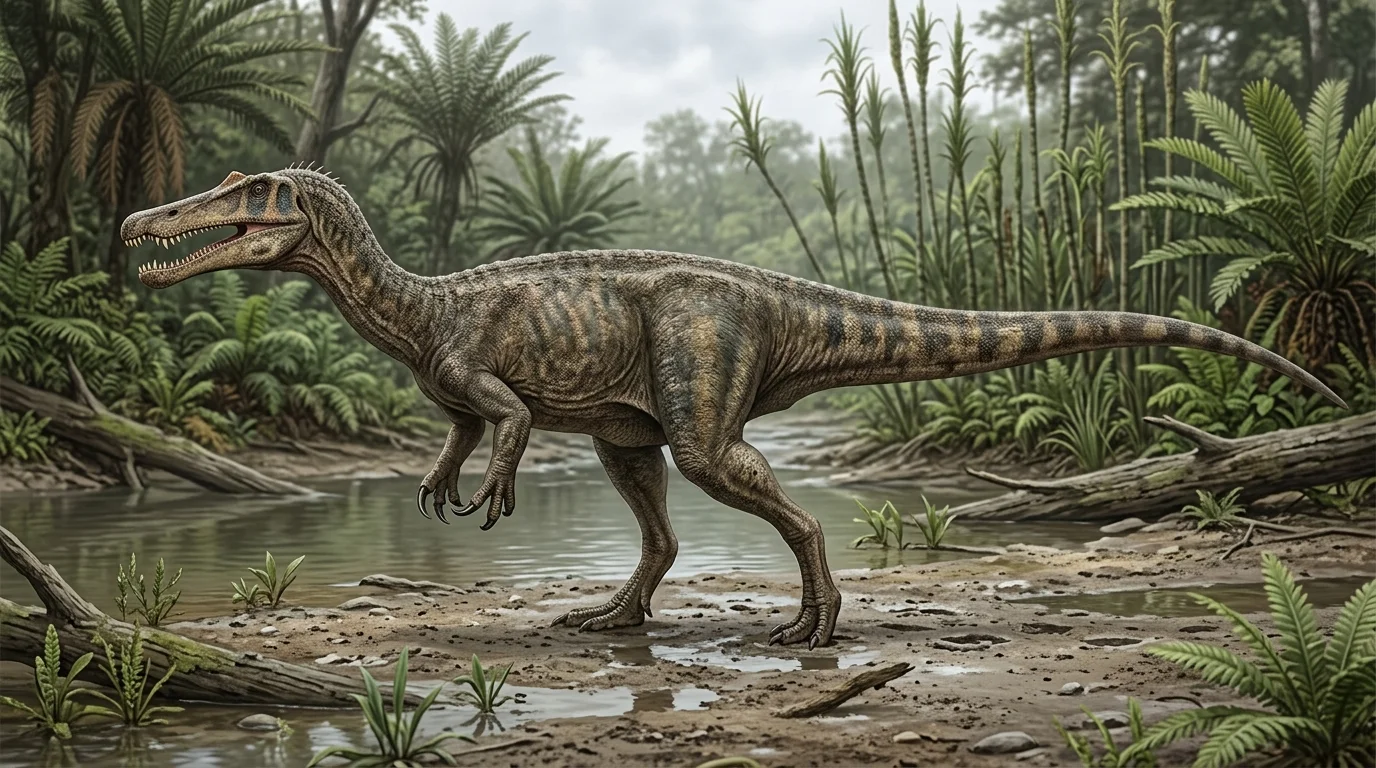
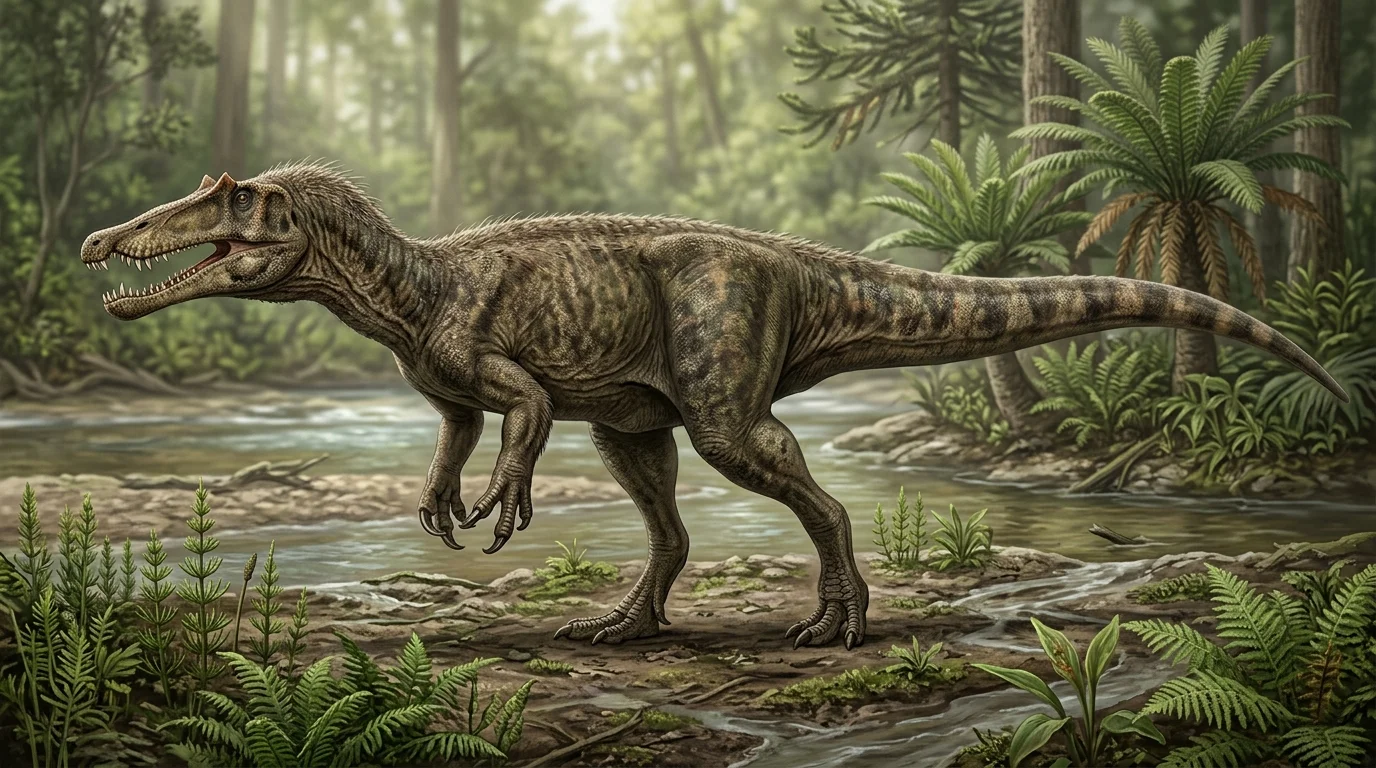
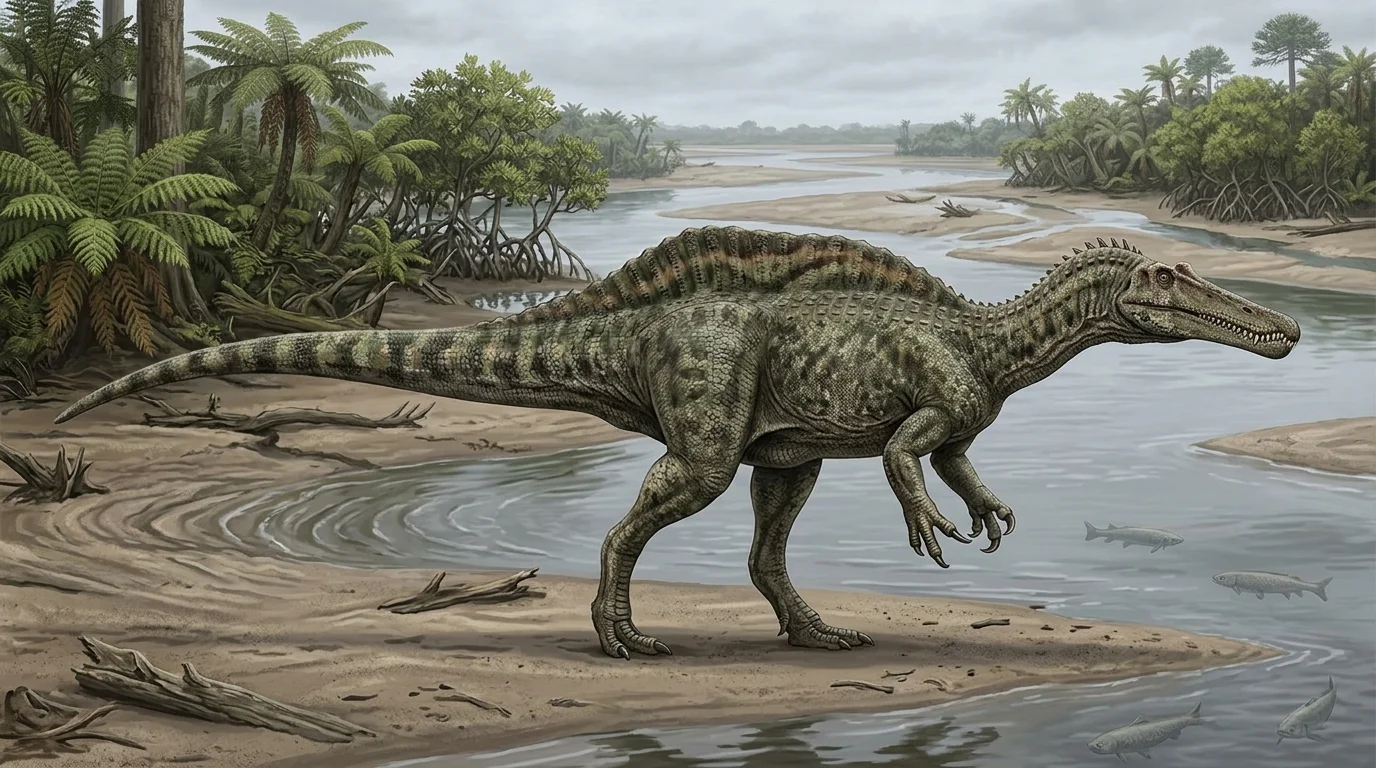
TheropodaBaryonyx walkeri Charig & Milner, 1986
A specialized fish-eating spinosaurid from Early Cretaceous England sporting a 31-centimeter curved thumb claw.
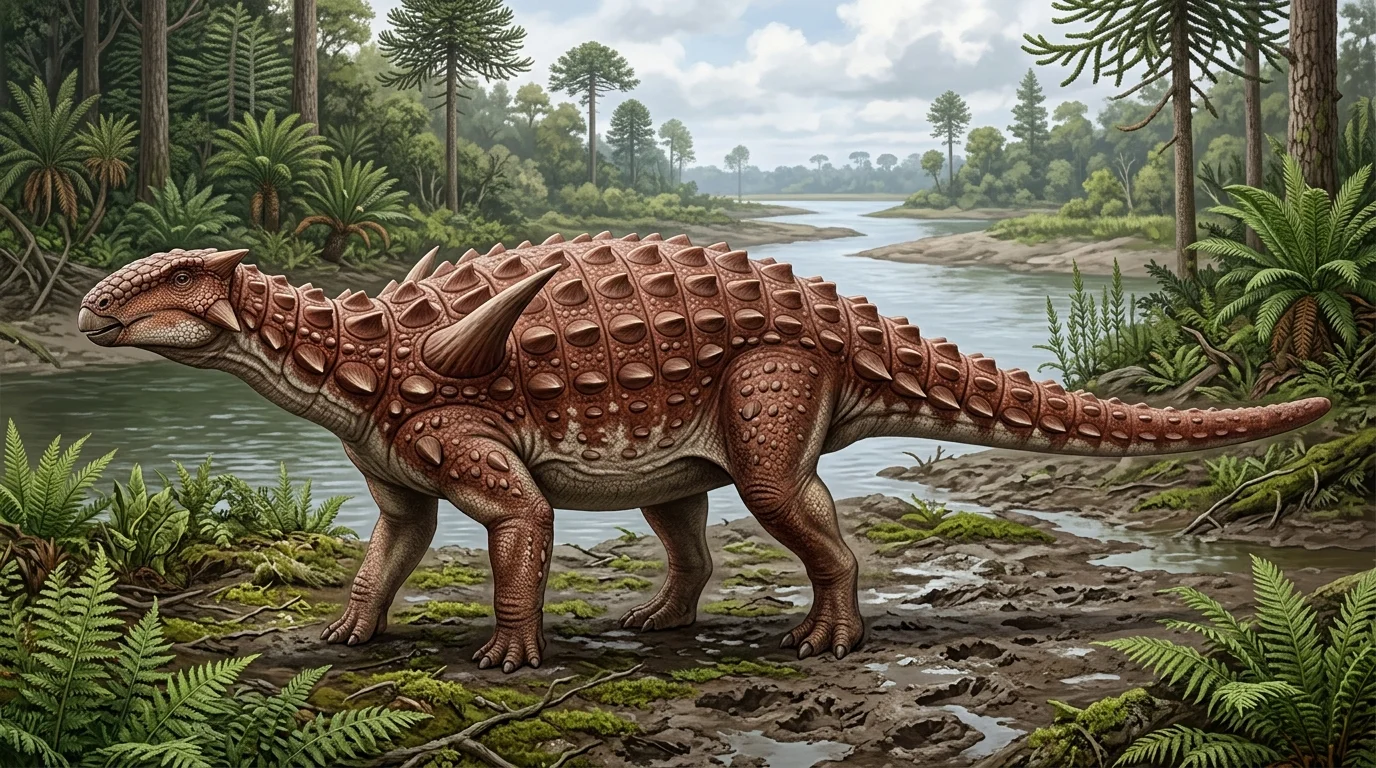
AnkylosauriaBorealopelta markmitchelli Brown et al., 2017
The world's best-preserved dinosaur fossil, a 110-million-year-old nodosaur with intact skin, armor, and stomach contents.
TheropodaCarcharodontosaurus saharicus Depéret & Savornin, 1925
The 'shark-toothed lizard', a colossal North African apex predator rivaling Tyrannosaurus in length.
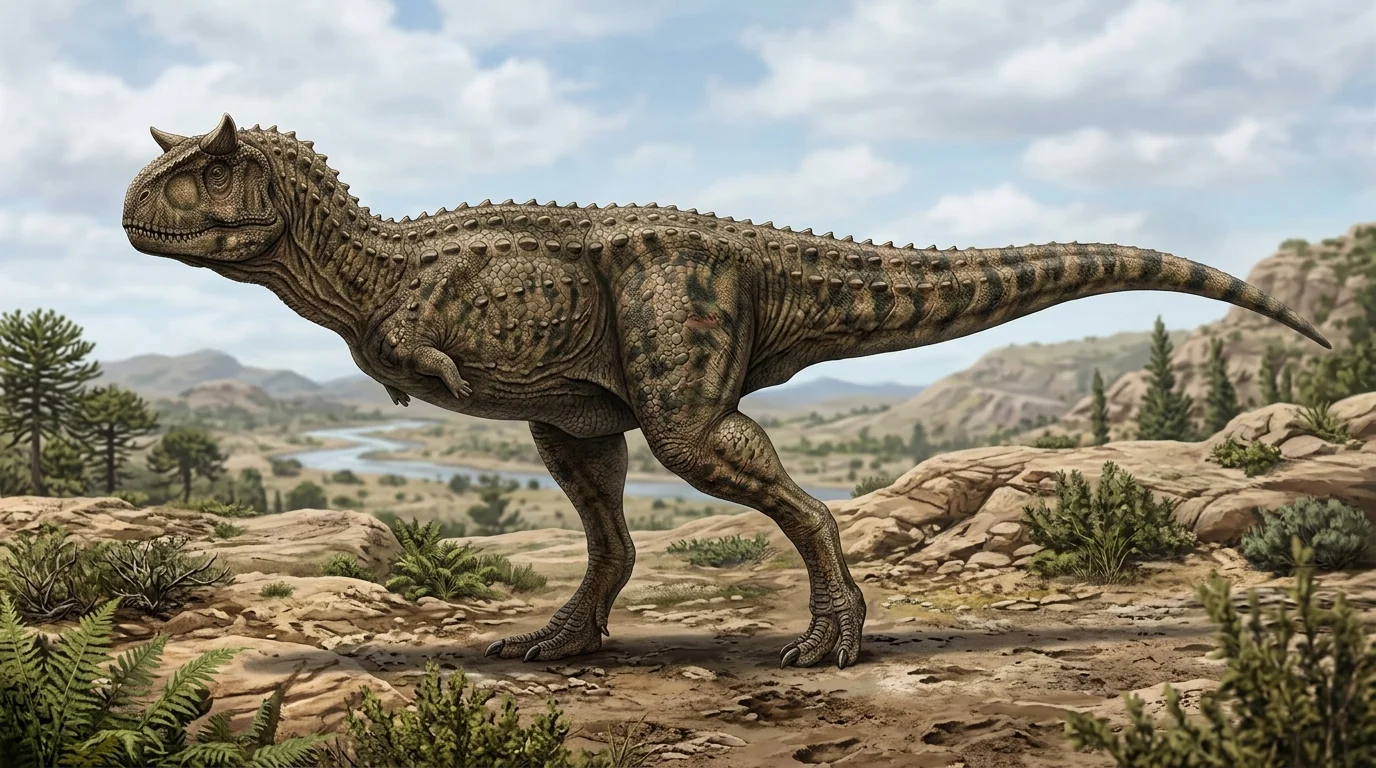
TheropodaCarnotaurus sastrei Bonaparte, 1985
A bizarre South American abelisaurid predator with bull-like cranial horns, vestigial forelimbs, and extreme cursorial speed.
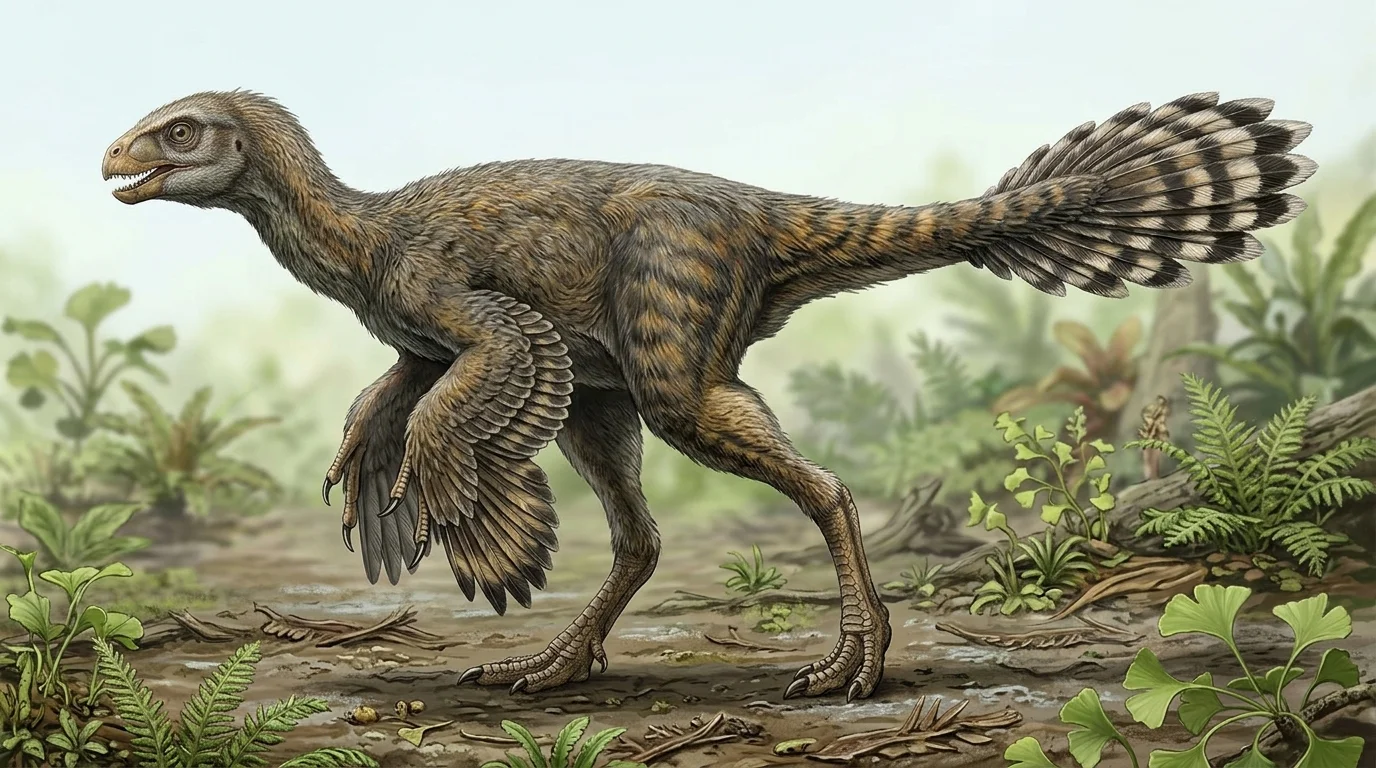
TheropodaCaudipteryx zoui Ji et al., 1998
A ground-dwelling basal oviraptorosaur from Liaoning, China preserving true vaned feathers and gastroliths.
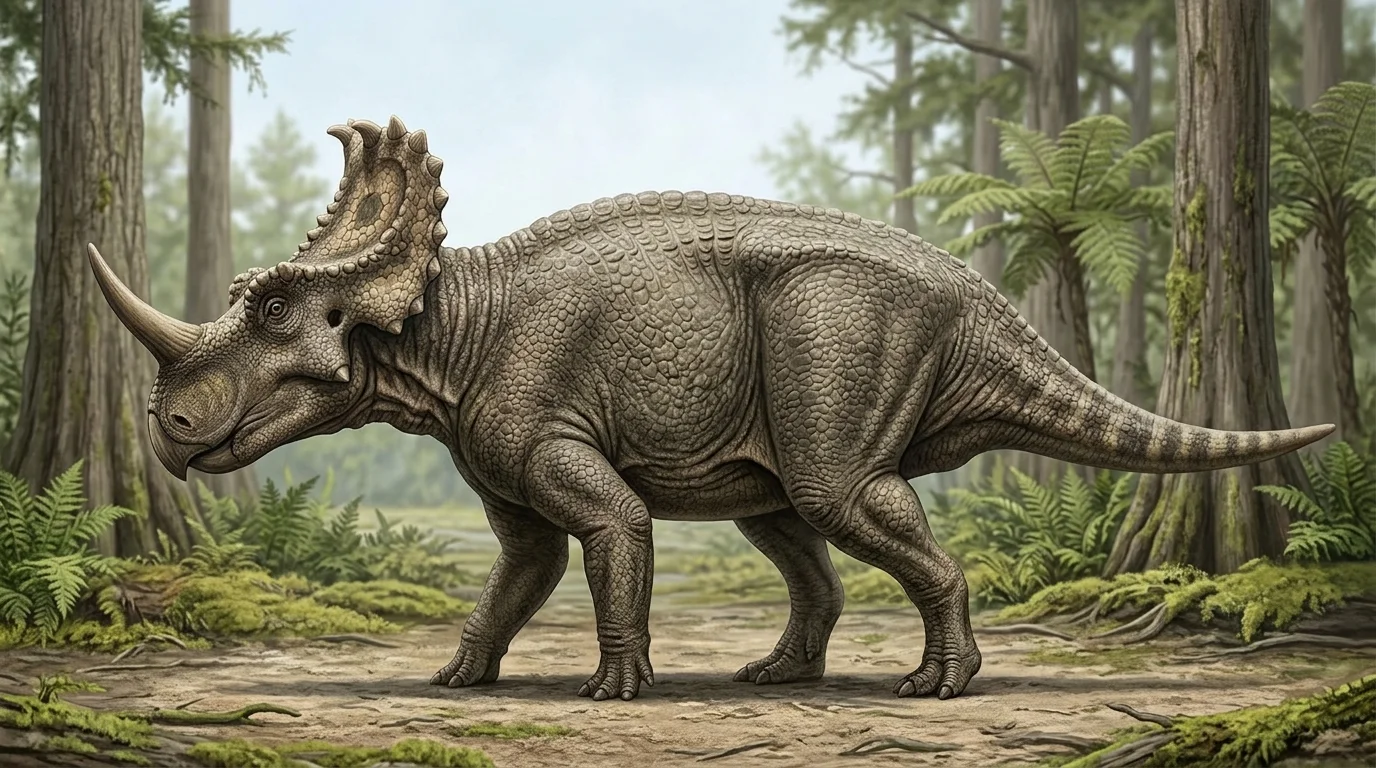
CeratopsiaCentrosaurus apertus Lambe, 1904
A prominent centrosaurine ceratopsid from Alberta featuring a forward-curved nasal horn and hooked frill spikes.
TheropodaCeratosuchops inferodios Barker et al., 2021
The 'horned crocodile-faced hell heron', a newly described spinosaurid from the Isle of Wight.
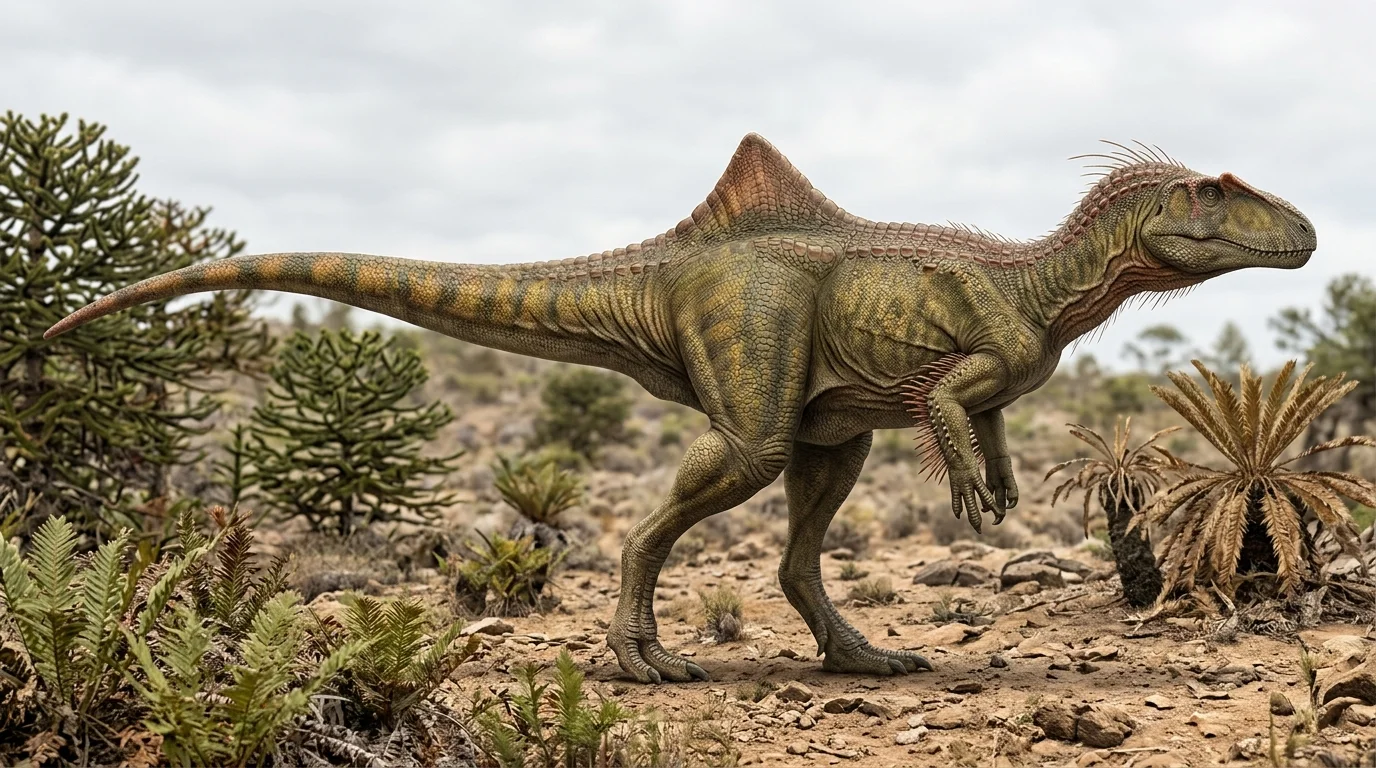
TheropodaConcavenator corcovatus Ortega et al., 2010
A bizarre Early Cretaceous Spanish carcharodontosaurid featuring a sharp humped back and quill knobs on its arms.
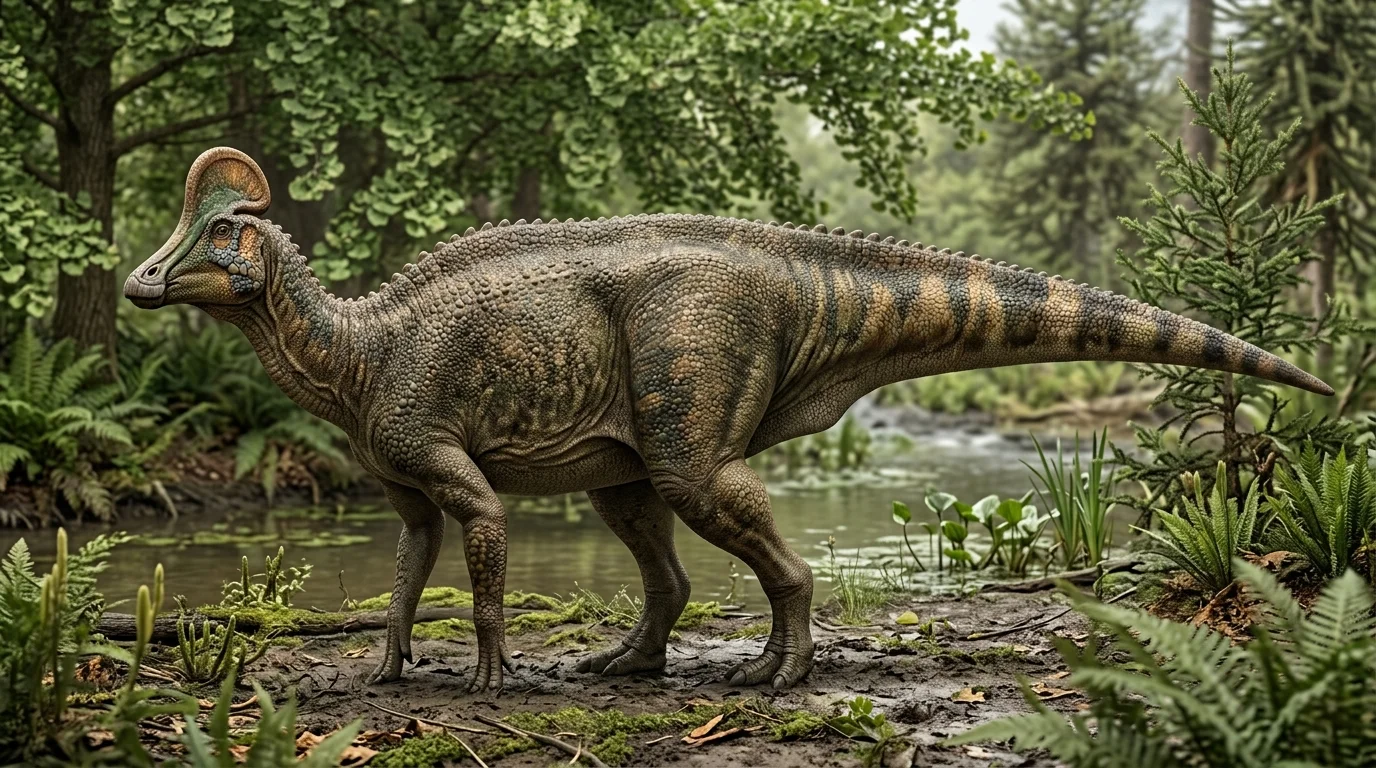
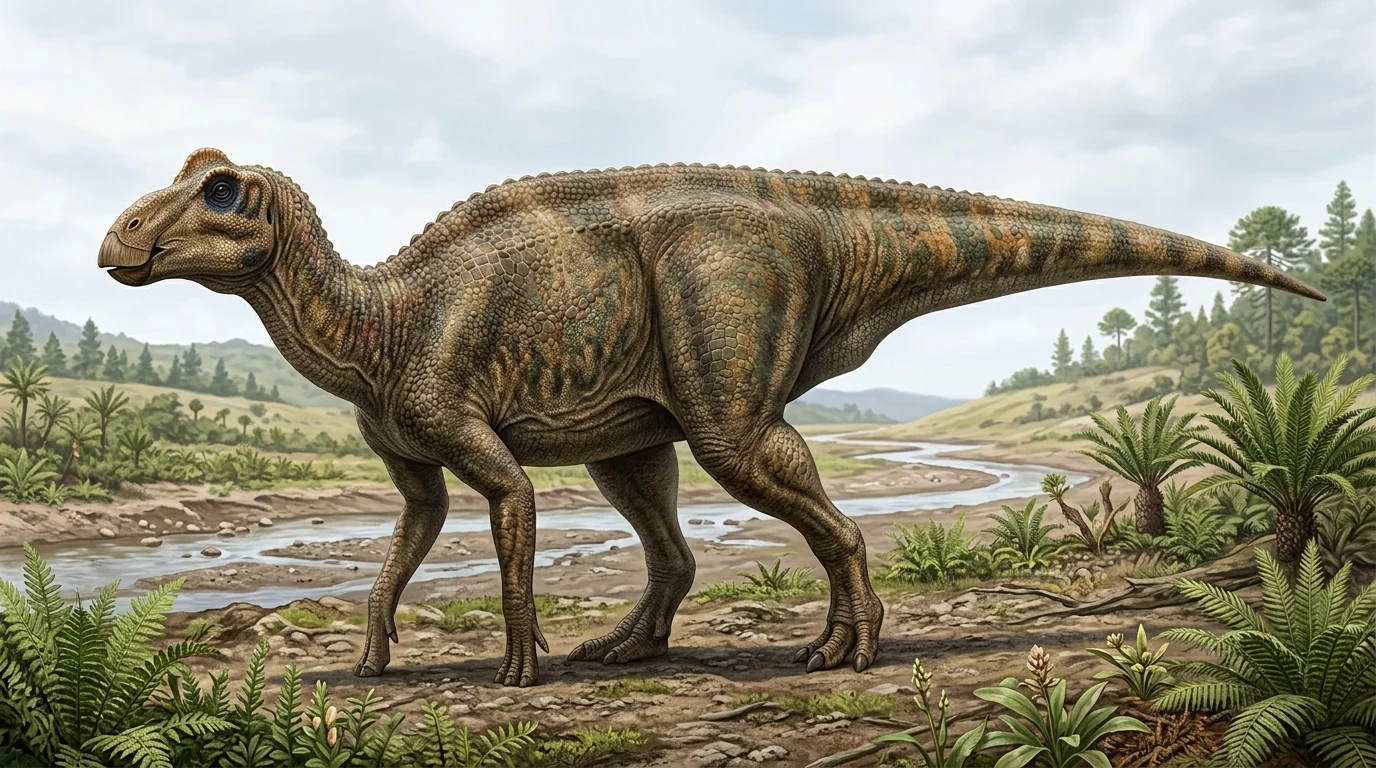
OrnithopodaCorythosaurus casuarius Brown, 1914
A hollow-crested hadrosaurid from Alberta possessing a tall, semicircular helmet crest for sound resonance.
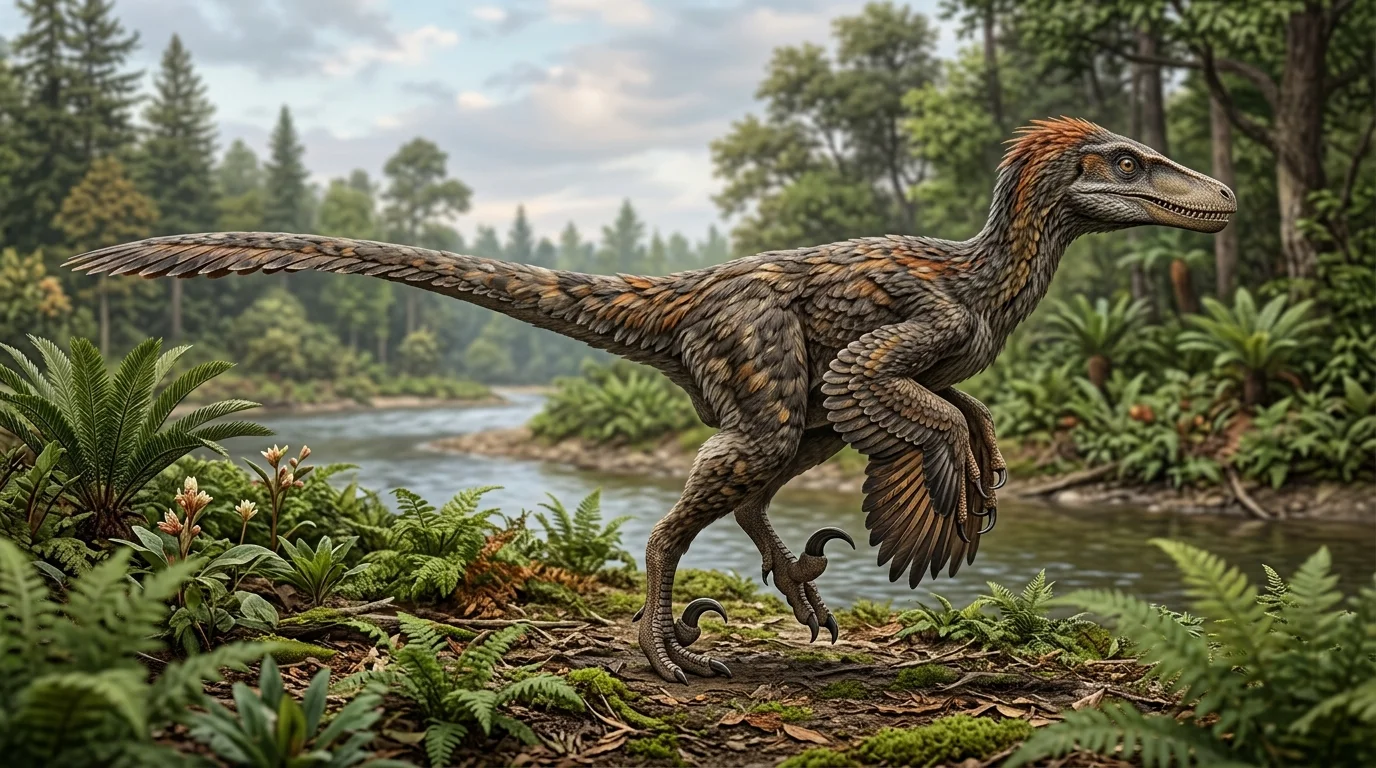
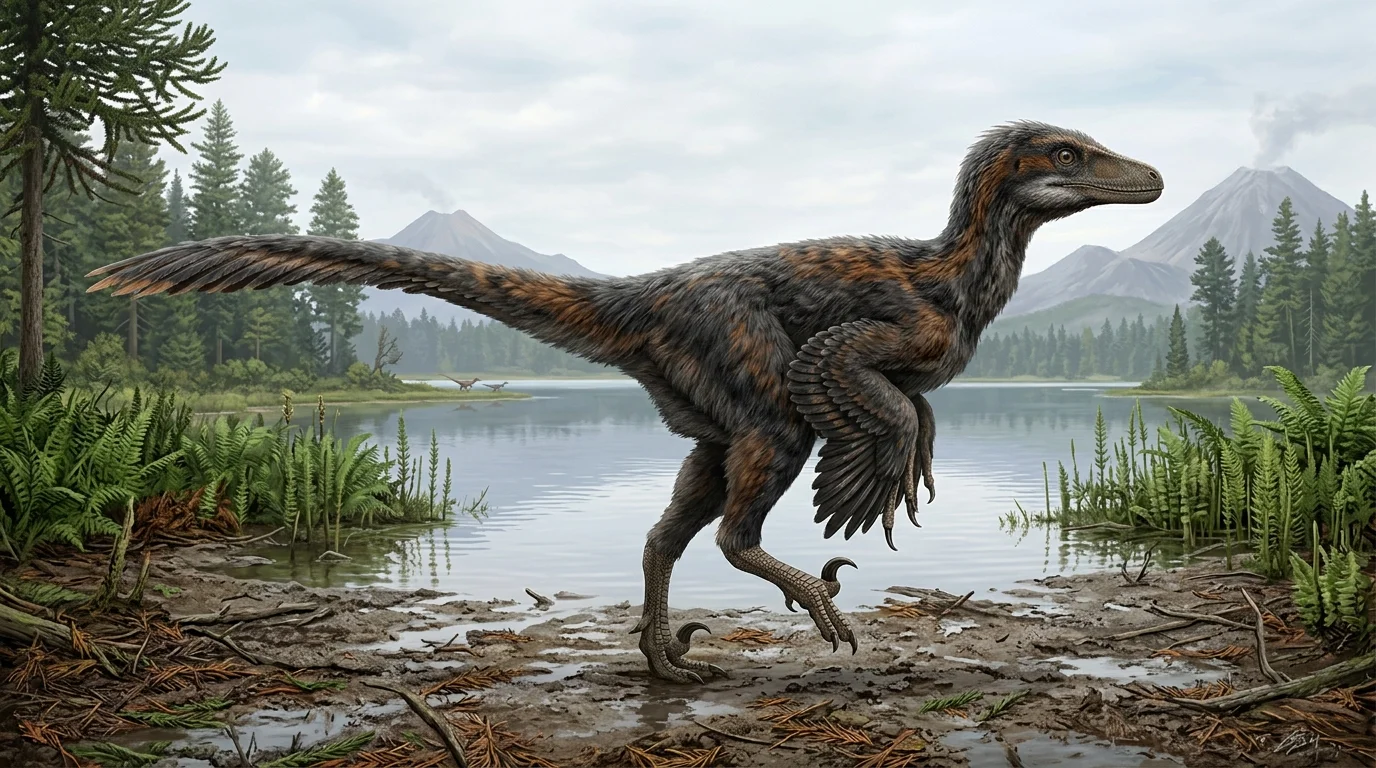
TheropodaDeinonychus antirrhopus Ostrom, 1969
The agile dromaeosaurid whose discovery catalyzed the modern Dinosaur Renaissance and established the dinosaur-bird evolutionary link.
CeratopsiaDiabloceratops eatoni Kirkland & DeBlieux, 2010
The 'devil-horned face', a basal centrosaurine featuring long curved brow horns and majestic frill spikes.
SauropodomorphaDreadnoughtus schrani Lacovara et al., 2014
The 'fearing nothing' super-titanosaur from Argentina, with the most complete skeleton of any giant titanosaur.
TheropodaDromaeosaurus albertensis Matthew & Brown, 1922
The namesake of the dromaeosaurid family, possessing a robust skull and crushing bite force for its size.
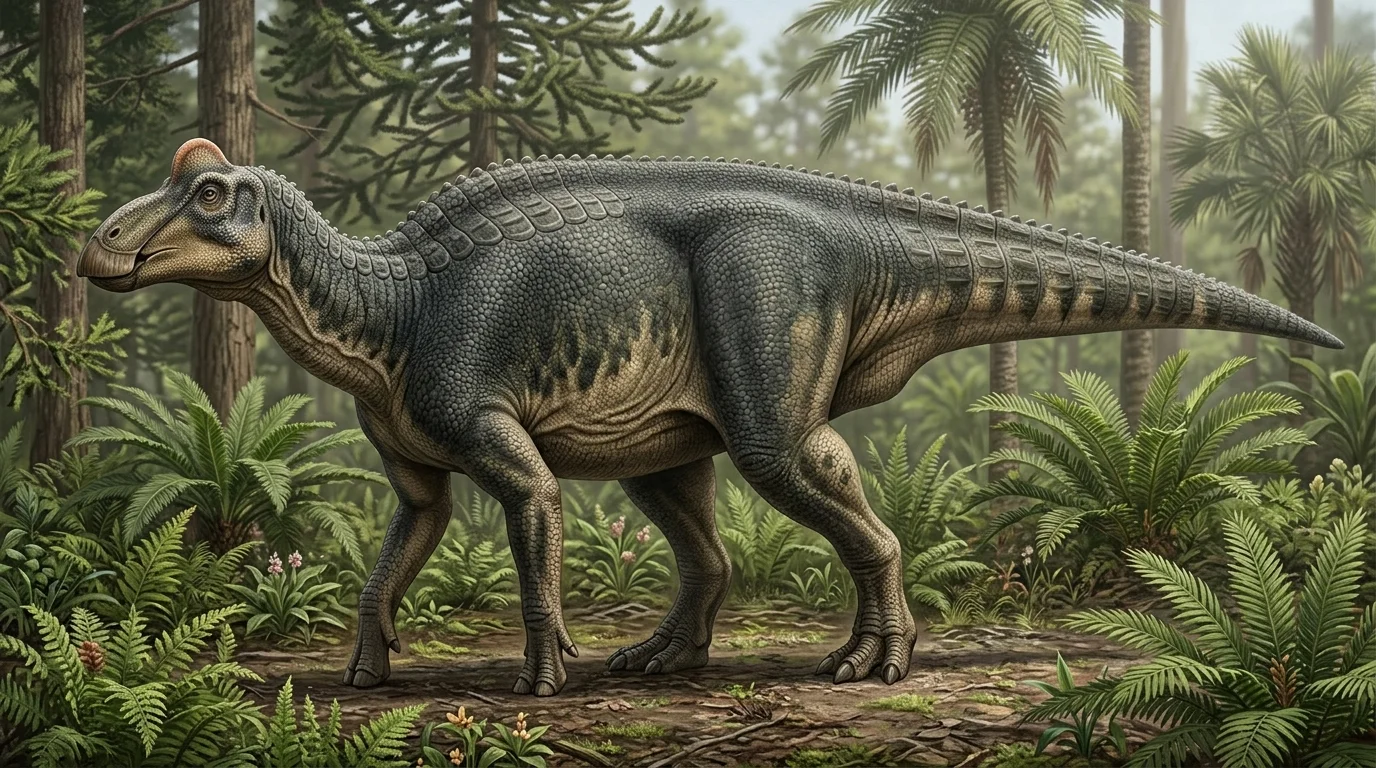
OrnithopodaEdmontosaurus regalis Lambe, 1917
A colossal duck-billed hadrosaurid that was the primary herbivore of Late Cretaceous North America.
AnkylosauriaEuoplocephalus tutus Lambe, 1910
A heavily armored, tank-like ankylosaurid with armored eyelids and a massive bone-crushing tail club.
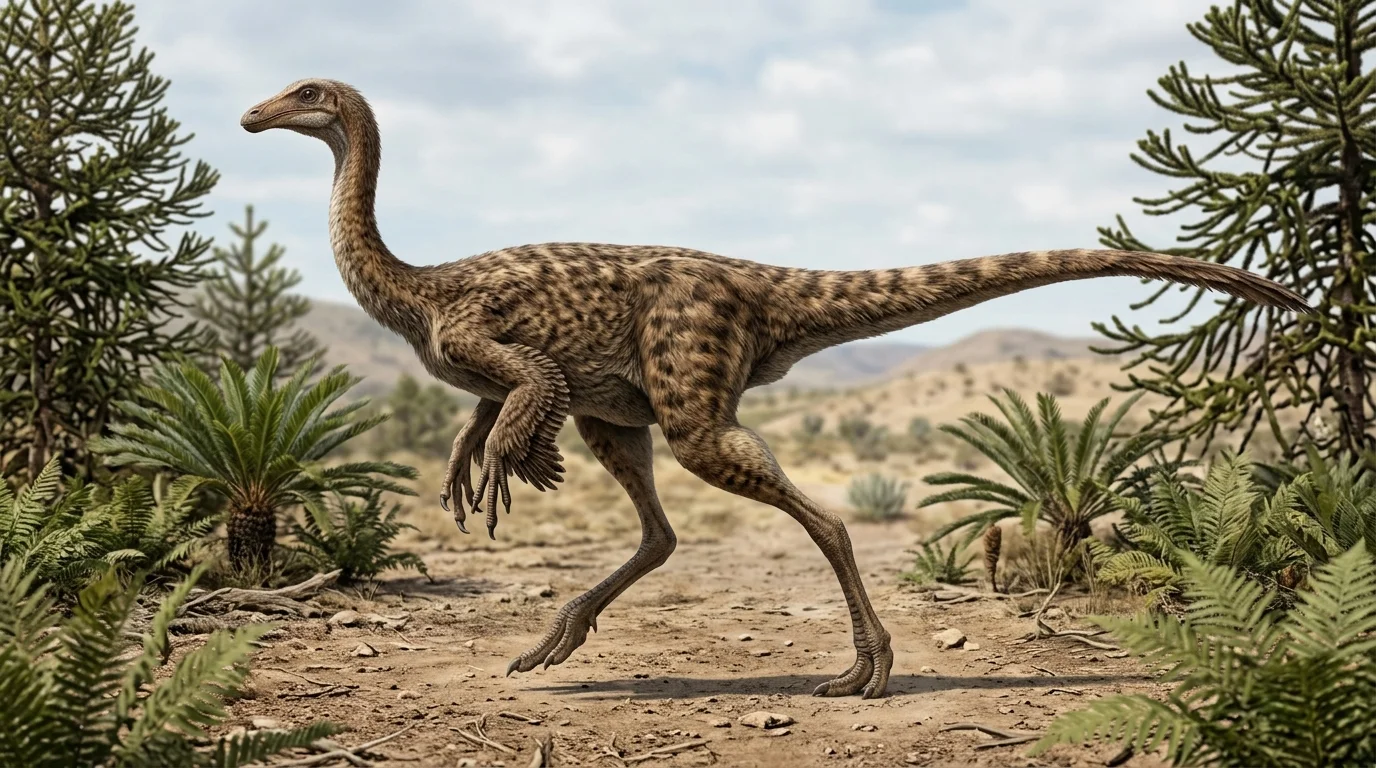
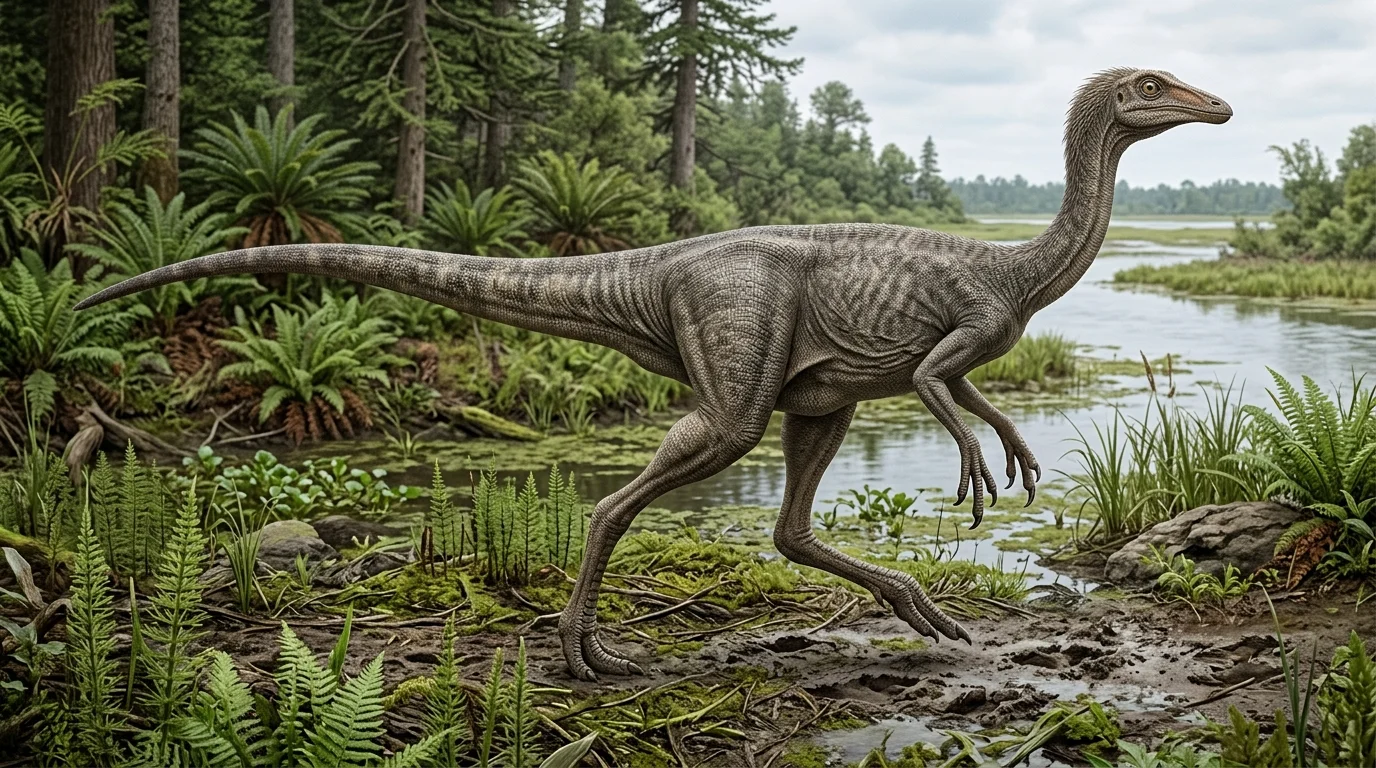
TheropodaGallimimus bullatus Osmólska et al., 1972
The largest known ornithomimid 'ostrich dinosaur', famous for its immense running speed across ancient Mongolia.
TheropodaGiganotosaurus carolinii Coria & Salgado, 1995
A titanic South American carcharodontosaurid apex carnivore rivaling Tyrannosaurus in overall body length.
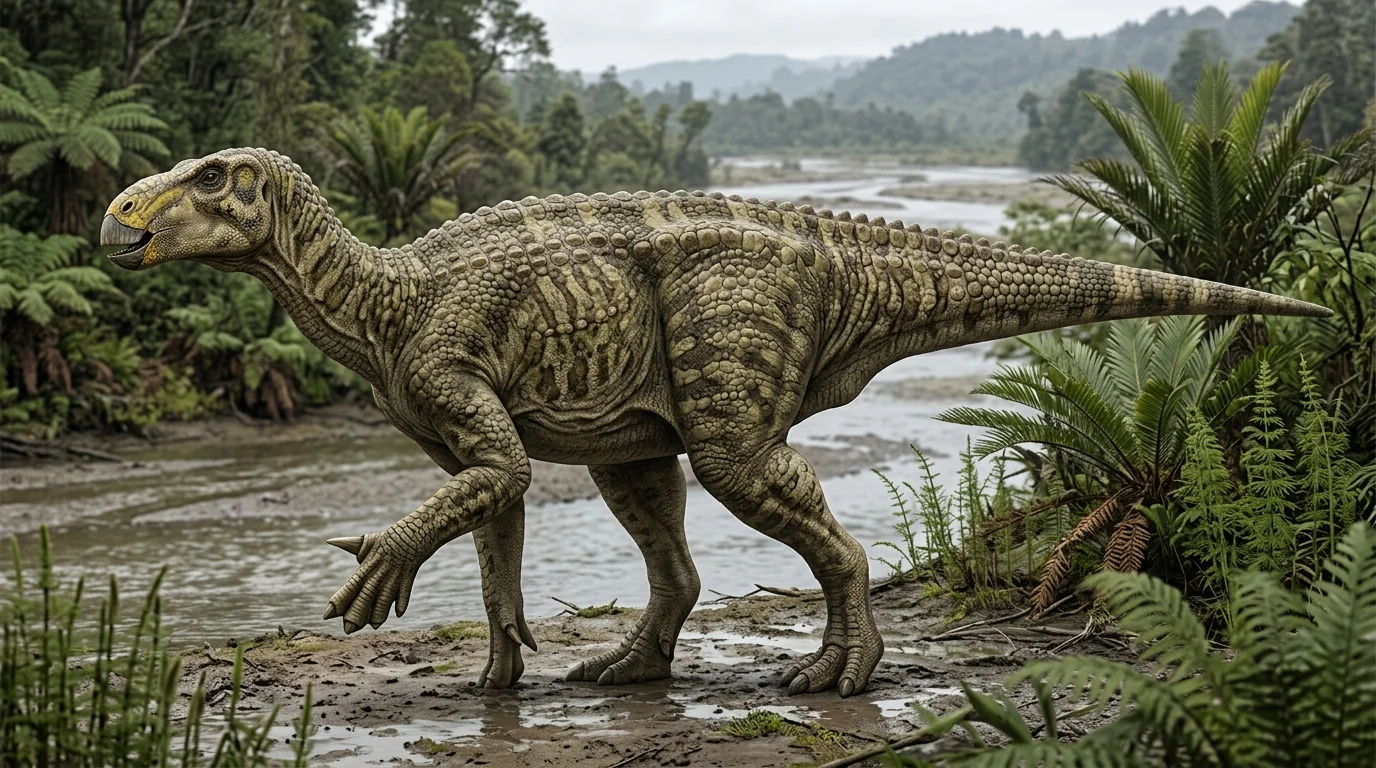
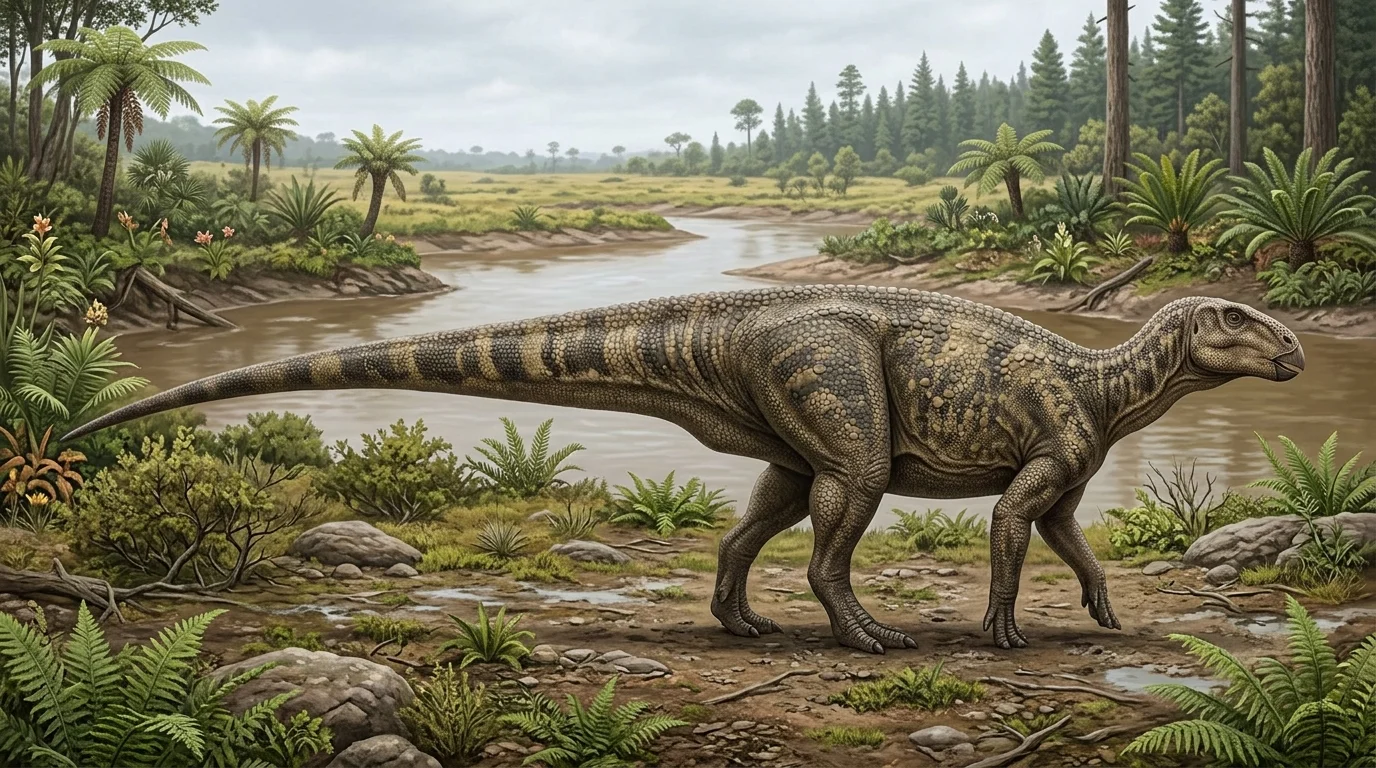
OrnithopodaIguanodon bernissartensis Boulenger, 1881
A foundational Early Cretaceous ornithopod possessing a specialized conical thumb spike and facultative quadrupedal gait.
OrnithopodaMaiasaura peeblesorum Horner & Makela, 1979
The 'good mother lizard', the first dinosaur proven to provide intensive parental care to its hatched young.
TheropodaMajungasaurus crenatissimus Lavocat, 1955
A stocky, cannibalistic abelisaurid from Late Cretaceous Madagascar sporting a single midline horn on its skull.
TheropodaMapusaurus roseae Coria & Currie, 2006
A colossal South American carcharodontosaurid discovered in a massive multi-individual bonebed.
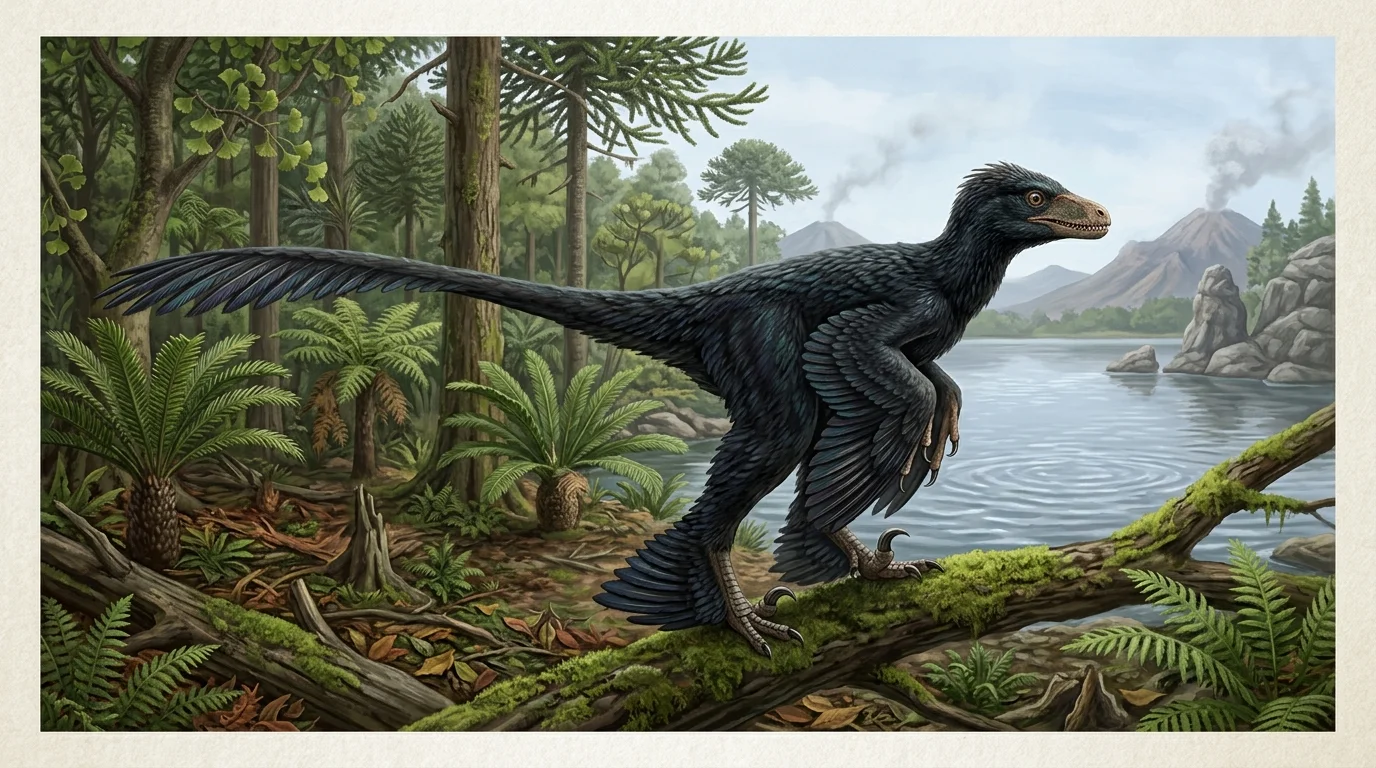
TheropodaMicroraptor zhaoianus Xu et al., 2000
A four-winged, iridescent feathered dromaeosaurid that glided through Early Cretaceous Chinese forests.
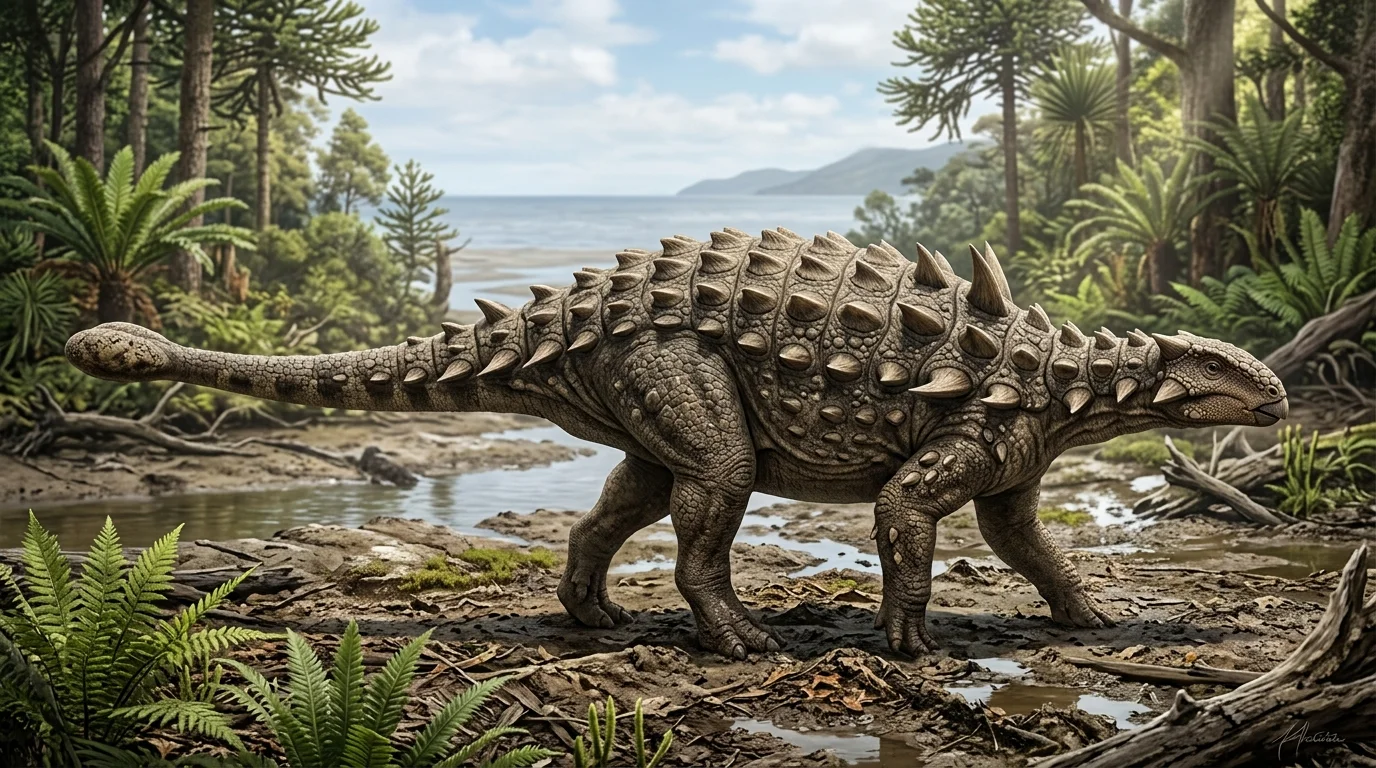
AnkylosauriaMinmi paravertebra Molnar, 1980
A small, agile Australian ankylosaur featuring unique horizontal 'paravertebra' bone plates along its spine.
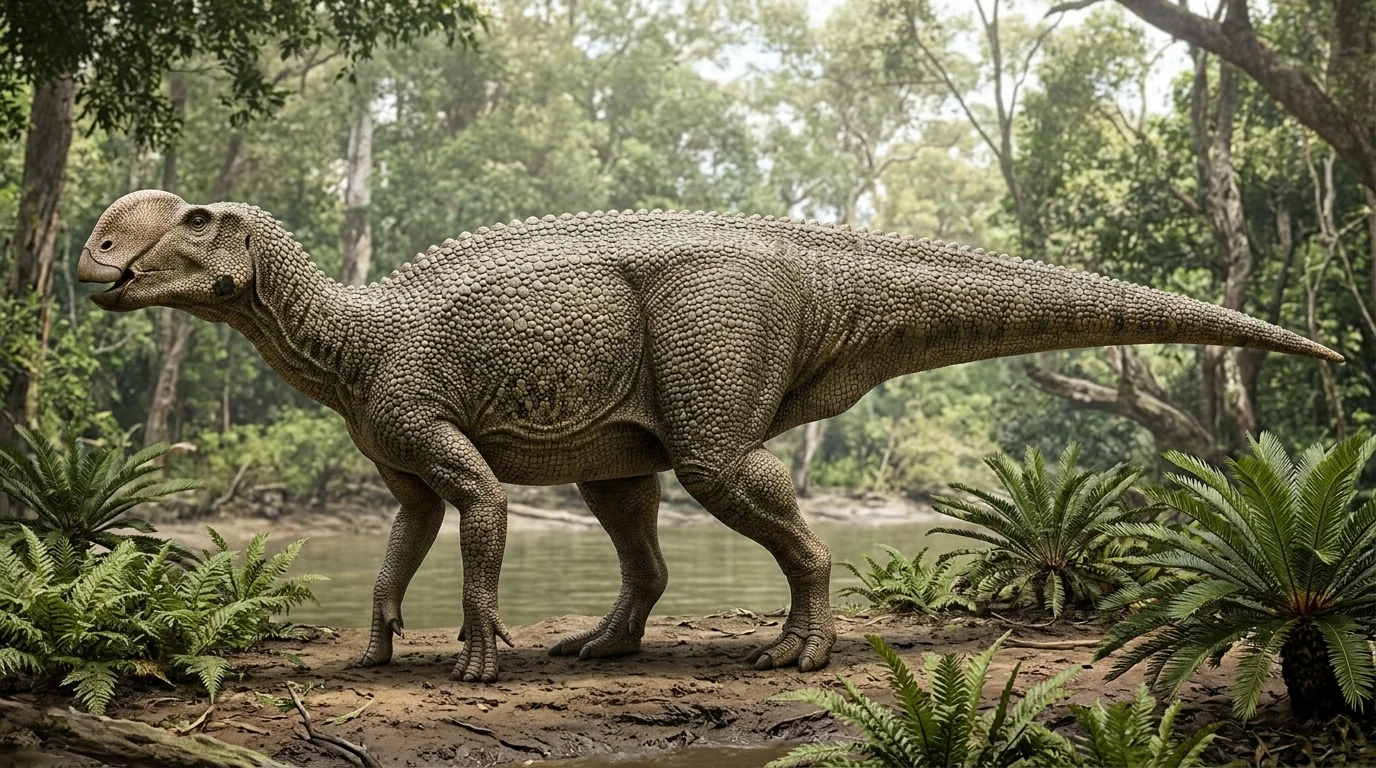
OrnithopodaMuttaburrasaurus langdoni Bartholomai & Molnar, 1981
A large Australian ornithopod equipped with a prominent bulbous, hollow nasal muzzle for vocal displays.
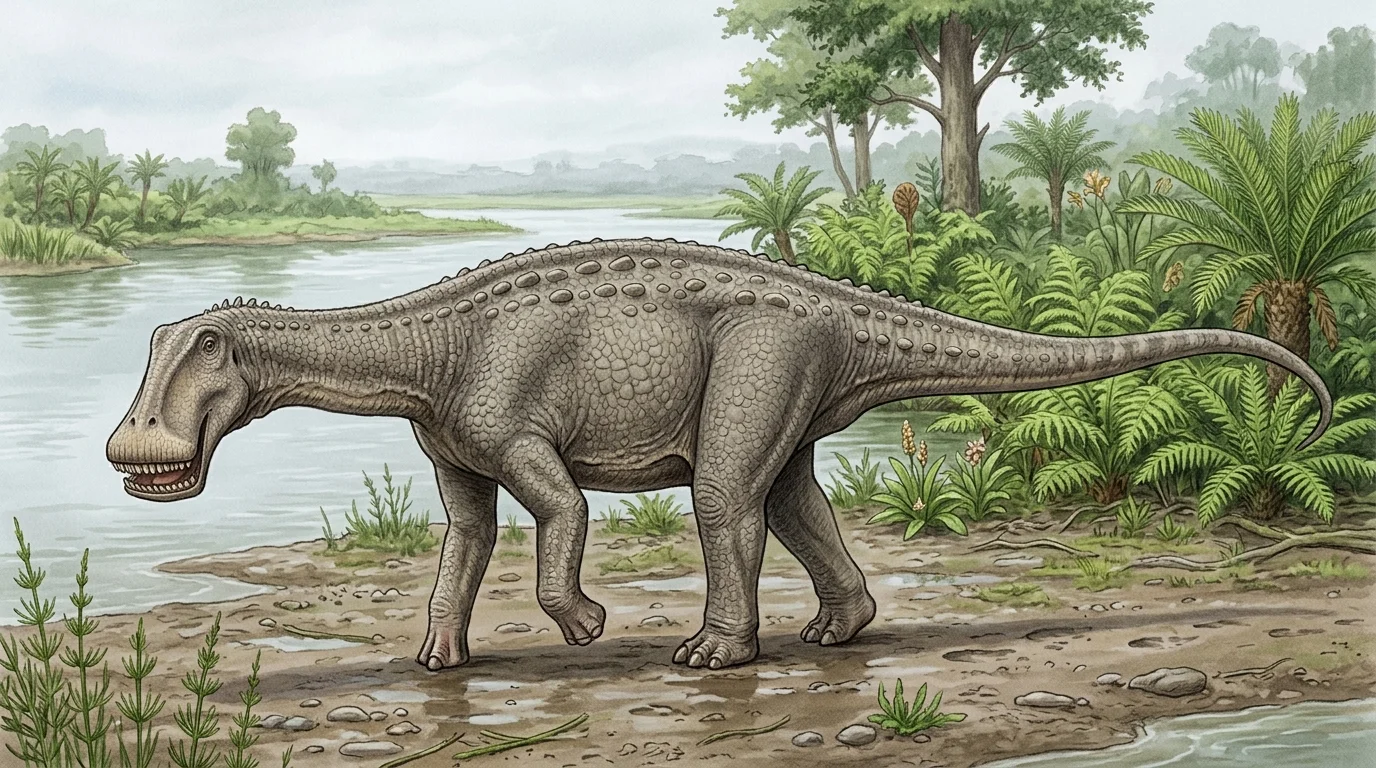
SauropodomorphaNigersaurus taqueti Sereno et al., 1999
The 'Mesozoic lawnmower', a specialized sauropod with a wide, straight-edged mouth and 500 replaceable teeth.
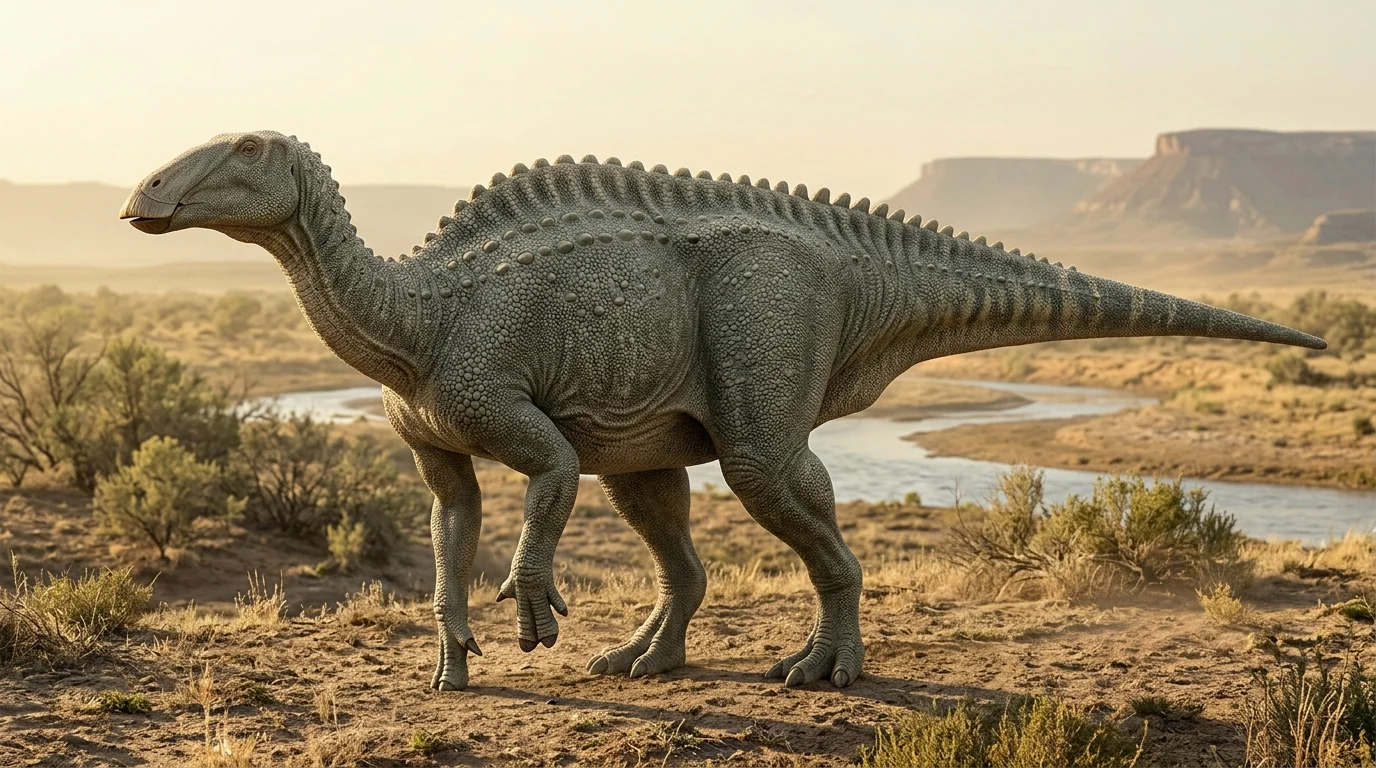
OrnithopodaOuranosaurus nigeriensis Taquet, 1976
The 'brave lizard', an unusual African iguanodontian bearing a high dorsal sail and camel-like fat hump.
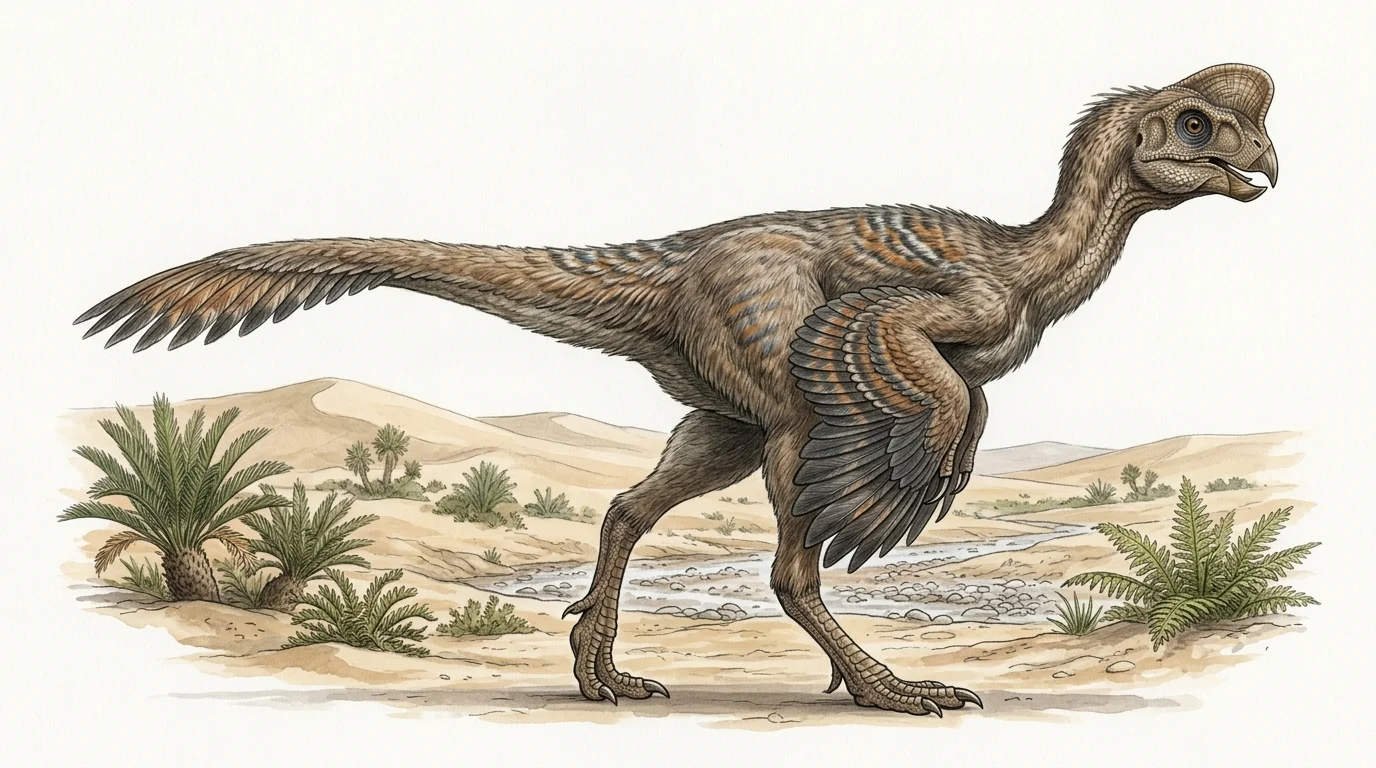
TheropodaOviraptor philoceratops Osborn, 1924
The famously misnamed 'egg thief' from the Gobi Desert that was actually a devoted parent brooding its own nest.
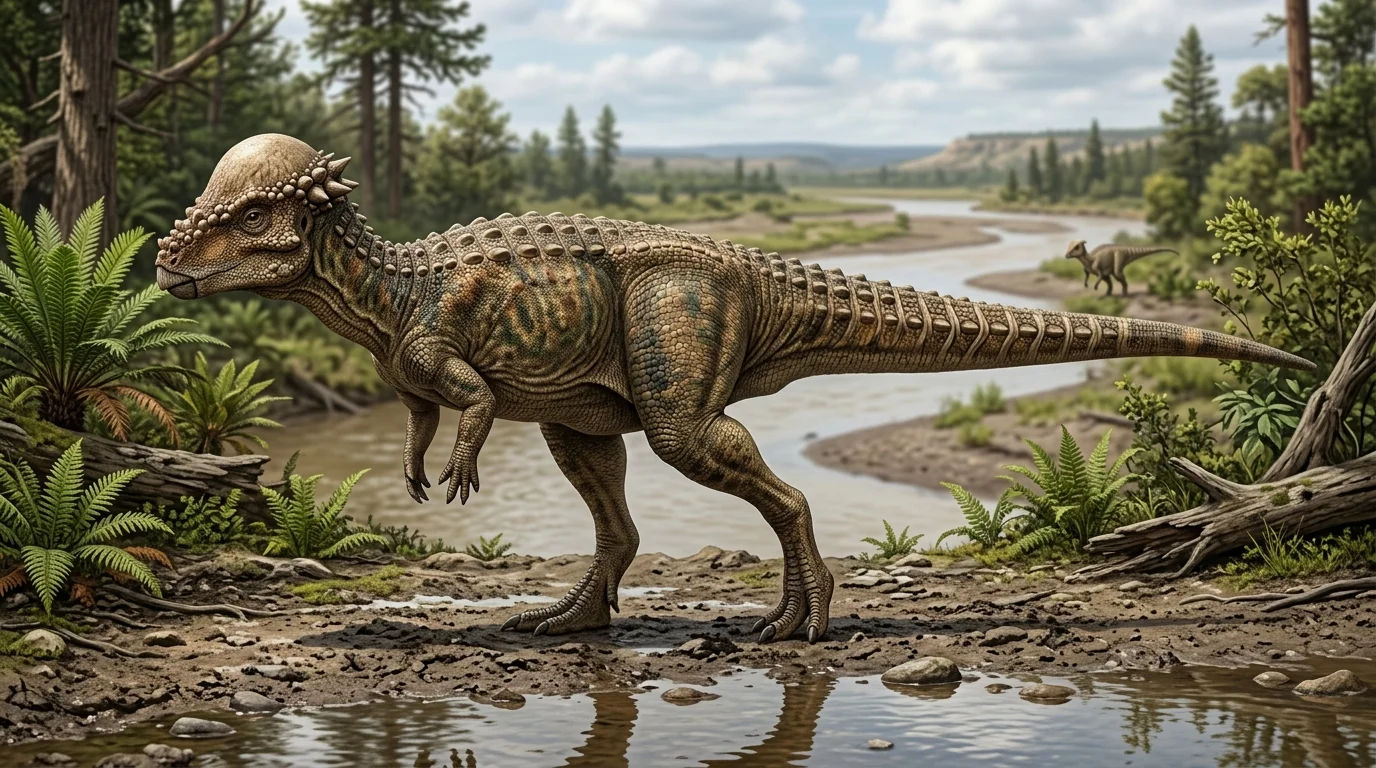
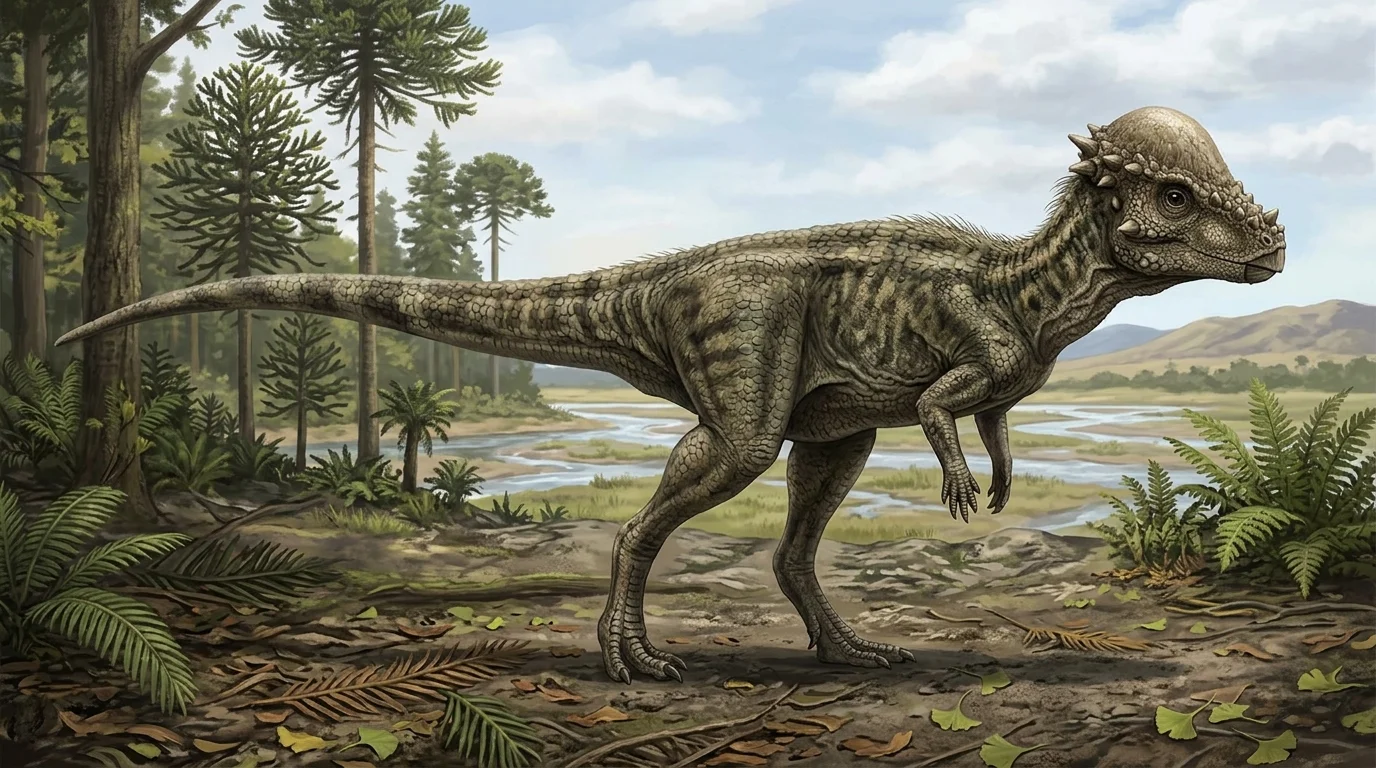
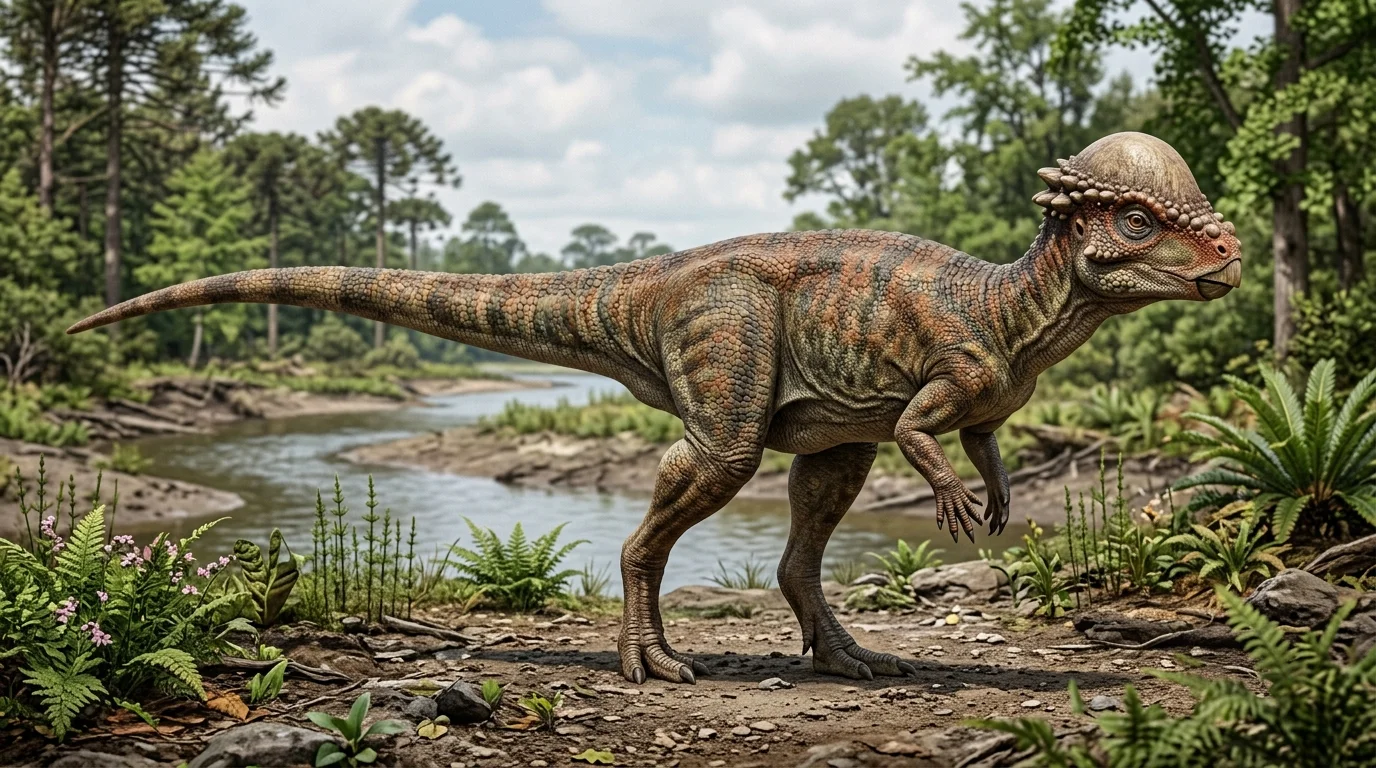
PachycephalosauriaPachycephalosaurus wyomingensis Gilmore, 1931
A bipedal ornithischian known for its 25-centimeter thick solid bone skull dome surrounded by bony knobs and spikes.
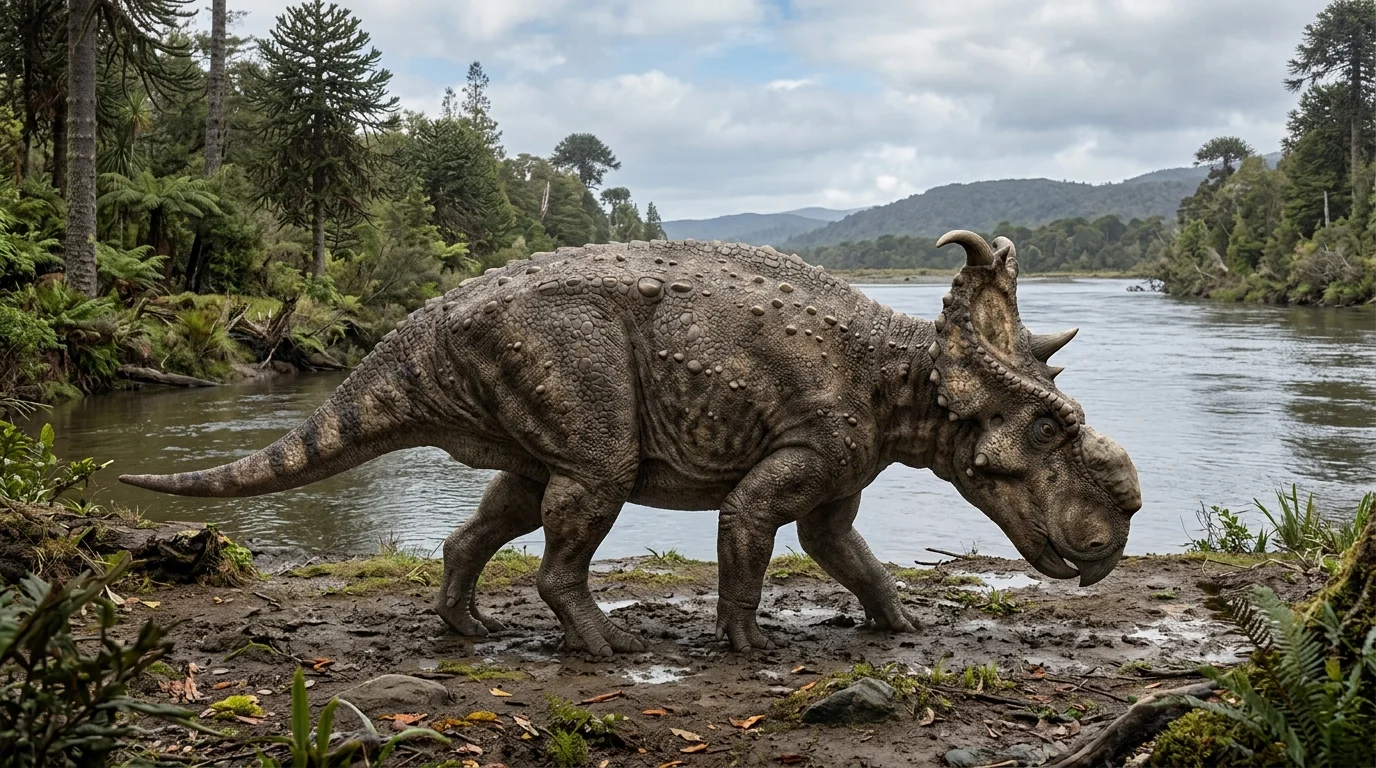
CeratopsiaPachyrhinosaurus canadensis Sternberg, 1950
The 'thick-nosed lizard', an Arctic-adapted ceratopsid that replaced horns with massive bony bosses.
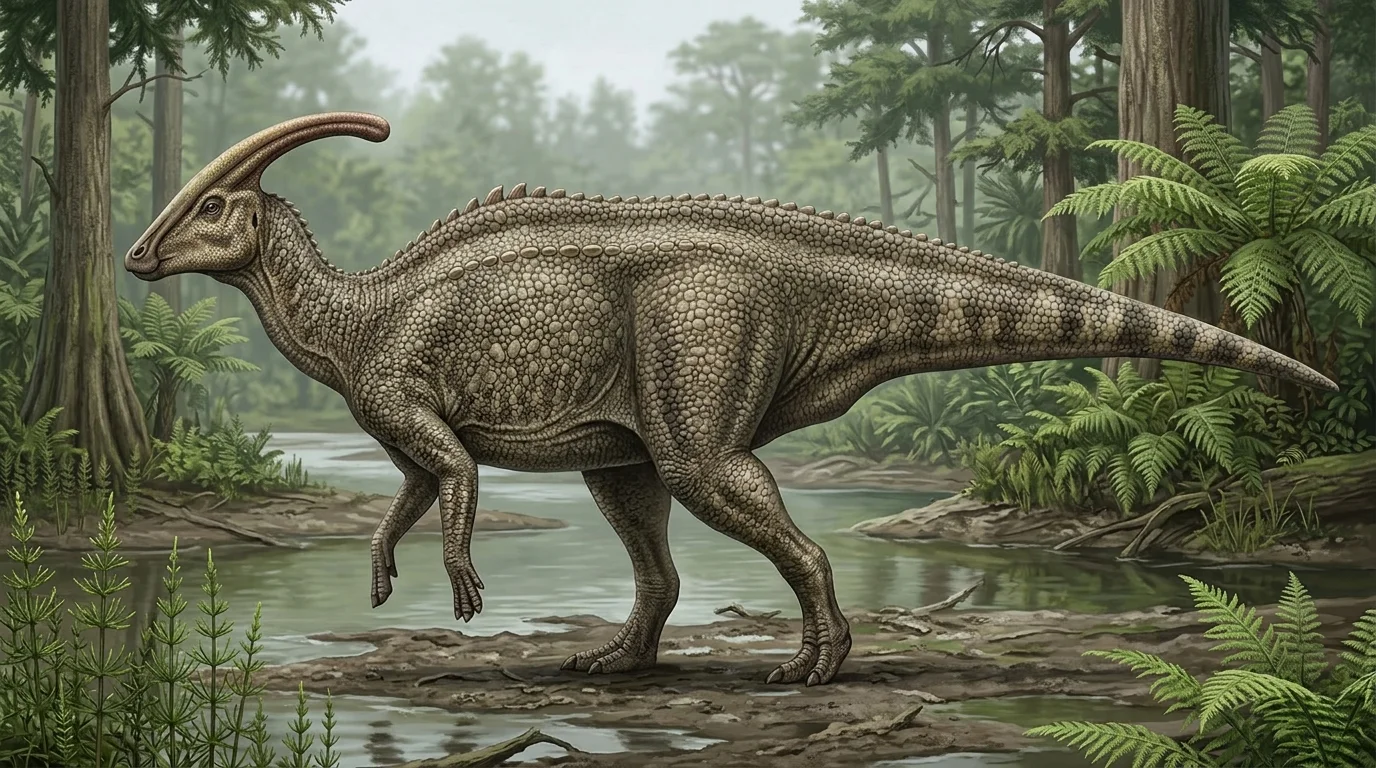
OrnithopodaParasaurolophus walkeri Parks, 1922
A crested hadrosaurid dinosaur renowned for its elongated, hollow cranial crest used for acoustic resonance and visual signaling.
SauropodomorphaPatagotitan mayorum Carballido et al., 2017
One of the most colossal land animals ever discovered, reaching 37 meters in length and weighing over 55 metric tons.
PachycephalosauriaPrenocephale prenes Maryańska & Osmólska, 1974
A complete, high-domed pachycephalosaur from the Late Cretaceous Nemegt Basin of Mongolia.
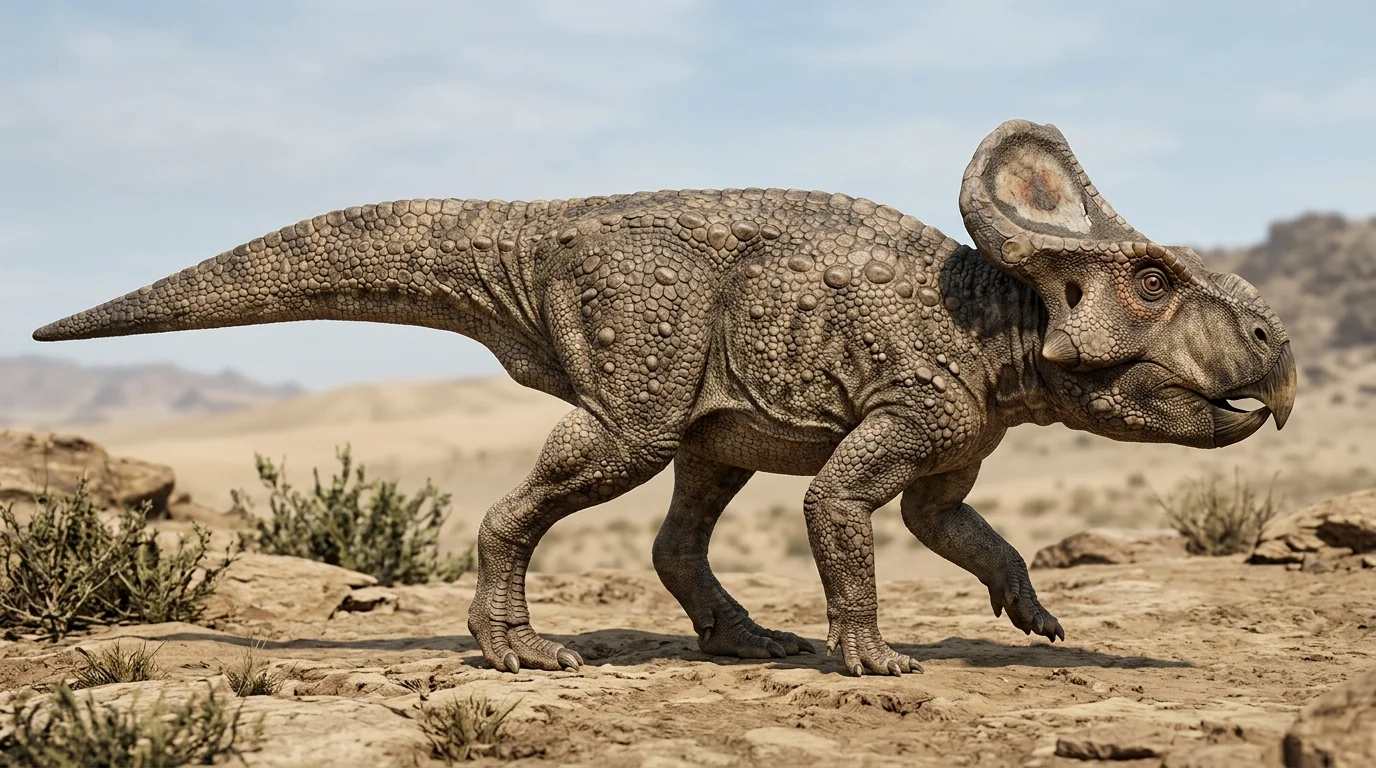
CeratopsiaProtoceratops andrewsi Granger & Gregory, 1923
A sheep-sized, hornless horned dinosaur that roamed the sand dunes of the Late Cretaceous Gobi Desert.
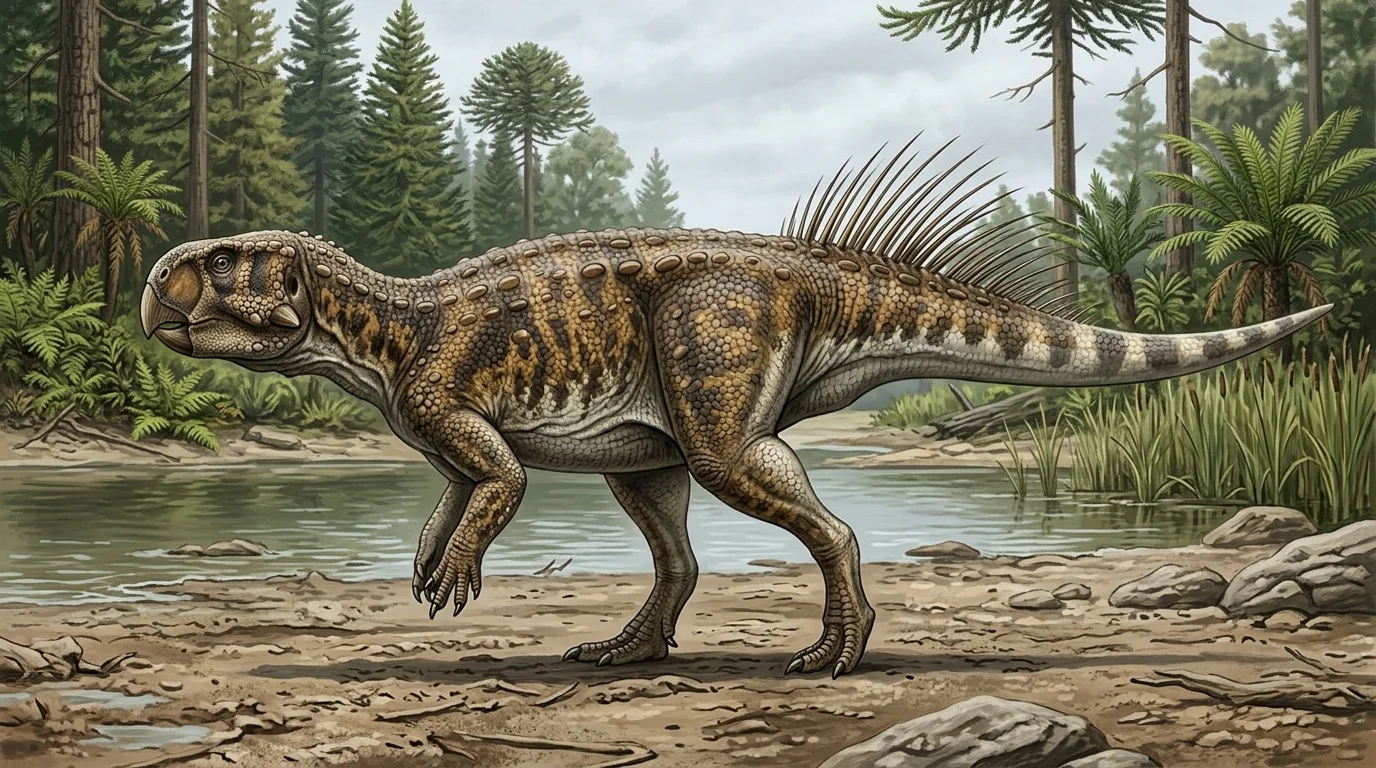
CeratopsiaPsittacosaurus mongoliensis Osborn, 1923
The 'parrot lizard', a prolific basal ceratopsian known for its high-crowned beak and tail bristles.
TheropodaSinornithosaurus millenii Xu et al., 1999
A feathered basal dromaeosaurid from China with remarkable cranial and dental specializations.
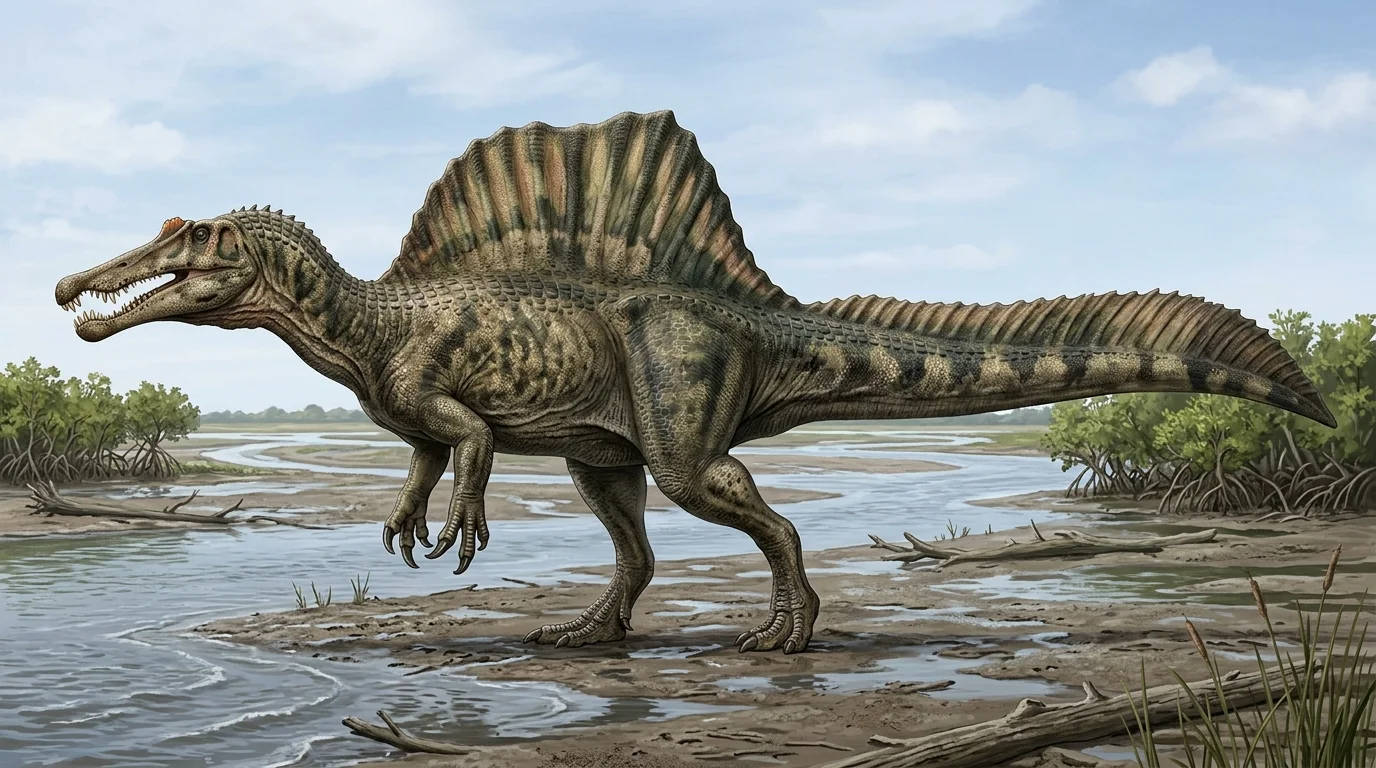
Featured SpecimenTheropodaSpinosaurus aegyptiacus Stromer, 1915
A giant sail-backed theropod possessing anatomical specializations associated with riparian ecosystems, with its aquatic locomotion subject to ongoing scientific debate.
PachycephalosauriaStegoceras validum Lambe, 1902
A small, bipedal pachycephalosaur from Alberta featuring an extremely thick, solid skull dome.
TheropodaStruthiomimus altus Lambe, 1902
An agile, ostrich-mimic theropod that sprinted across Late Cretaceous western North America.
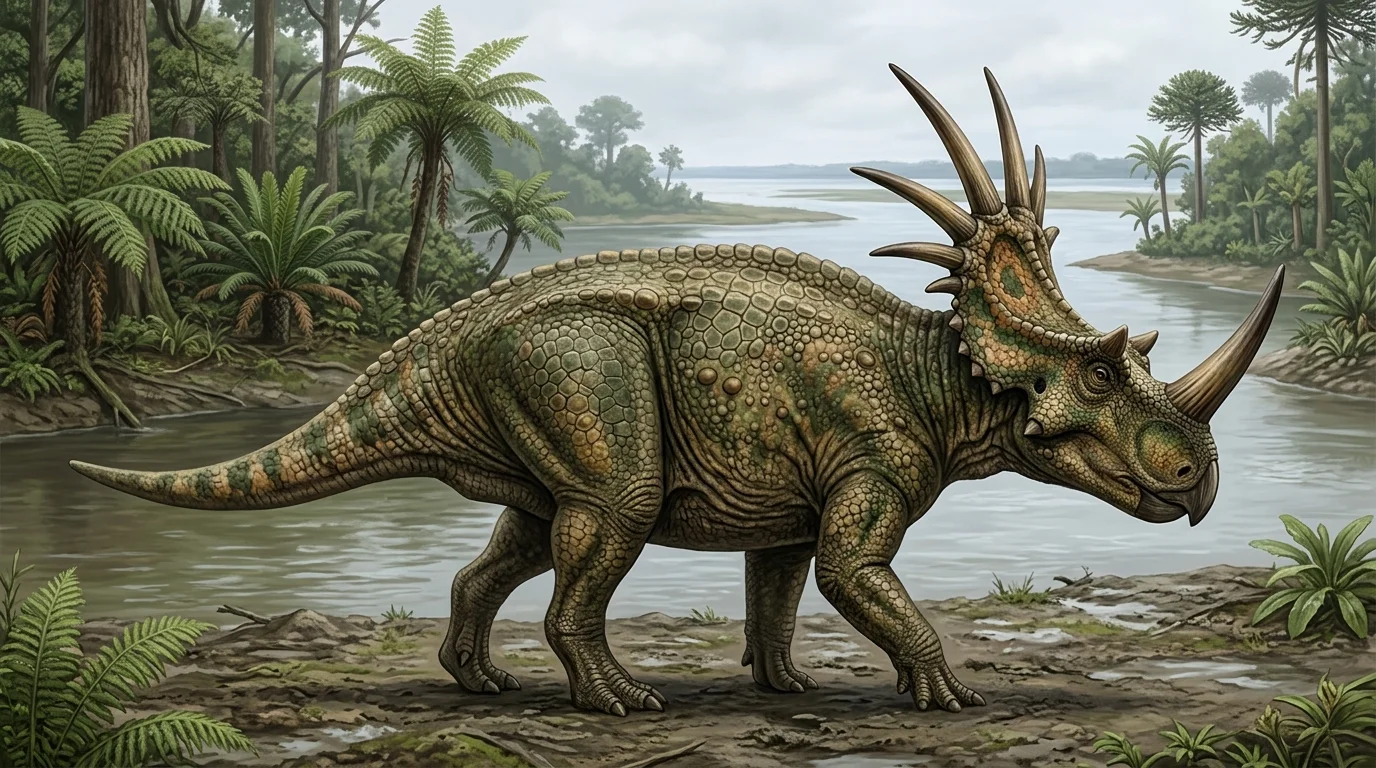
CeratopsiaStyracosaurus albertensis Lambe, 1913
A dramatic centrosaurine ceratopsian of Late Cretaceous Canada bearing a single long nasal horn and six long frill spikes.
TheropodaSuchomimus tenerensis Sereno et al., 1998
A massive spinosaurid predator with crocodile-like jaws and a low dorsal sail that stalked Cretaceous Niger.
TheropodaTarbosaurus bataar Maleev, 1955
The Asian sister taxon to T. rex, an apex tyrannosaurid macropredator of the Late Cretaceous Nemegt Basin.
OrnithopodaTenontosaurus tilletti Ostrom, 1970
A muscular Early Cretaceous ornithopod with an exceptionally long, deep tail, famous as the prey of Deinonychus.
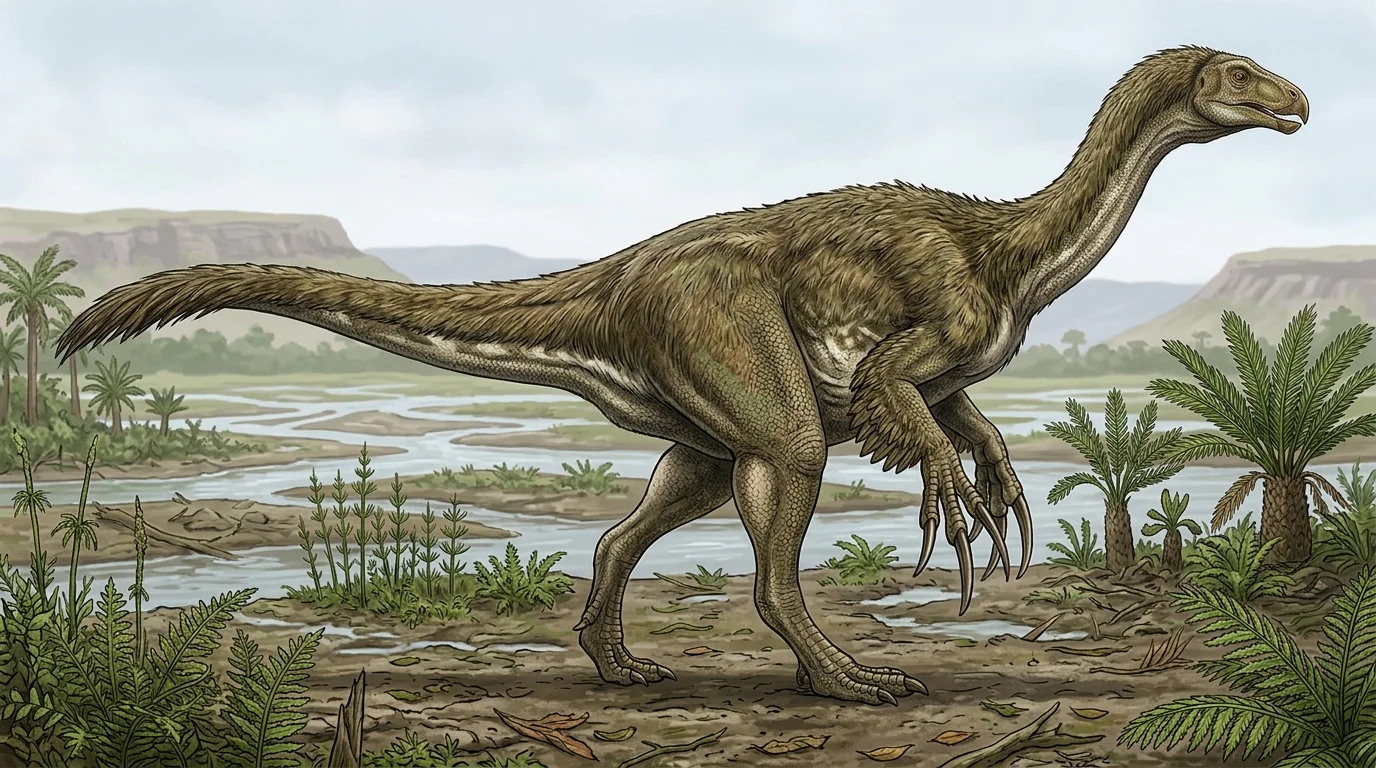
Featured SpecimenTheropodaTherizinosaurus cheloniformis Maleev, 1954
A bizarre herbivorous theropod of Late Cretaceous Mongolia bearing the longest claws of any known animal—up to 1 meter in length.
CeratopsiaTorosaurus latus Marsh, 1891
A Late Cretaceous ceratopsid that possessed one of the largest and longest skulls of any land animal in history.
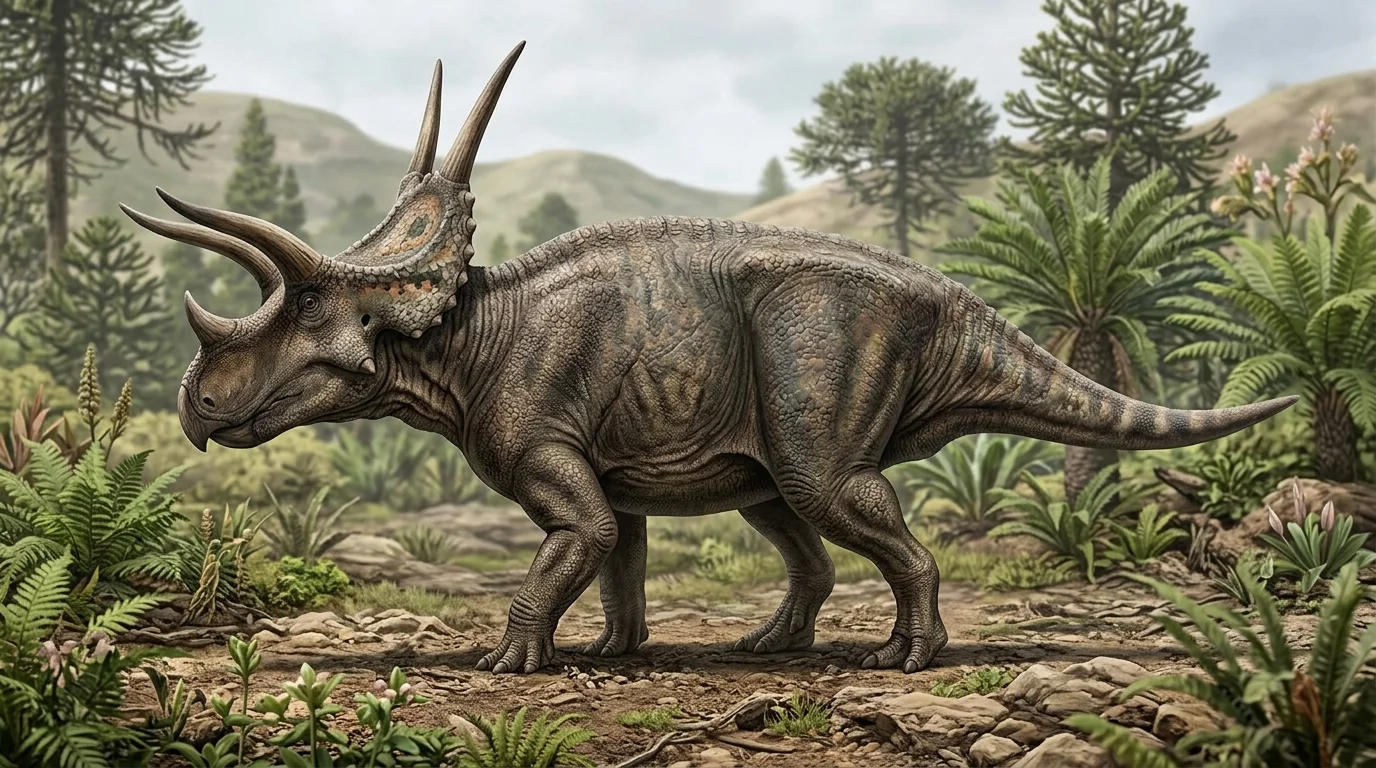
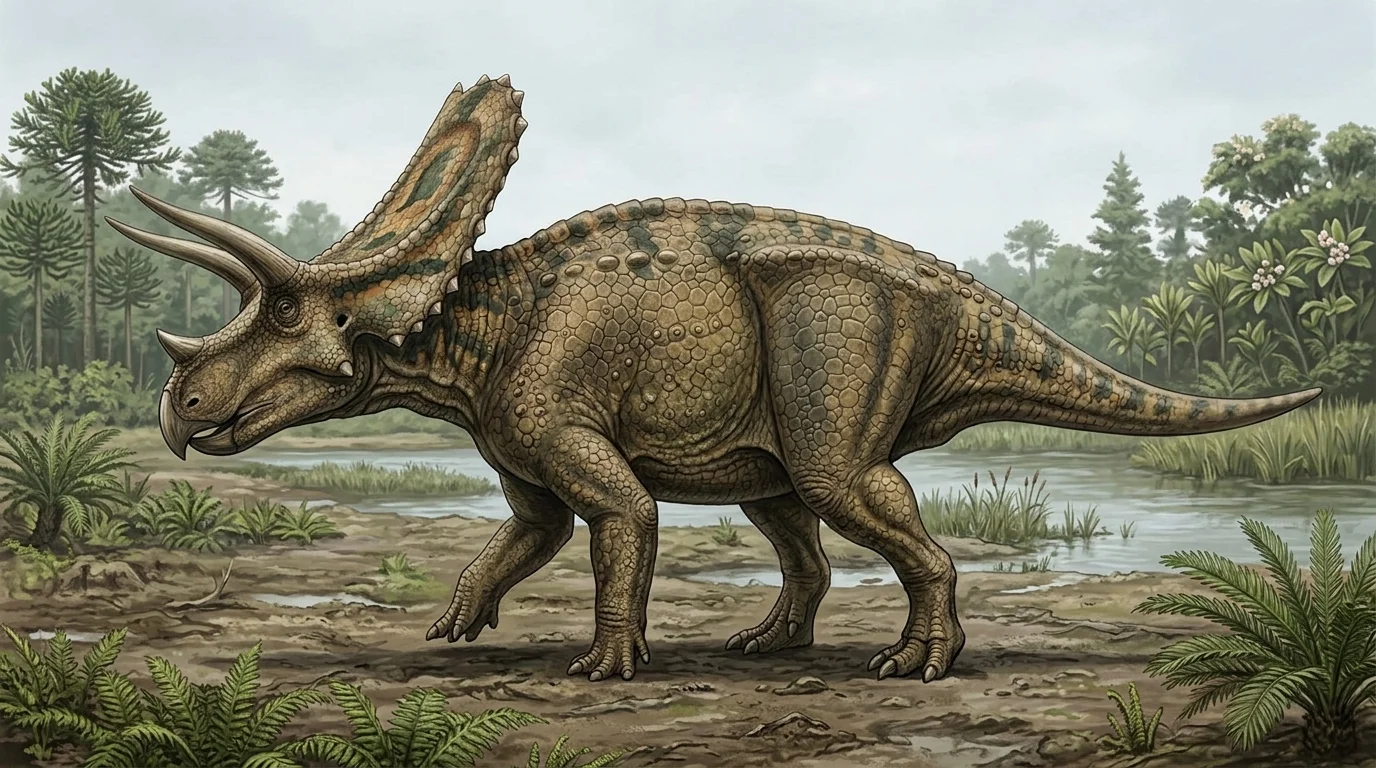
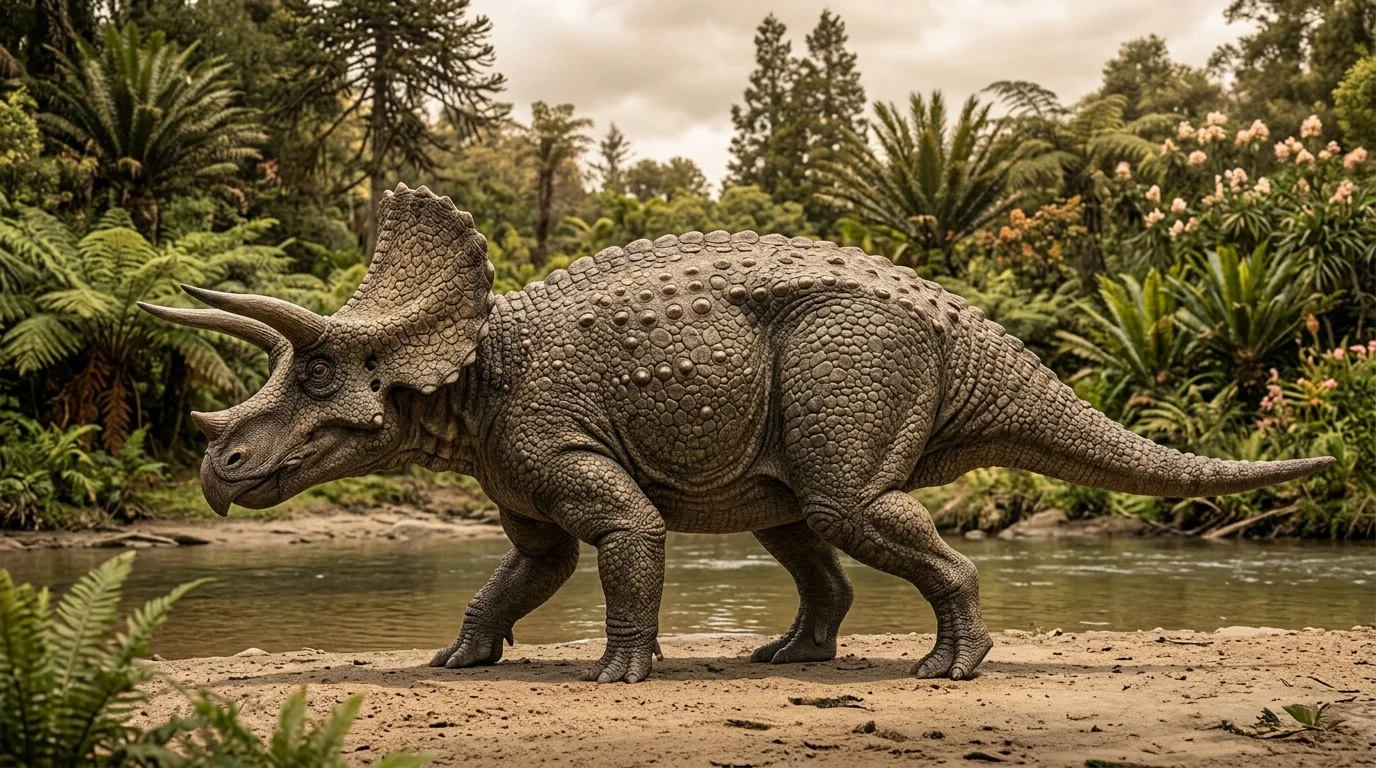
Featured SpecimenCeratopsiaTriceratops horridus Marsh, 1889
A colossal three-horned ceratopsian dinosaur of the Late Cretaceous with a solid parietal-squamosal bone frill.
TheropodaTroodon formosus Leidy, 1856
A small, large-brained Late Cretaceous theropod with acute stereoscopic vision and large eyes.
Featured SpecimenTheropodaTyrannosaurus rex Osborn, 1905
The apex macropredator of Late Cretaceous western North America, possessing bone-crushing jaws and acute stereoscopic vision.
TheropodaUtahraptor ostrommaysi Kirkland et al., 1993
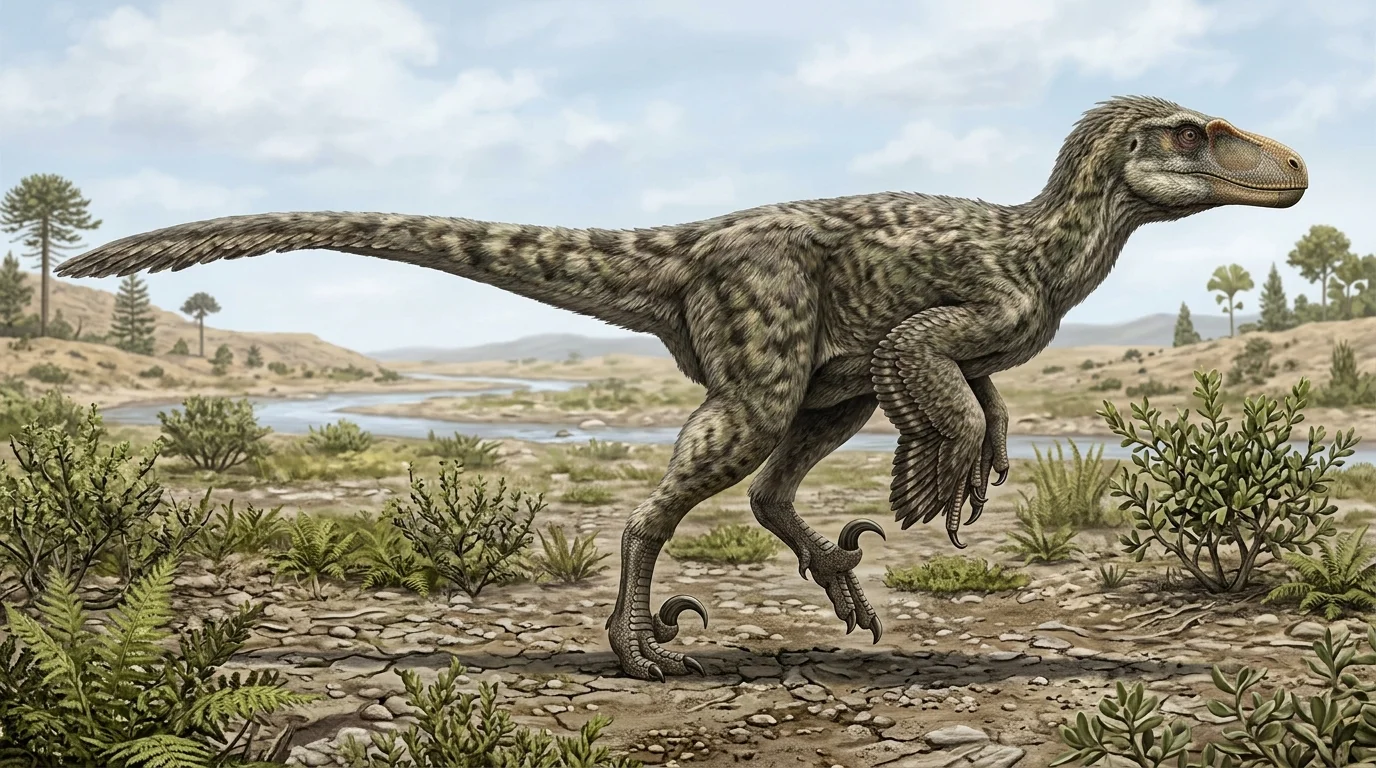
The colossal king of the dromaeosaurids, a 6-meter, half-ton apex ambush predator with 24-centimeter foot claws.
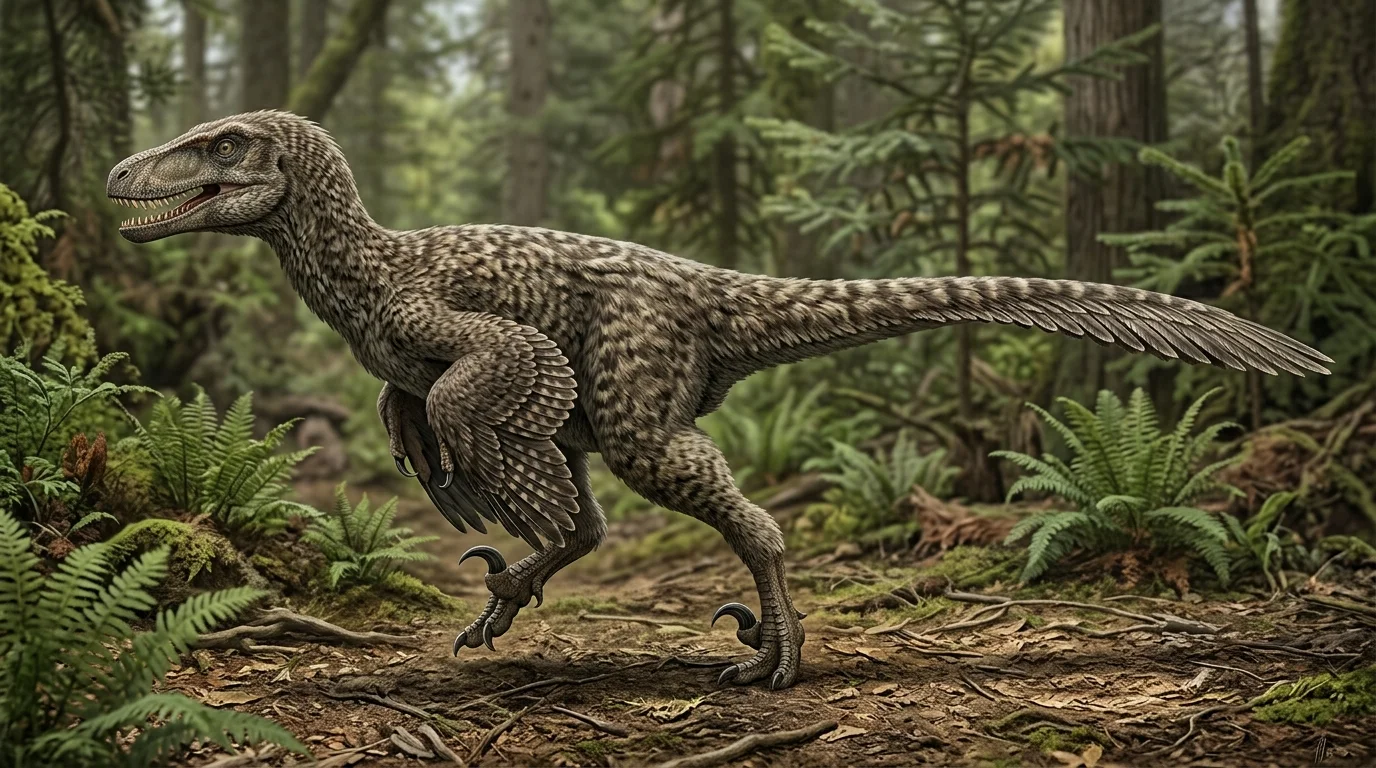
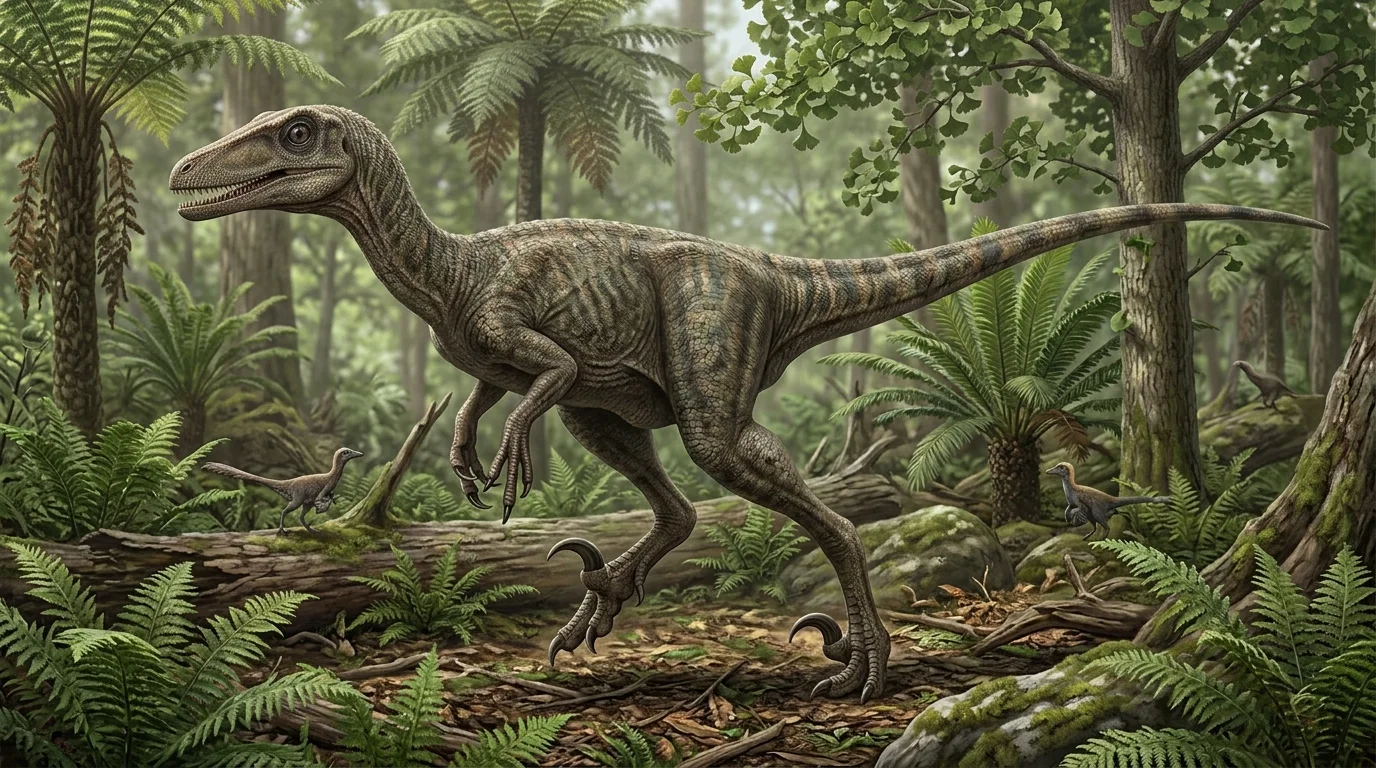
Featured SpecimenTheropodaVelociraptor mongoliensis Osborn, 1924
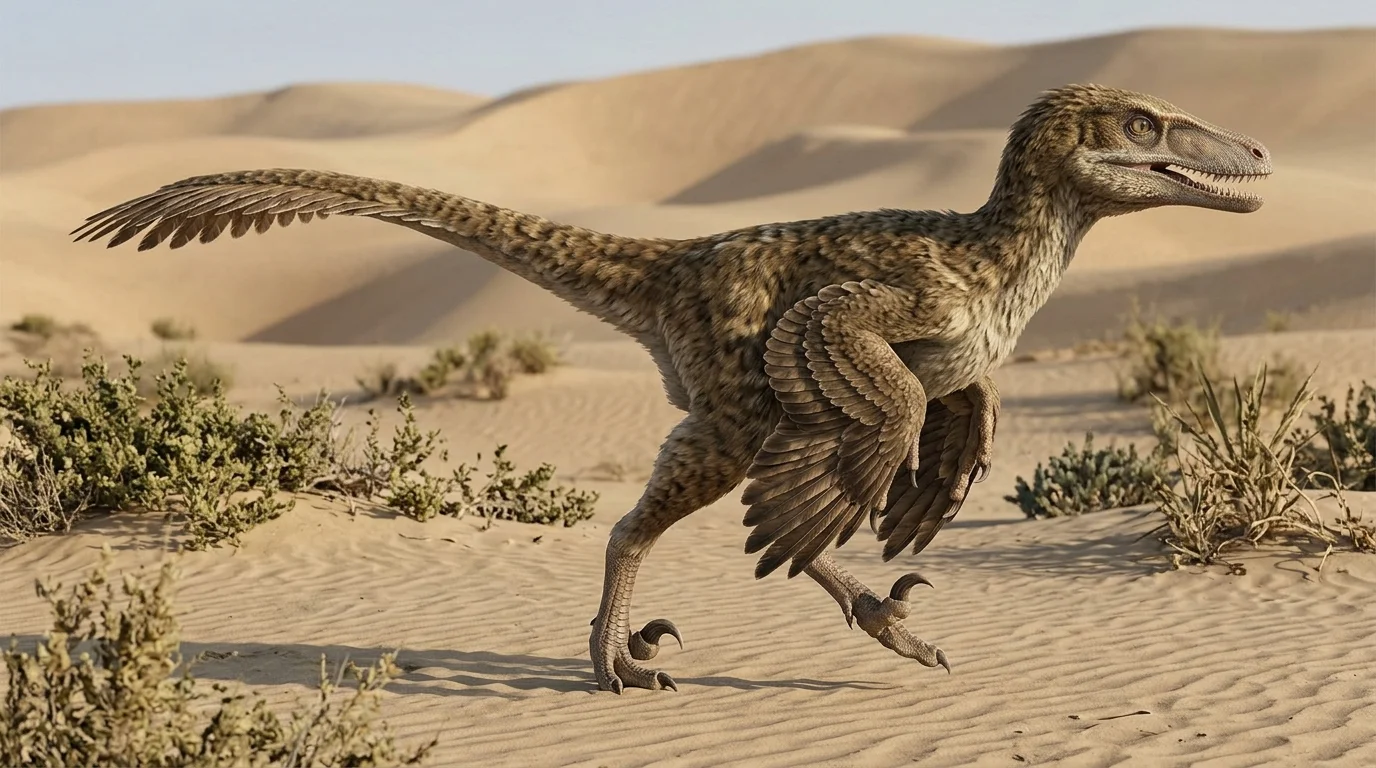
A turkey-sized, feathered dromaeosaurid predator of the Late Cretaceous Gobi Desert, armed with specialized sickle claws.