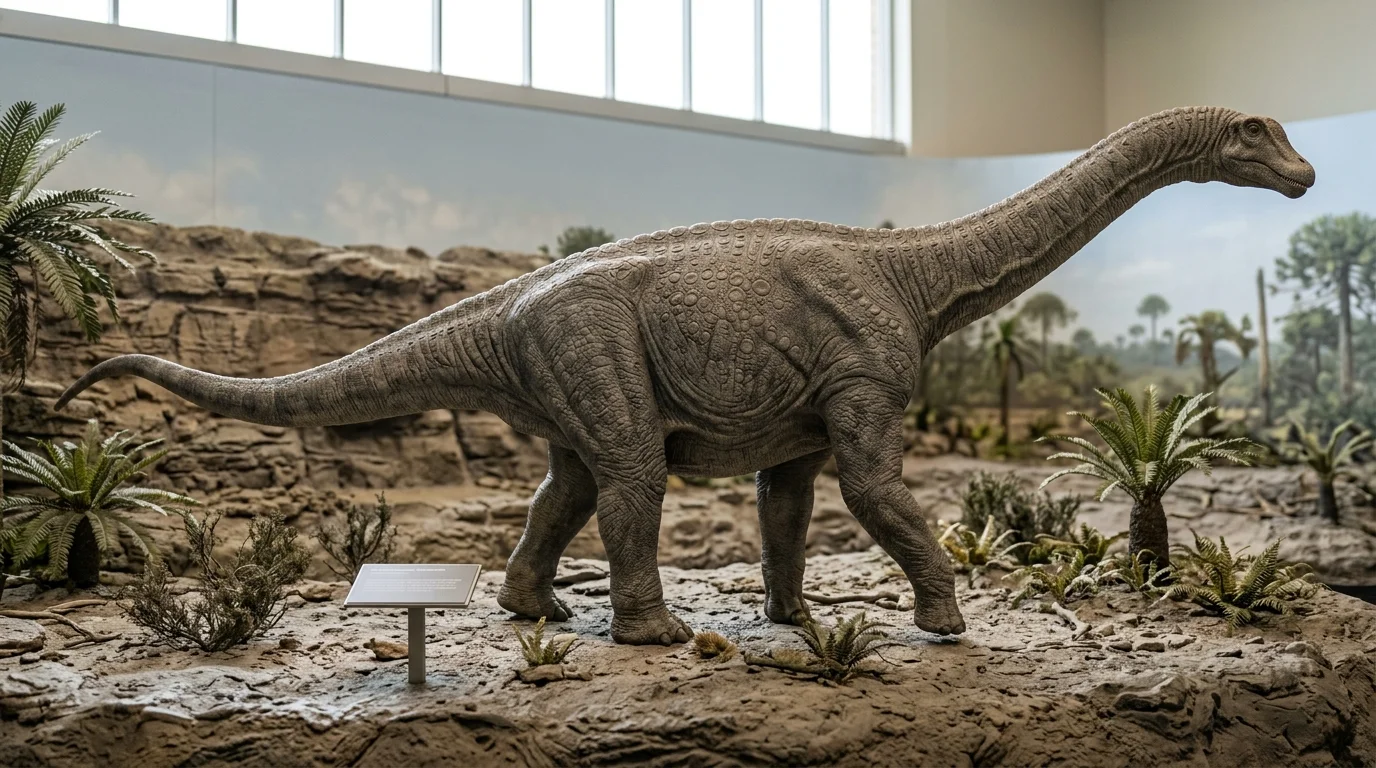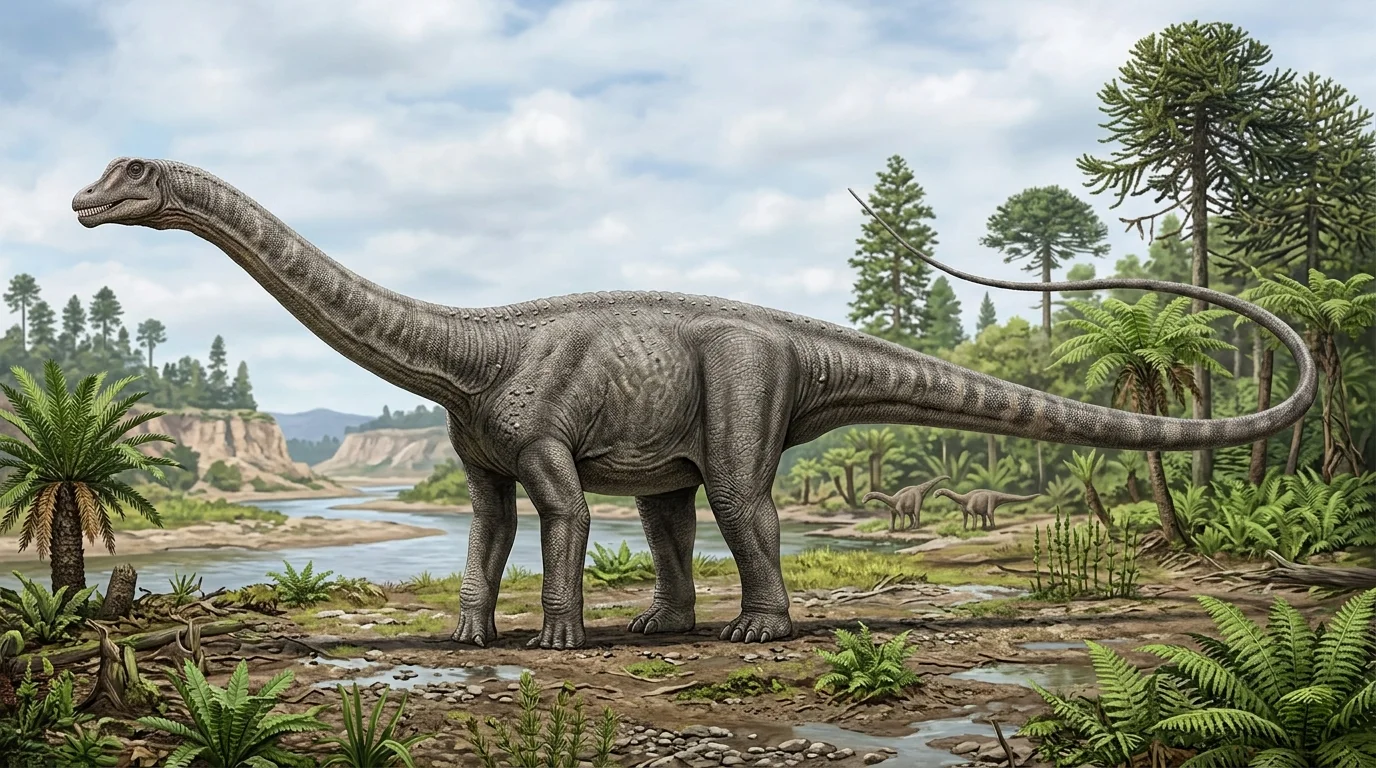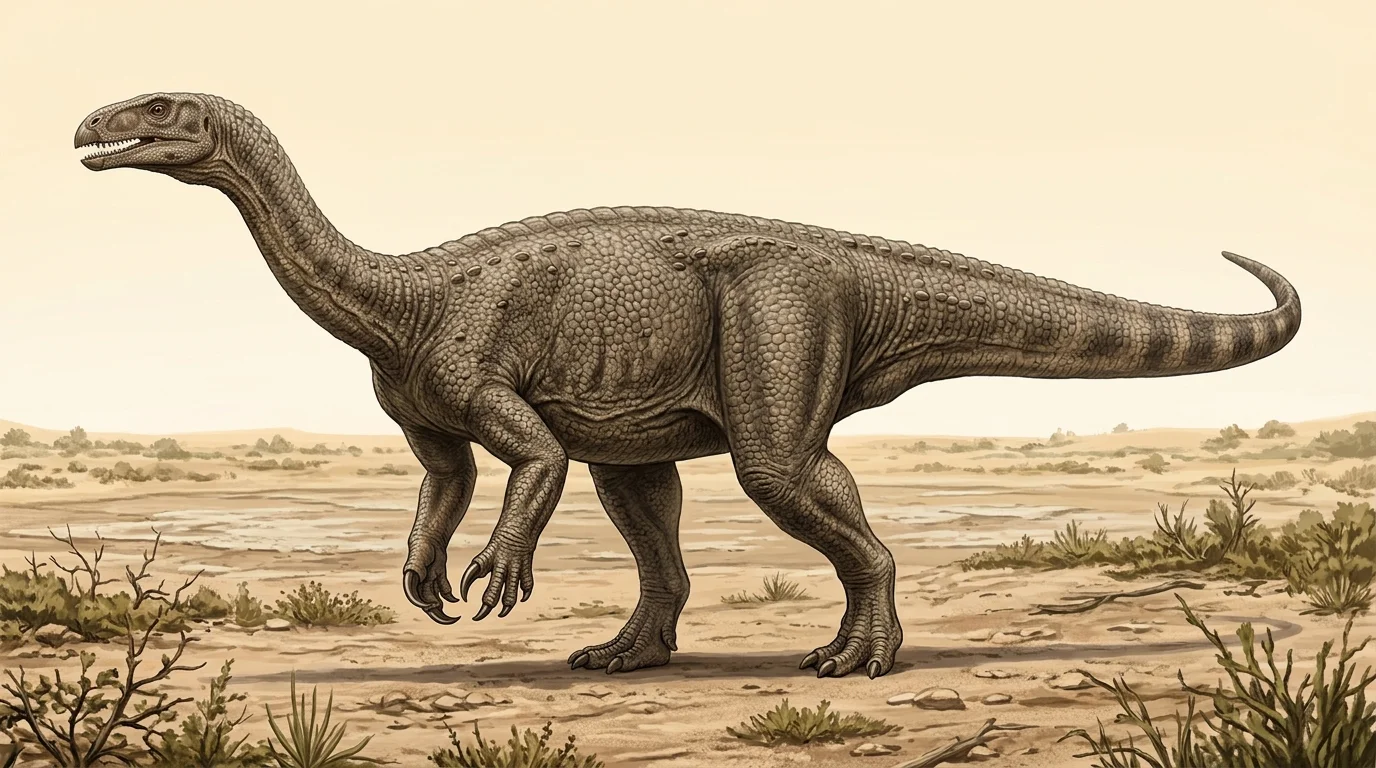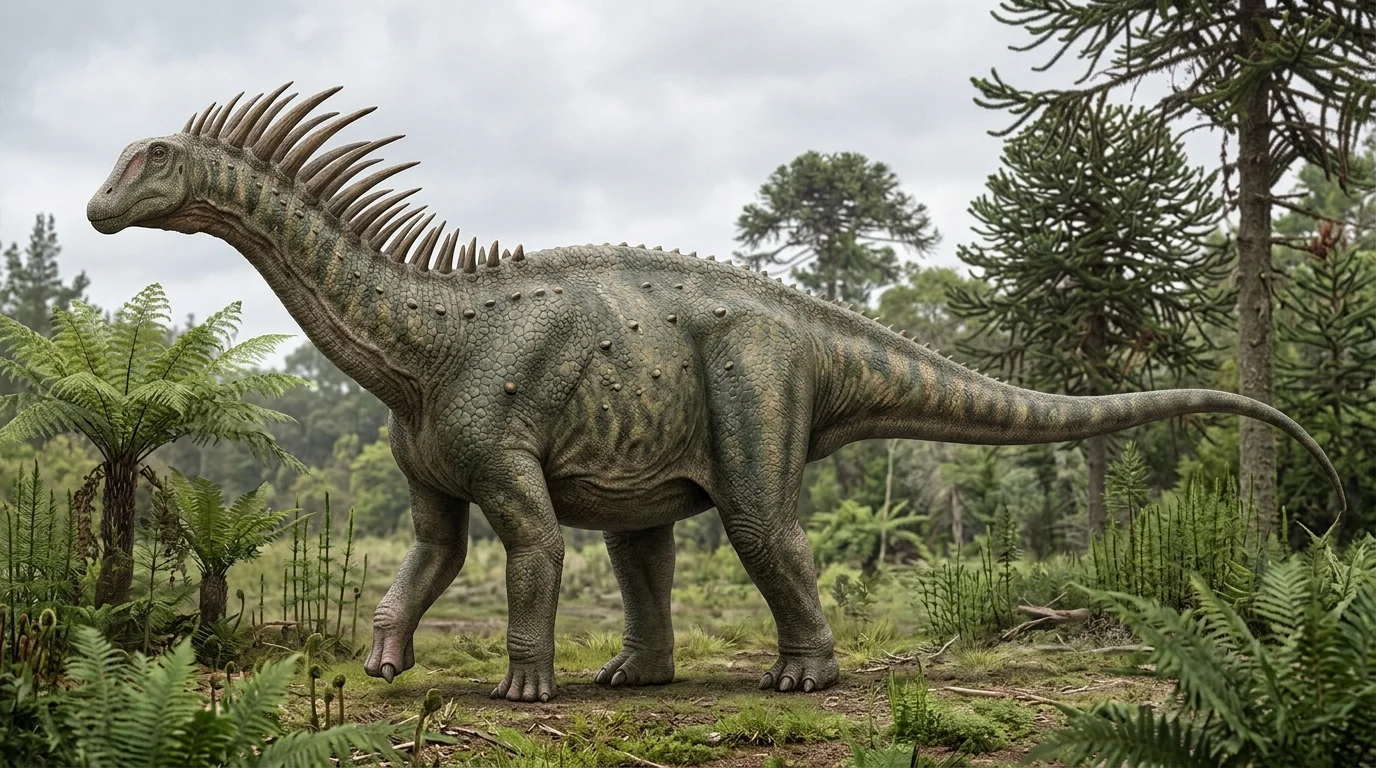
SauropodomorphaAmargasaurus
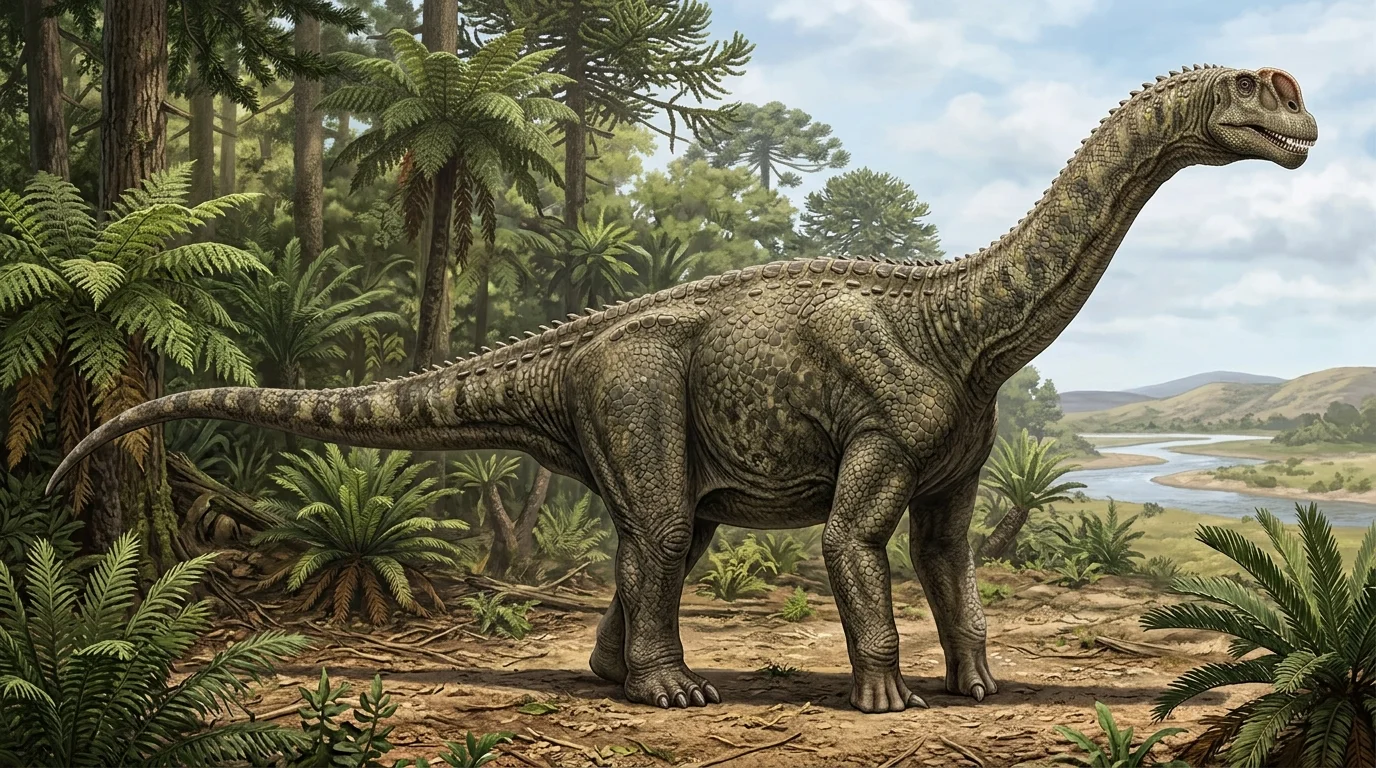
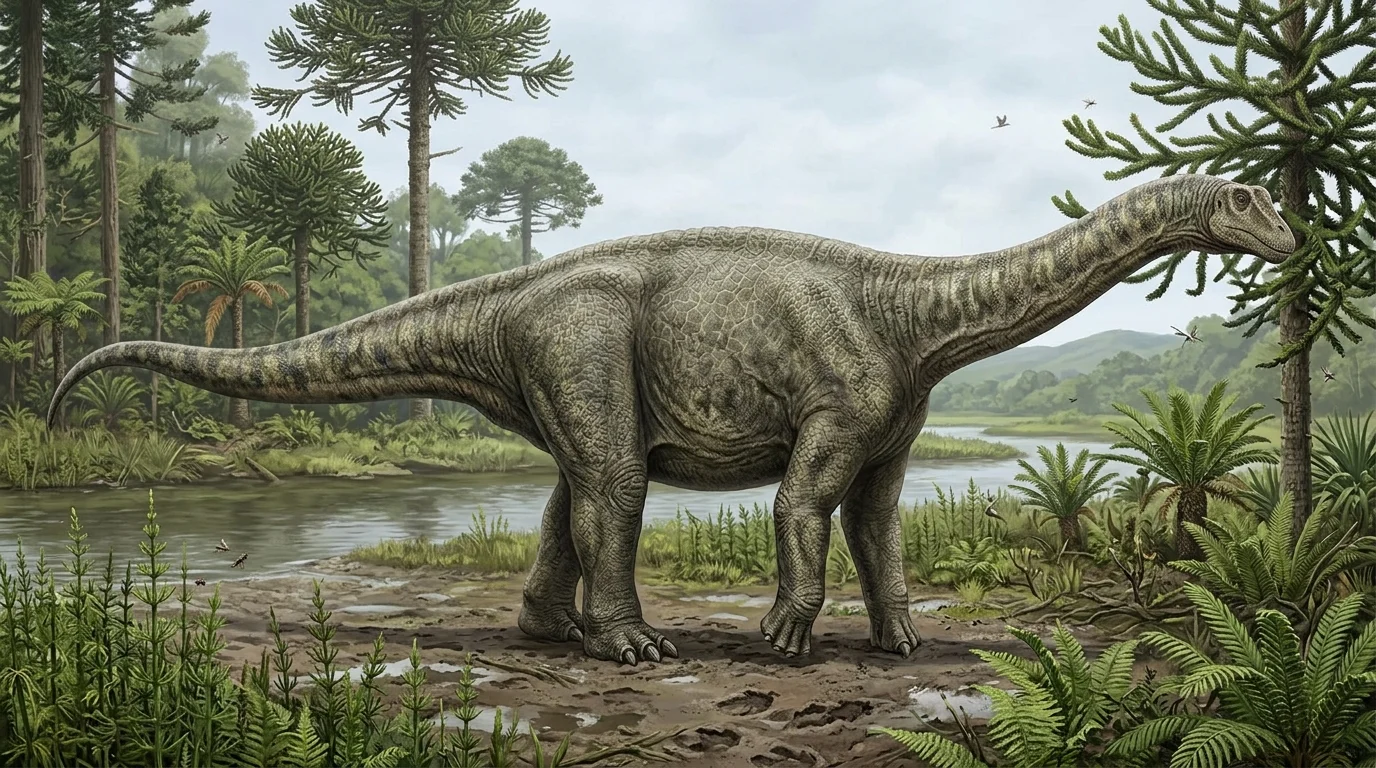
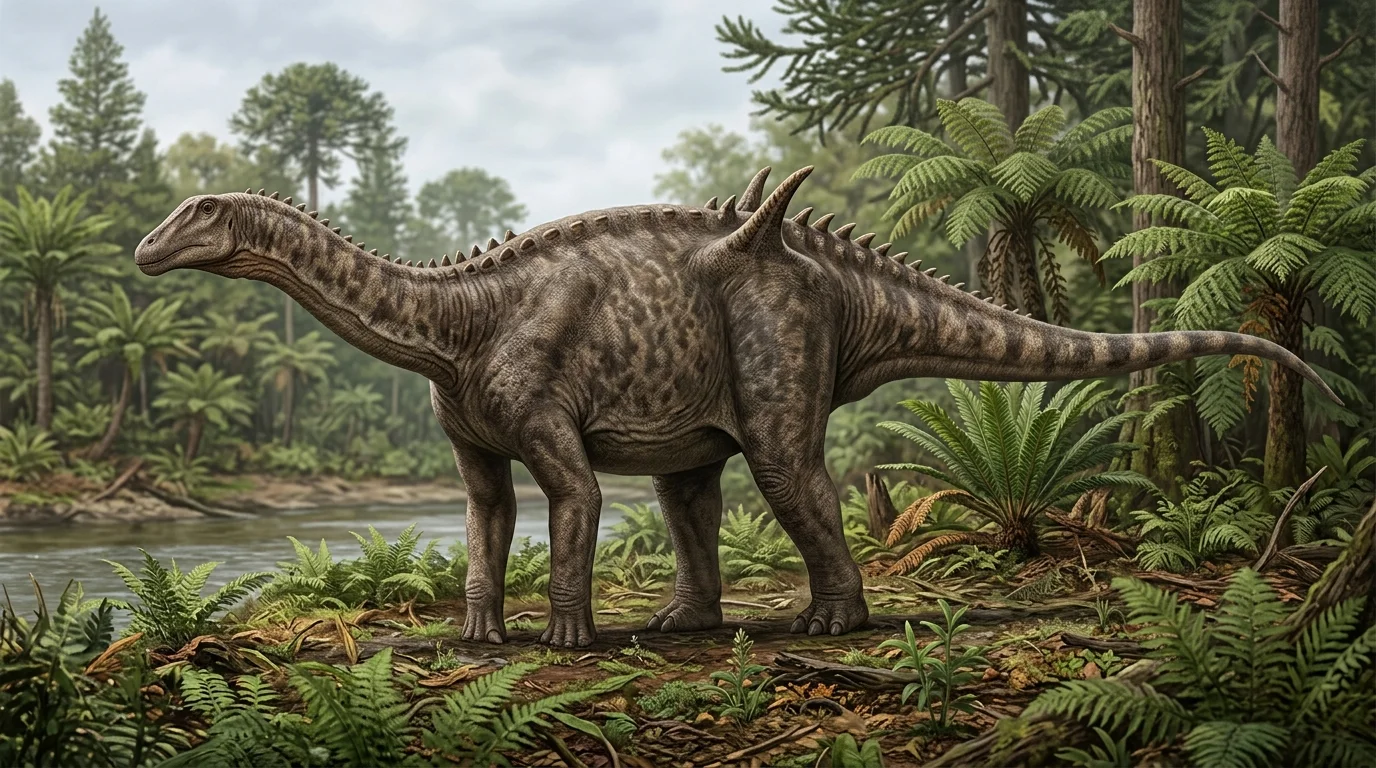
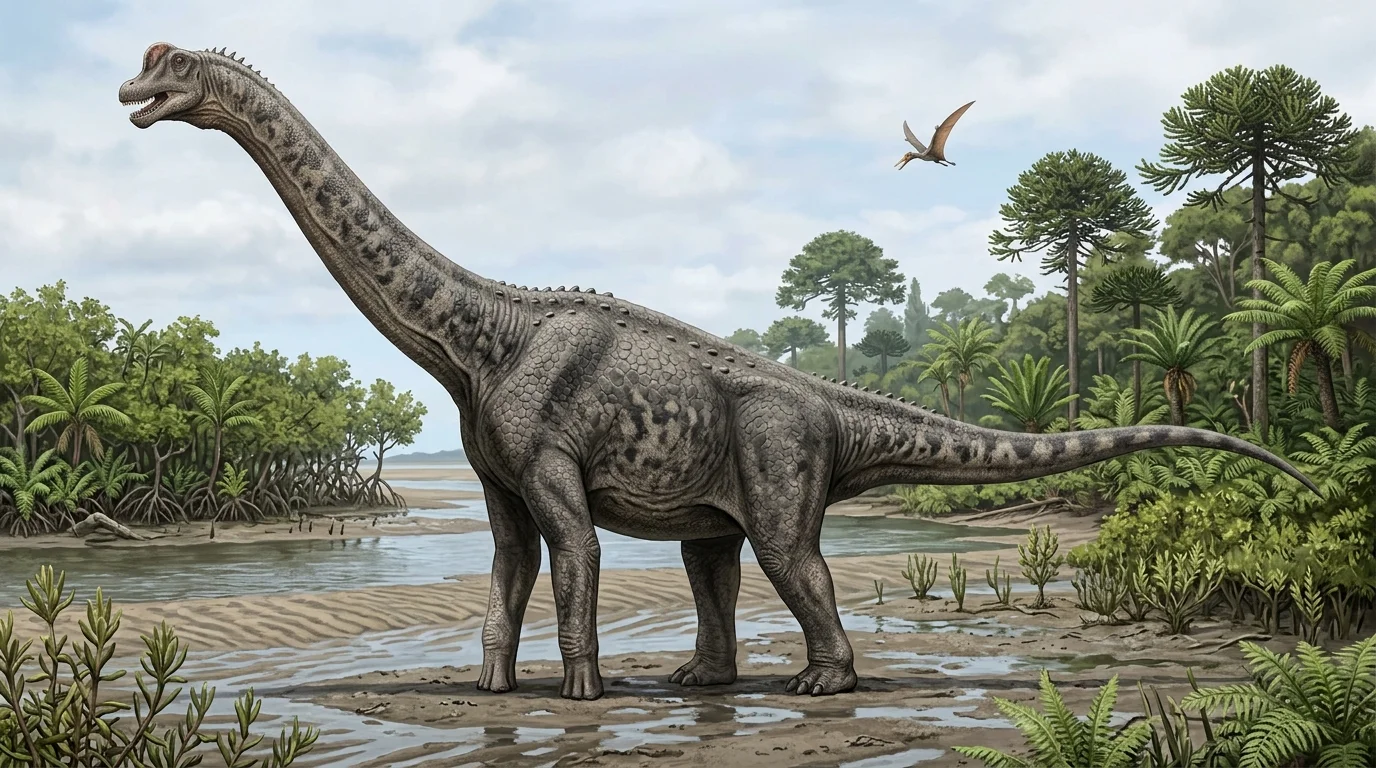
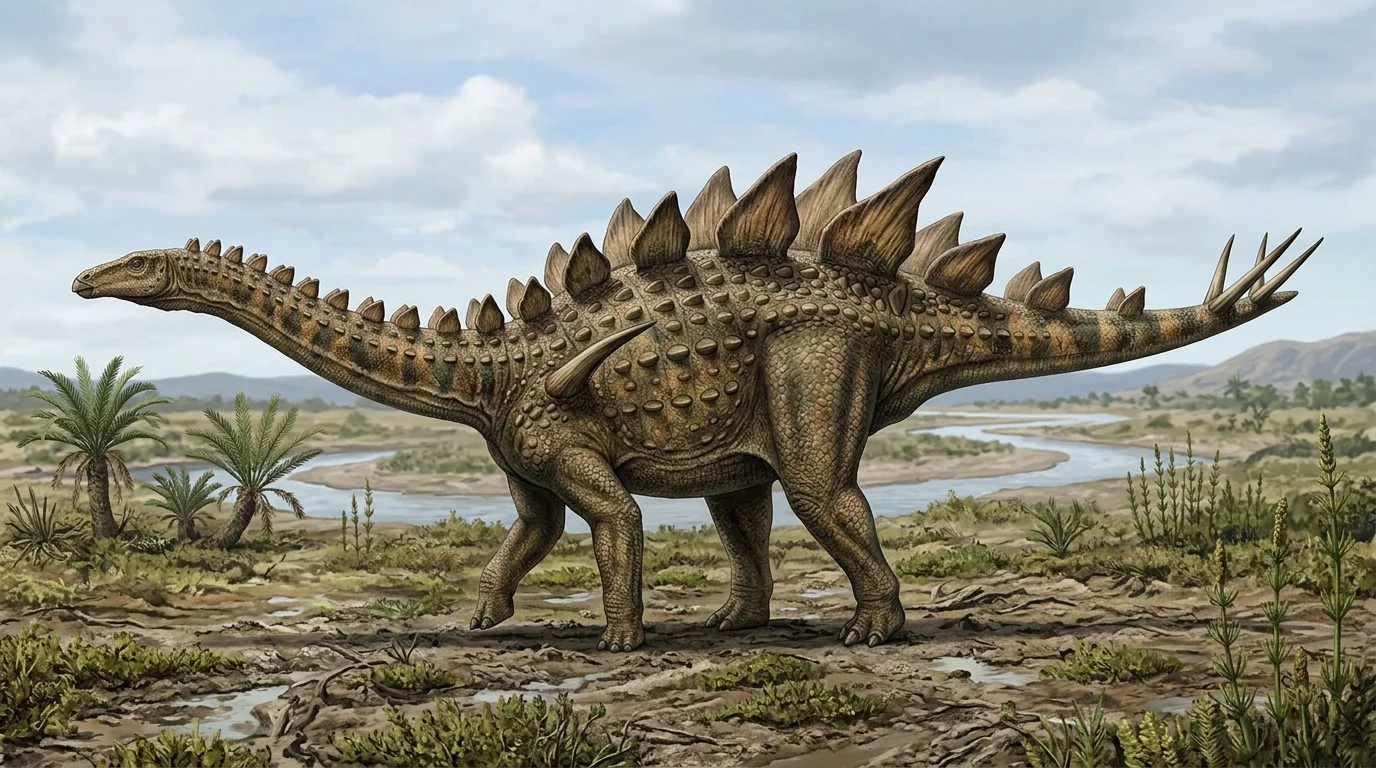
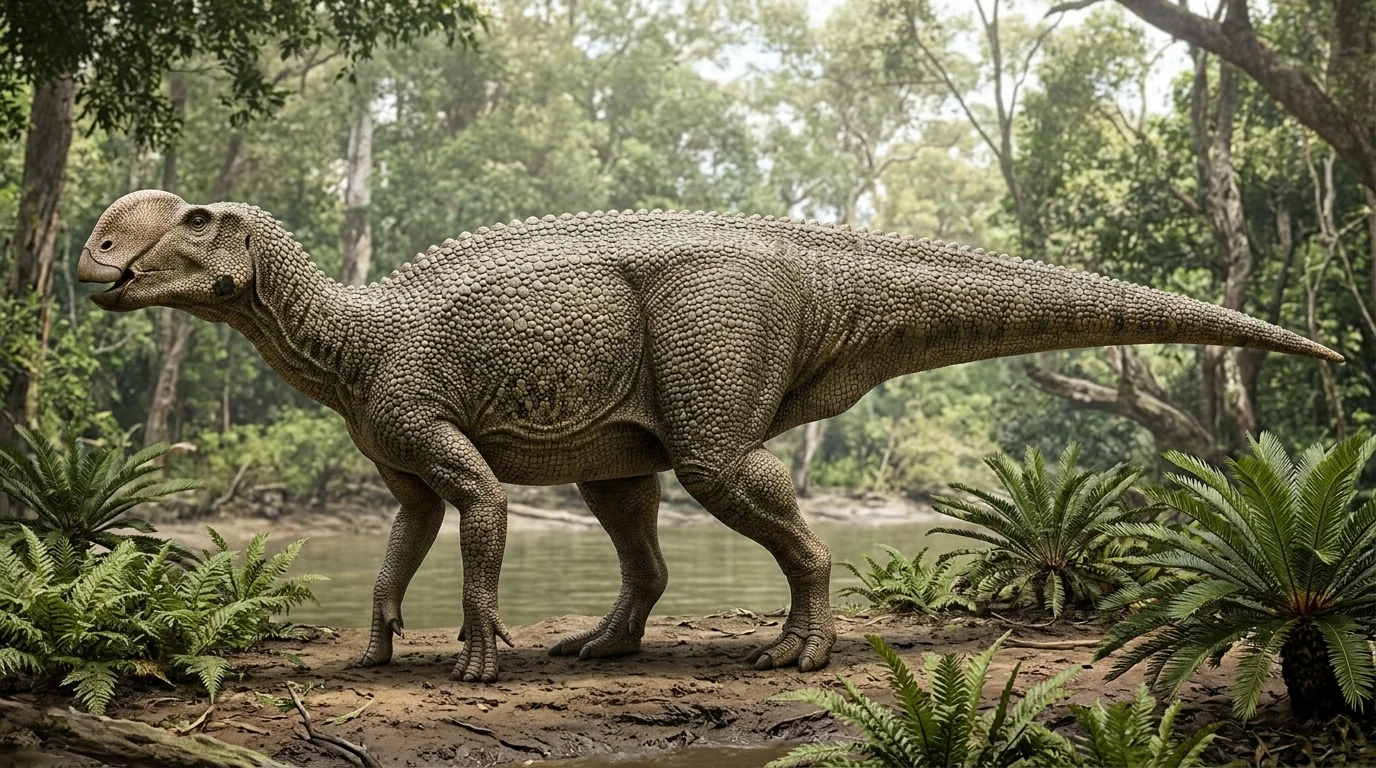
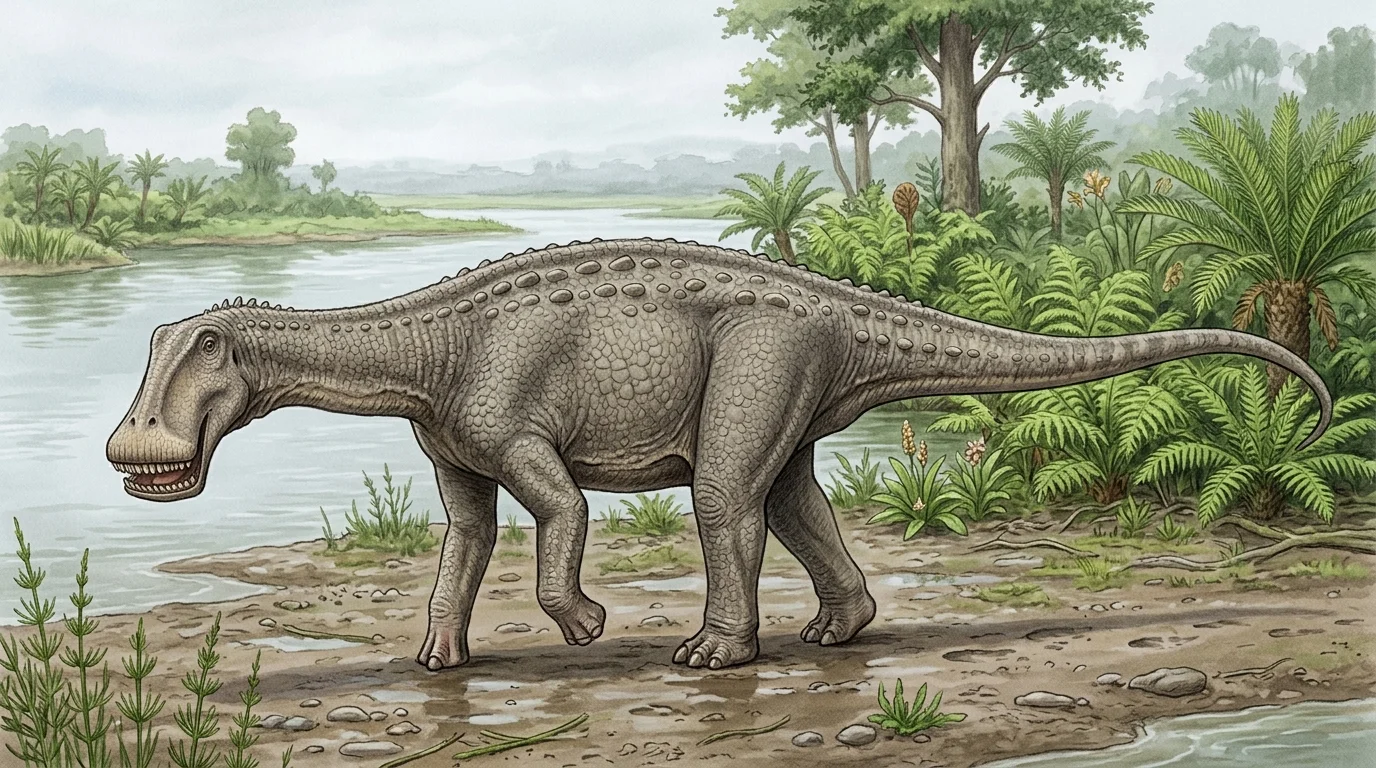
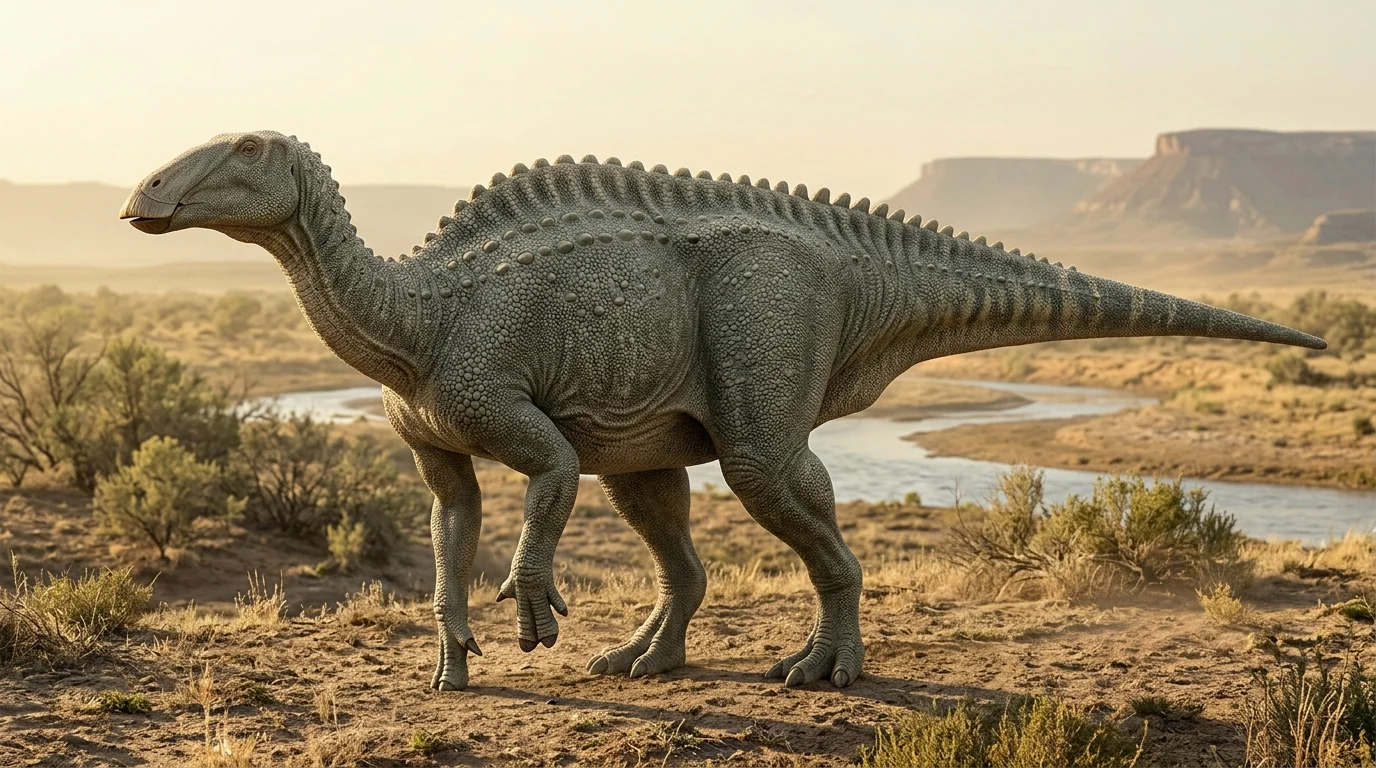
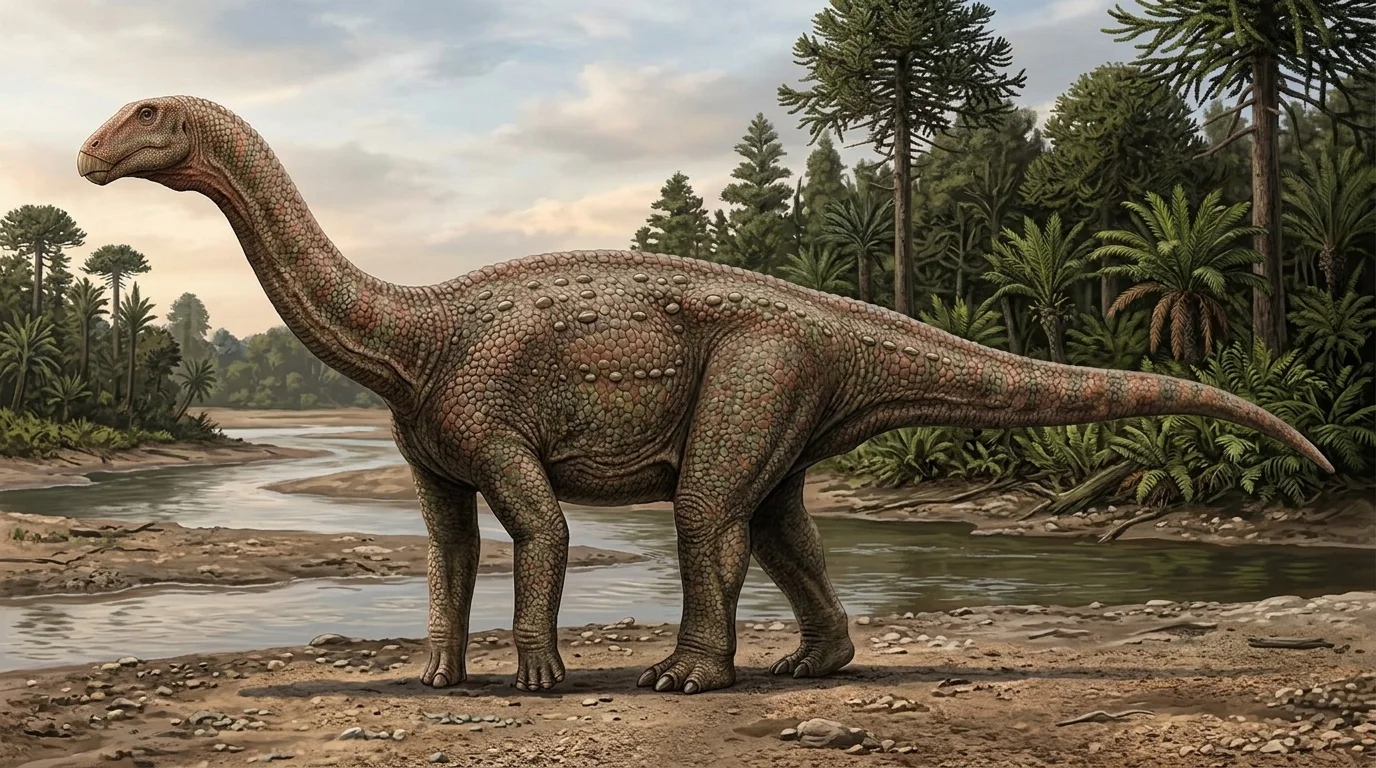
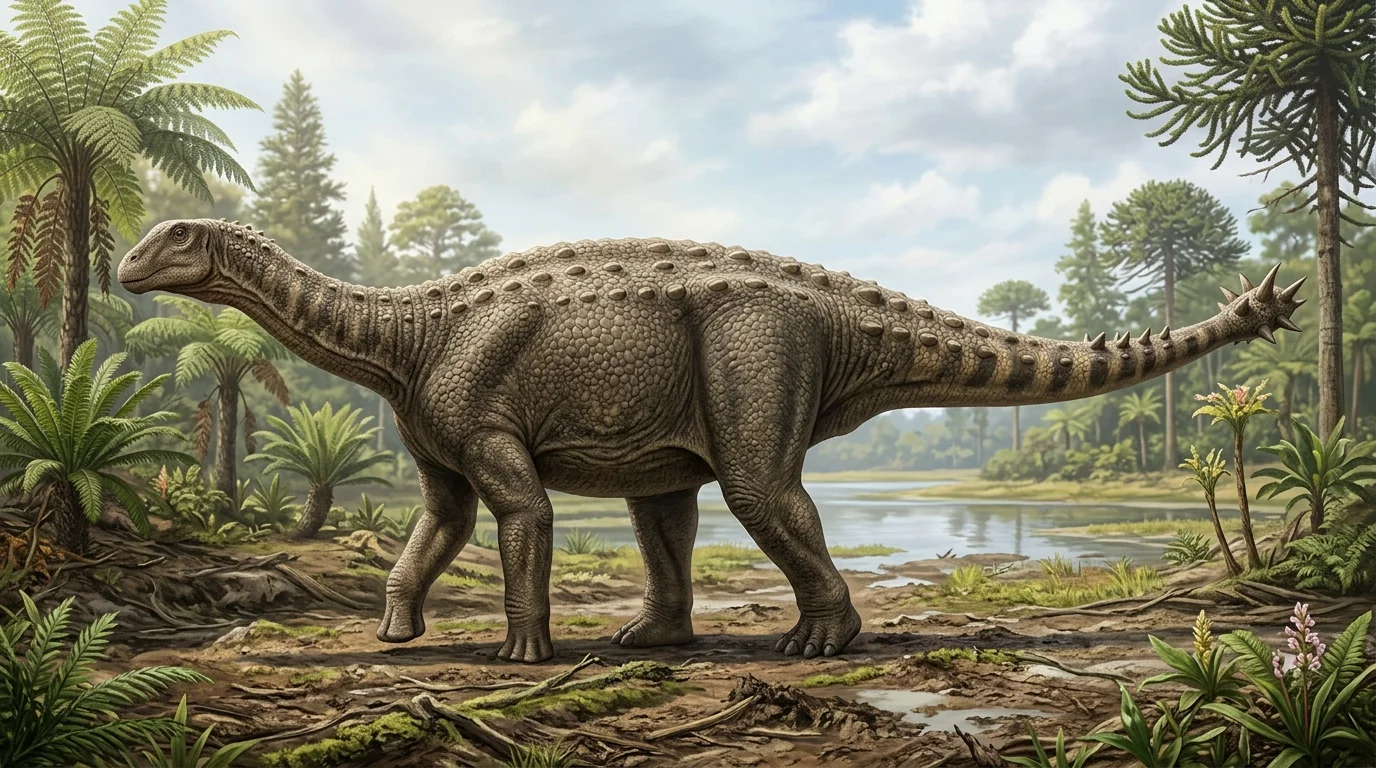
Amargasaurus cazaui Salgado & Bonaparte, 1991
A striking, double-sailed dicraeosaurid sauropod from Argentina sporting parallel rows of tall neck spines.
Herbivorous dinosaurs represented the vast majority of Mesozoic terrestrial biomass. To digest tough, silica-rich vegetation like ferns, conifers, and cycads without masticating cheeks, different lineages evolved monumental gut fermentation chambers (sauropods), continuous dental grinding batteries (hadrosaurs and ceratopsians), or gastroliths.
SauropodomorphaAmargasaurus cazaui Salgado & Bonaparte, 1991
A striking, double-sailed dicraeosaurid sauropod from Argentina sporting parallel rows of tall neck spines.
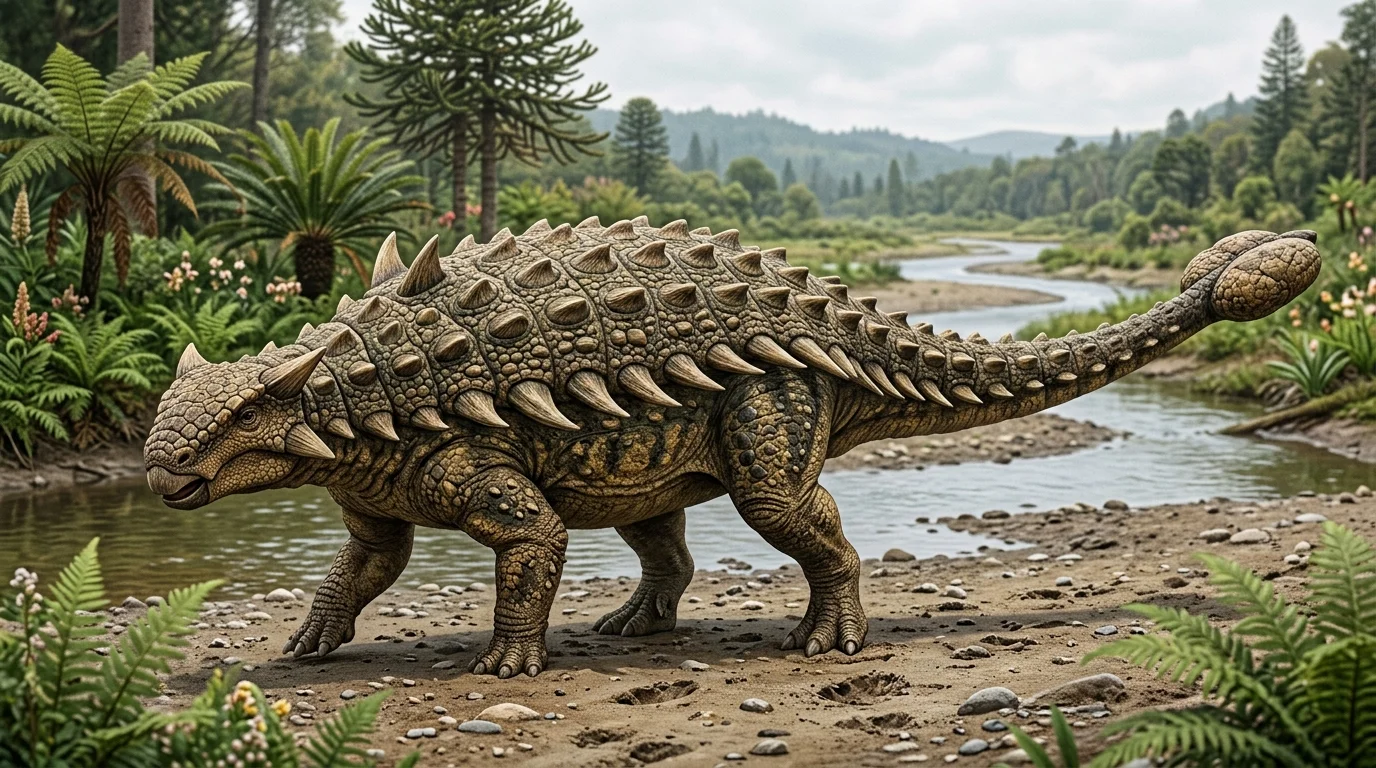
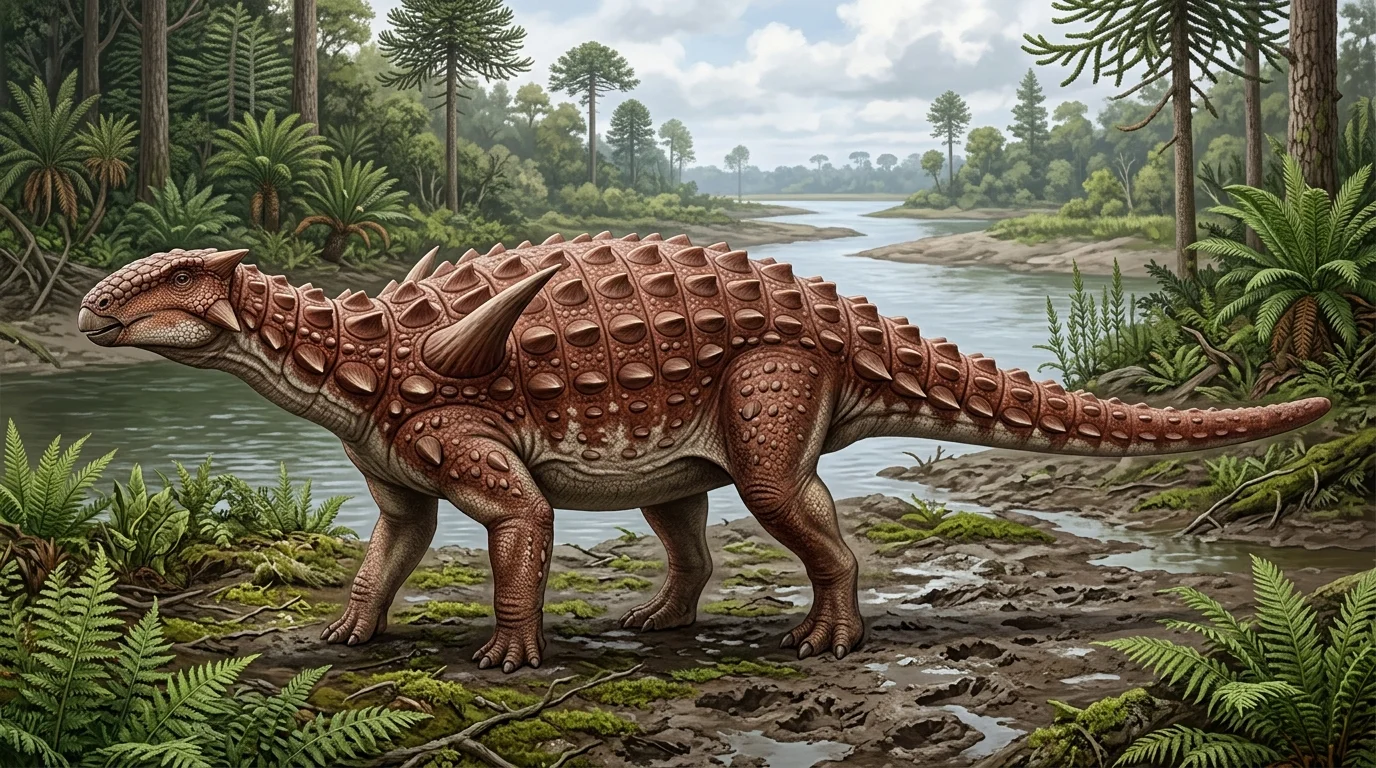
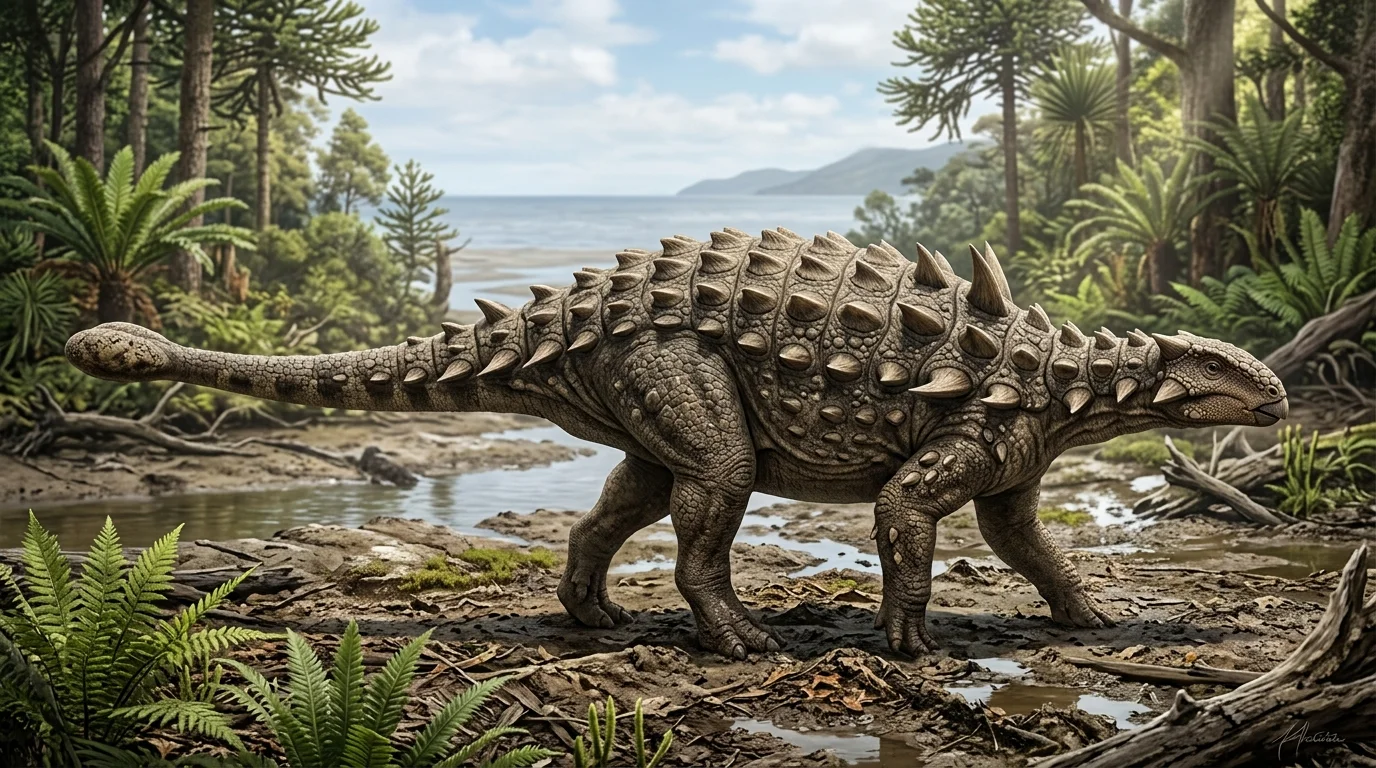
AnkylosauriaAnkylosaurus magniventris Brown, 1908
The definitive armored dinosaur of the Late Cretaceous, encased in bony osteoderms and armed with an osseous tail club.
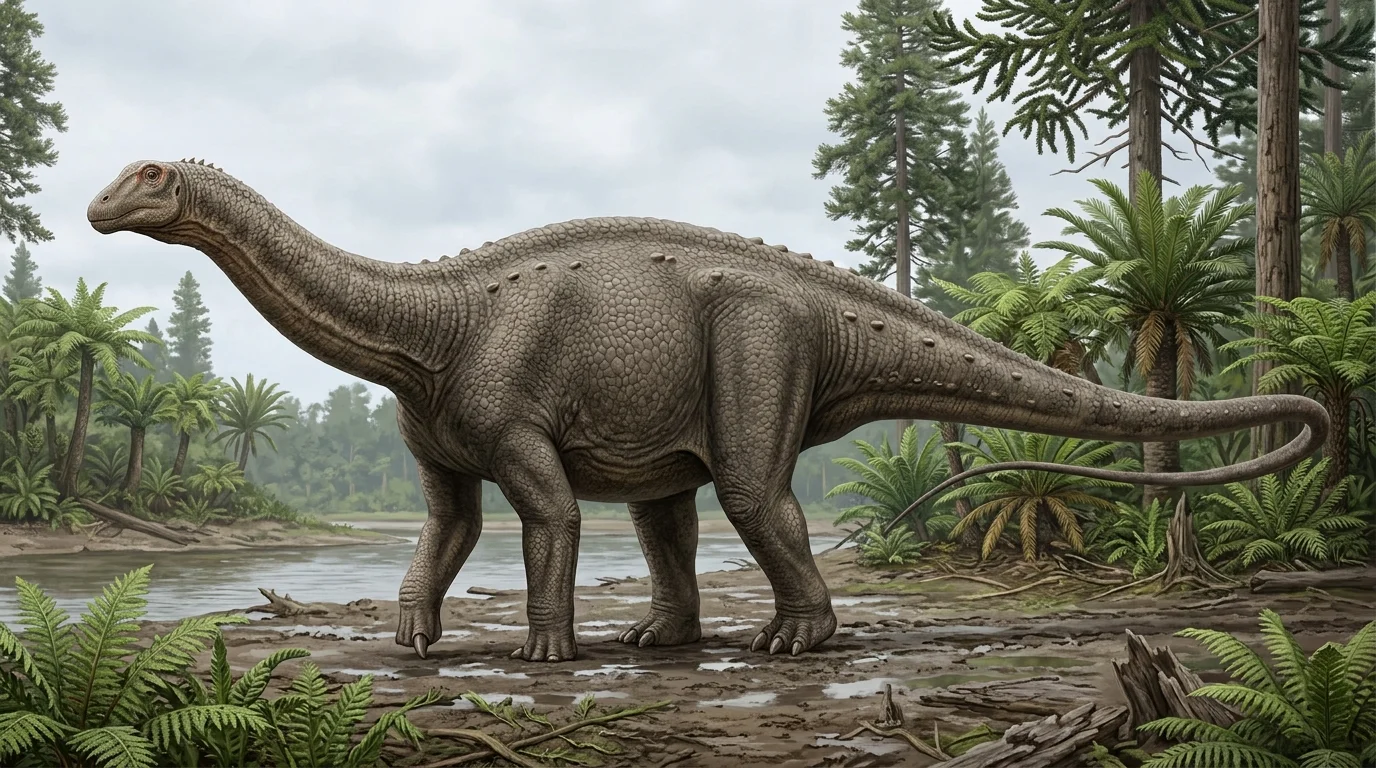
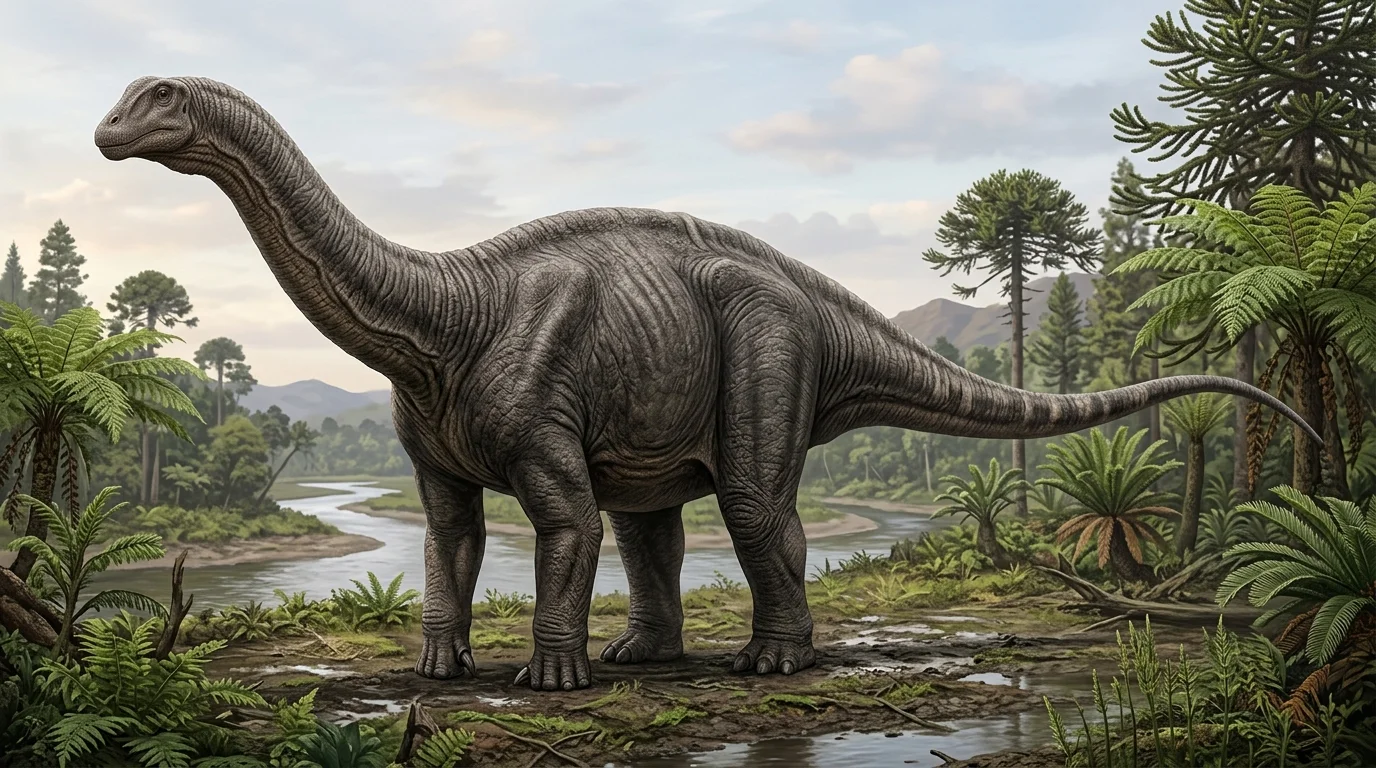
SauropodomorphaApatosaurus ajax Marsh, 1877
A colossal, heavily built diplodocid sauropod characterized by thick cervical vertebrae and a whip-like tail.
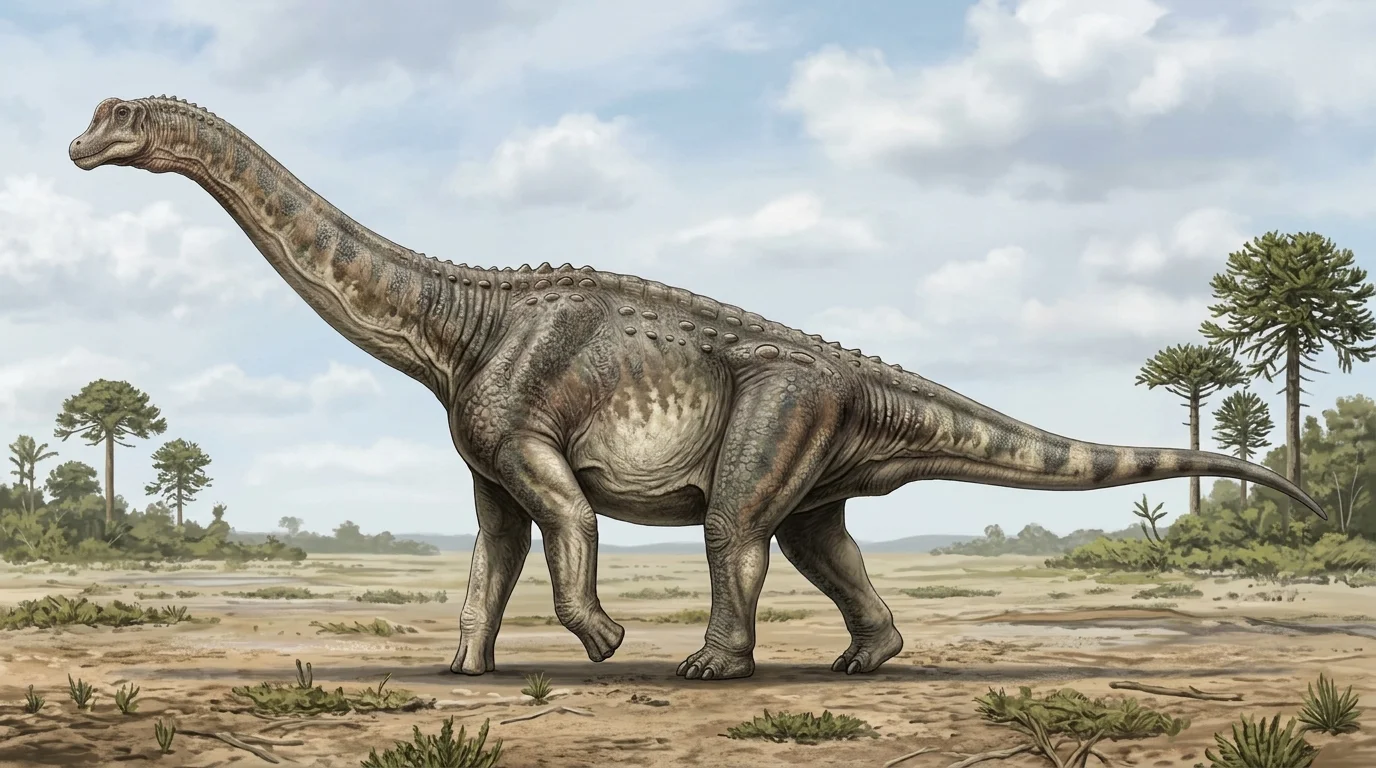
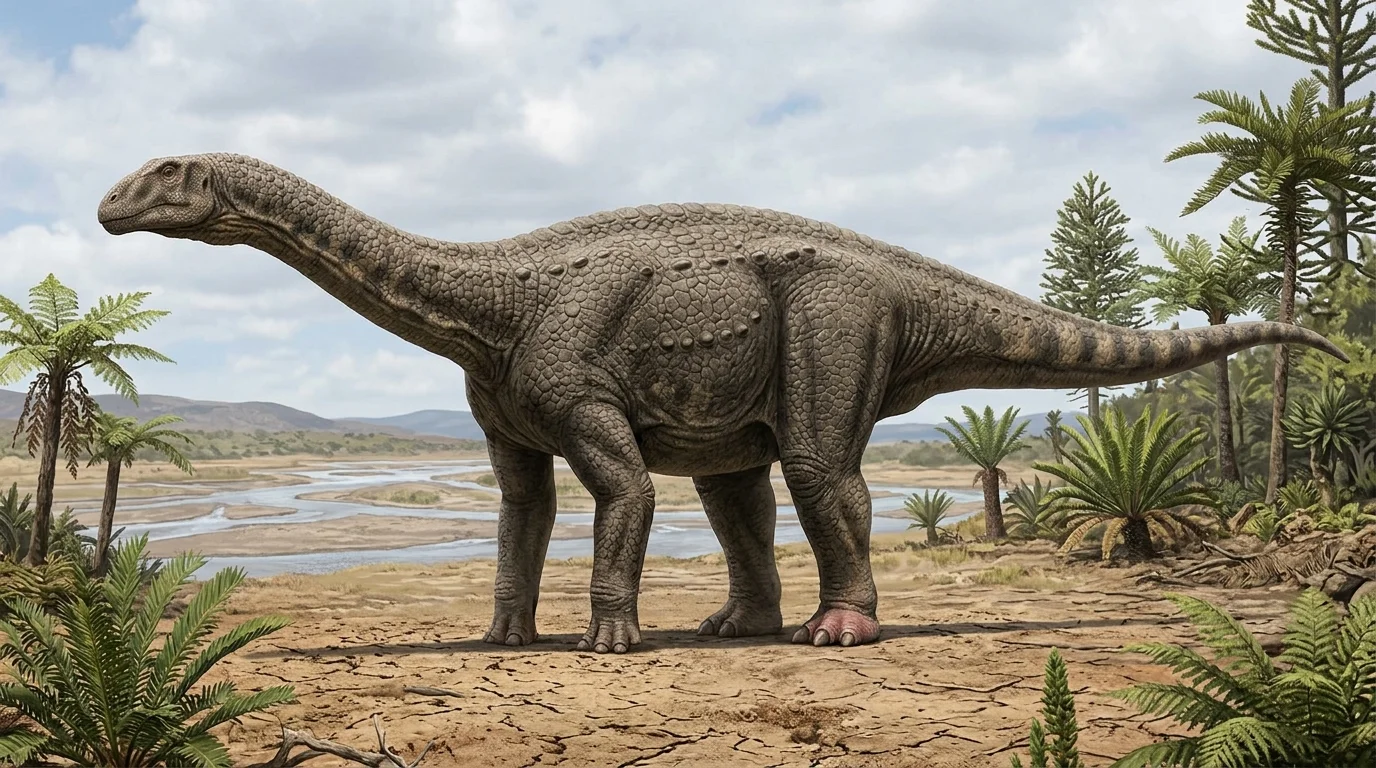
Featured SpecimenSauropodomorphaArgentinosaurus huinculensis Bonaparte & Coria, 1993
Among the largest and most massive terrestrial animals known to science, with scaled estimates reaching 65 to 80 metric tons based on fragmentary titanosaur remains.
SauropodomorphaBarosaurus lentus Marsh, 1890
A massive diplodocid with an extraordinarily long neck and shorter tail than Diplodocus.
AnkylosauriaBorealopelta markmitchelli Brown et al., 2017
The world's best-preserved dinosaur fossil, a 110-million-year-old nodosaur with intact skin, armor, and stomach contents.
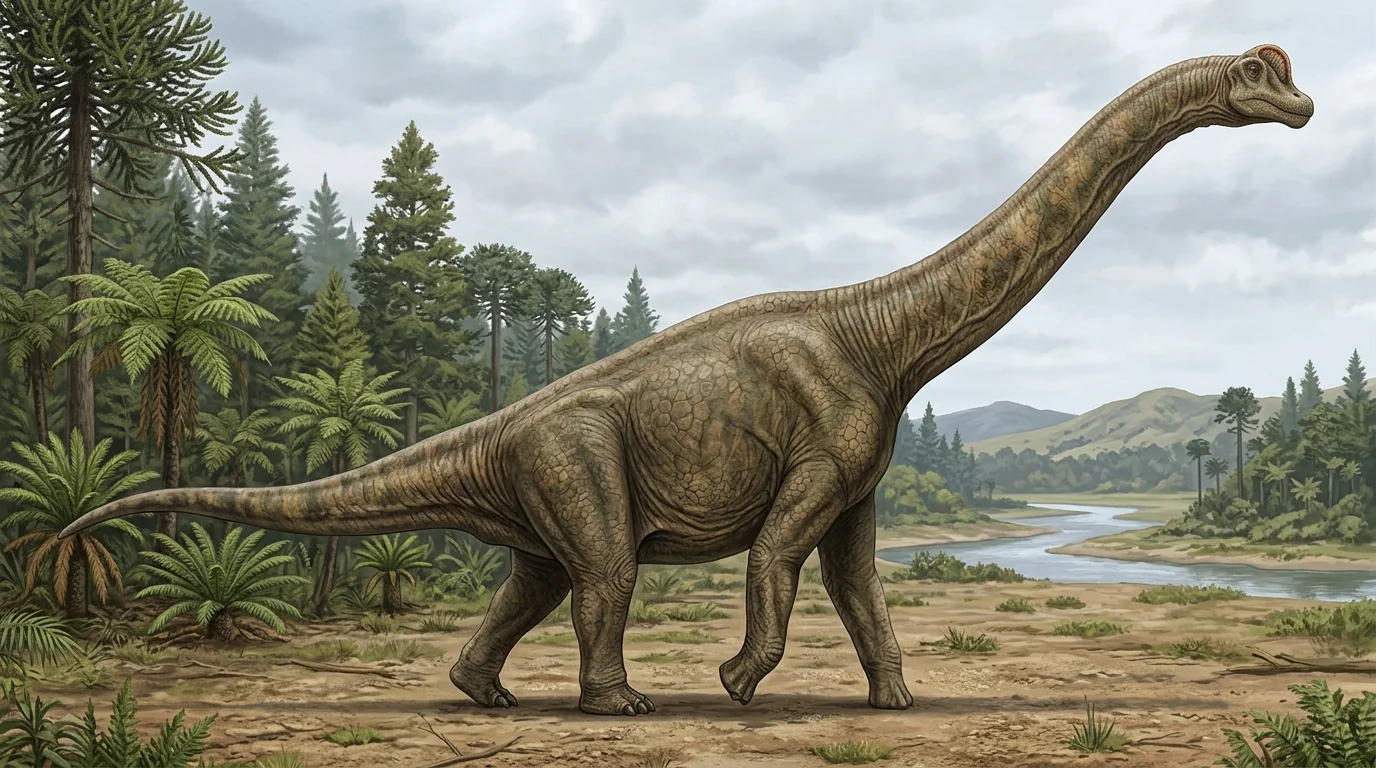
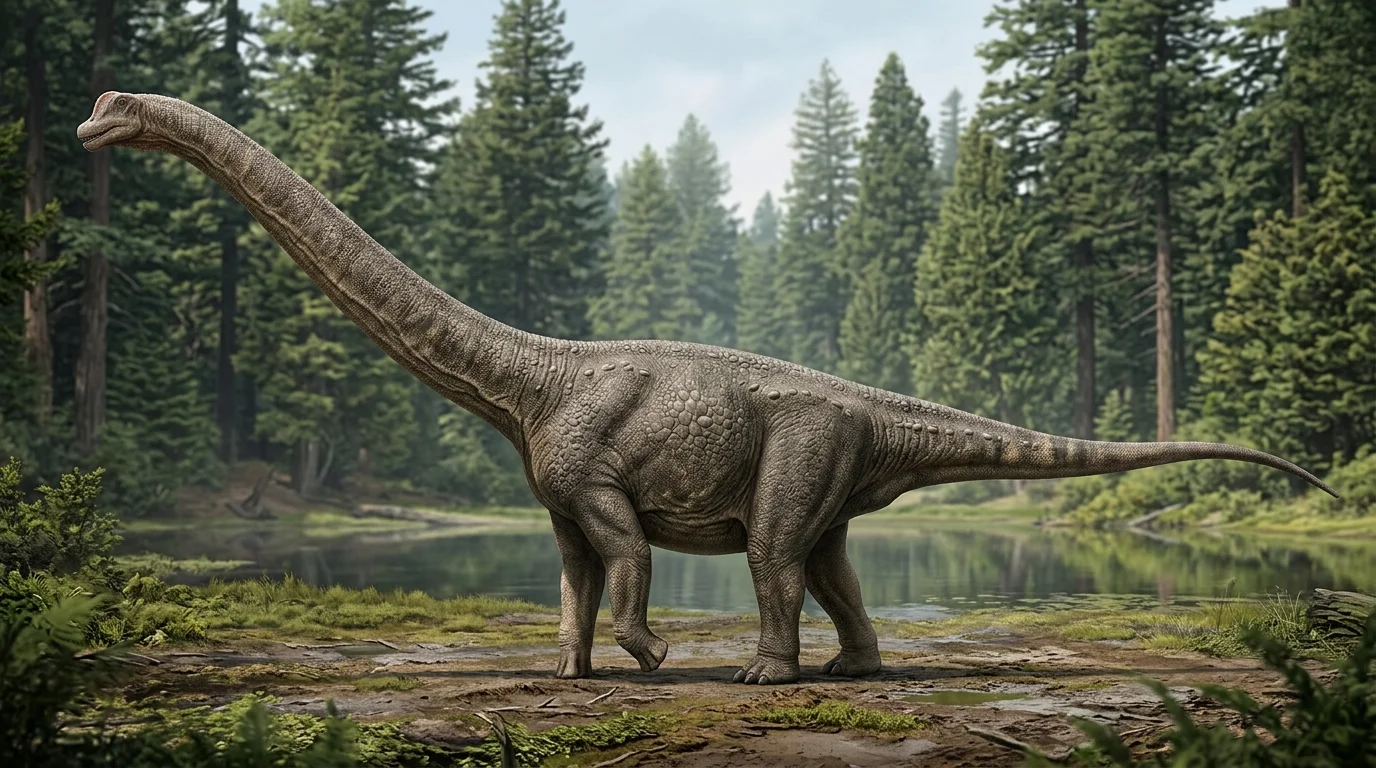
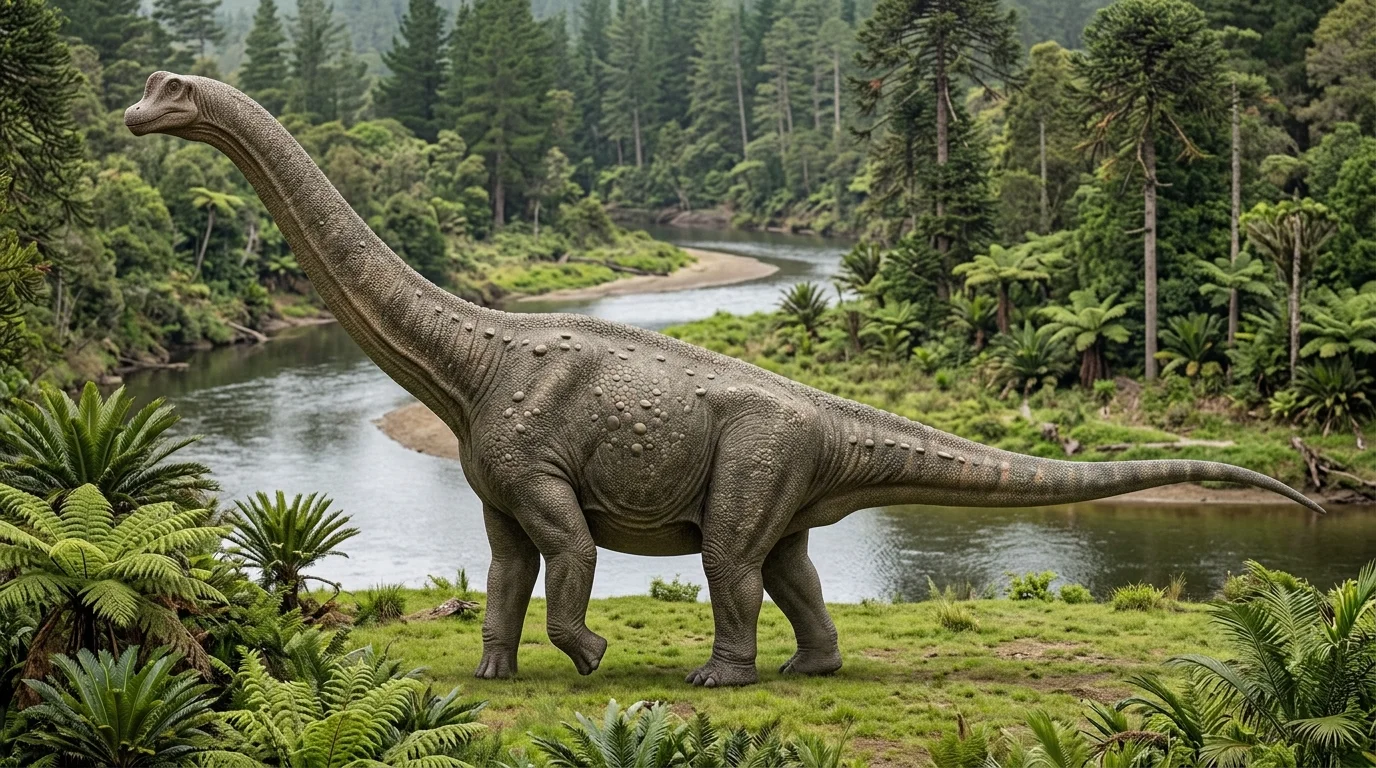
Featured SpecimenSauropodomorphaBrachiosaurus altithorax Riggs, 1903
A monumental sauropod with forelimbs longer than hindlimbs, adapted for high-canopy browsing in Late Jurassic North America.
SauropodomorphaBrontosaurus excelsus Marsh, 1879
The iconic 'thunder lizard', resurrected as a valid and distinct genus of diplodocid sauropod in 2015.
SauropodomorphaCamarasaurus supremus Cope, 1877
The most abundant sauropod of Late Jurassic North America, noted for its boxy skull and chisel-like teeth.
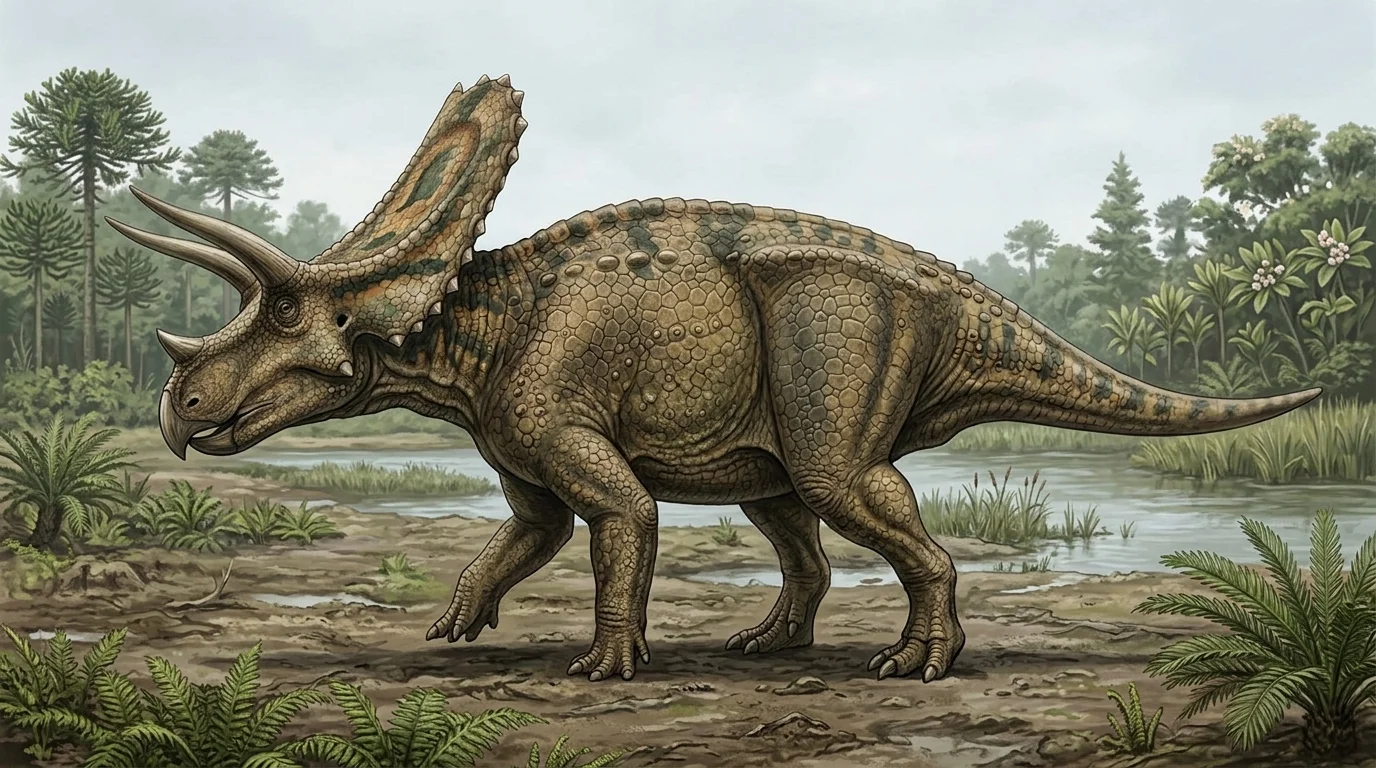
CeratopsiaCentrosaurus apertus Lambe, 1904
A prominent centrosaurine ceratopsid from Alberta featuring a forward-curved nasal horn and hooked frill spikes.
SauropodomorphaCetiosaurus oxoniensis Phillips, 1871
The 'whale lizard', the first sauropod dinosaur discovered and named in scientific history.
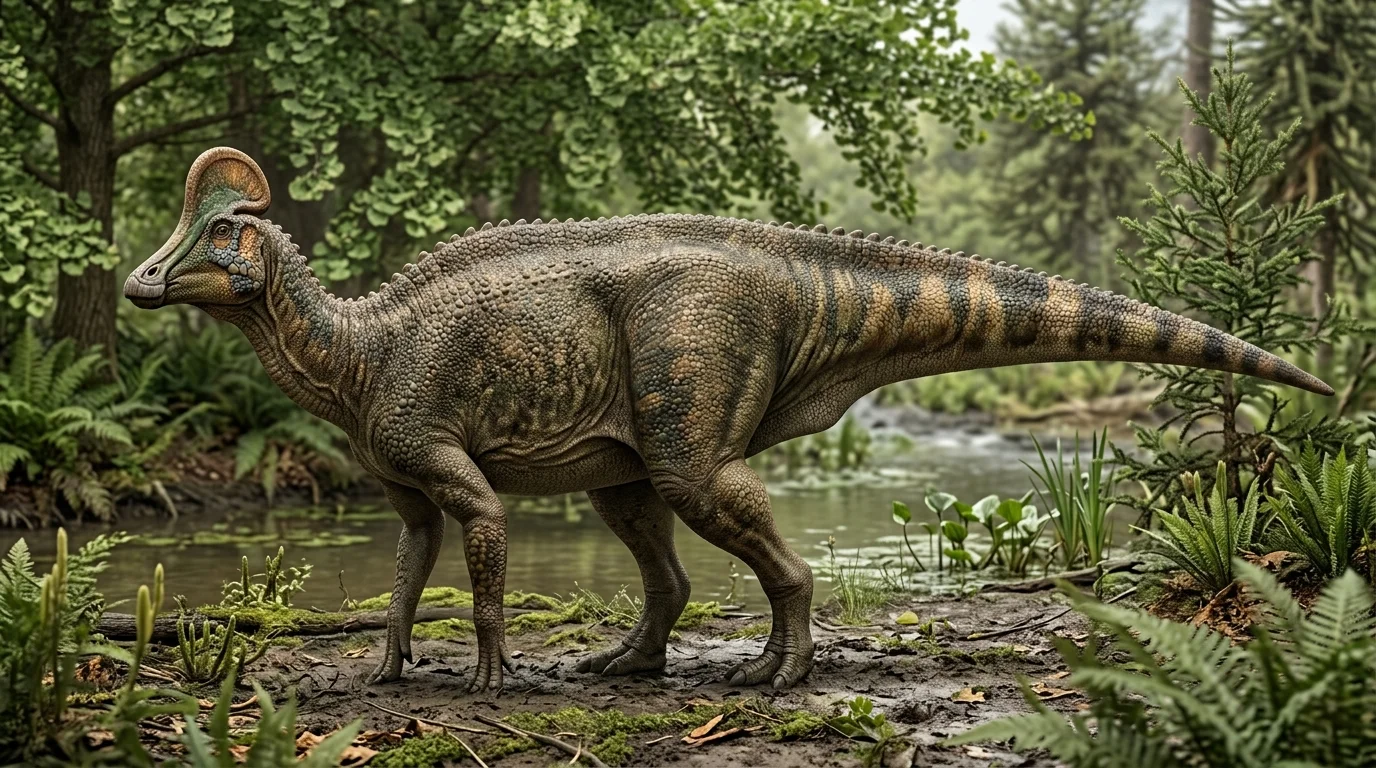
OrnithopodaCorythosaurus casuarius Brown, 1914
A hollow-crested hadrosaurid from Alberta possessing a tall, semicircular helmet crest for sound resonance.
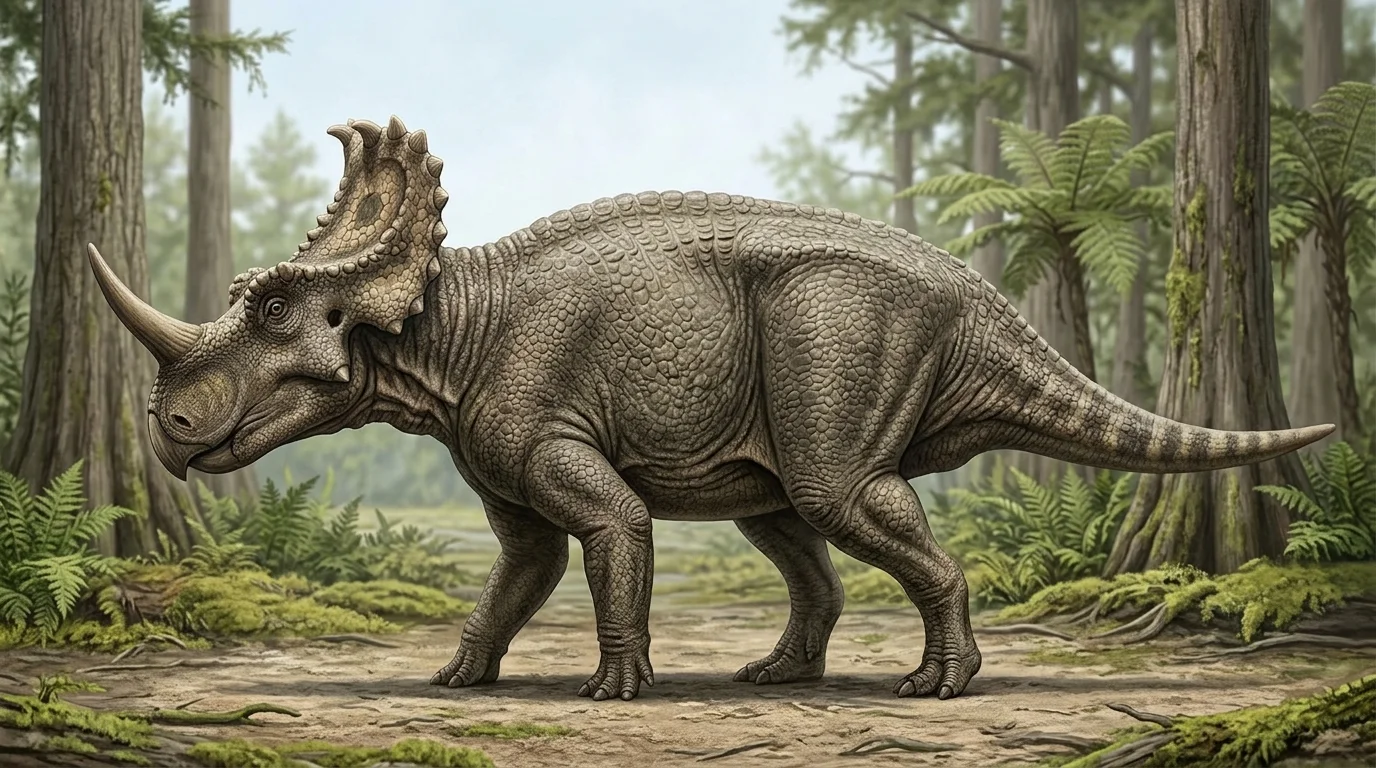
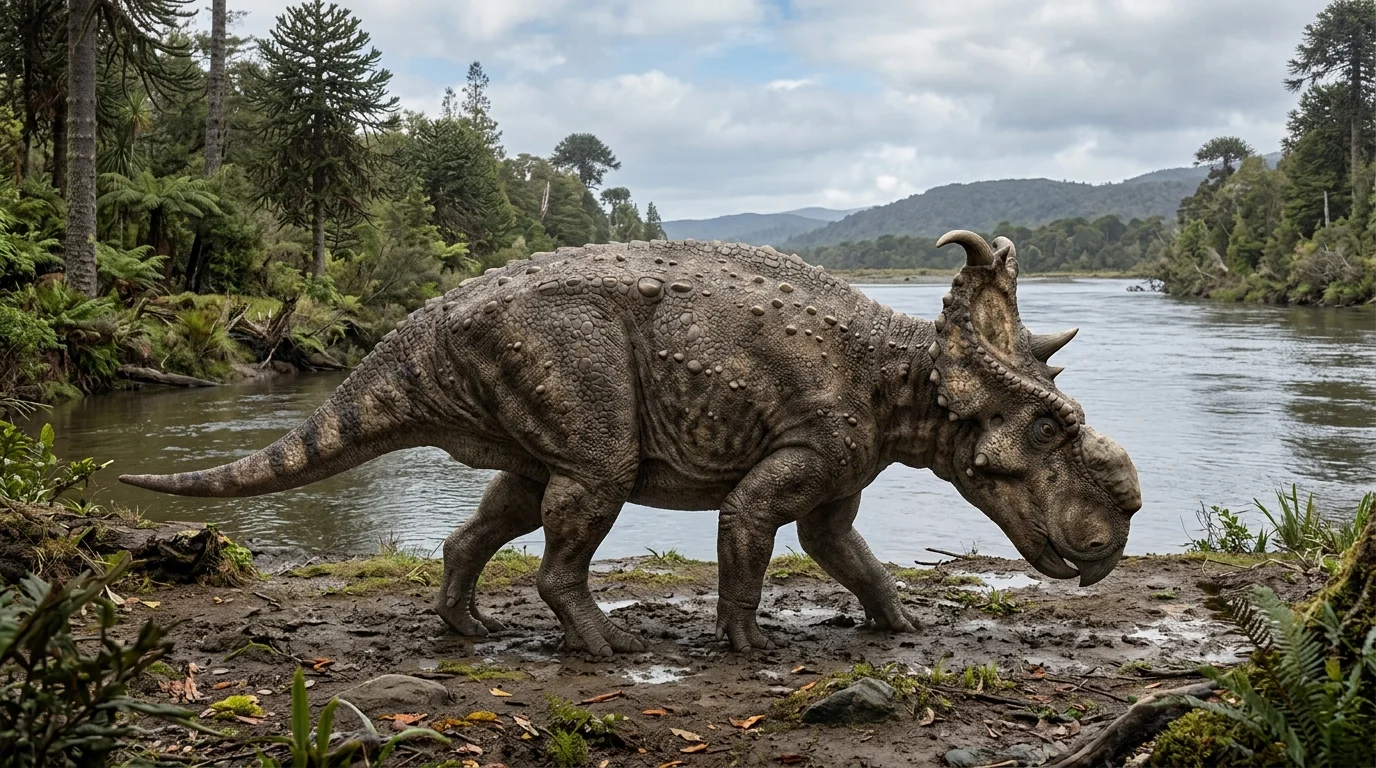
CeratopsiaDiabloceratops eatoni Kirkland & DeBlieux, 2010
The 'devil-horned face', a basal centrosaurine featuring long curved brow horns and majestic frill spikes.
SauropodomorphaDicraeosaurus hansemanni Janensch, 1914
A specialized short-necked diplodocoid from Late Jurassic Tanzania bearing tall, bifurcated dorsal spines.
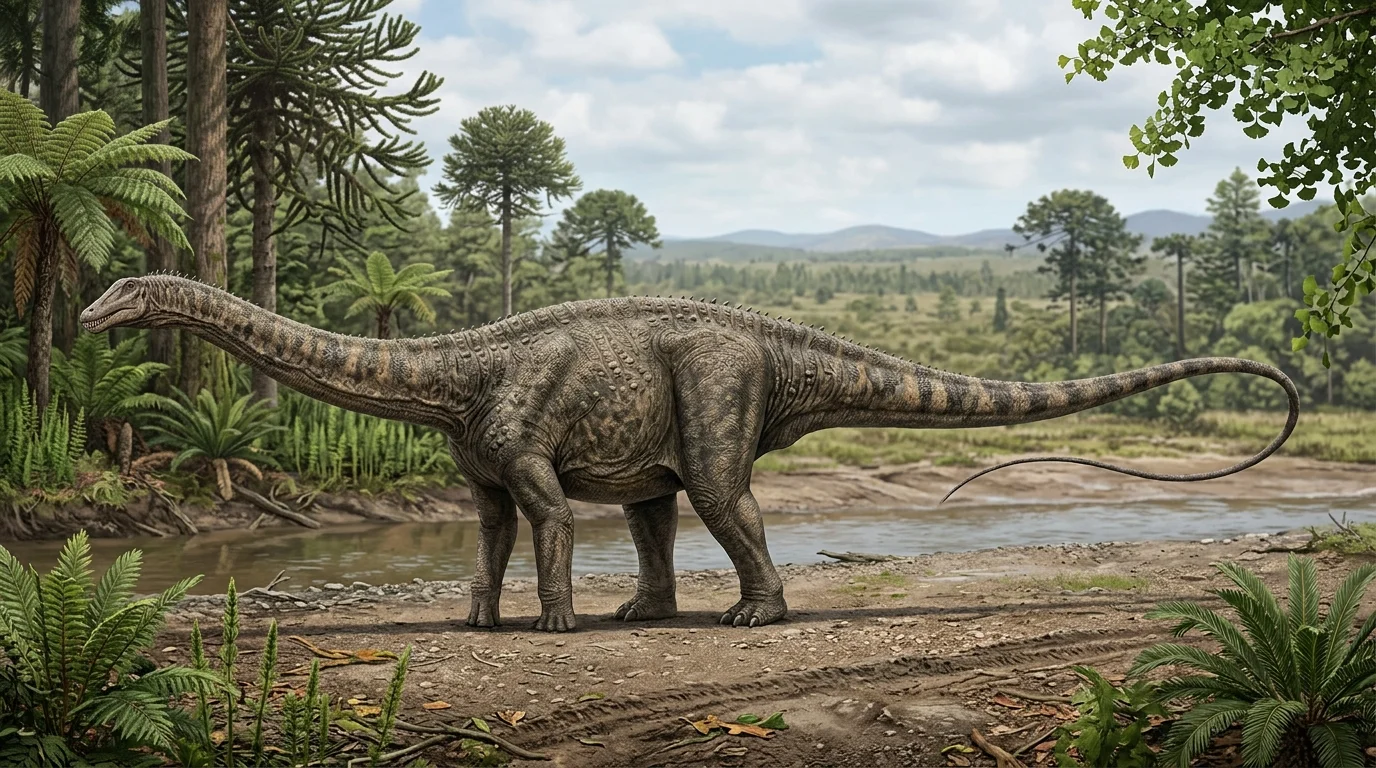
SauropodomorphaDiplodocus carnegii Hatcher, 1901
A slender, extremely elongated sauropod of Late Jurassic North America equipped with an 80-vertebra whip-like tail.
SauropodomorphaDreadnoughtus schrani Lacovara et al., 2014
The 'fearing nothing' super-titanosaur from Argentina, with the most complete skeleton of any giant titanosaur.
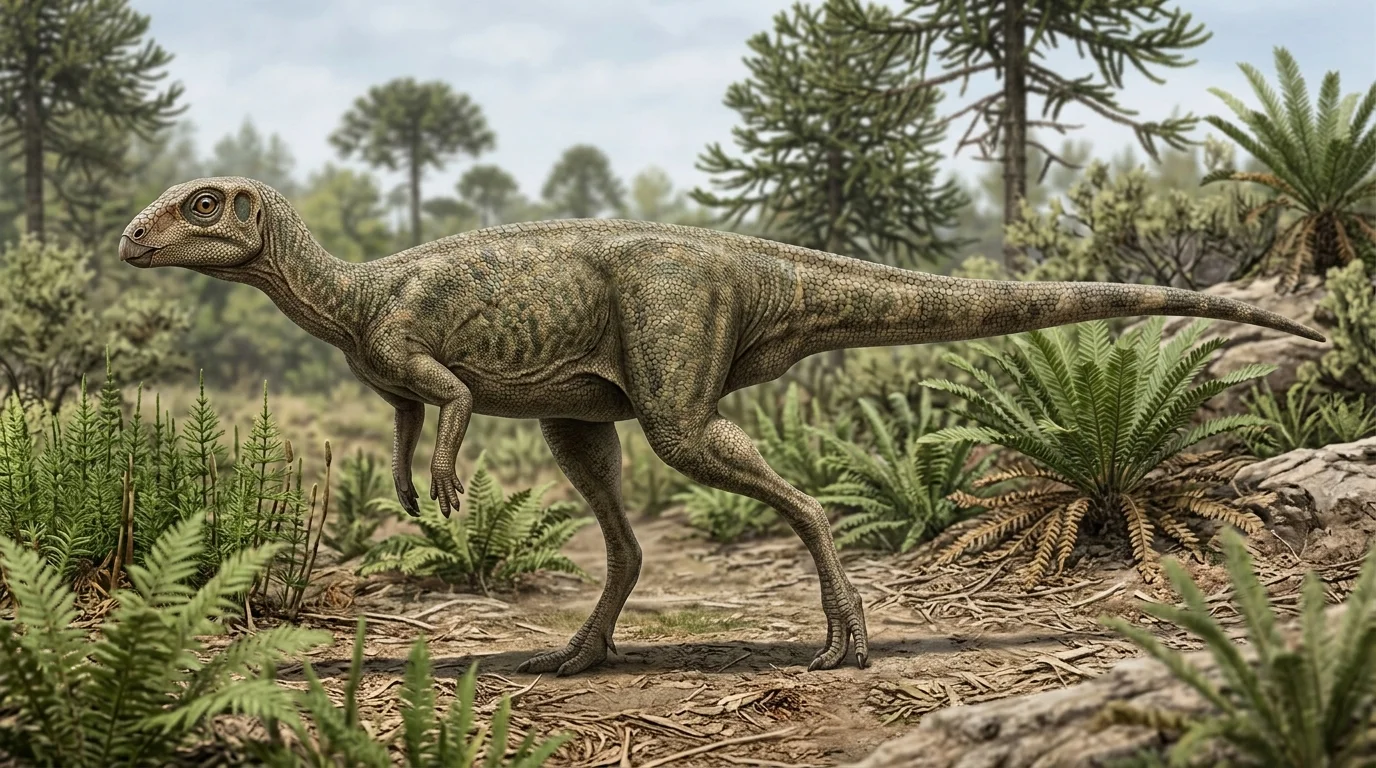
OrnithopodaDryosaurus altus Marsh, 1878
A swift, bipedal ornithopod with large eyes and stiffened tail that dashed across Late Jurassic North America.
OrnithopodaEdmontosaurus regalis Lambe, 1917
A colossal duck-billed hadrosaurid that was the primary herbivore of Late Cretaceous North America.
AnkylosauriaEuoplocephalus tutus Lambe, 1910
A heavily armored, tank-like ankylosaurid with armored eyelids and a massive bone-crushing tail club.
AnkylosauriaGargoyleosaurus parkpinorum Carpenter et al., 1998
One of the earliest and most complete ankylosaurs known, discovered in the Late Jurassic Morrison Formation.
SauropodomorphaGiraffatitan brancai Janensch, 1914
A towering, high-browsing brachiosaurid sauropod from the Late Jurassic Tendaguru beds of Tanzania.
StegosauriaHesperosaurus mjosi Carpenter et al., 2001
A Late Jurassic stegosaurid from Wyoming featuring wide, oval dorsal plates and a short, deep skull.
StegosauriaHuayangosaurus taibaii Dong et al., 1982
One of the most primitive known stegosaurs, retaining premaxillary teeth and spike-like shoulder armor.
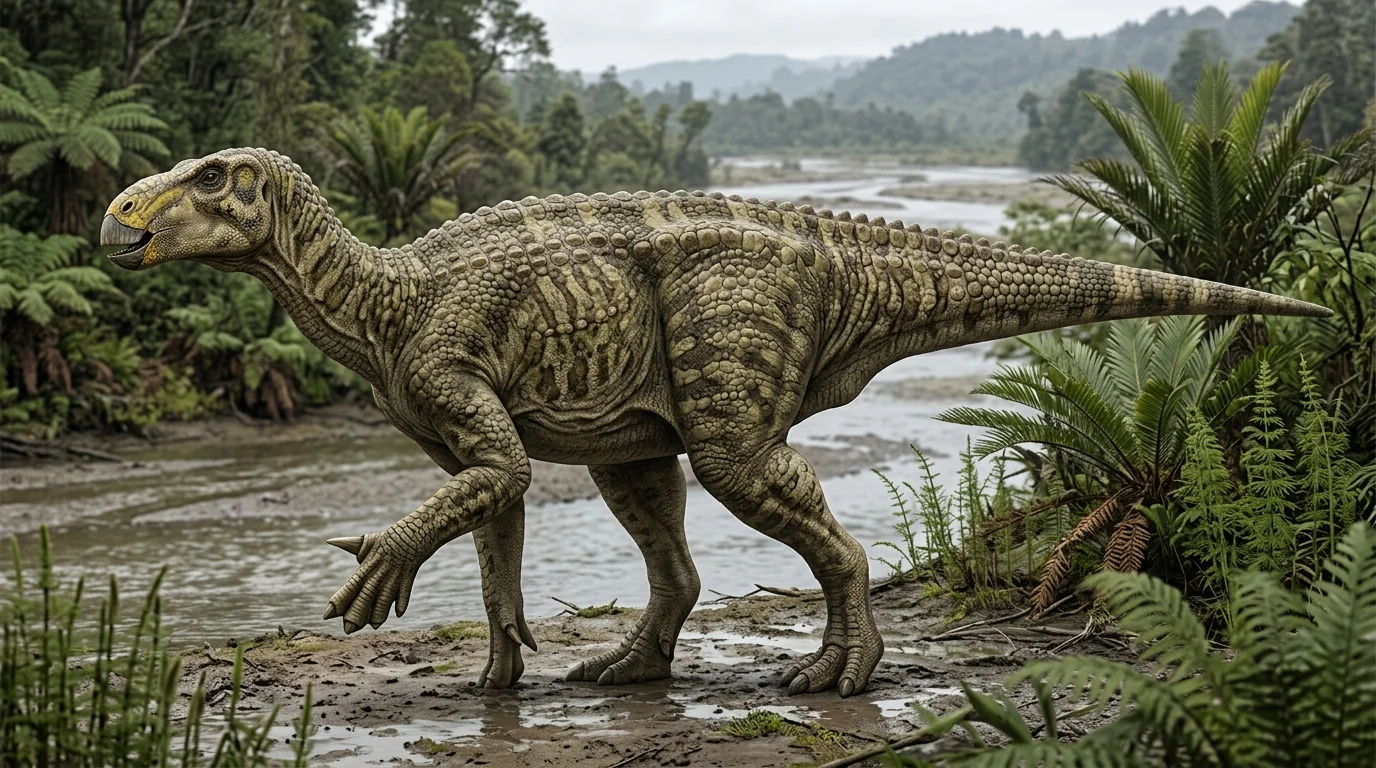
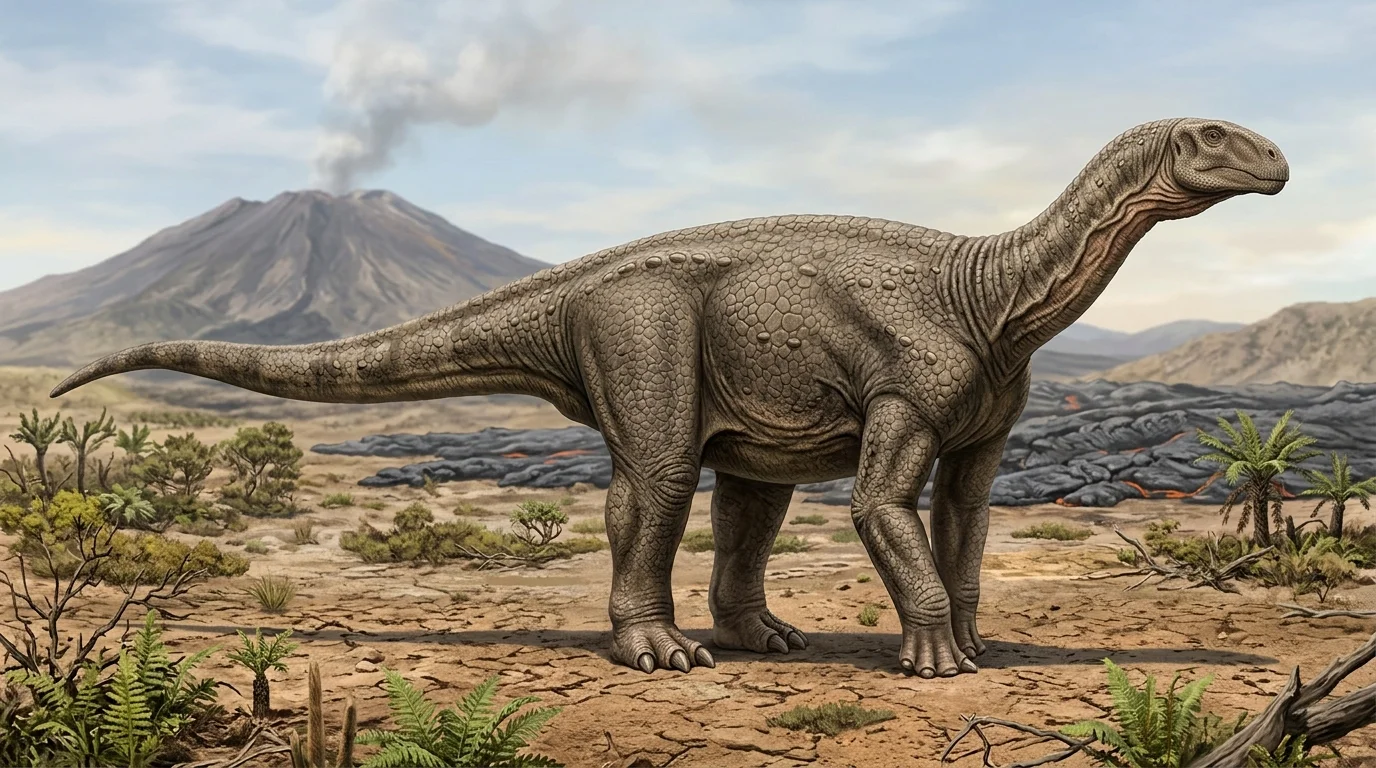
OrnithopodaIguanodon bernissartensis Boulenger, 1881
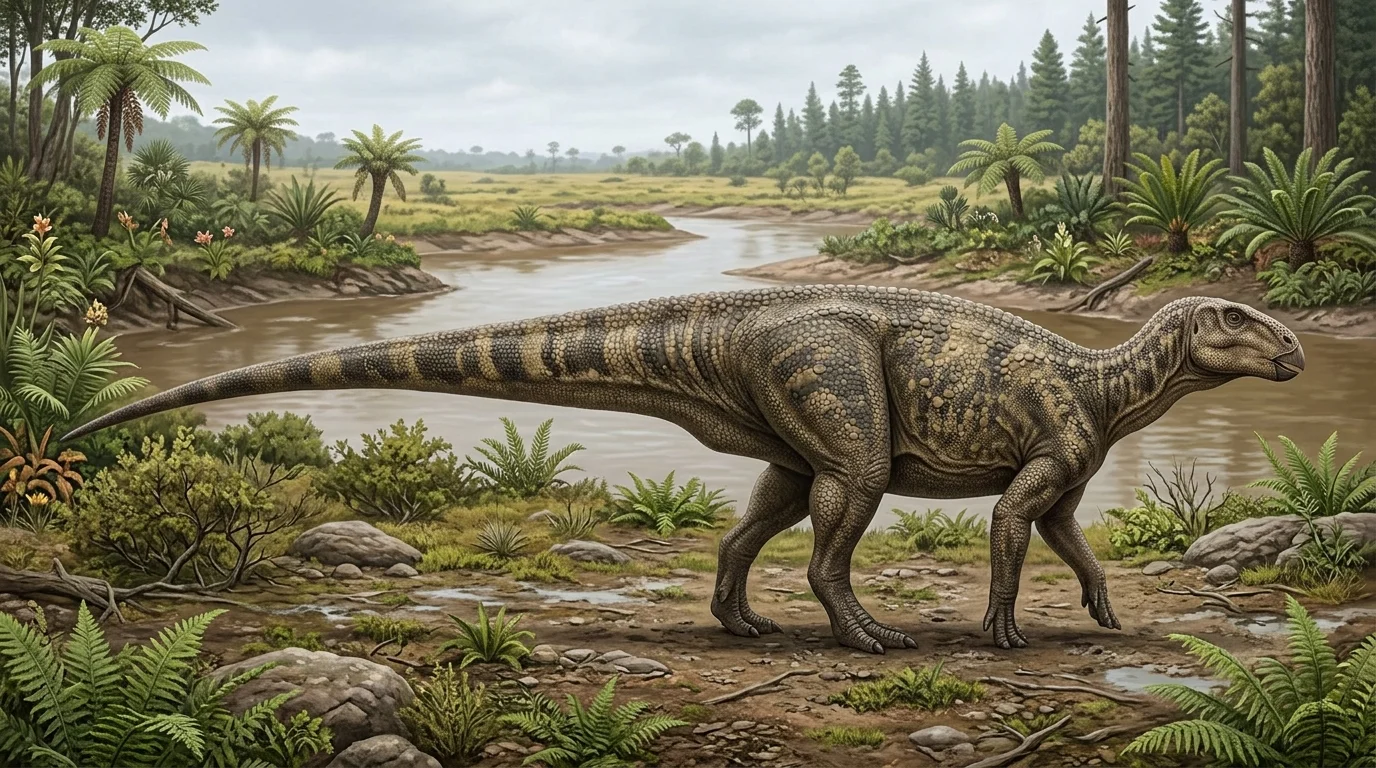
A foundational Early Cretaceous ornithopod possessing a specialized conical thumb spike and facultative quadrupedal gait.
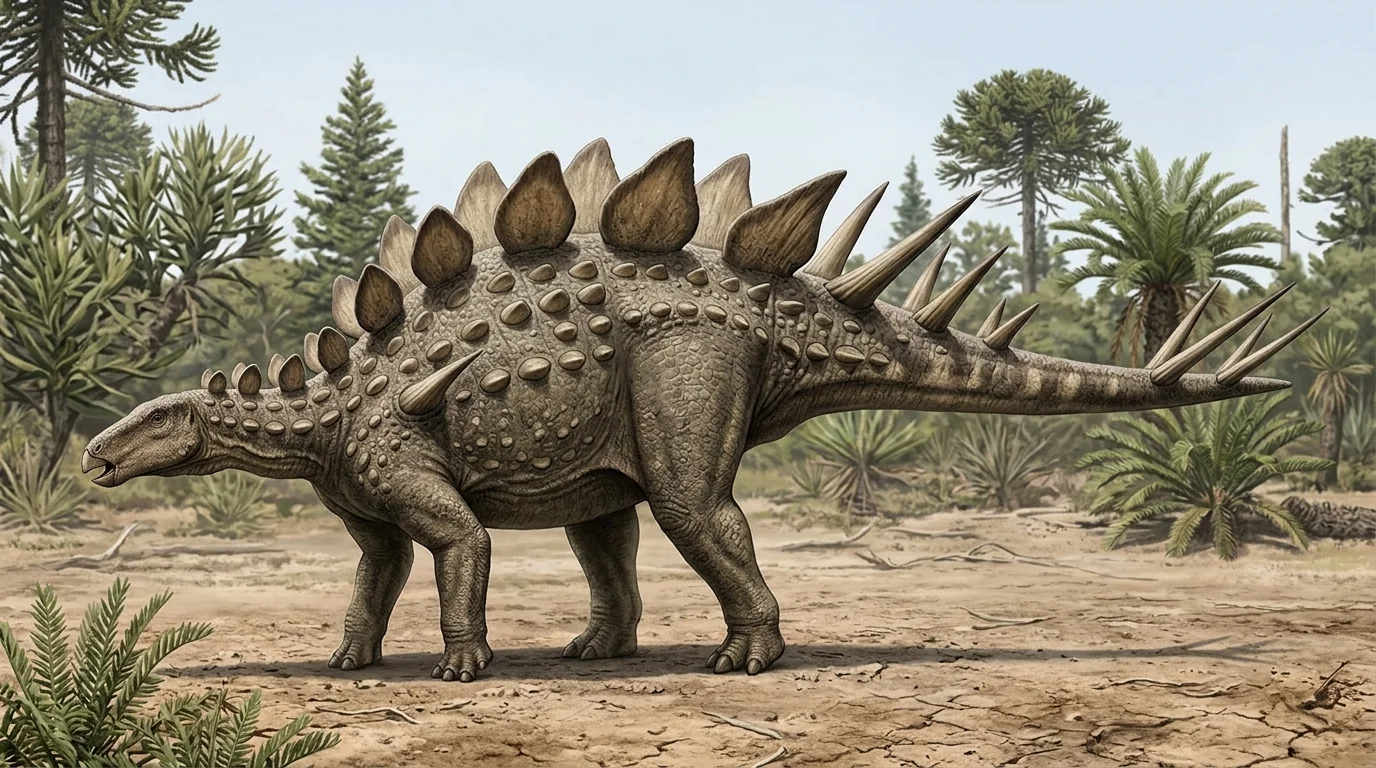
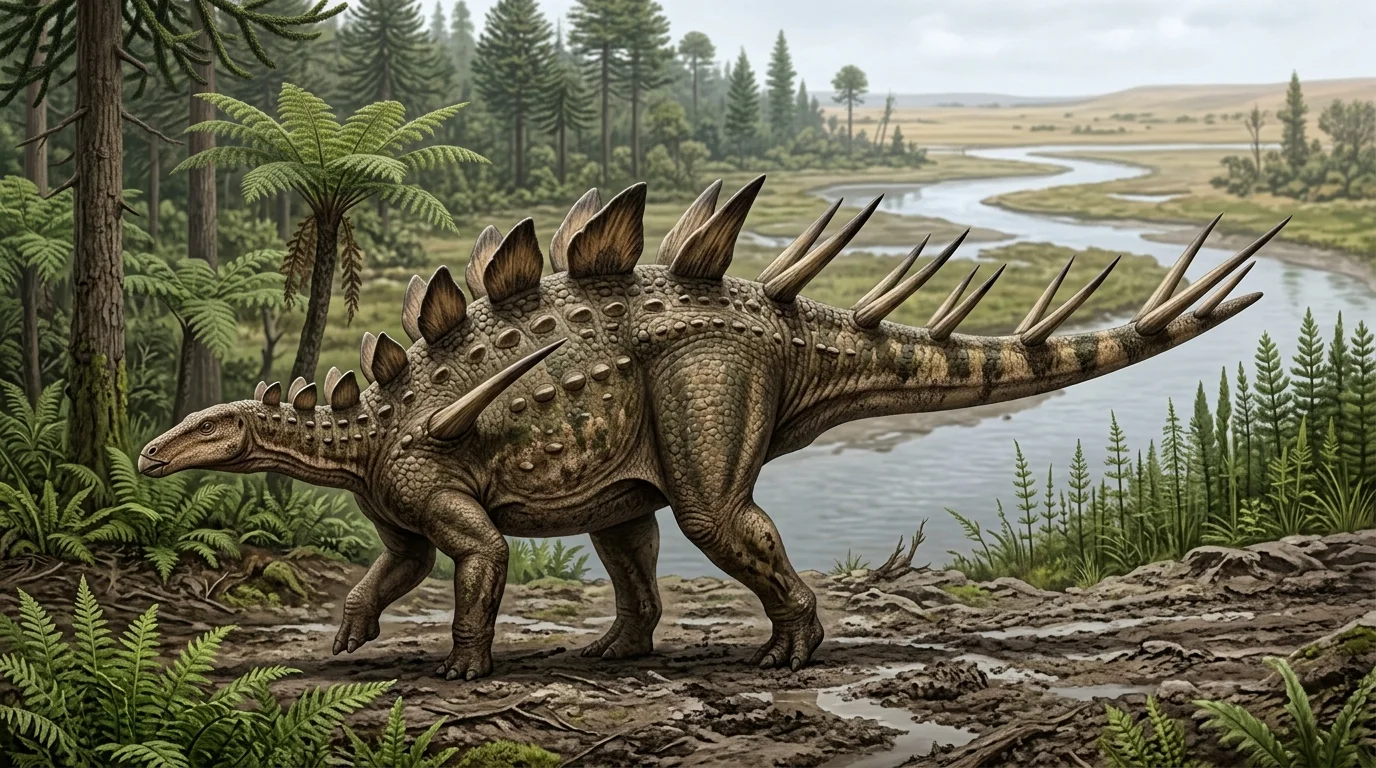
StegosauriaKentrosaurus aethiopicus Hennig, 1915
A spiky East African stegosaur equipped with dermal plates along its neck and long sharp spikes along its back and hips.
OrnithopodaMaiasaura peeblesorum Horner & Makela, 1979
The 'good mother lizard', the first dinosaur proven to provide intensive parental care to its hatched young.
SauropodomorphaMamenchisaurus constructus Young, 1954
A magnificent Asian sauropod famous for having one of the longest necks of any animal in natural history.
SauropodomorphaMelanorosaurus readi Haughton, 1924
A massive, quadrupedal basal sauropodomorph from the Late Triassic of South Africa.
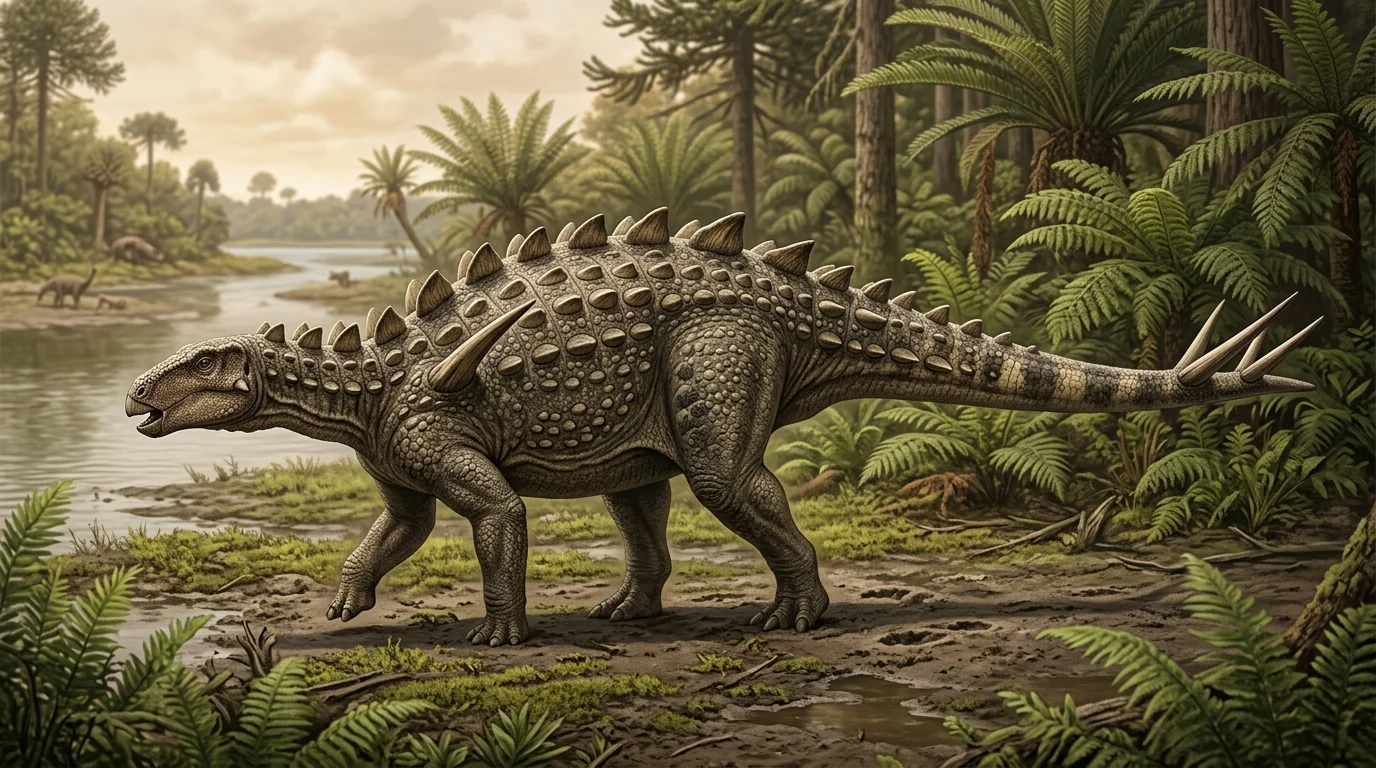
AnkylosauriaMinmi paravertebra Molnar, 1980
A small, agile Australian ankylosaur featuring unique horizontal 'paravertebra' bone plates along its spine.
StegosauriaMiragaia longicollum Mateus et al., 2009
A long-necked European stegosaur from Portugal possessing at least 17 neck vertebrae.
OrnithopodaMuttaburrasaurus langdoni Bartholomai & Molnar, 1981
A large Australian ornithopod equipped with a prominent bulbous, hollow nasal muzzle for vocal displays.
SauropodomorphaNigersaurus taqueti Sereno et al., 1999
The 'Mesozoic lawnmower', a specialized sauropod with a wide, straight-edged mouth and 500 replaceable teeth.
OrnithopodaOuranosaurus nigeriensis Taquet, 1976
The 'brave lizard', an unusual African iguanodontian bearing a high dorsal sail and camel-like fat hump.
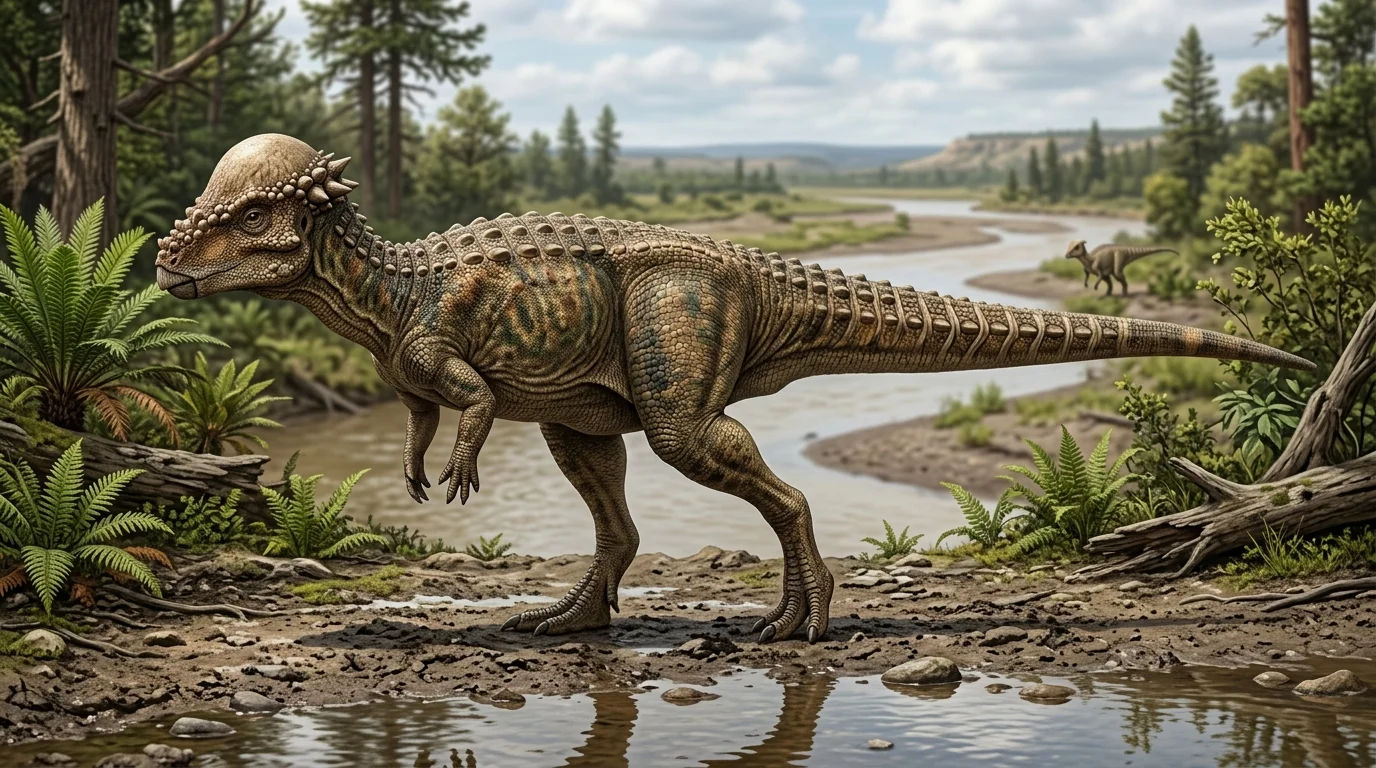
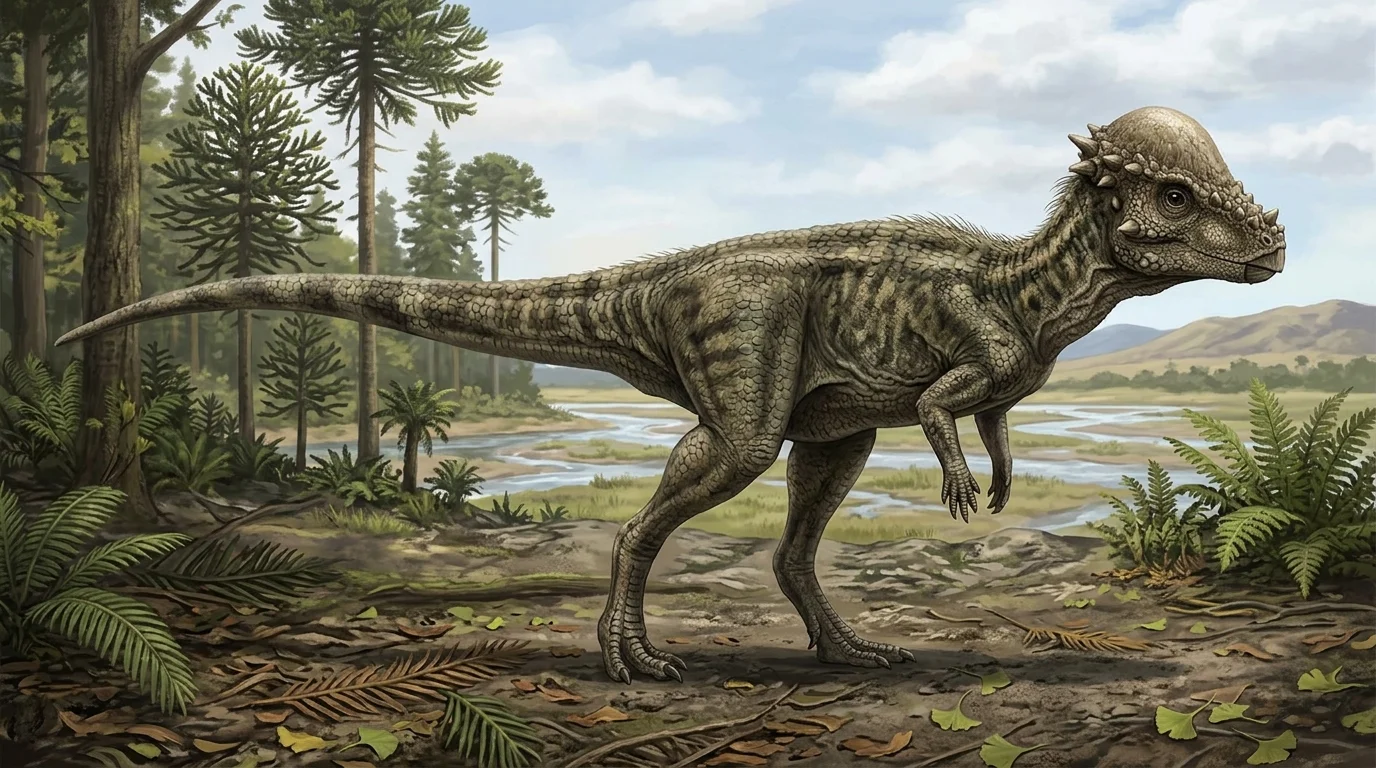
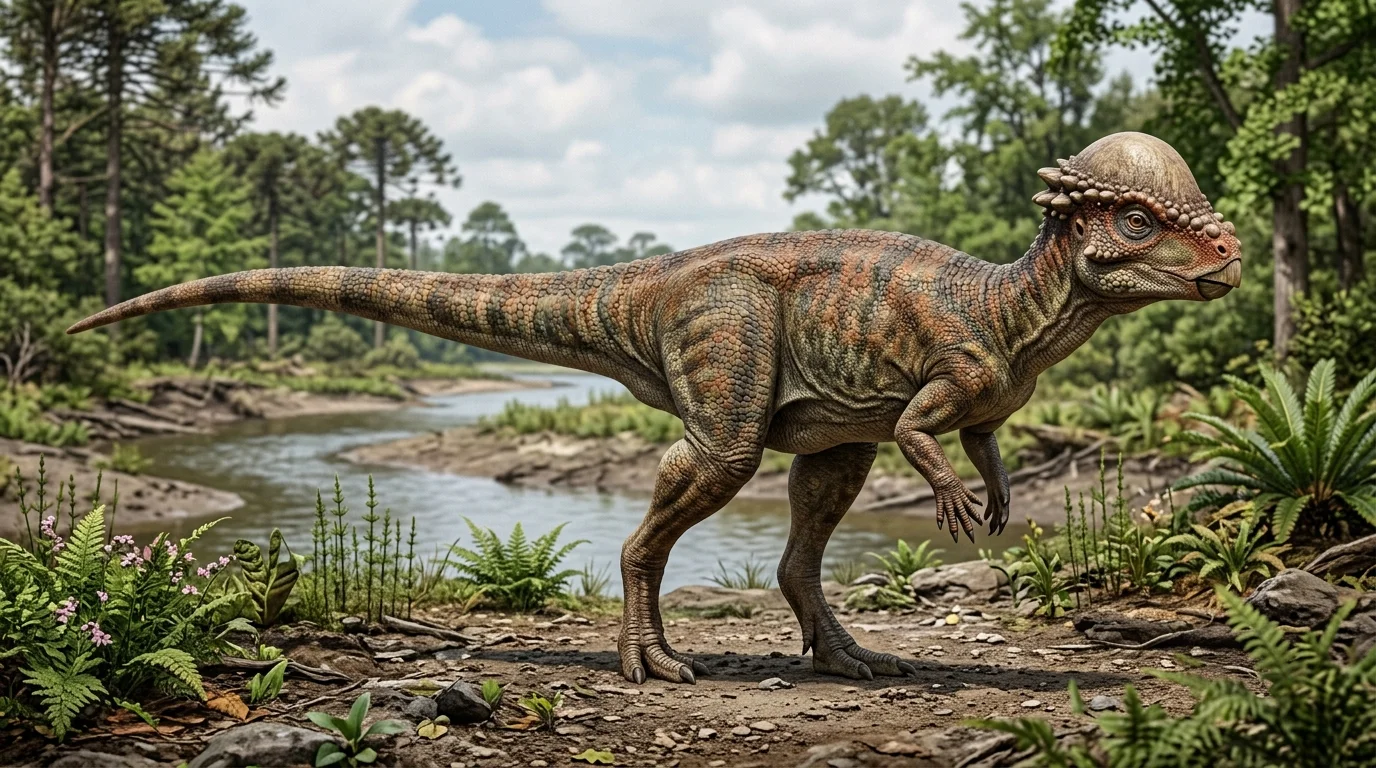
PachycephalosauriaPachycephalosaurus wyomingensis Gilmore, 1931
A bipedal ornithischian known for its 25-centimeter thick solid bone skull dome surrounded by bony knobs and spikes.
CeratopsiaPachyrhinosaurus canadensis Sternberg, 1950
The 'thick-nosed lizard', an Arctic-adapted ceratopsid that replaced horns with massive bony bosses.
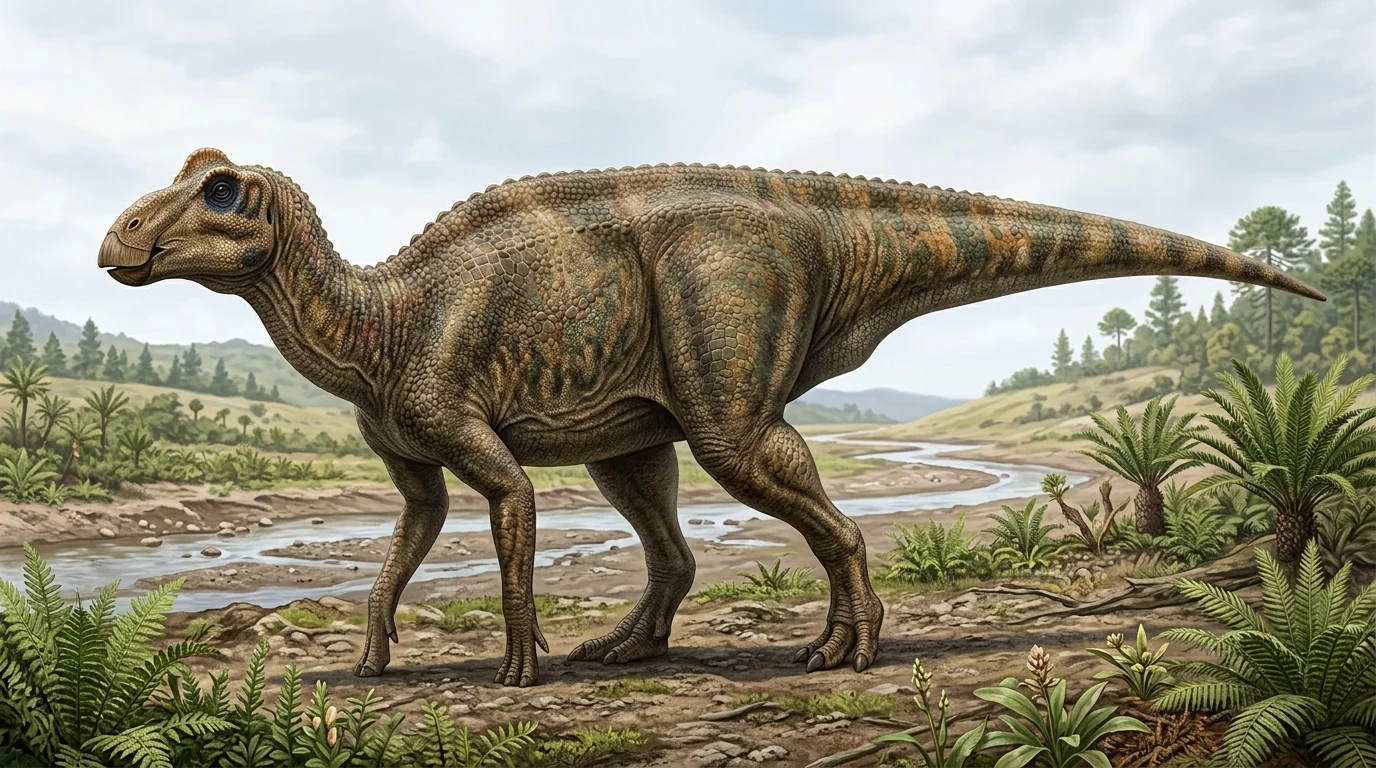
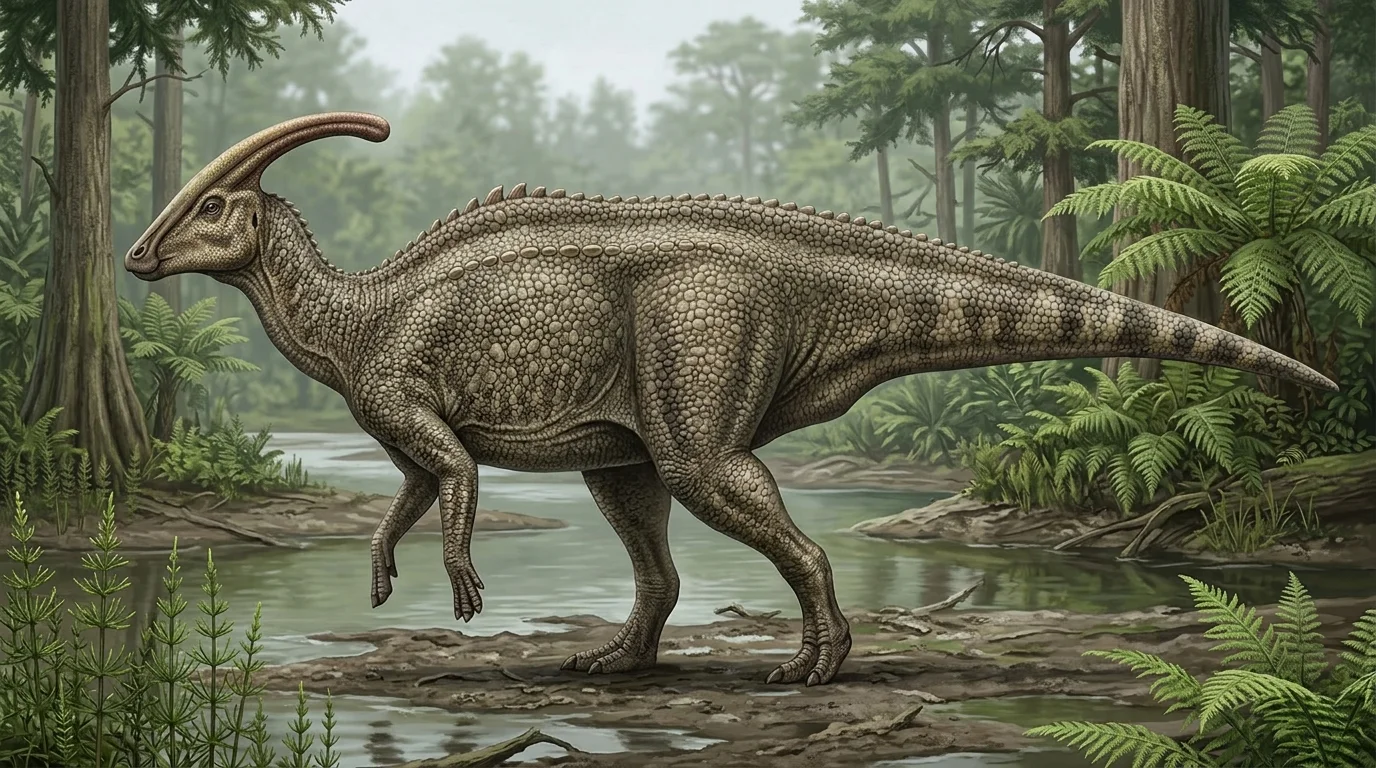
OrnithopodaParasaurolophus walkeri Parks, 1922
A crested hadrosaurid dinosaur renowned for its elongated, hollow cranial crest used for acoustic resonance and visual signaling.
SauropodomorphaPatagotitan mayorum Carballido et al., 2017
One of the most colossal land animals ever discovered, reaching 37 meters in length and weighing over 55 metric tons.
SauropodomorphaPlateosaurus trossingensis Fraas, 1913
The classic European 'prosauropod', a dominant Late Triassic long-necked herbivore that lived in massive herds.
PachycephalosauriaPrenocephale prenes Maryańska & Osmólska, 1974
A complete, high-domed pachycephalosaur from the Late Cretaceous Nemegt Basin of Mongolia.
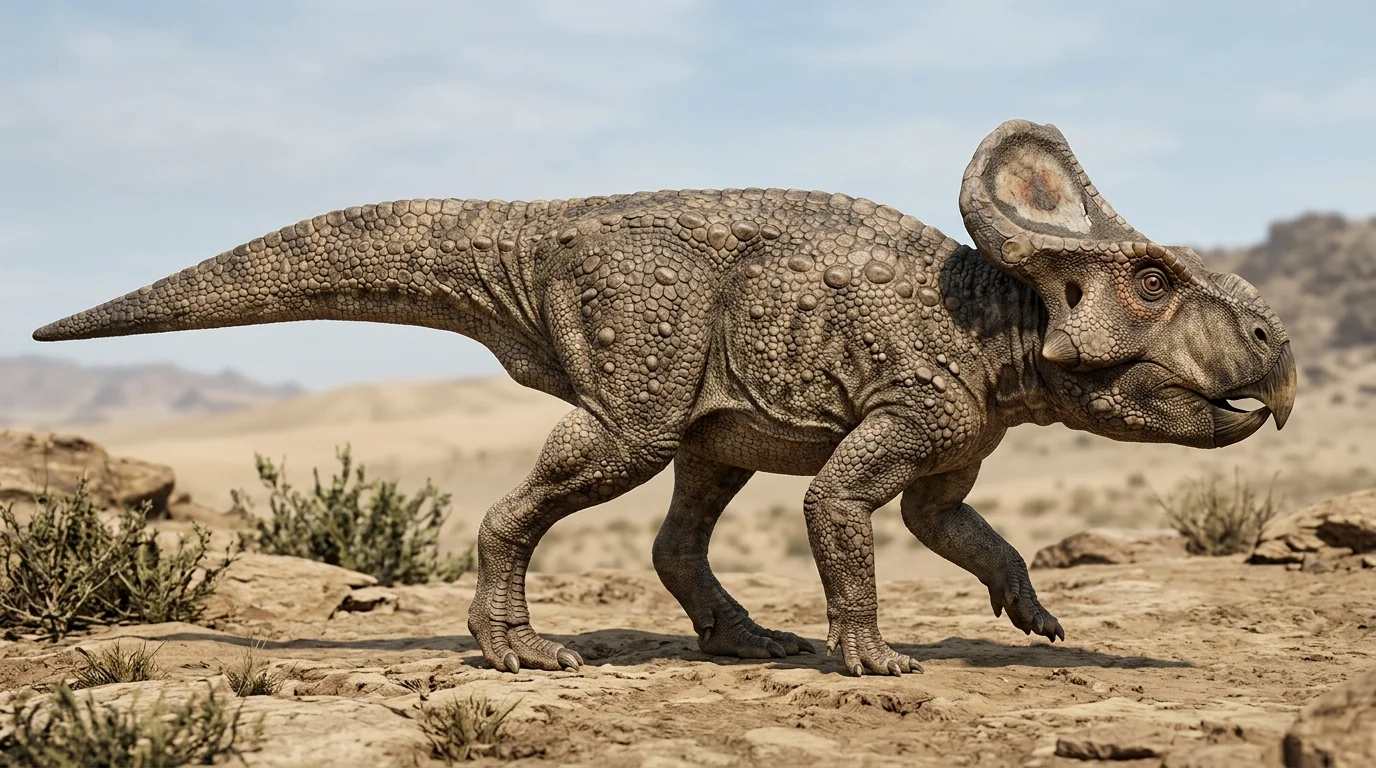
CeratopsiaProtoceratops andrewsi Granger & Gregory, 1923
A sheep-sized, hornless horned dinosaur that roamed the sand dunes of the Late Cretaceous Gobi Desert.
CeratopsiaPsittacosaurus mongoliensis Osborn, 1923
The 'parrot lizard', a prolific basal ceratopsian known for its high-crowned beak and tail bristles.
SauropodomorphaRiojasaurus incertus Bonaparte, 1969
A heavy, quadrupedal Late Triassic sauropodomorph from Argentina with dense limb bones.
SauropodomorphaShunosaurus lii Dong et al., 1983
A Middle Jurassic sauropod from China equipped with a defensive bony club and spikes on the tip of its tail.
PachycephalosauriaStegoceras validum Lambe, 1902
A small, bipedal pachycephalosaur from Alberta featuring an extremely thick, solid skull dome.
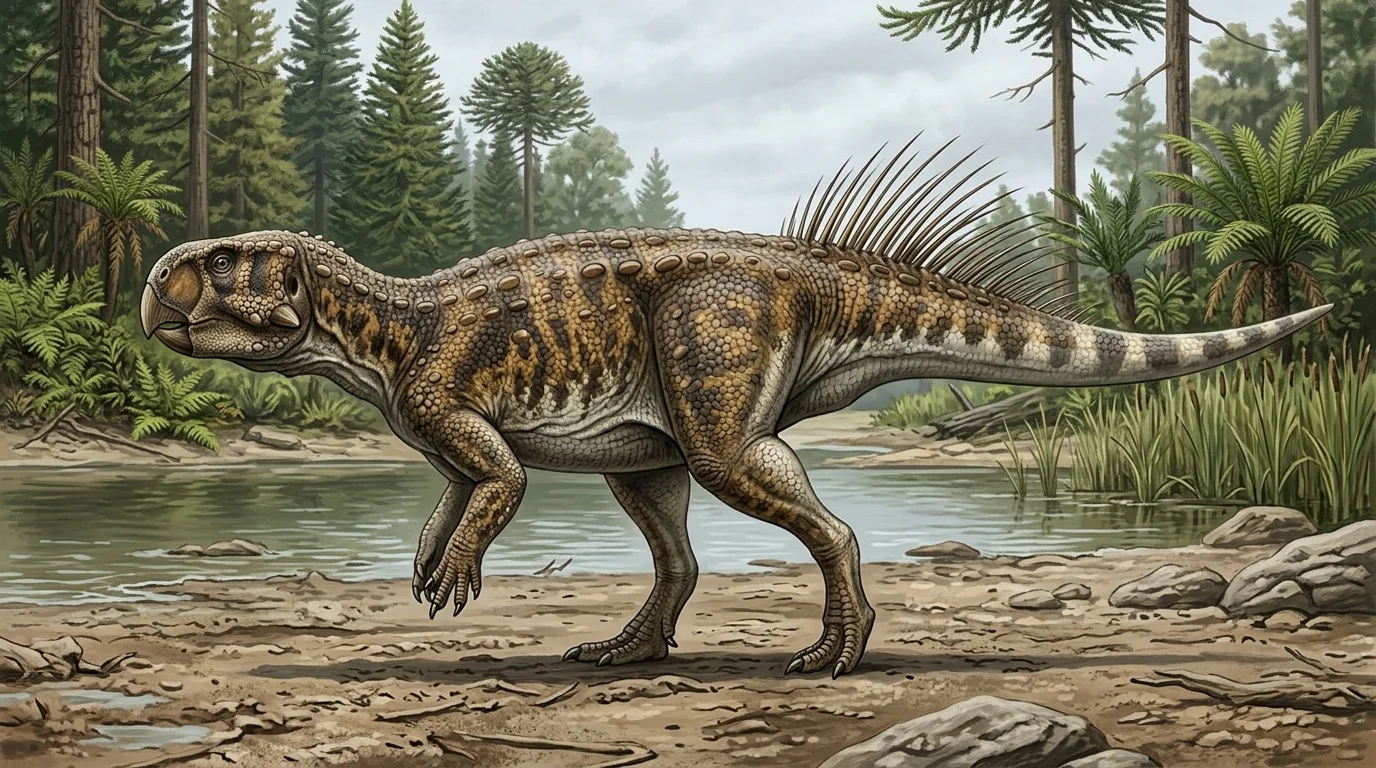
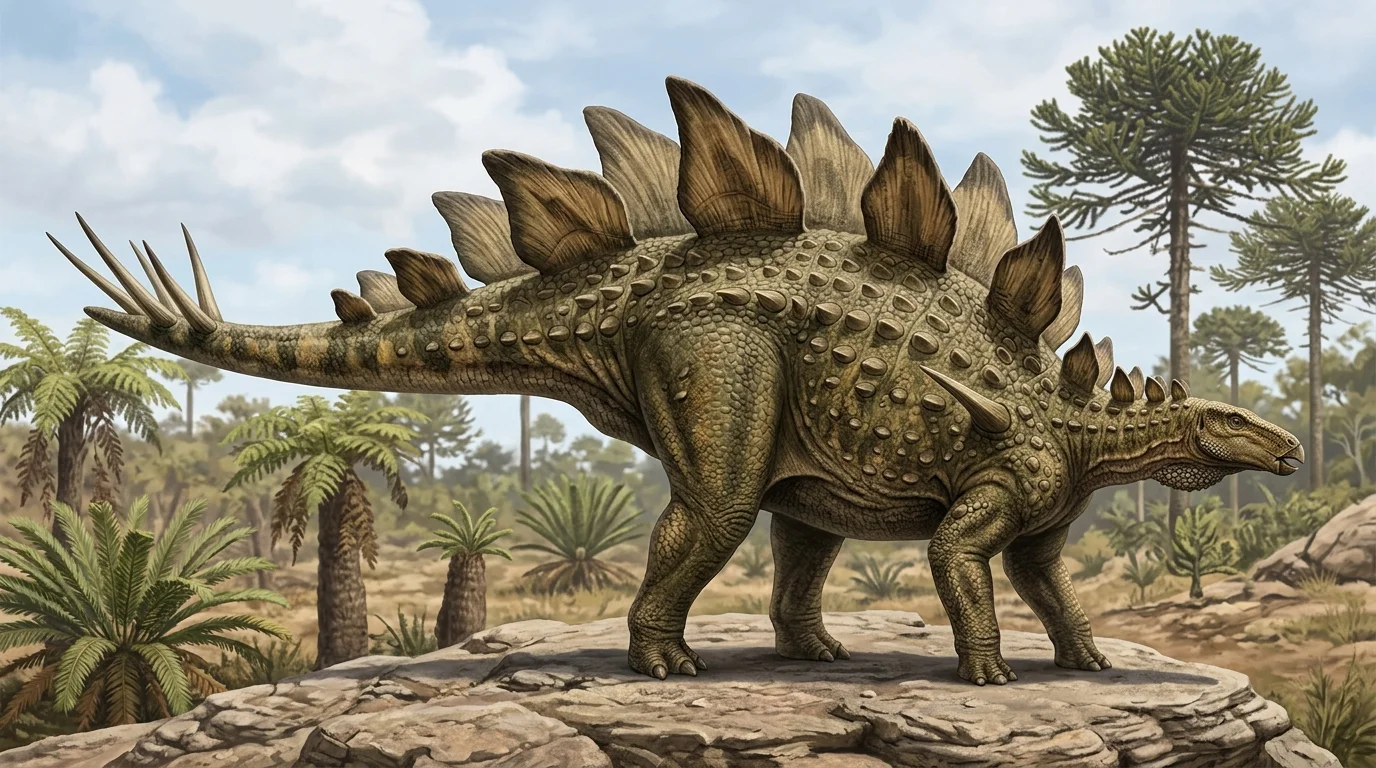
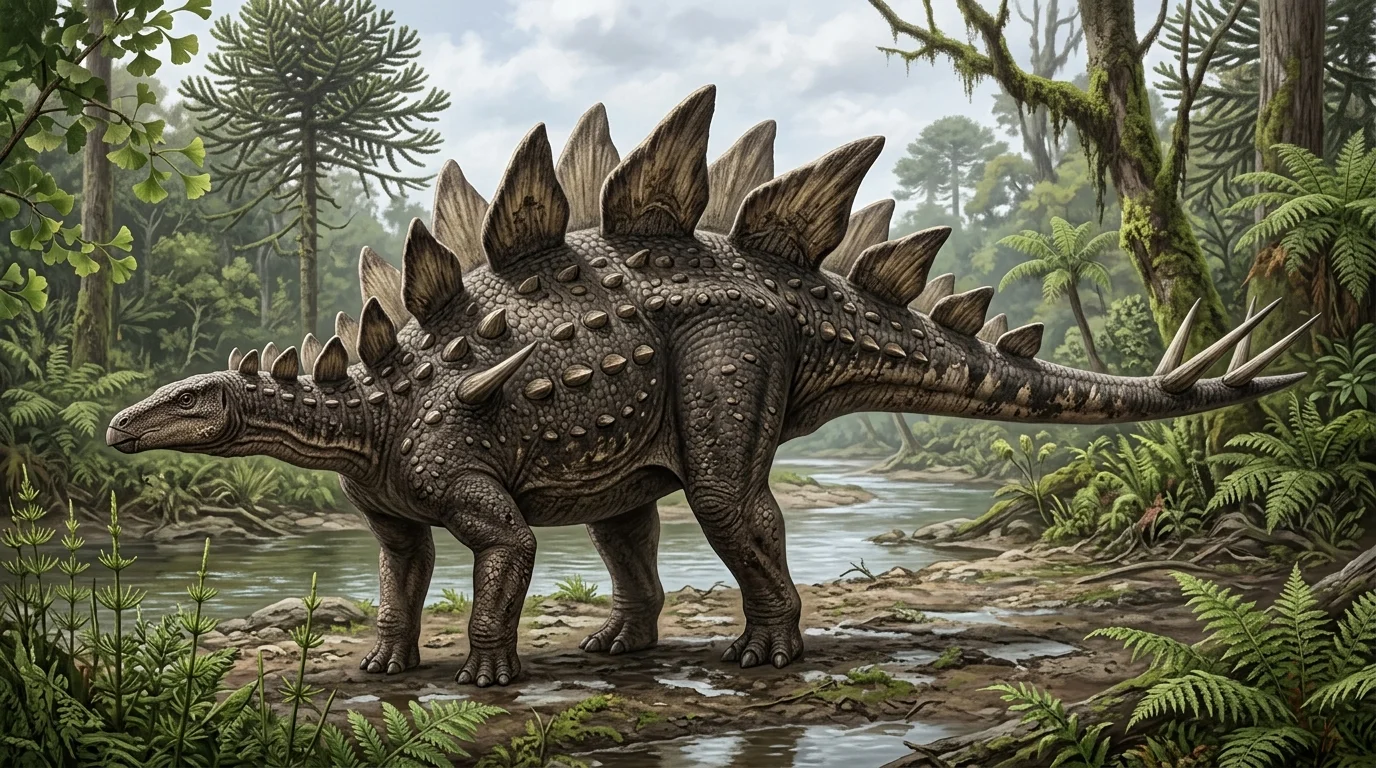
Featured SpecimenStegosauriaStegosaurus stenops Marsh, 1887
An iconic armored herbivore of the Late Jurassic with two alternating rows of vertical dorsal plates and a four-spiked tail thagomizer.
CeratopsiaStyracosaurus albertensis Lambe, 1913
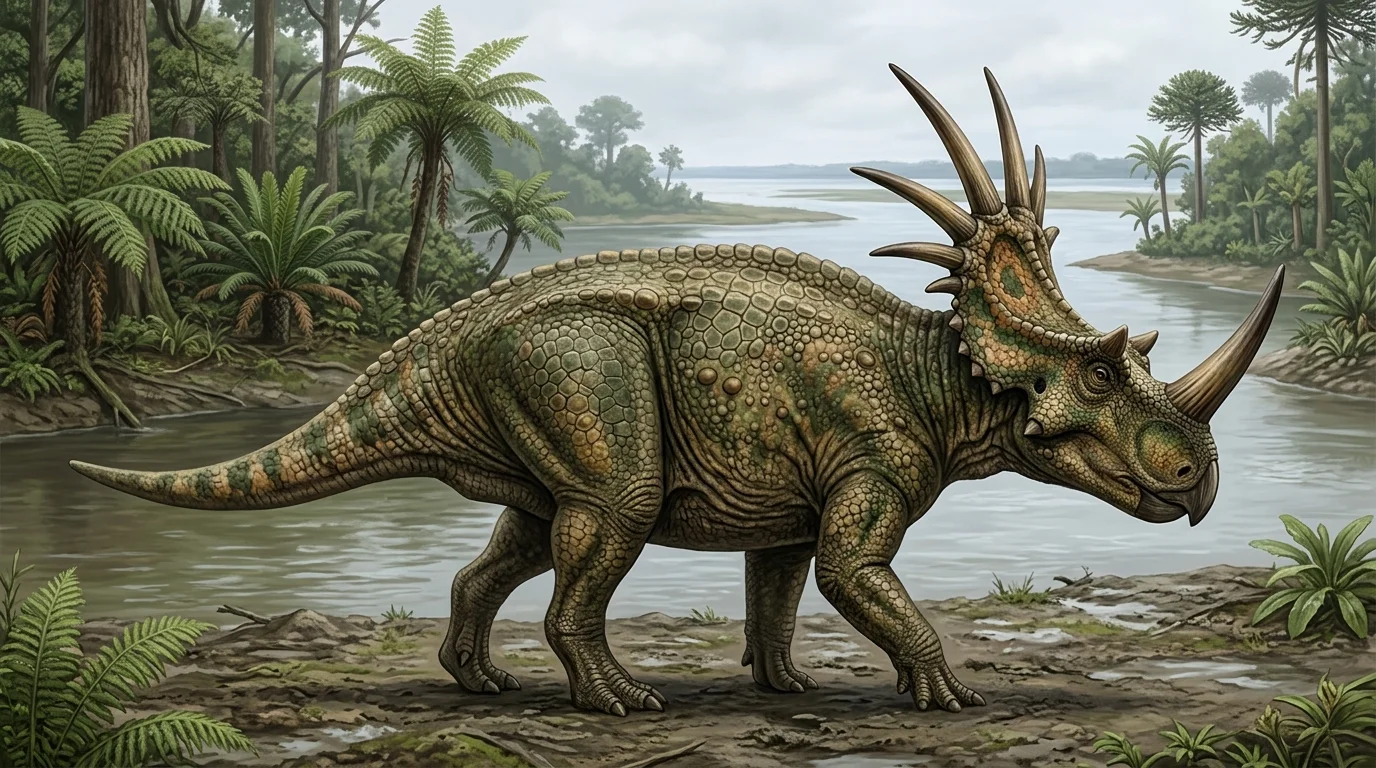
A dramatic centrosaurine ceratopsian of Late Cretaceous Canada bearing a single long nasal horn and six long frill spikes.
OrnithopodaTenontosaurus tilletti Ostrom, 1970
A muscular Early Cretaceous ornithopod with an exceptionally long, deep tail, famous as the prey of Deinonychus.
SauropodomorphaThecodontosaurus antiquus Morris, 1843
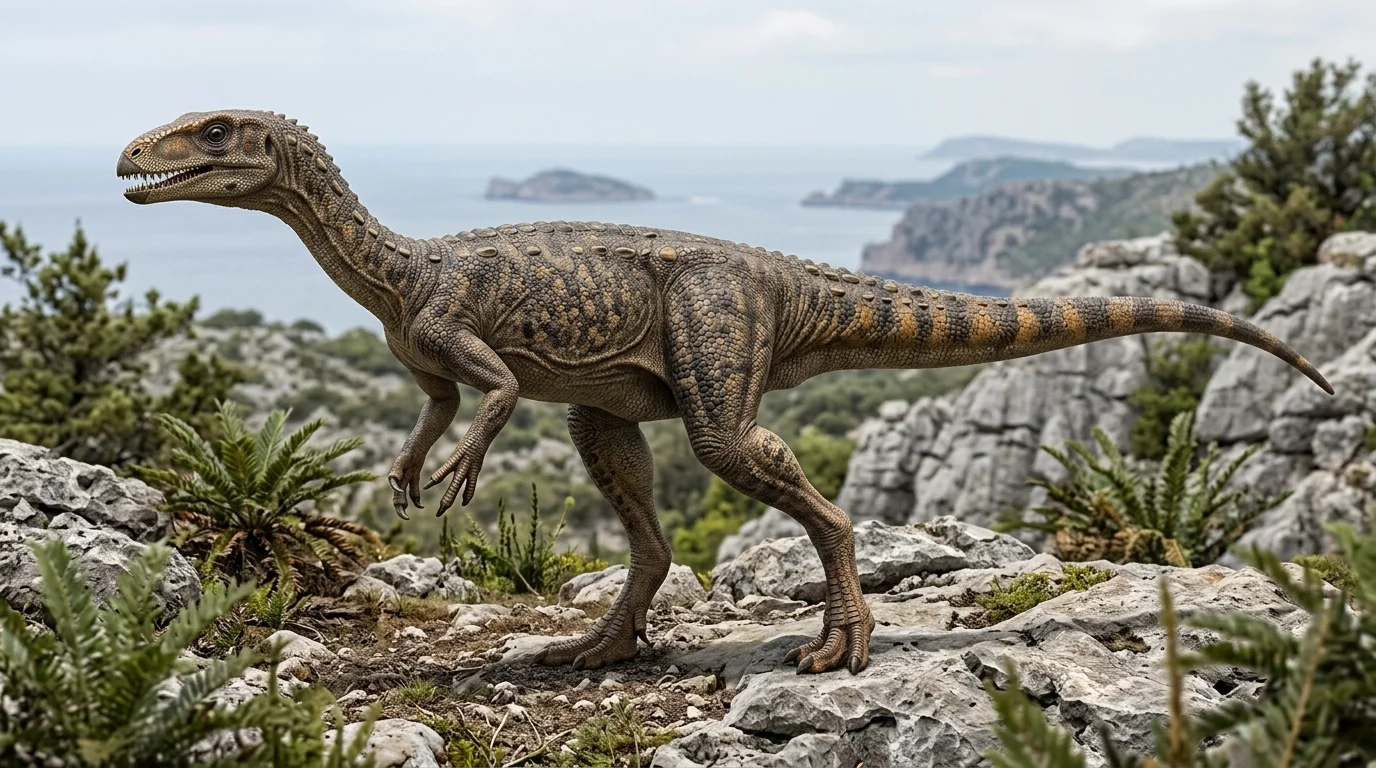
One of the earliest dinosaurs ever named, an agile small herbivore from the Late Triassic fissure fills of southwestern Britain.
Featured SpecimenTheropodaTherizinosaurus cheloniformis Maleev, 1954
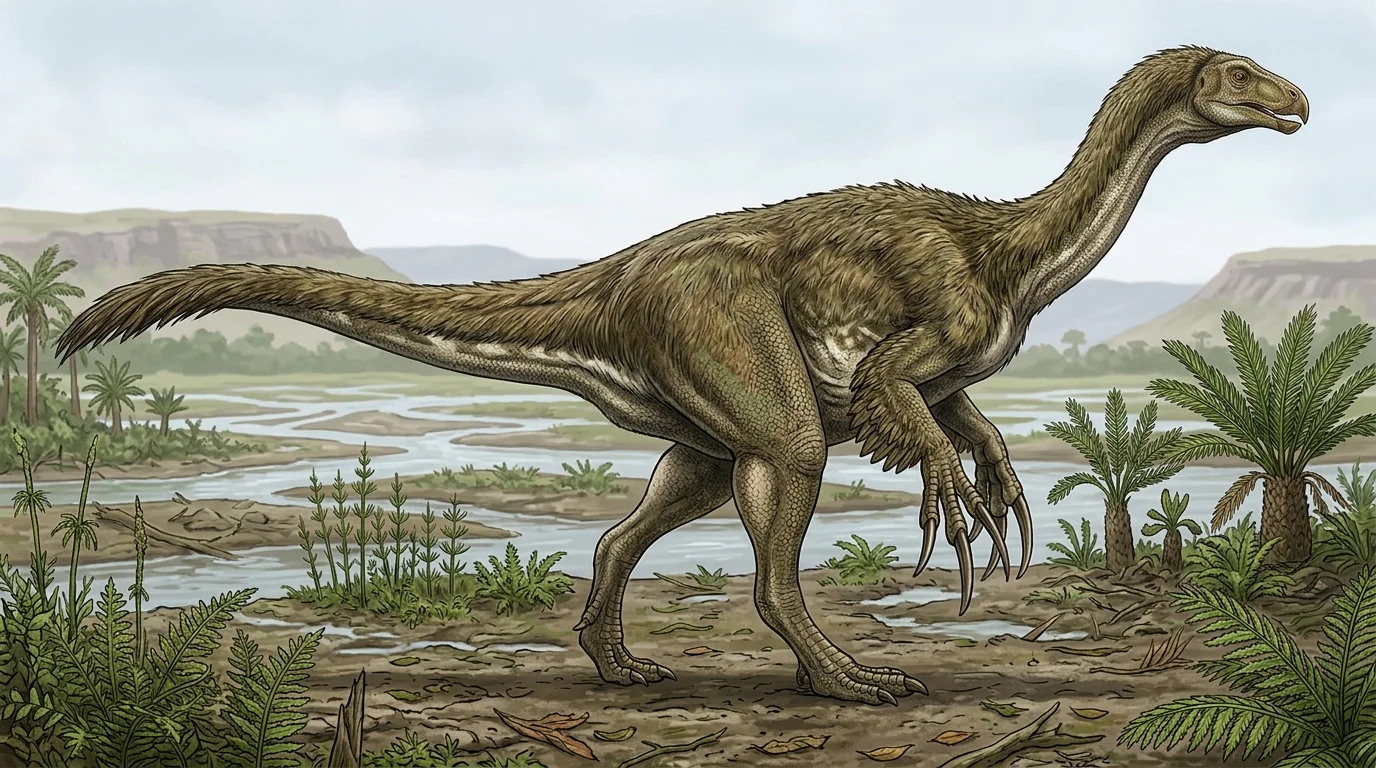
A bizarre herbivorous theropod of Late Cretaceous Mongolia bearing the longest claws of any known animal—up to 1 meter in length.
CeratopsiaTorosaurus latus Marsh, 1891
A Late Cretaceous ceratopsid that possessed one of the largest and longest skulls of any land animal in history.
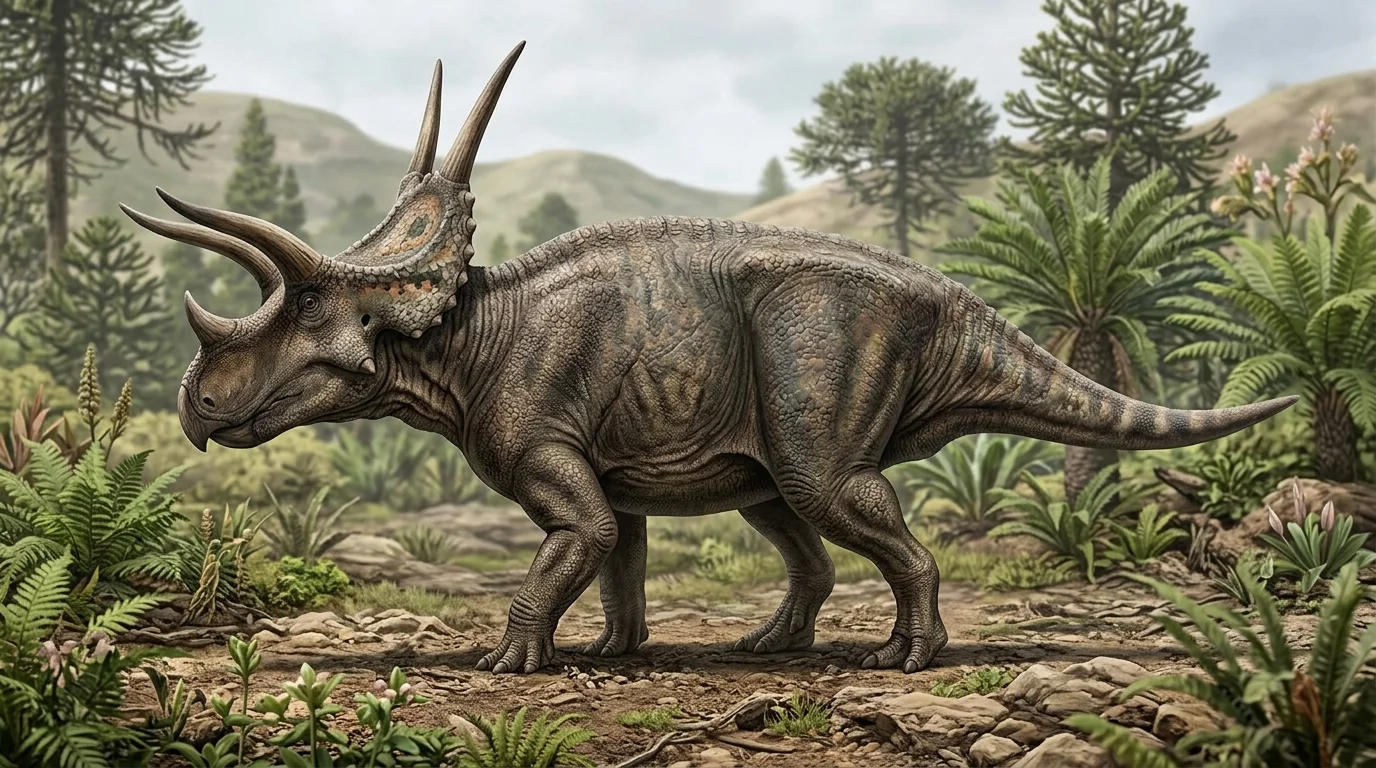
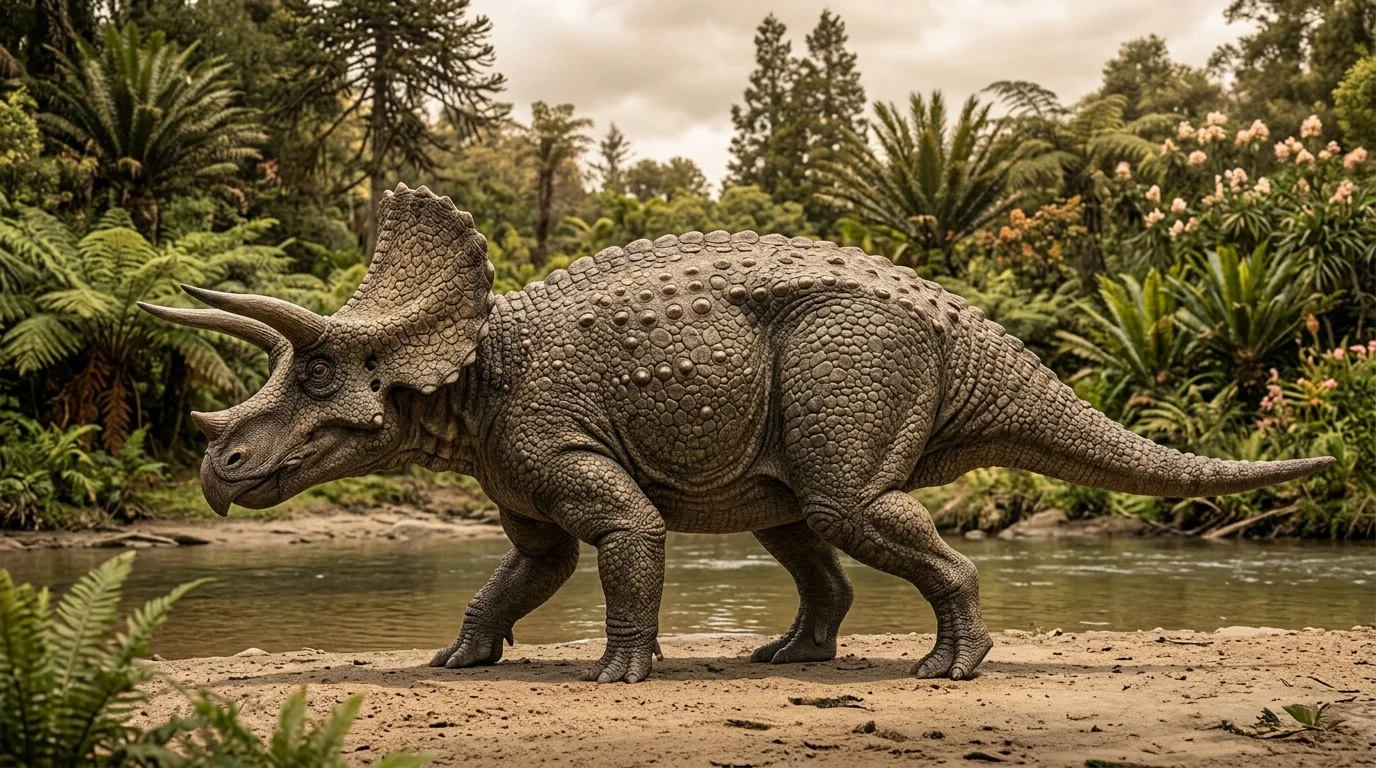
Featured SpecimenCeratopsiaTriceratops horridus Marsh, 1889
A colossal three-horned ceratopsian dinosaur of the Late Cretaceous with a solid parietal-squamosal bone frill.
StegosauriaTuojiangosaurus multispinus Dong et al., 1977
A large, iconic Late Jurassic Chinese stegosaur with tall pointed plates and sharp tail thagomizers.
SauropodomorphaVulcanodon karibaensis Raath, 1972
An archaic Early Jurassic basal sauropod discovered beneath volcanic lava beds in Zimbabwe.