Loading species comparison matrix...
Direct Paleobiological Analysis
Maiasauravs.Corythosaurus
A side-by-side scientific comparison of physiological dimensions, biomechanics, temporal horizons, and anatomical specializations.
Comparing 2 of maximum 4 specimens
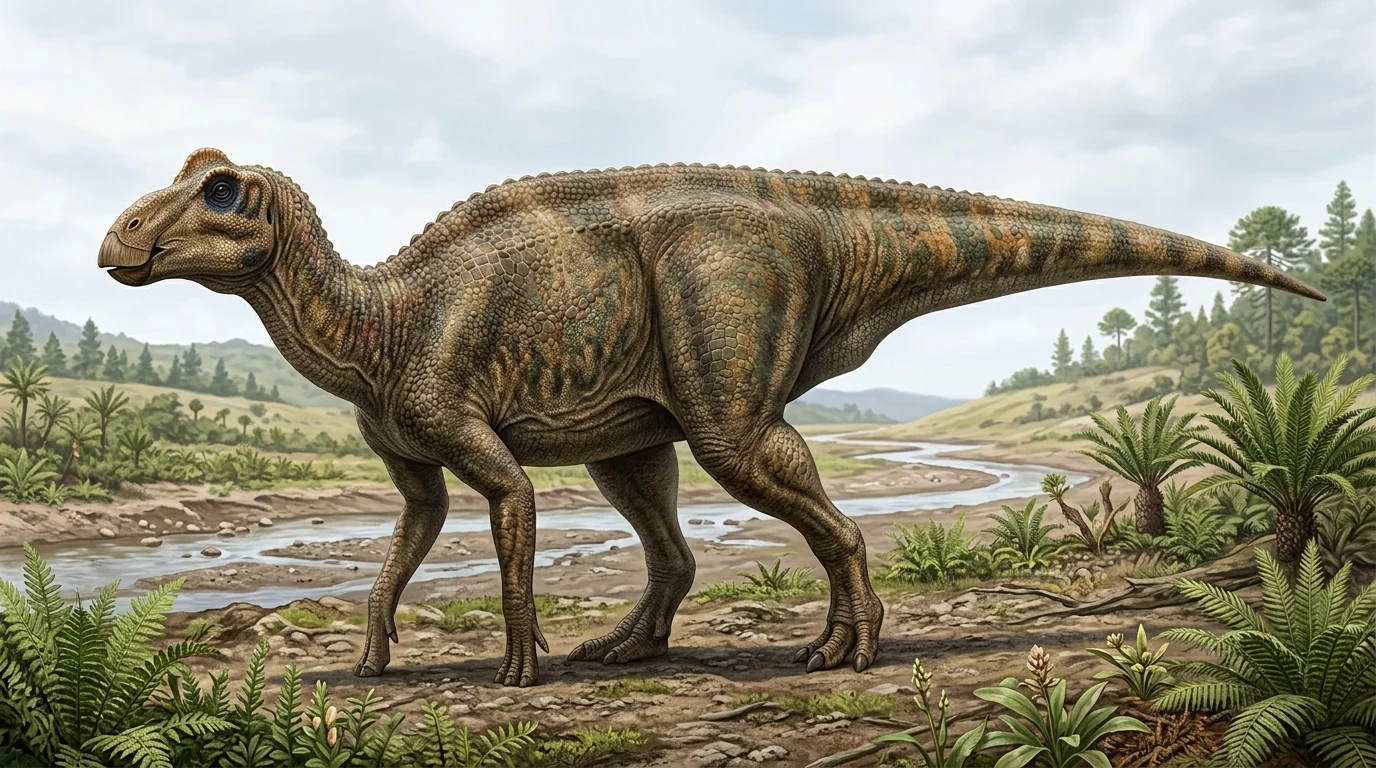 Ornithopoda
Maiasaura
Maiasaura peeblesorum Horner & Makela, 1979
The 'good mother lizard', the first dinosaur proven to provide intensive parental care to its hatched young.
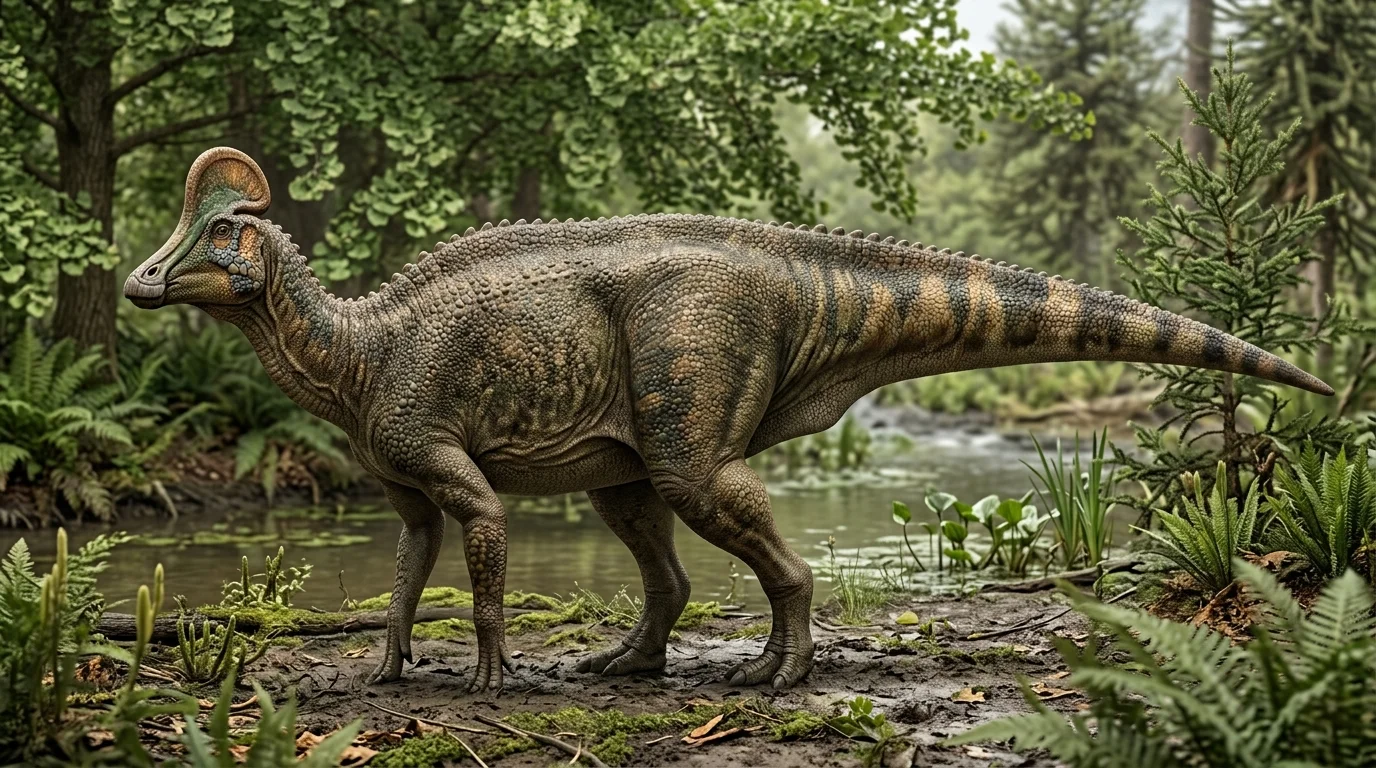 Ornithopoda
Corythosaurus
Corythosaurus casuarius Brown, 1914
A hollow-crested hadrosaurid from Alberta possessing a tall, semicircular helmet crest for sound resonance.
Comparative Paleobiological & Anatomical Matrix
| Feature / Trait | Maiasaura | Corythosaurus |
|---|---|---|
Total Length | 8–9 m (26.2–29.5 ft) Estimated maximum | 8.5–10 m (27.9–32.8 ft) Estimated maximum |
Hip Height | 2.8–3.2 m (9.2–10.5 ft) Model estimate | 3–3.8 m (9.8–12.5 ft) Model estimate |
Body Mass | 2.5–4.0 metric tons (5,512–8,818 lbs) Volumetric/allometric model | 3.0–4.5 metric tons (6,614–9,921 lbs) Volumetric/allometric model |
Epoch Horizon | Cretaceous Period 79–76 Ma (million years ago) | Cretaceous Period 77–75 Ma (million years ago) |
Diet & Trophic Role | Herbivore Conifers, ferns, woody twigs, and flowering plants pulverized with interlocking dental batteries. | Herbivore Conifer needles, fruits, seeds, and tender dicot leaves processed with thousands of grinding teeth. |
Taxonomic Clade | Ornithopoda(Suborder) | Ornithopoda(Suborder) |
Fossil Localities | Two Medicine Formation, Teton County, Montana, United States Named: 1978 | Dinosaur Park Formation, Alberta, Canada Named: 1911 |
Locomotion & Behavior | Highly maternal hadrosaur that nested in communal colonies, bringing food to altricial hatchlings as demonstrated by fossil nesting sites. In the Two Medicine Formation, Maiasaura herds were constantly monitored by intelligent predatory troodontids like [Troodon](/dinosaurs/troodon). | Herbivorous hadrosaurid that used its hollow helmet-like cranial crest as an acoustic resonating chamber and visual display structure. In the Dinosaur Park ecosystem, Corythosaurus lived sympatrically with related crest-bearing hadrosaurs like [Parasaurolophus](/dinosaurs/parasaurolophus) and horned herbivores like [Centrosaurus](/dinosaurs/centrosaurus). |
Holotype & Fossils | Hundreds of skeletons, fossilized nests, clutches of eggs, hatchlings, and juvenile growth series. | Nearly complete skeletons with preserved skin impressions and ossified tendons. |
Paleontological Uncertainty Advisory: Anatomical dimensions, body masses, and metabolic rates are scientific estimates derived from volumetric scaling, laser scanning, and biomechanical limb bone allometry. Missing traits indicate non-preserved fossil elements rather than anatomical absence.