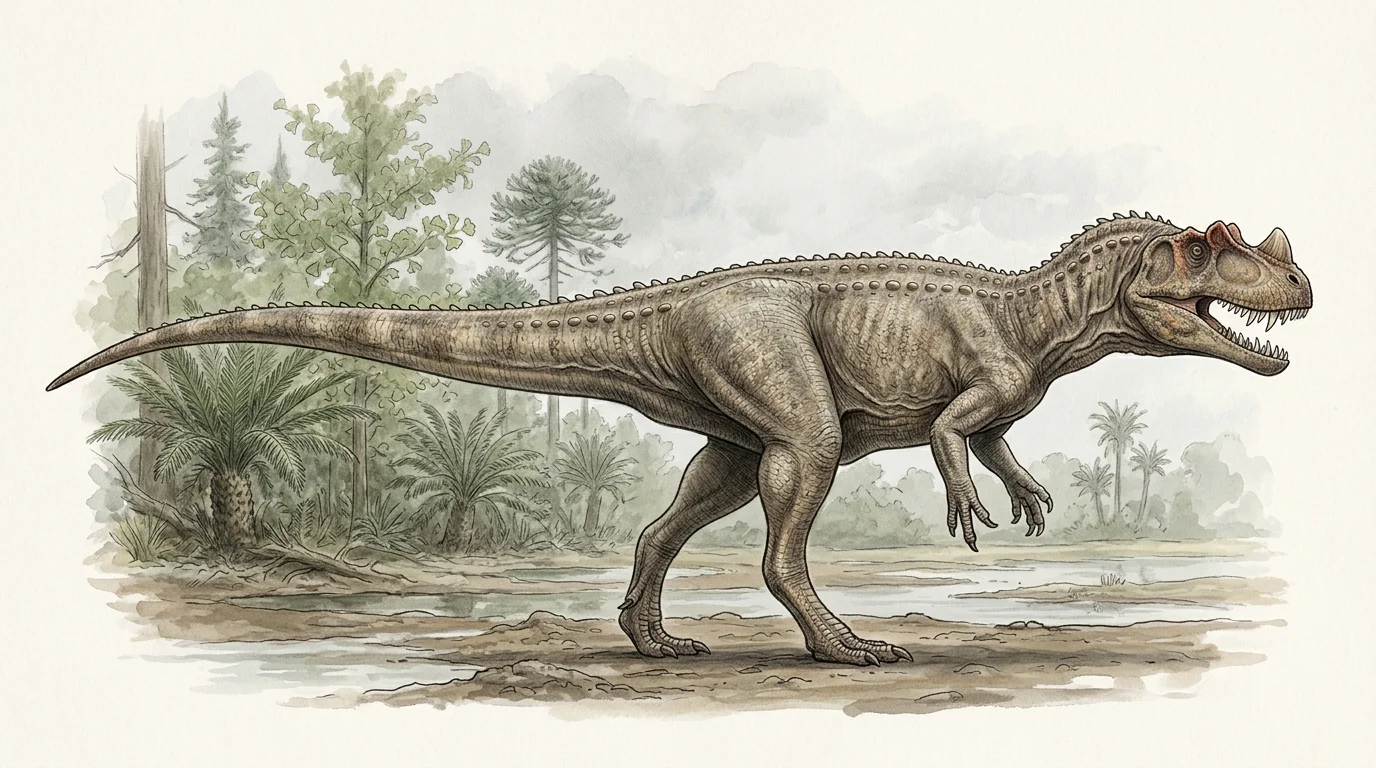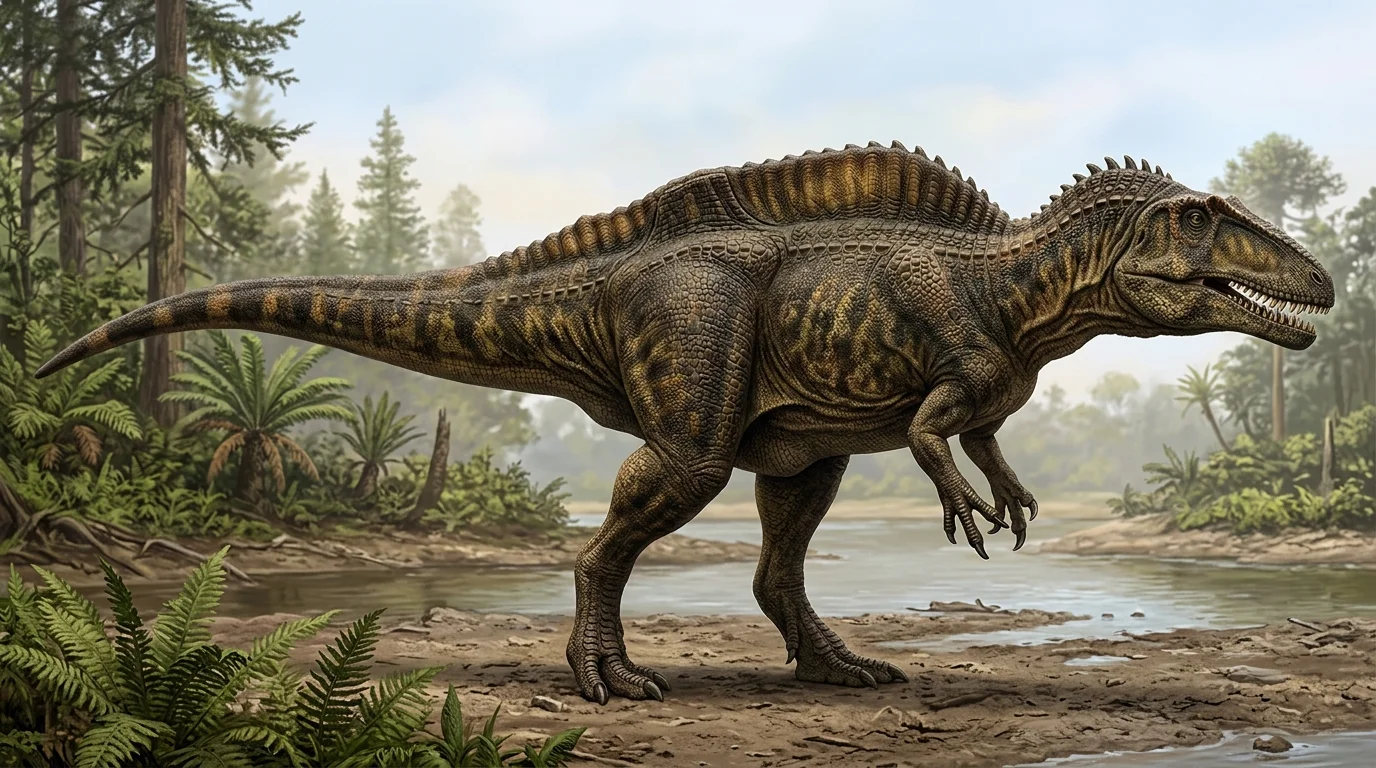
TheropodaAcrocanthosaurus
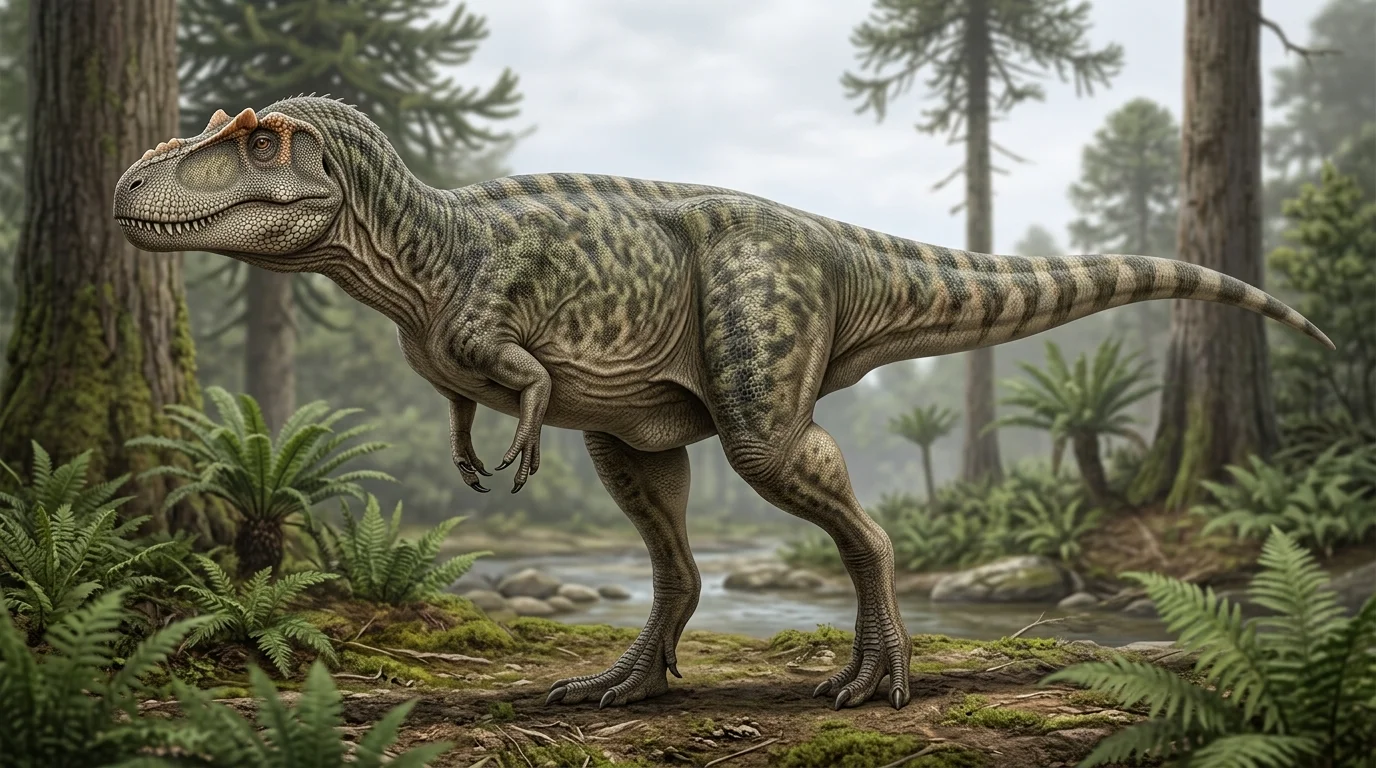
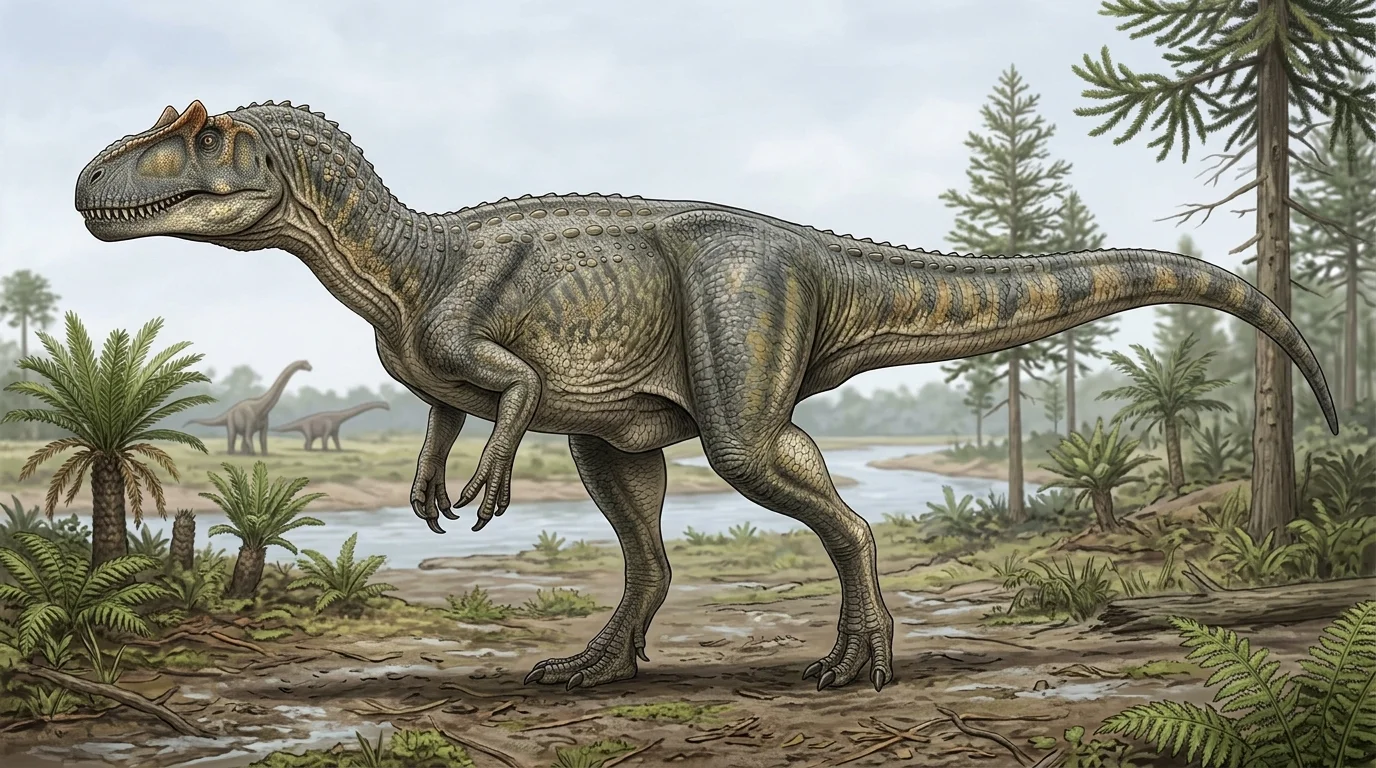
Acrocanthosaurus atokensis Stovall & Langston, 1950
A high-spined North American apex predator famous for hunting sauropods across Early Cretaceous river valleys.
Home to the fossil-rich Morrison Formation of the Late Jurassic and the Hell Creek and Dinosaur Park Formations of the Late Cretaceous.
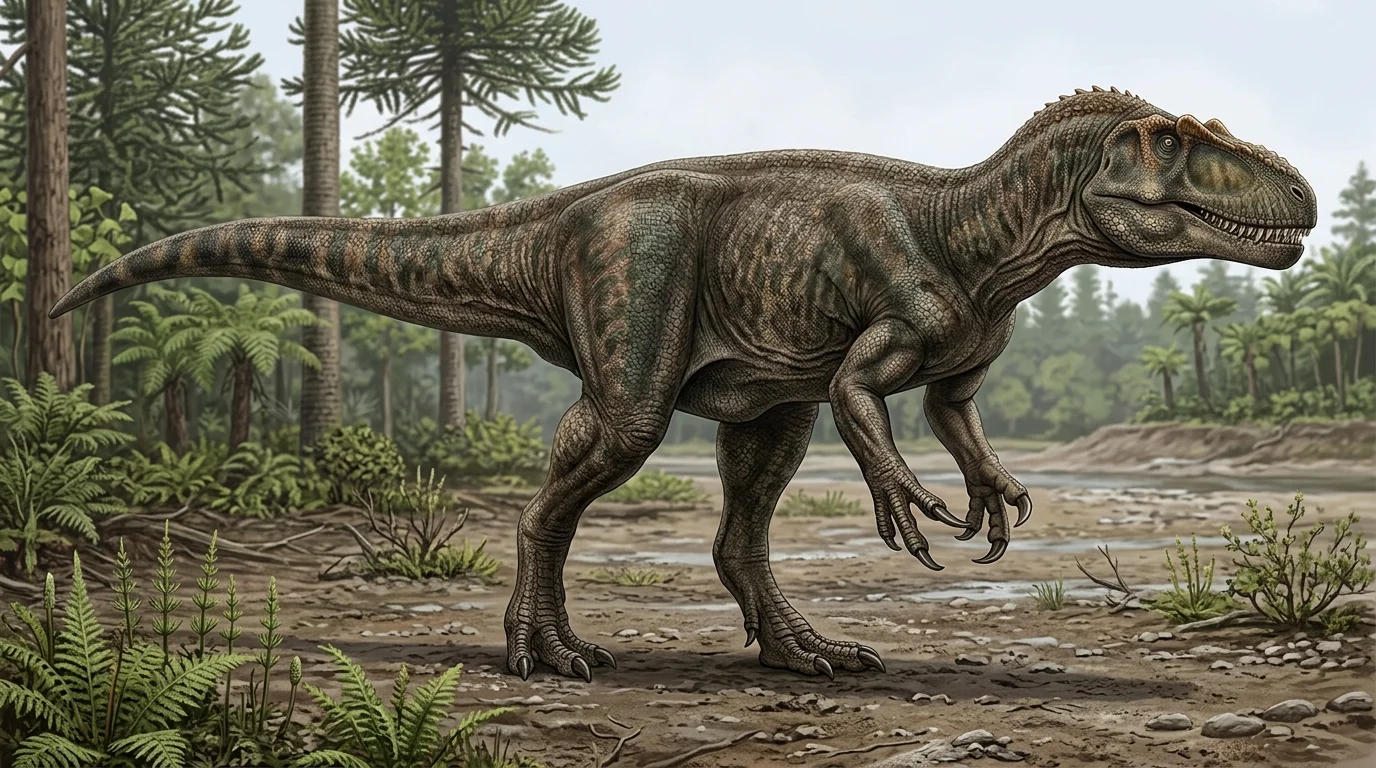
TheropodaAcrocanthosaurus atokensis Stovall & Langston, 1950
A high-spined North American apex predator famous for hunting sauropods across Early Cretaceous river valleys.
TheropodaAlbertosaurus sarcophagus Osborn, 1905
A fleet-footed, gracile tyrannosaurid from the Late Cretaceous of western Canada known from prominent multi-individual bonebed associations.
TheropodaAllosaurus fragilis Marsh, 1877
The most abundant apex theropod of Late Jurassic North America, equipped with a kinetic skull and slashing serrated teeth.
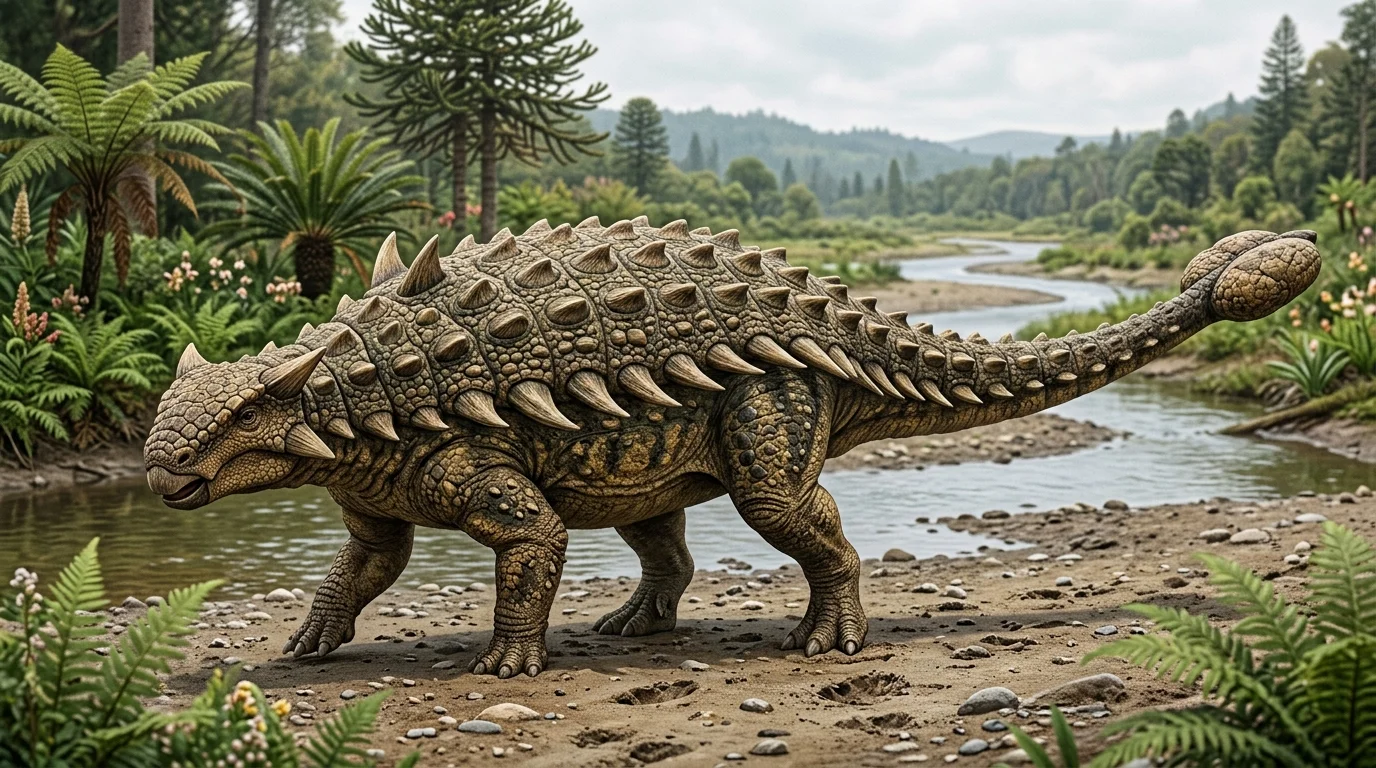
AnkylosauriaAnkylosaurus magniventris Brown, 1908
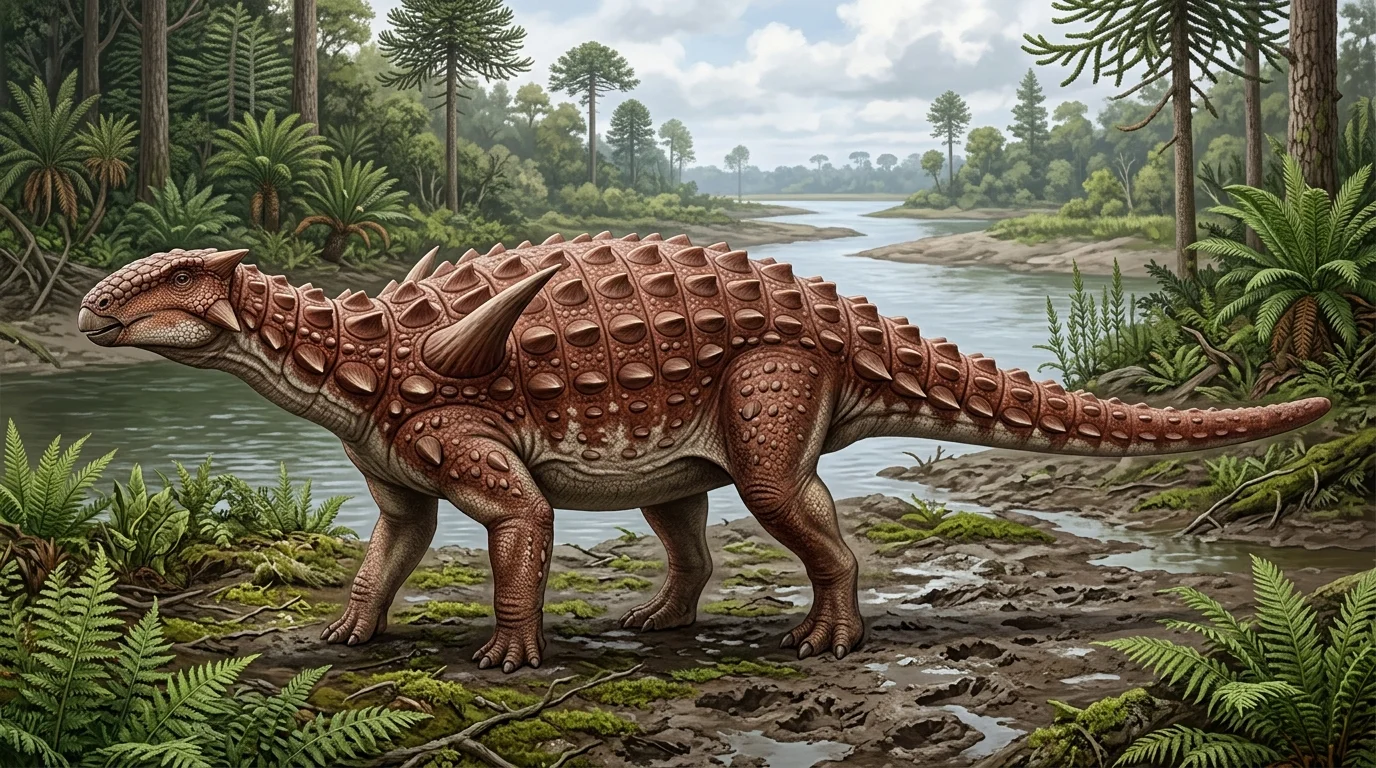
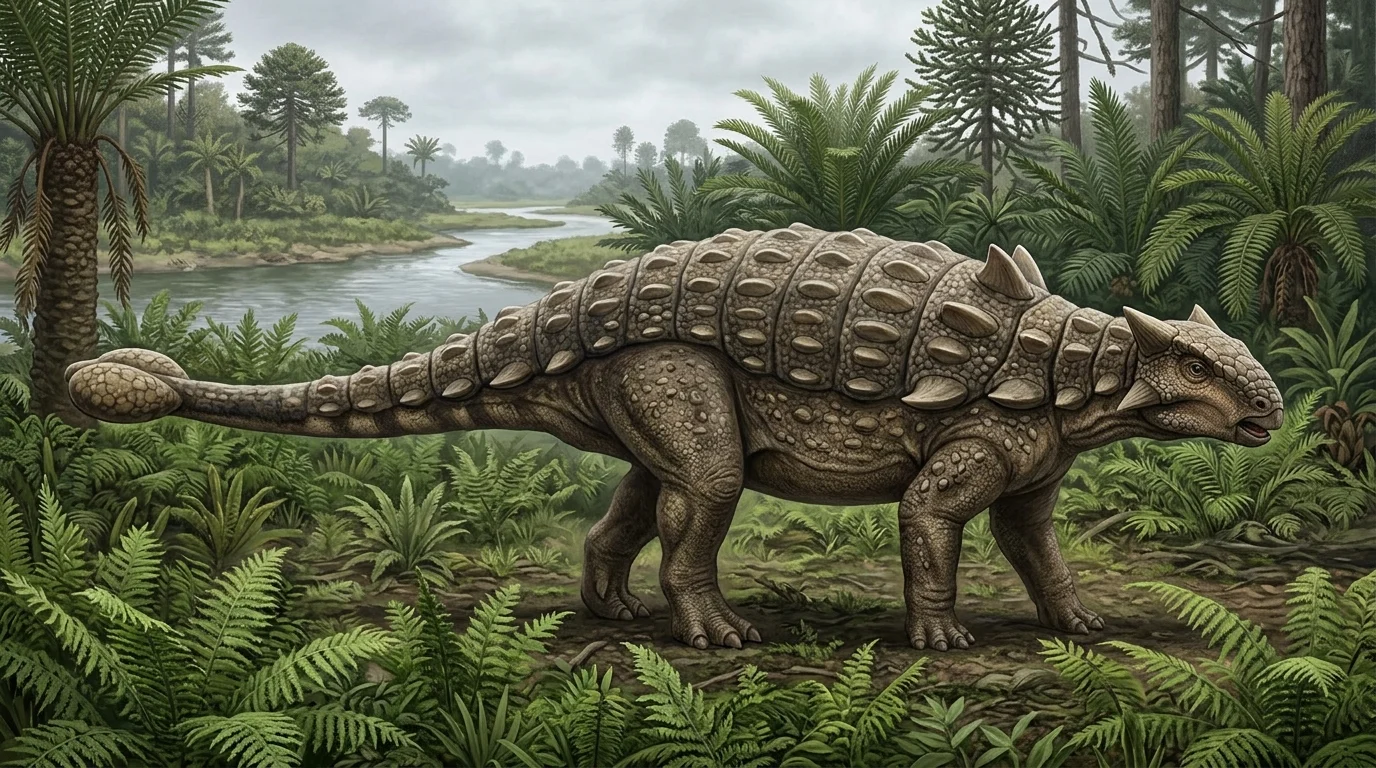
The definitive armored dinosaur of the Late Cretaceous, encased in bony osteoderms and armed with an osseous tail club.
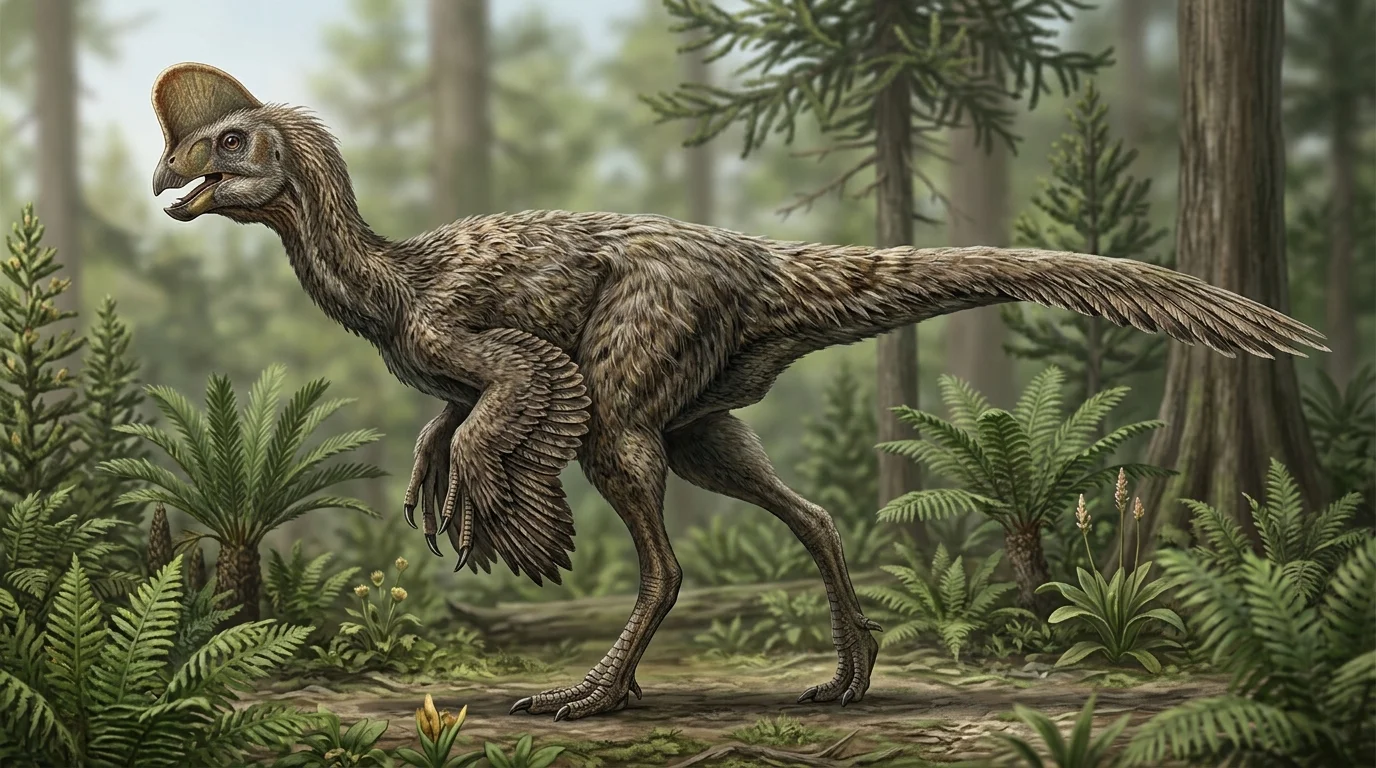
TheropodaAnzu wyliei Lamanna et al., 2014
The 'Chicken from Hell', a gigantic, crested caenagnathid oviraptorosaur from the Hell Creek Formation.
SauropodomorphaApatosaurus ajax Marsh, 1877
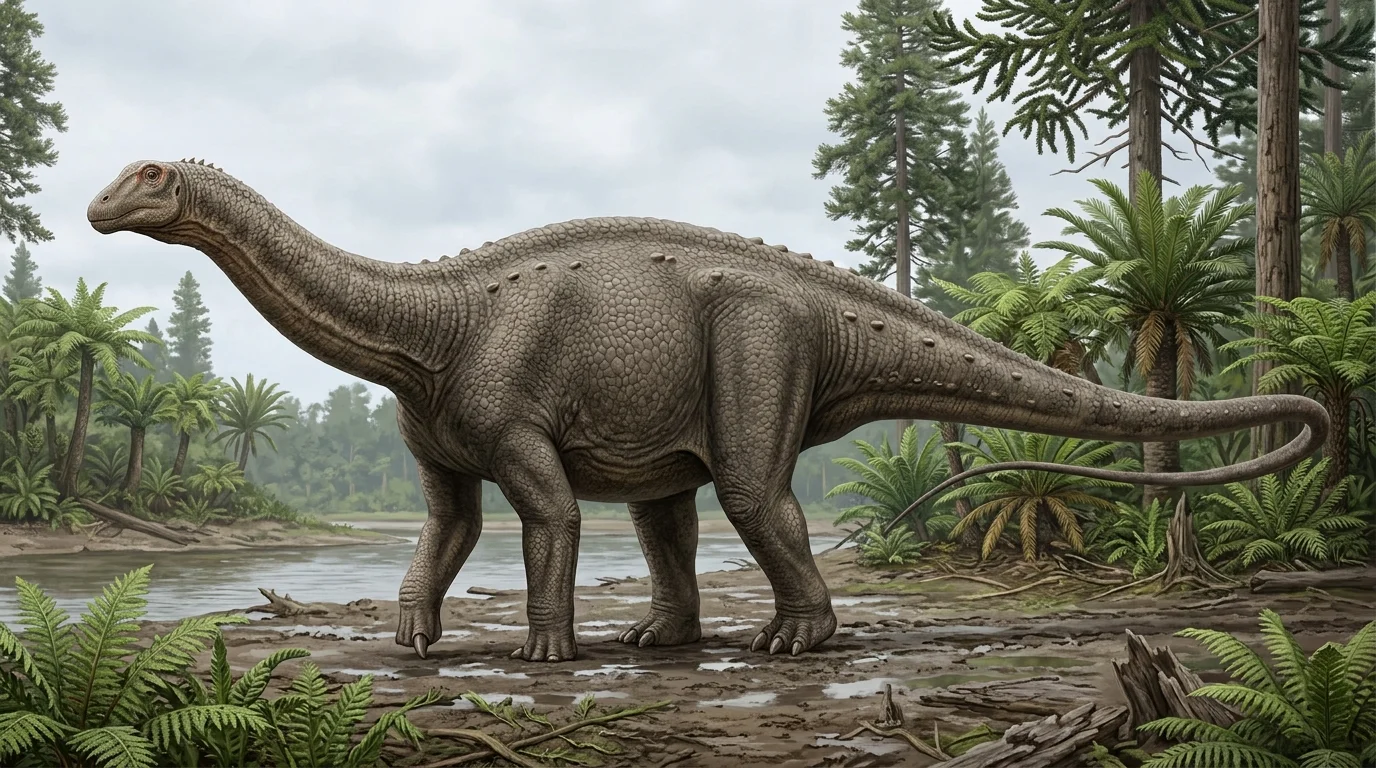
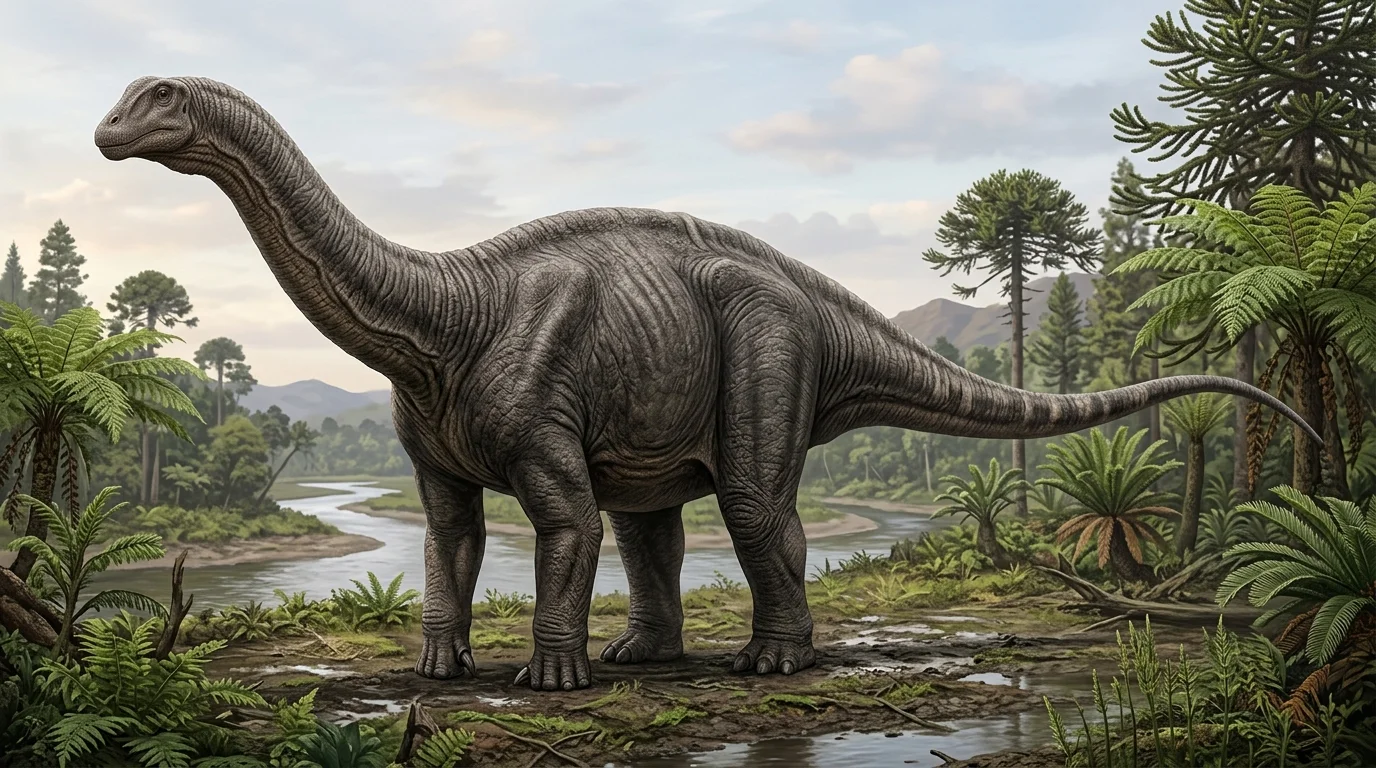
A colossal, heavily built diplodocid sauropod characterized by thick cervical vertebrae and a whip-like tail.
SauropodomorphaBarosaurus lentus Marsh, 1890
A massive diplodocid with an extraordinarily long neck and shorter tail than Diplodocus.
AnkylosauriaBorealopelta markmitchelli Brown et al., 2017
The world's best-preserved dinosaur fossil, a 110-million-year-old nodosaur with intact skin, armor, and stomach contents.
Featured SpecimenSauropodomorphaBrachiosaurus altithorax Riggs, 1903
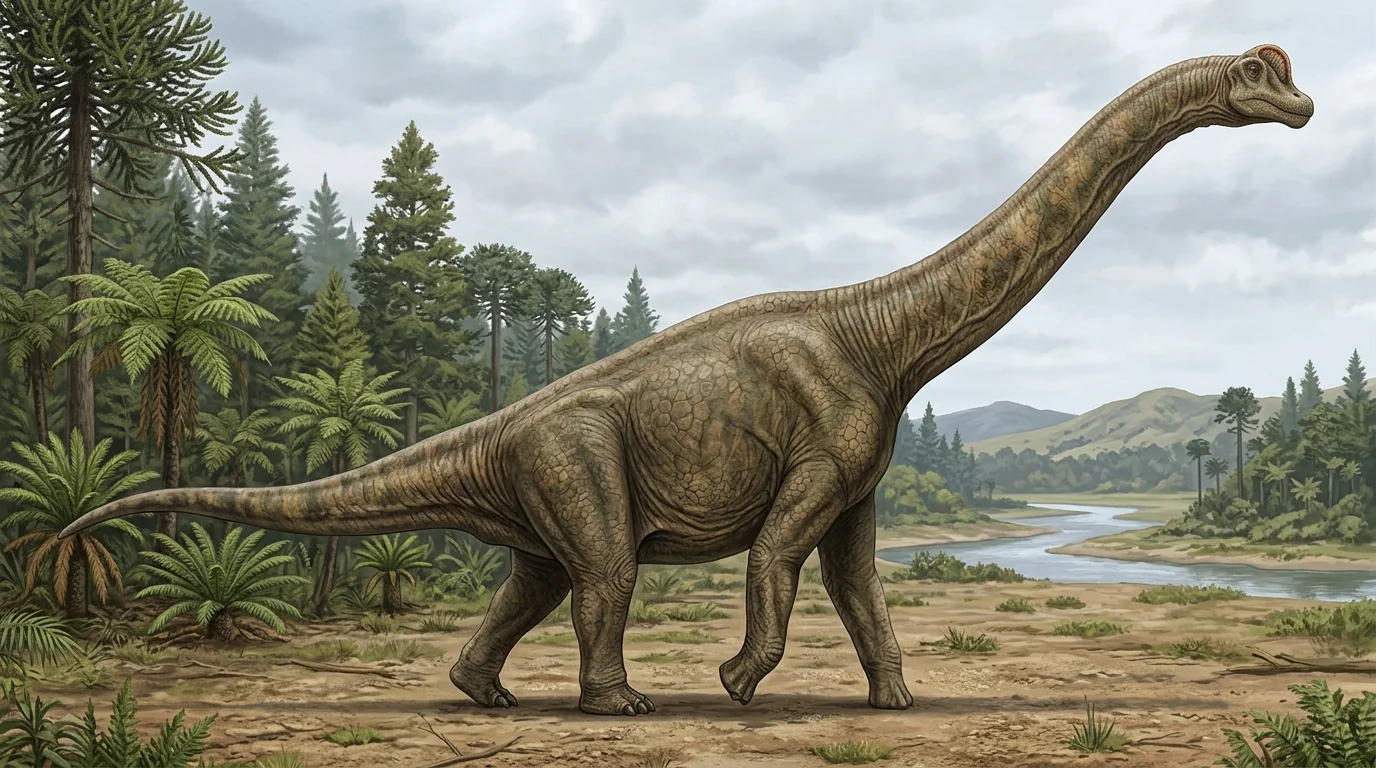
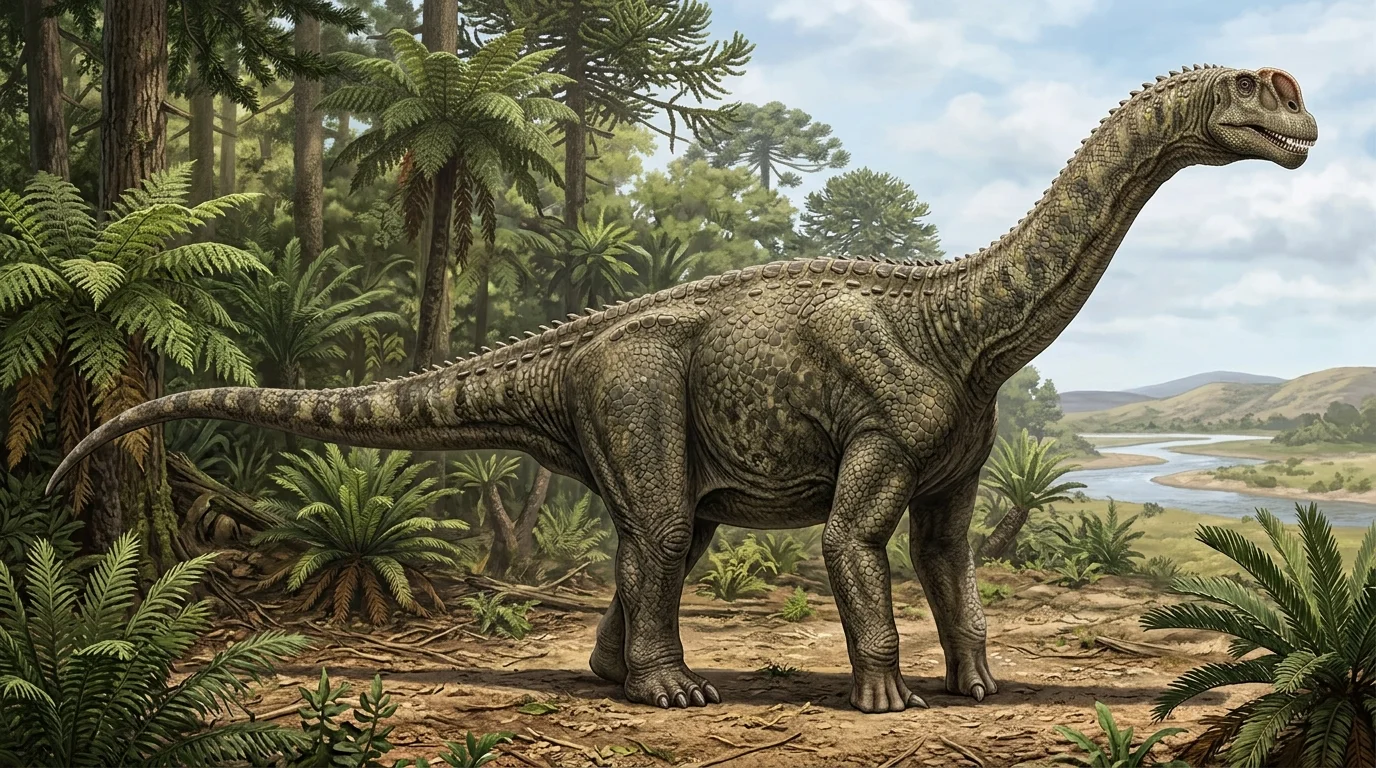
A monumental sauropod with forelimbs longer than hindlimbs, adapted for high-canopy browsing in Late Jurassic North America.
SauropodomorphaBrontosaurus excelsus Marsh, 1879
The iconic 'thunder lizard', resurrected as a valid and distinct genus of diplodocid sauropod in 2015.
SauropodomorphaCamarasaurus supremus Cope, 1877
The most abundant sauropod of Late Jurassic North America, noted for its boxy skull and chisel-like teeth.
CeratopsiaCentrosaurus apertus Lambe, 1904
A prominent centrosaurine ceratopsid from Alberta featuring a forward-curved nasal horn and hooked frill spikes.
TheropodaCeratosaurus nasicornis Marsh, 1884
A distinctive Late Jurassic theropod sporting a prominent nasal horn core and a line of small osteoderms along its back.
TheropodaChindesaurus bryansmalli Long & Murry, 1995
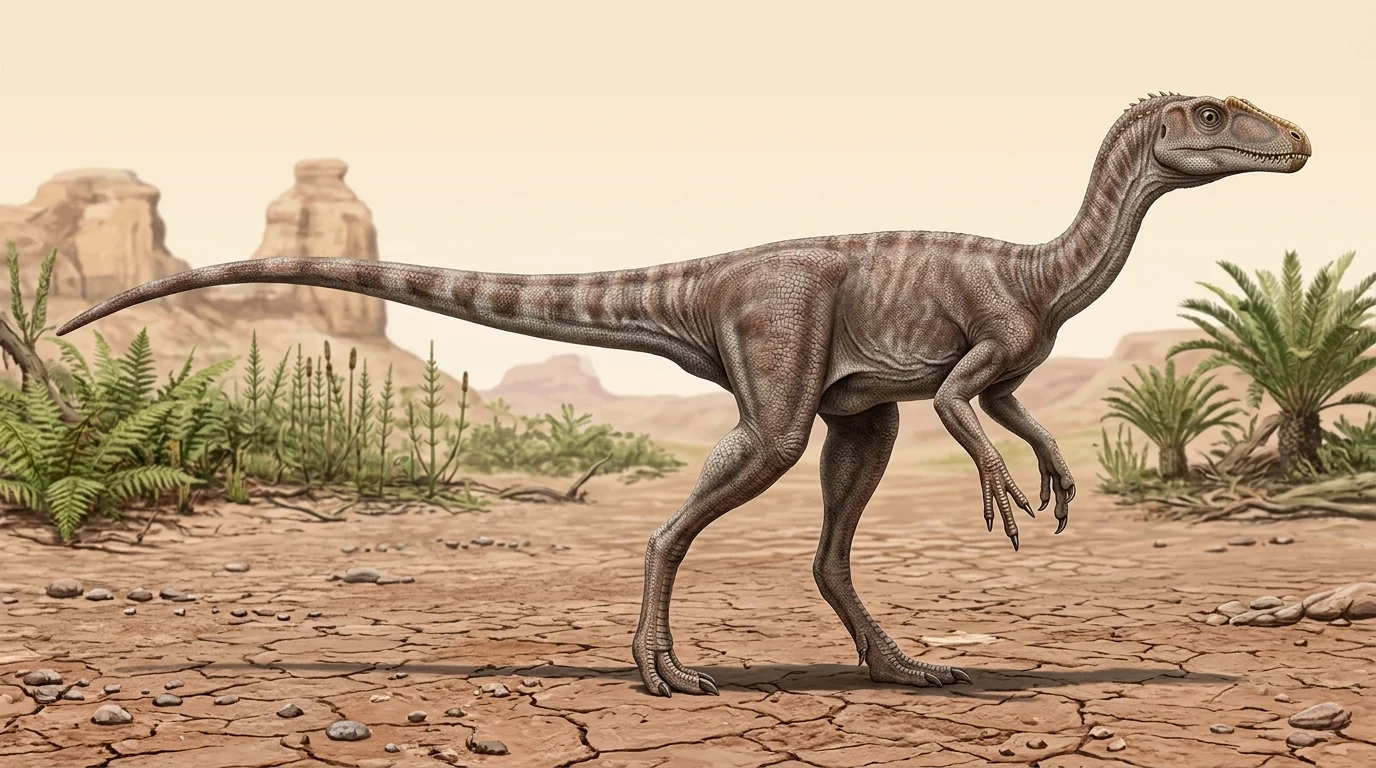
A basal carnivorous dinosaur from the Chinle Formation of the Petrified Forest National Park.
TheropodaCoelophysis bauri Cope, 1887
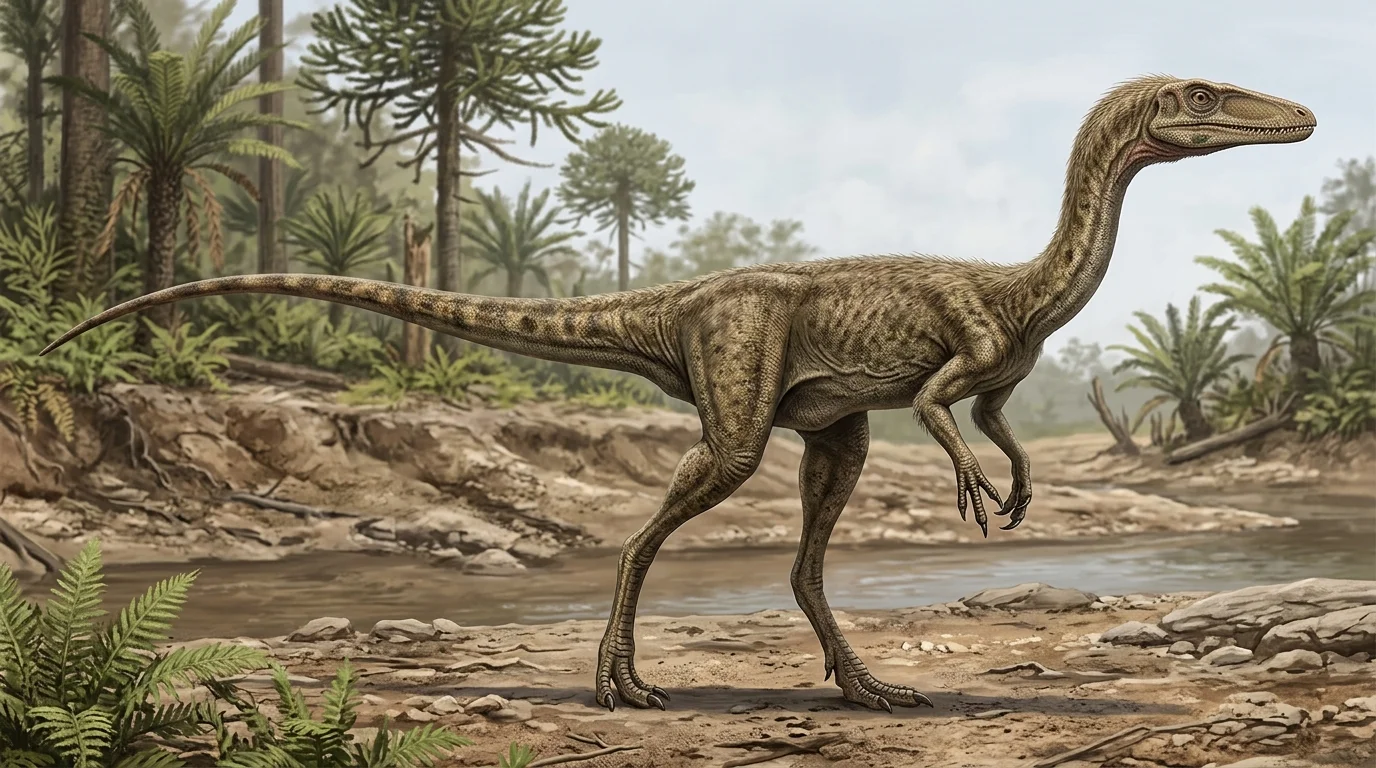
A slender, agile early theropod from the Late Triassic, known from hundreds of well-preserved skeletons at Ghost Ranch, New Mexico.
OrnithopodaCorythosaurus casuarius Brown, 1914
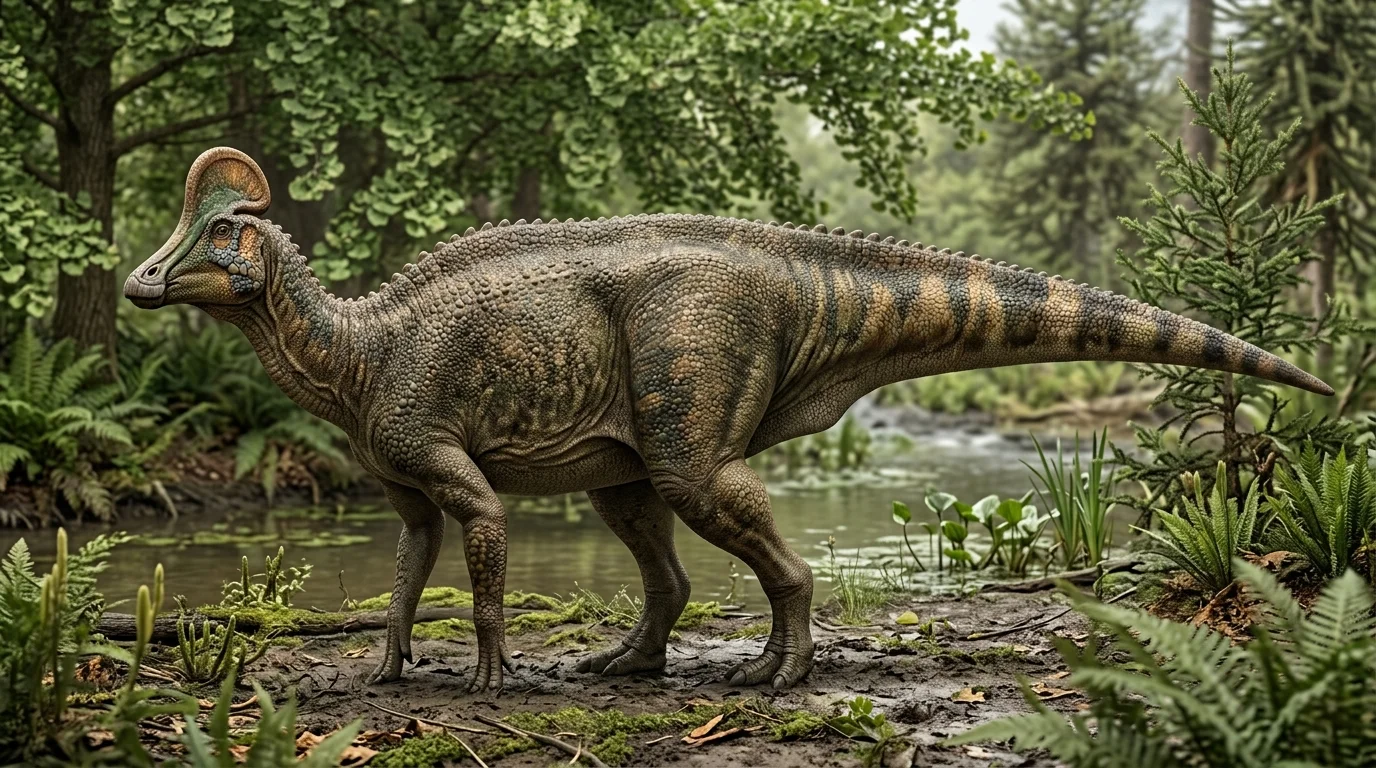
A hollow-crested hadrosaurid from Alberta possessing a tall, semicircular helmet crest for sound resonance.
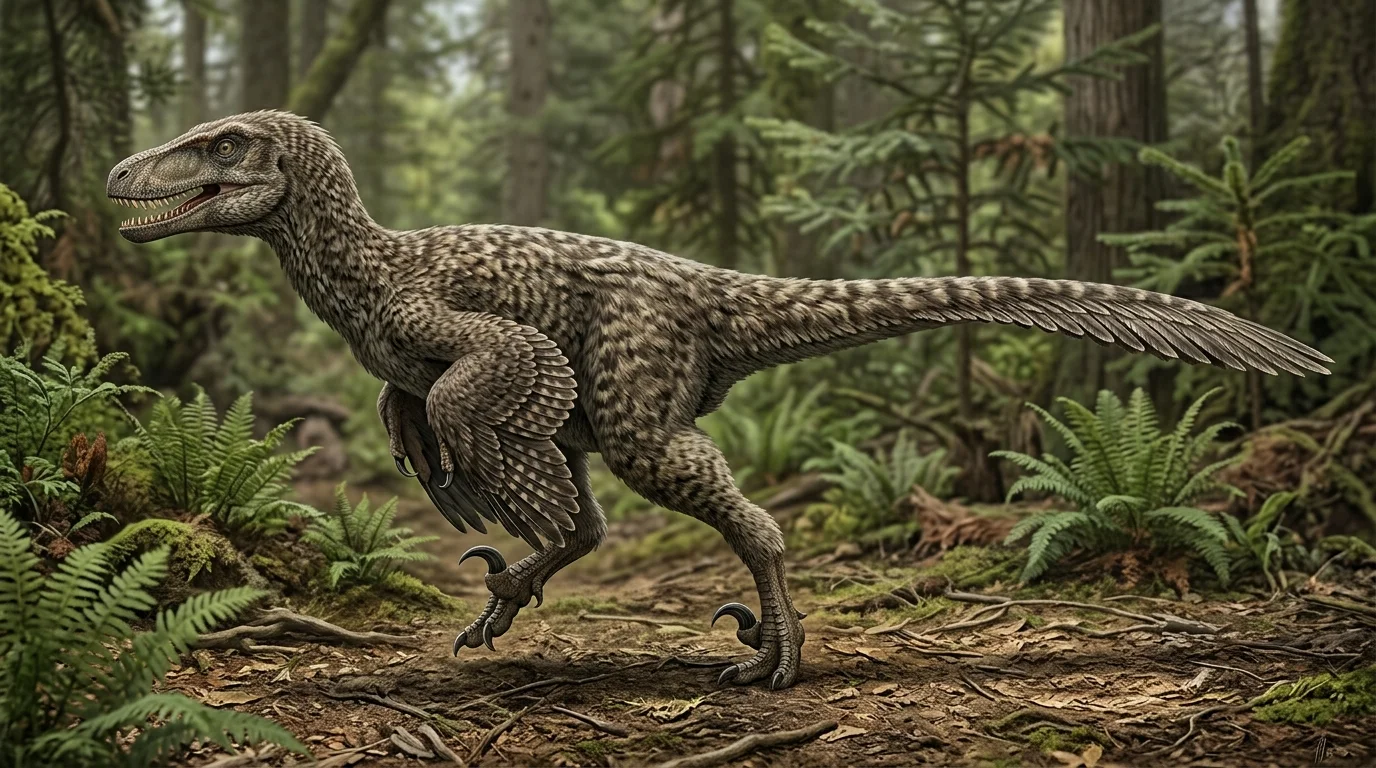
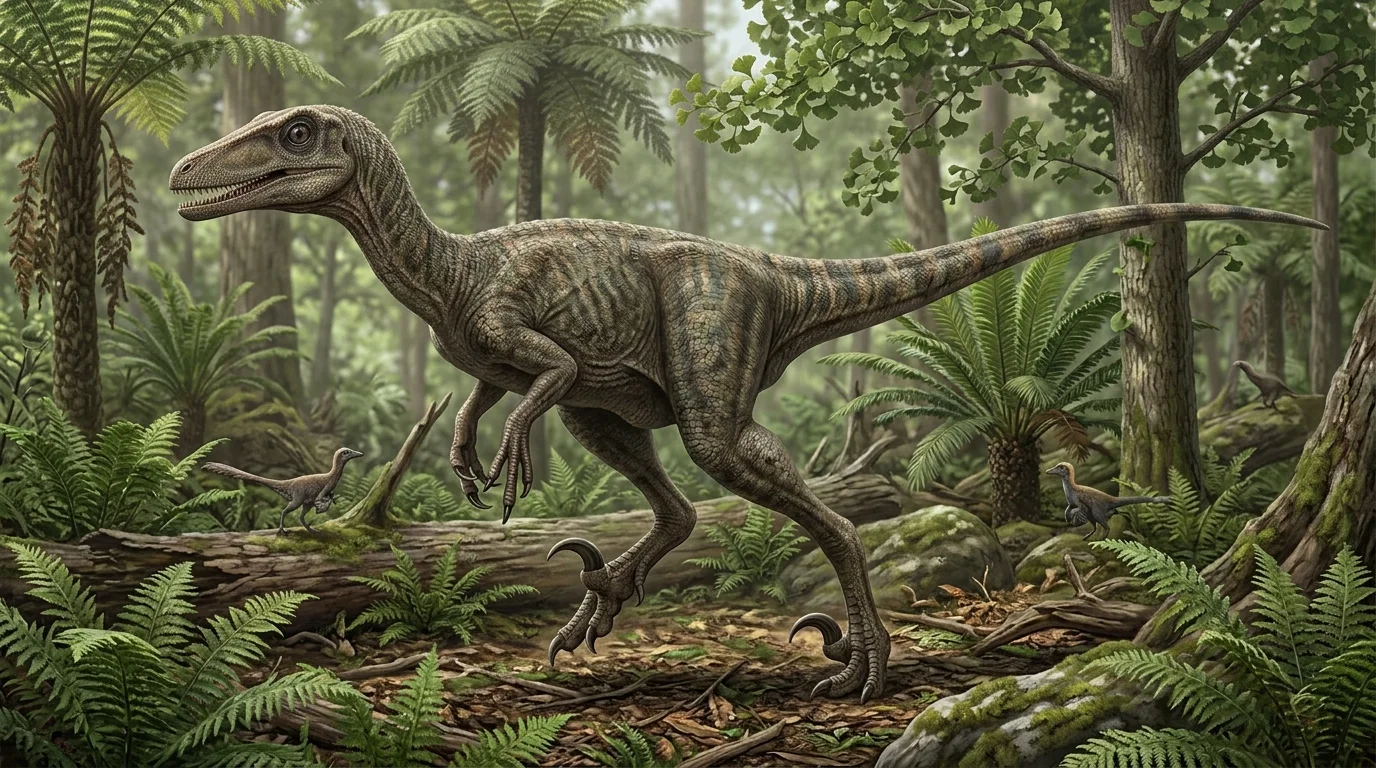
TheropodaDeinonychus antirrhopus Ostrom, 1969
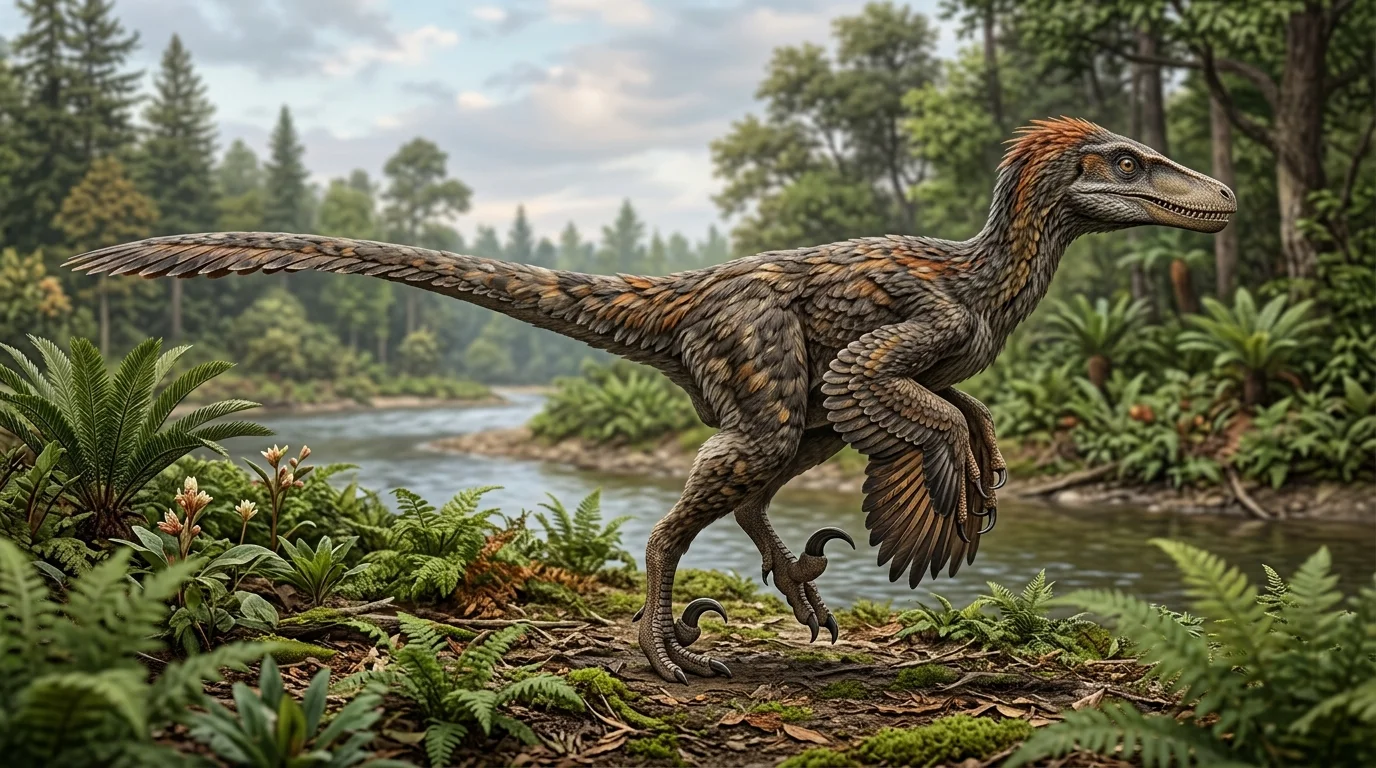
The agile dromaeosaurid whose discovery catalyzed the modern Dinosaur Renaissance and established the dinosaur-bird evolutionary link.
CeratopsiaDiabloceratops eatoni Kirkland & DeBlieux, 2010
The 'devil-horned face', a basal centrosaurine featuring long curved brow horns and majestic frill spikes.
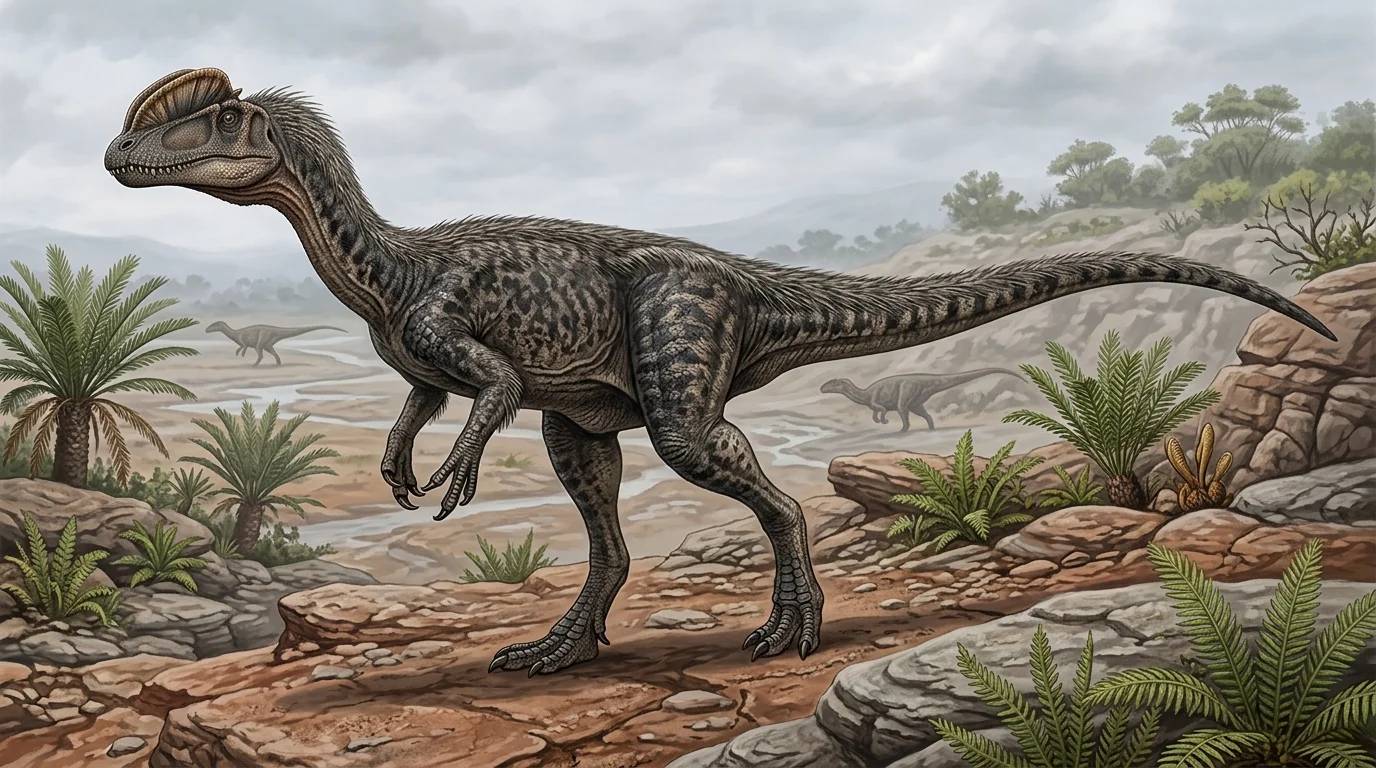
TheropodaDilophosaurus wetherilli Welles, 1954
An apex predator of the Early Jurassic possessing a pair of delicate, semicircular cranial crests along its skull.
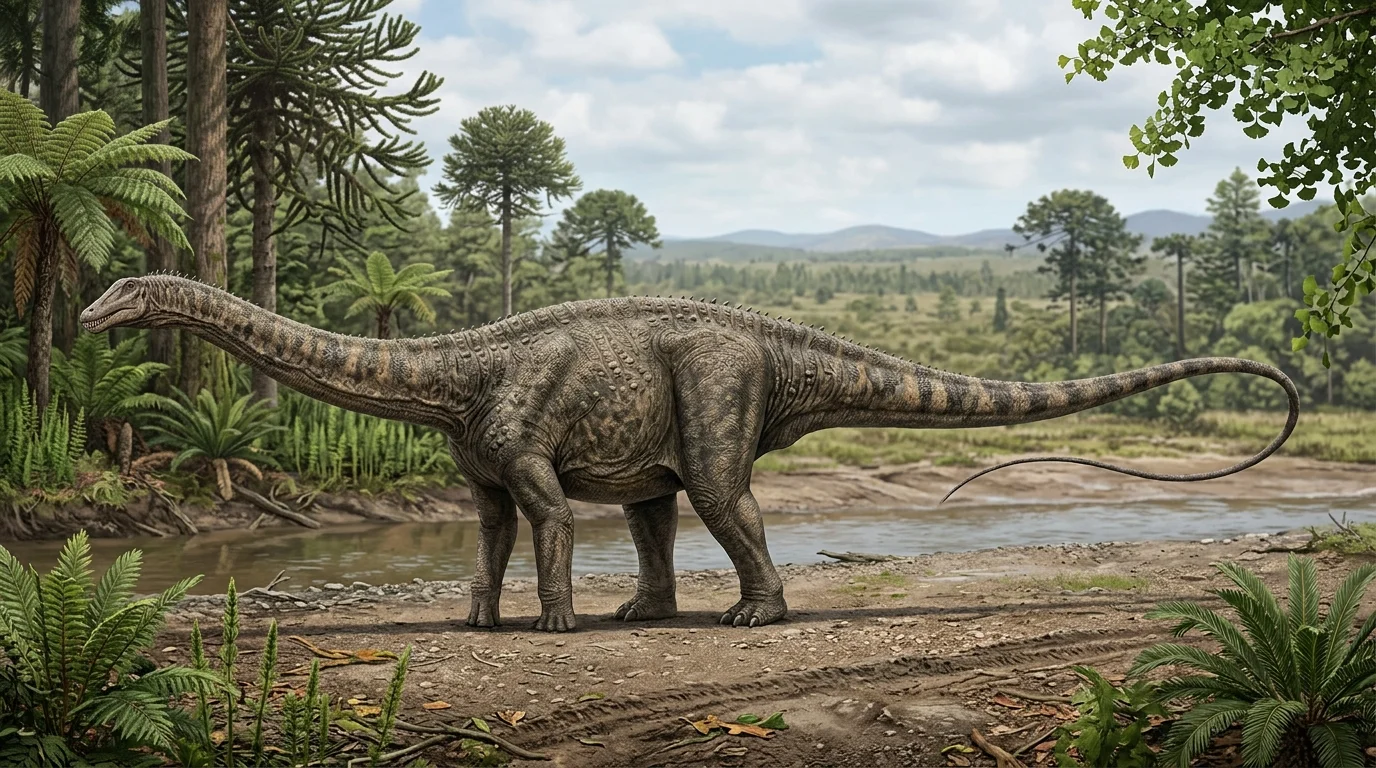
SauropodomorphaDiplodocus carnegii Hatcher, 1901
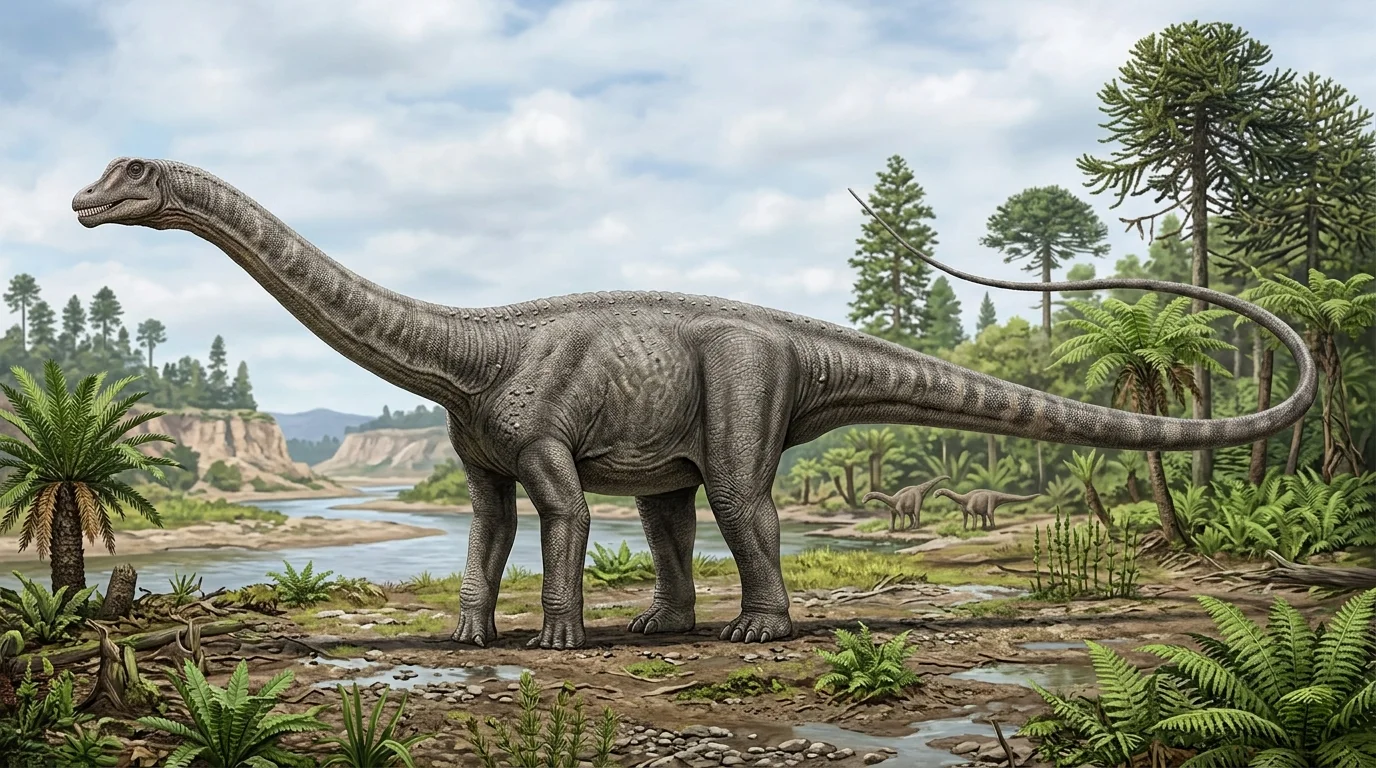
A slender, extremely elongated sauropod of Late Jurassic North America equipped with an 80-vertebra whip-like tail.
TheropodaDromaeosaurus albertensis Matthew & Brown, 1922
The namesake of the dromaeosaurid family, possessing a robust skull and crushing bite force for its size.
OrnithopodaDryosaurus altus Marsh, 1878
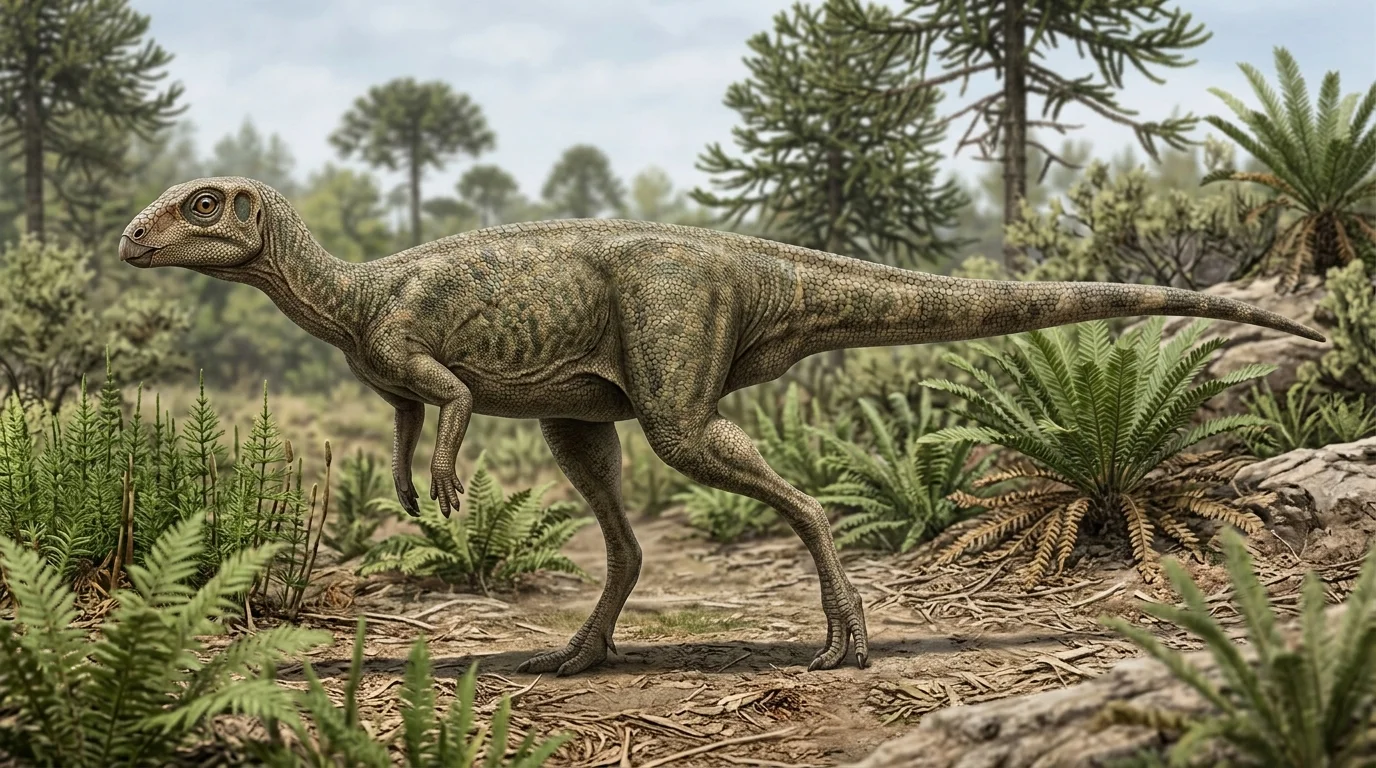
A swift, bipedal ornithopod with large eyes and stiffened tail that dashed across Late Jurassic North America.
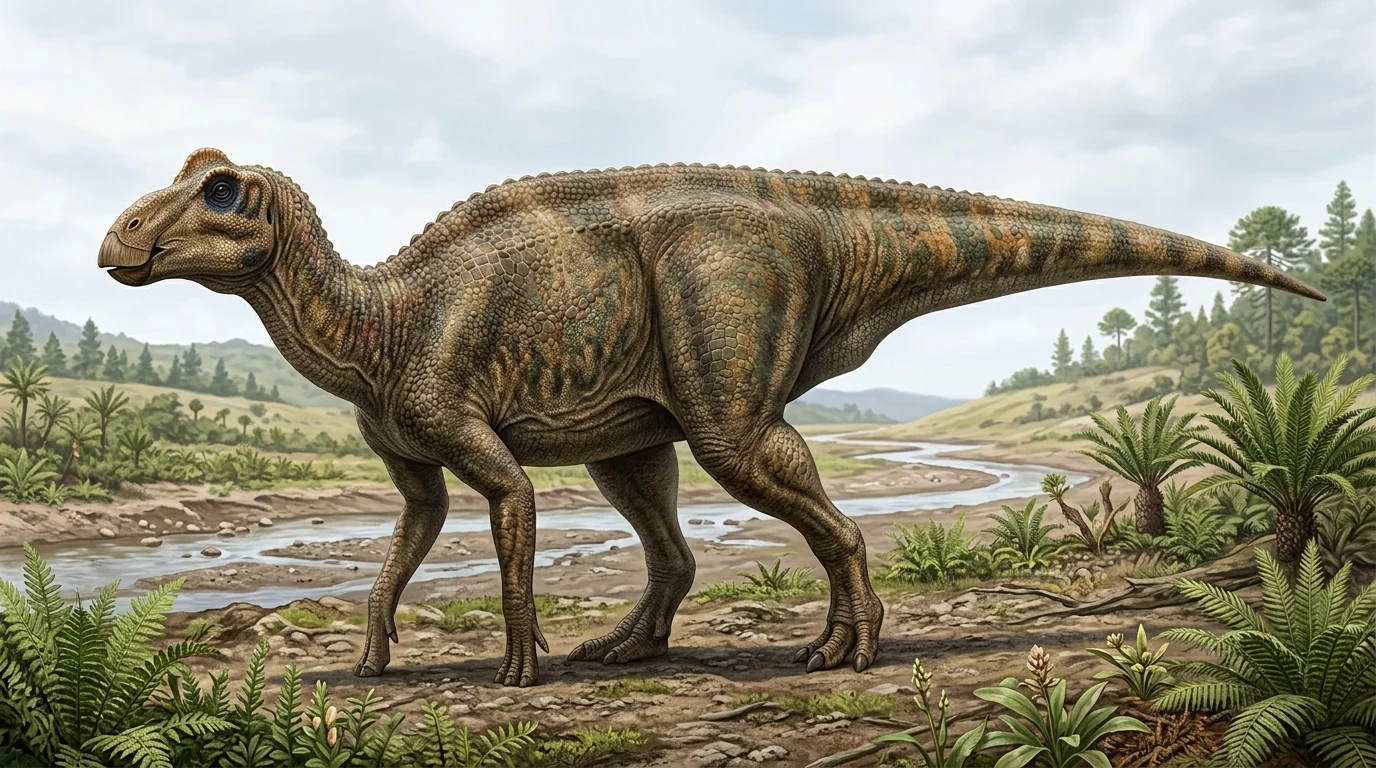
OrnithopodaEdmontosaurus regalis Lambe, 1917
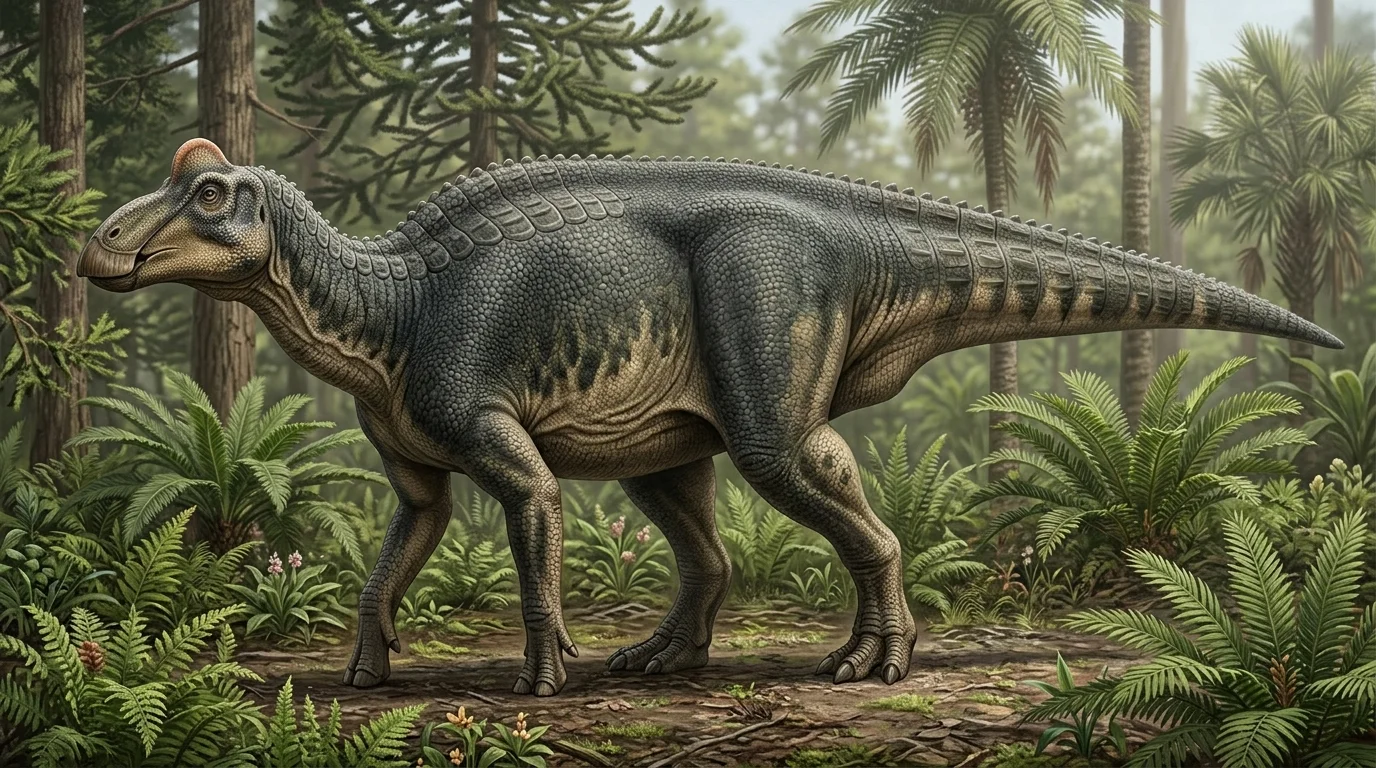
A colossal duck-billed hadrosaurid that was the primary herbivore of Late Cretaceous North America.
AnkylosauriaEuoplocephalus tutus Lambe, 1910
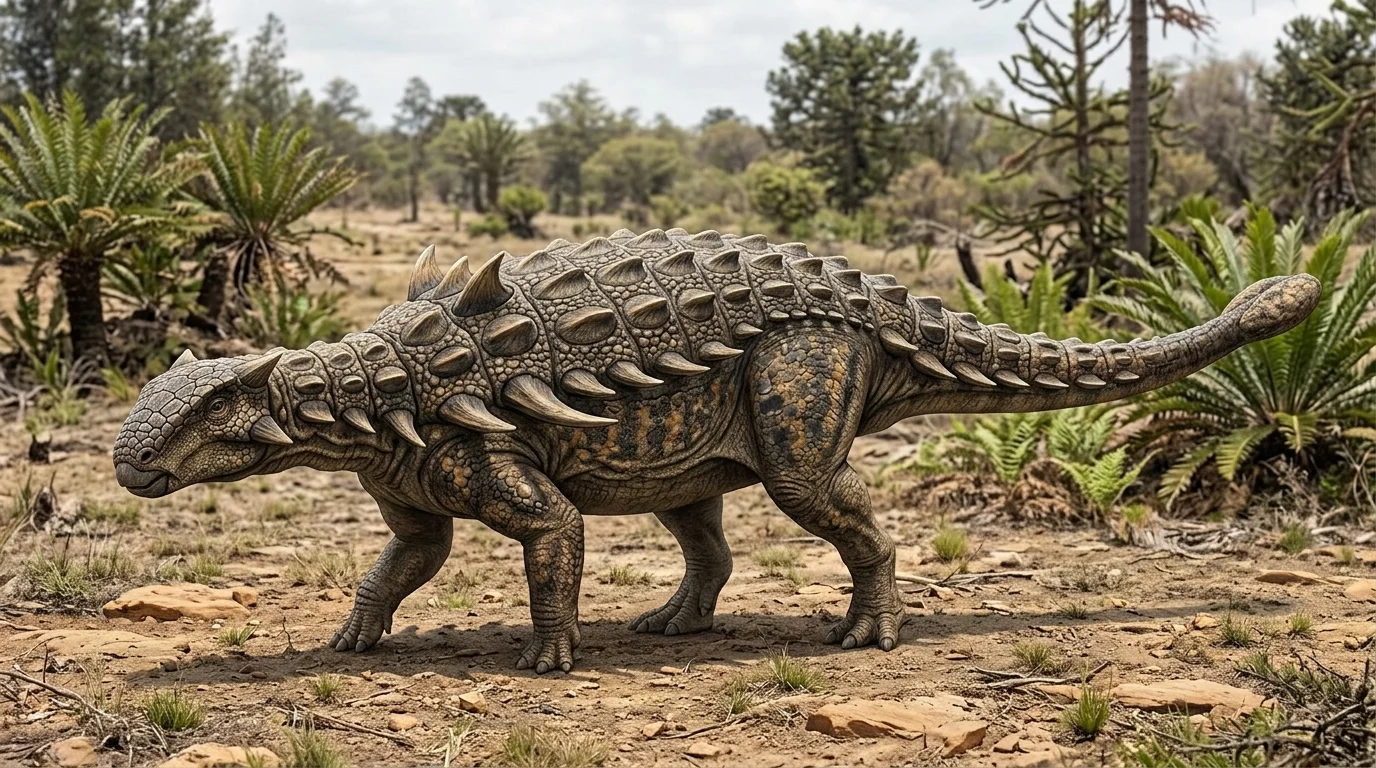
A heavily armored, tank-like ankylosaurid with armored eyelids and a massive bone-crushing tail club.
AnkylosauriaGargoyleosaurus parkpinorum Carpenter et al., 1998
One of the earliest and most complete ankylosaurs known, discovered in the Late Jurassic Morrison Formation.
StegosauriaHesperosaurus mjosi Carpenter et al., 2001
A Late Jurassic stegosaurid from Wyoming featuring wide, oval dorsal plates and a short, deep skull.
OrnithopodaMaiasaura peeblesorum Horner & Makela, 1979
The 'good mother lizard', the first dinosaur proven to provide intensive parental care to its hatched young.
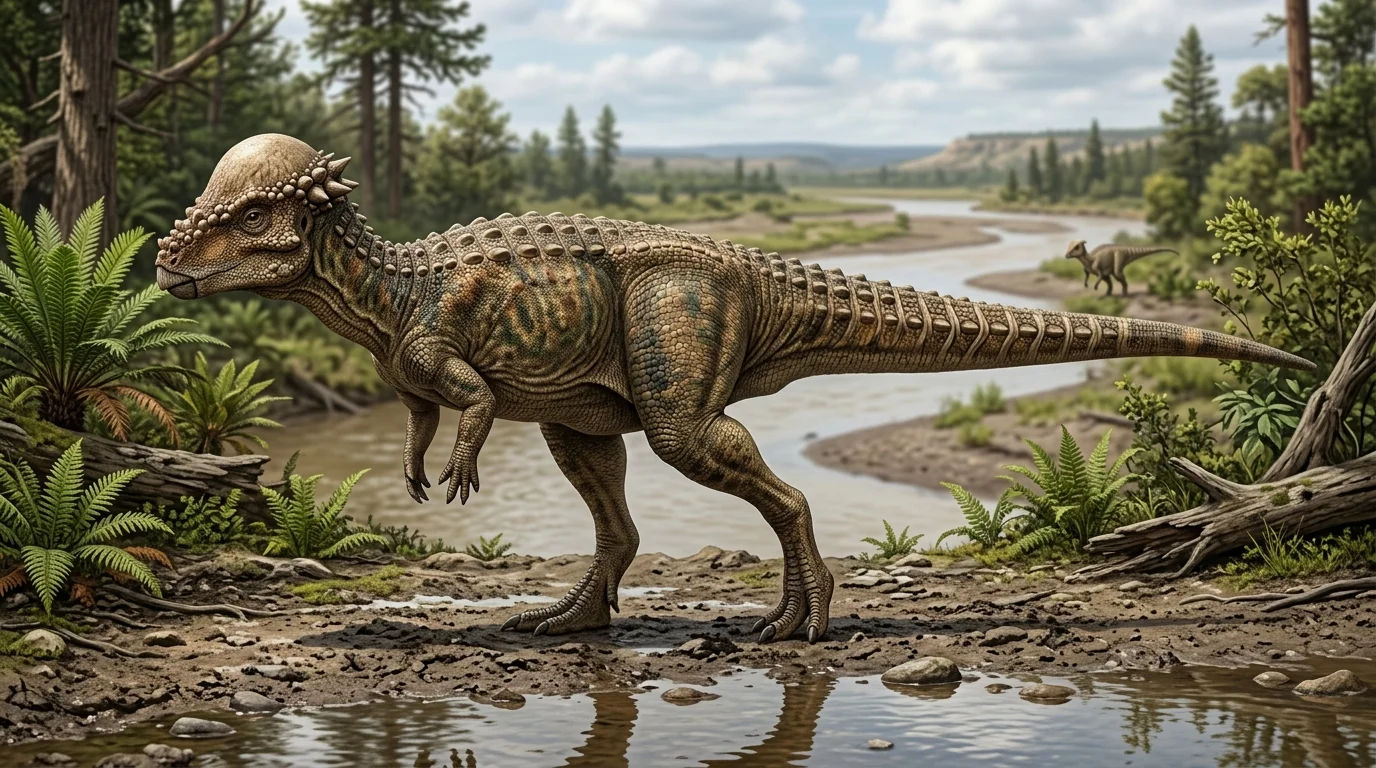
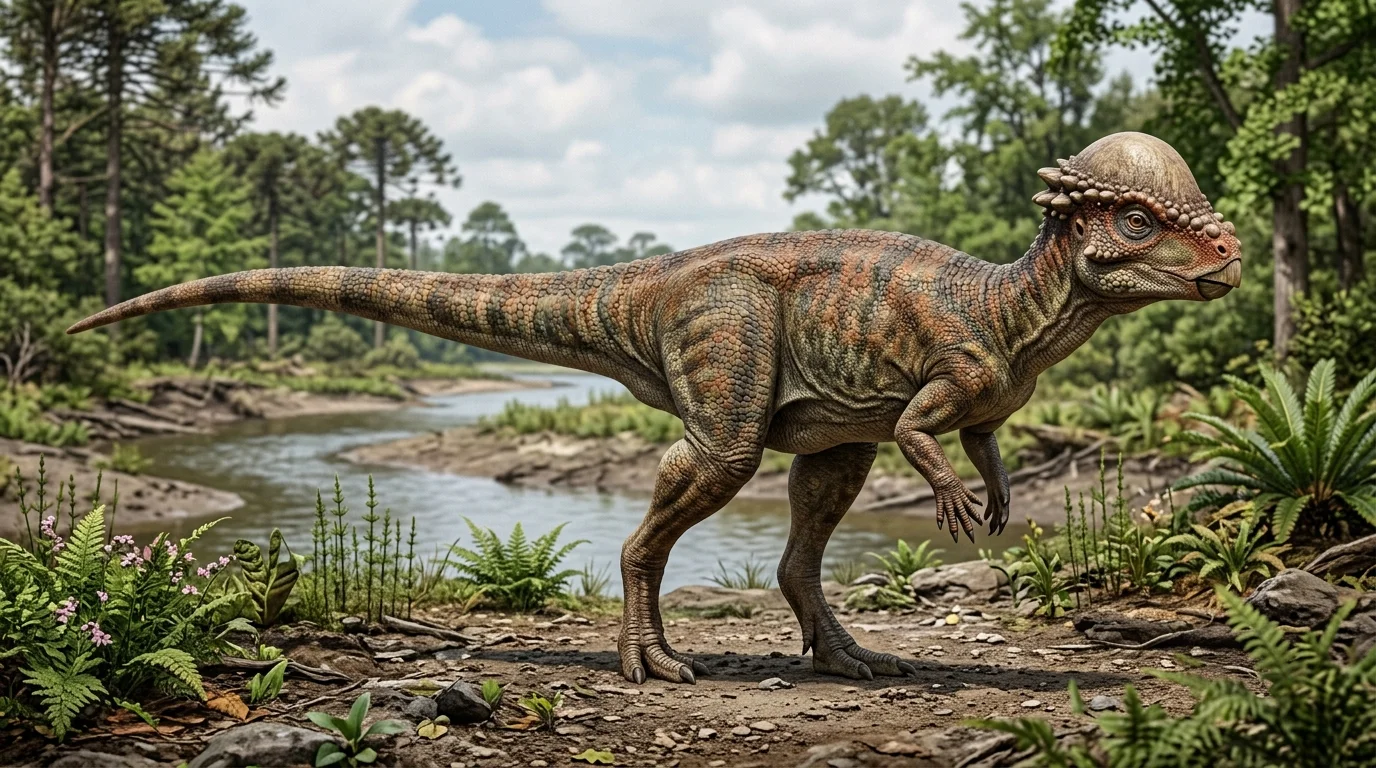
PachycephalosauriaPachycephalosaurus wyomingensis Gilmore, 1931
A bipedal ornithischian known for its 25-centimeter thick solid bone skull dome surrounded by bony knobs and spikes.
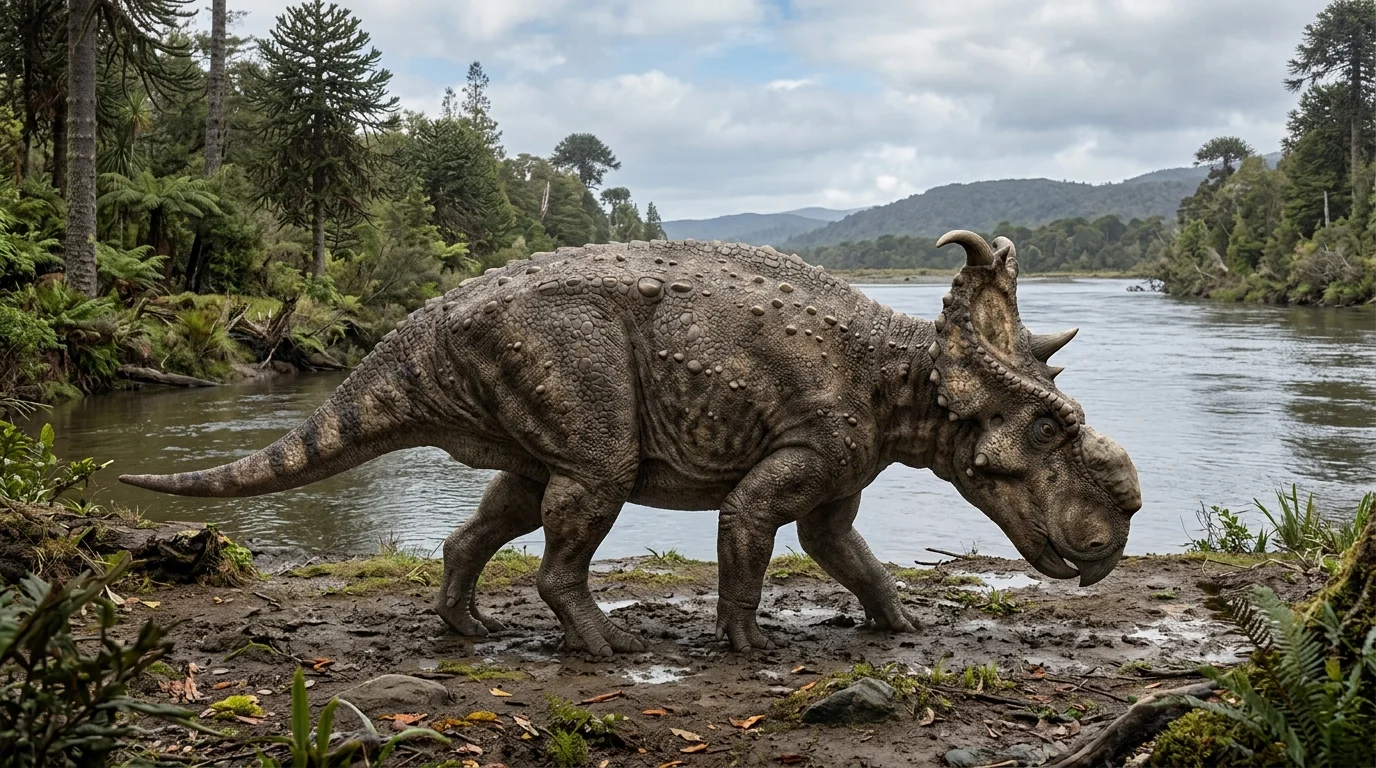
CeratopsiaPachyrhinosaurus canadensis Sternberg, 1950
The 'thick-nosed lizard', an Arctic-adapted ceratopsid that replaced horns with massive bony bosses.
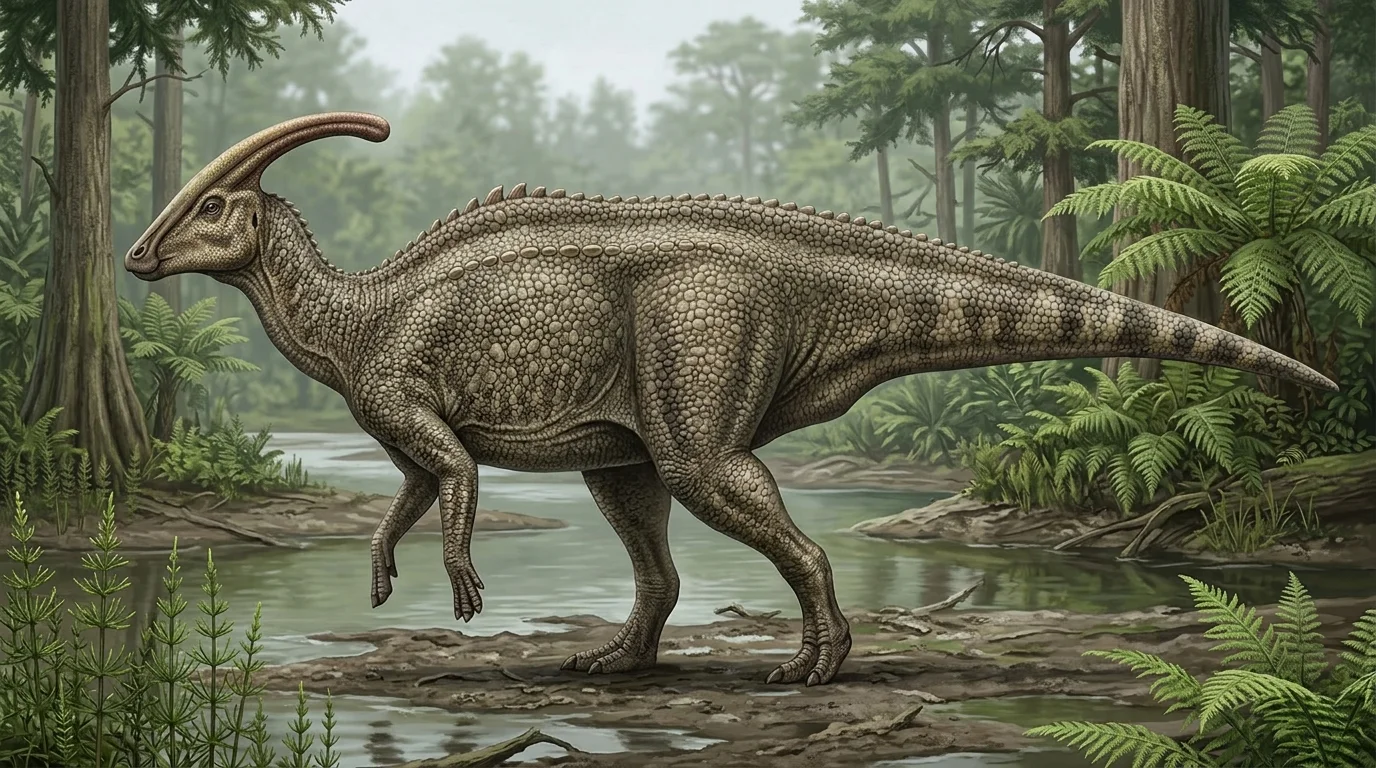
OrnithopodaParasaurolophus walkeri Parks, 1922
A crested hadrosaurid dinosaur renowned for its elongated, hollow cranial crest used for acoustic resonance and visual signaling.
PachycephalosauriaStegoceras validum Lambe, 1902
A small, bipedal pachycephalosaur from Alberta featuring an extremely thick, solid skull dome.
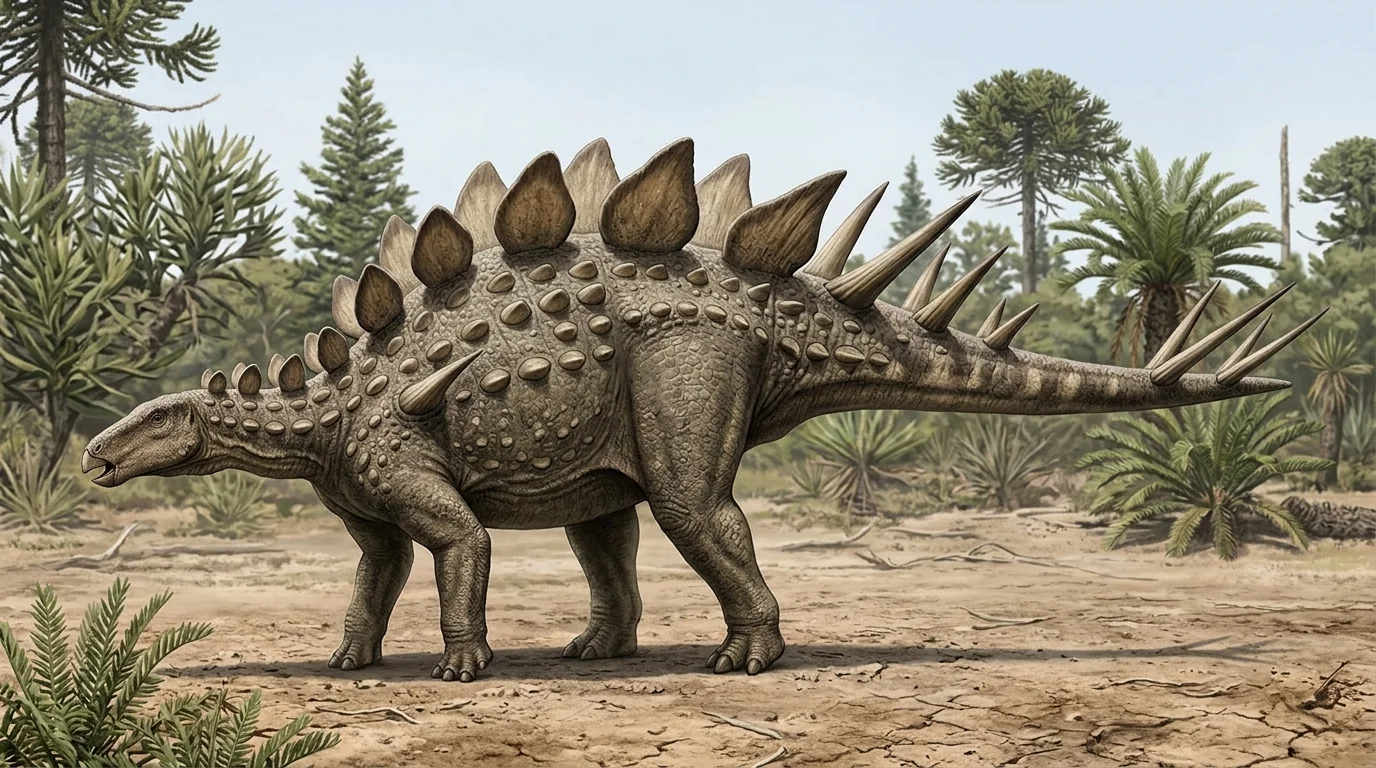
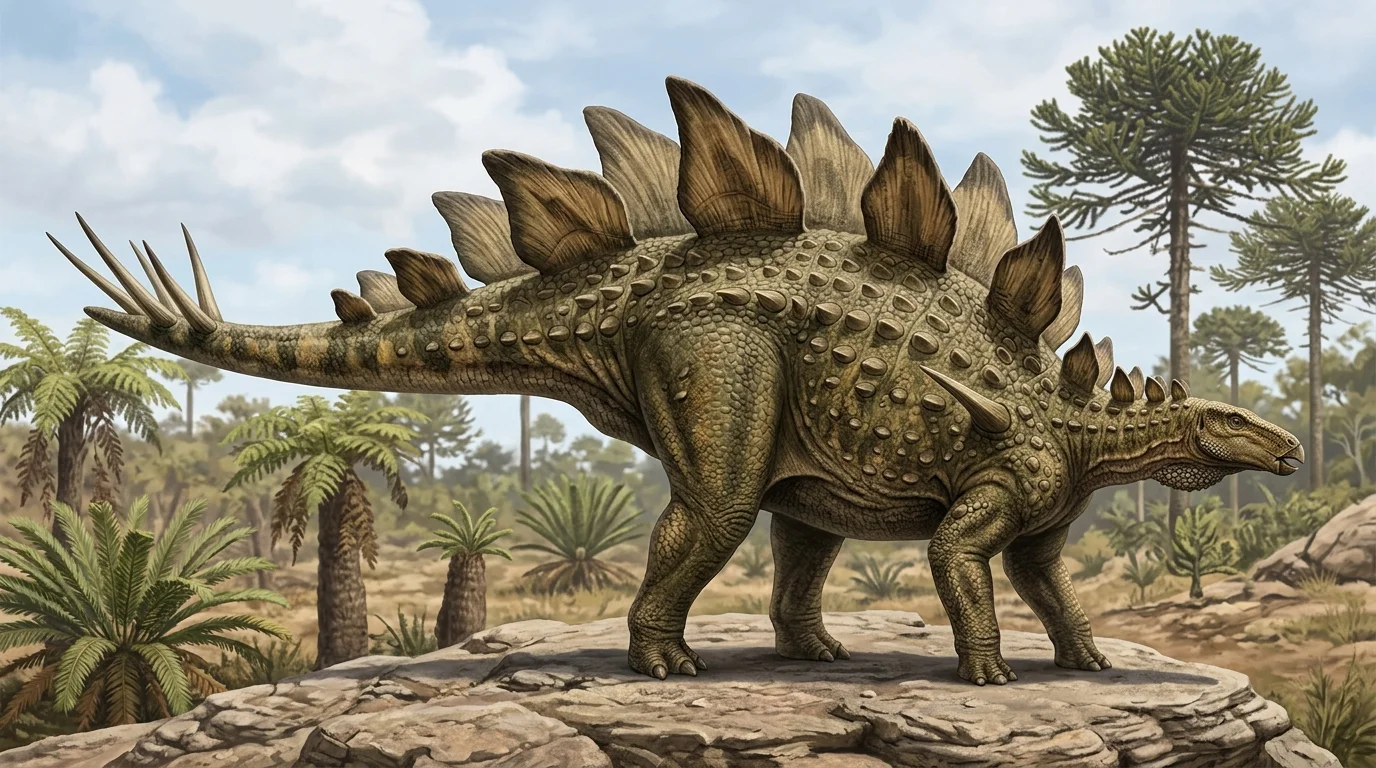
Featured SpecimenStegosauriaStegosaurus stenops Marsh, 1887
An iconic armored herbivore of the Late Jurassic with two alternating rows of vertical dorsal plates and a four-spiked tail thagomizer.
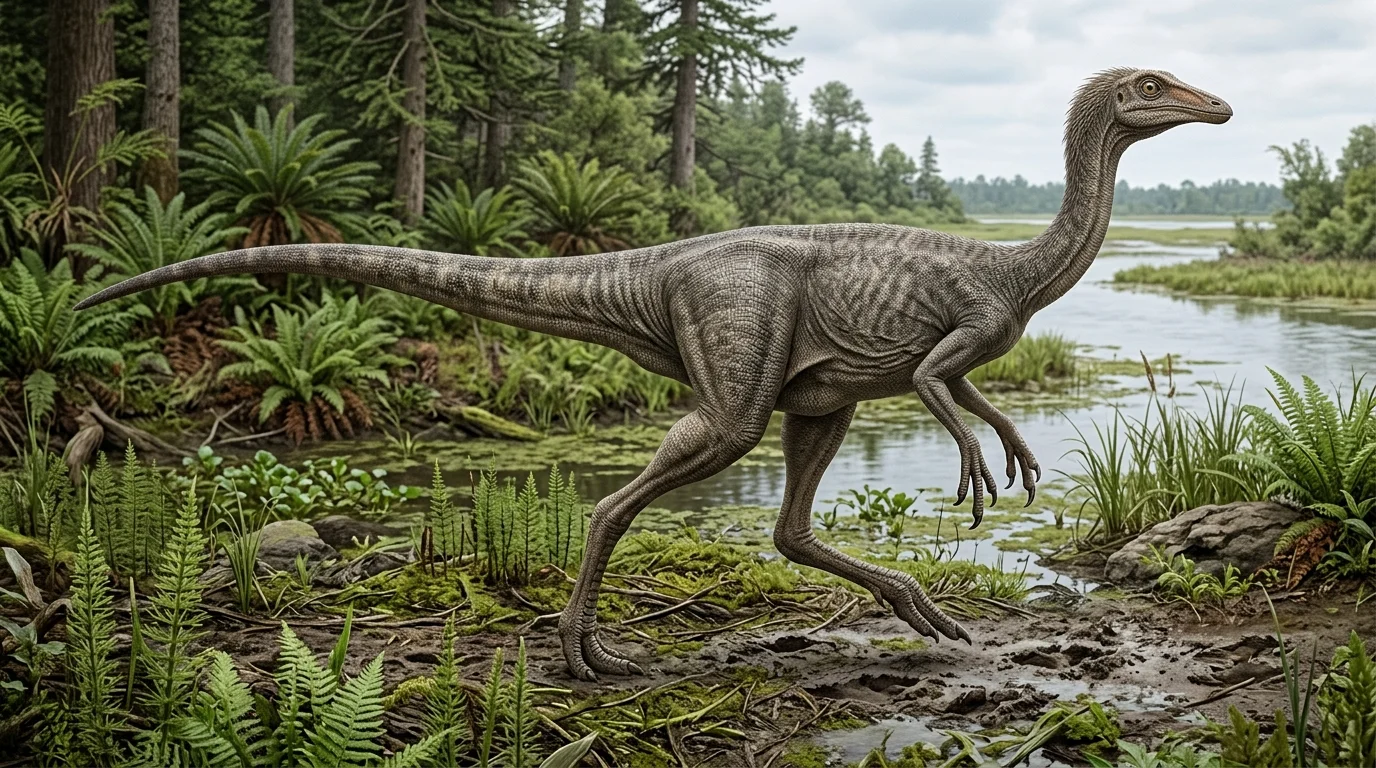
TheropodaStruthiomimus altus Lambe, 1902
An agile, ostrich-mimic theropod that sprinted across Late Cretaceous western North America.
CeratopsiaStyracosaurus albertensis Lambe, 1913
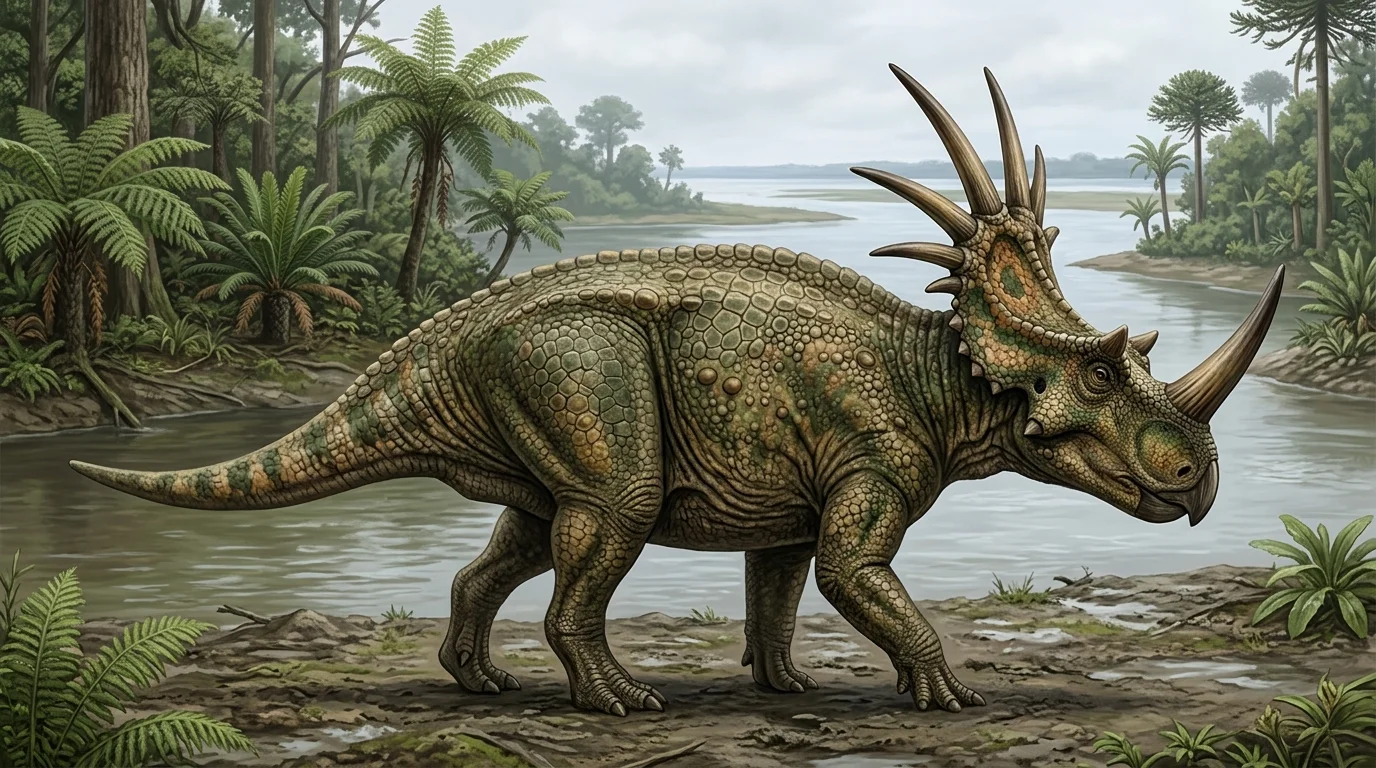
A dramatic centrosaurine ceratopsian of Late Cretaceous Canada bearing a single long nasal horn and six long frill spikes.
OrnithopodaTenontosaurus tilletti Ostrom, 1970
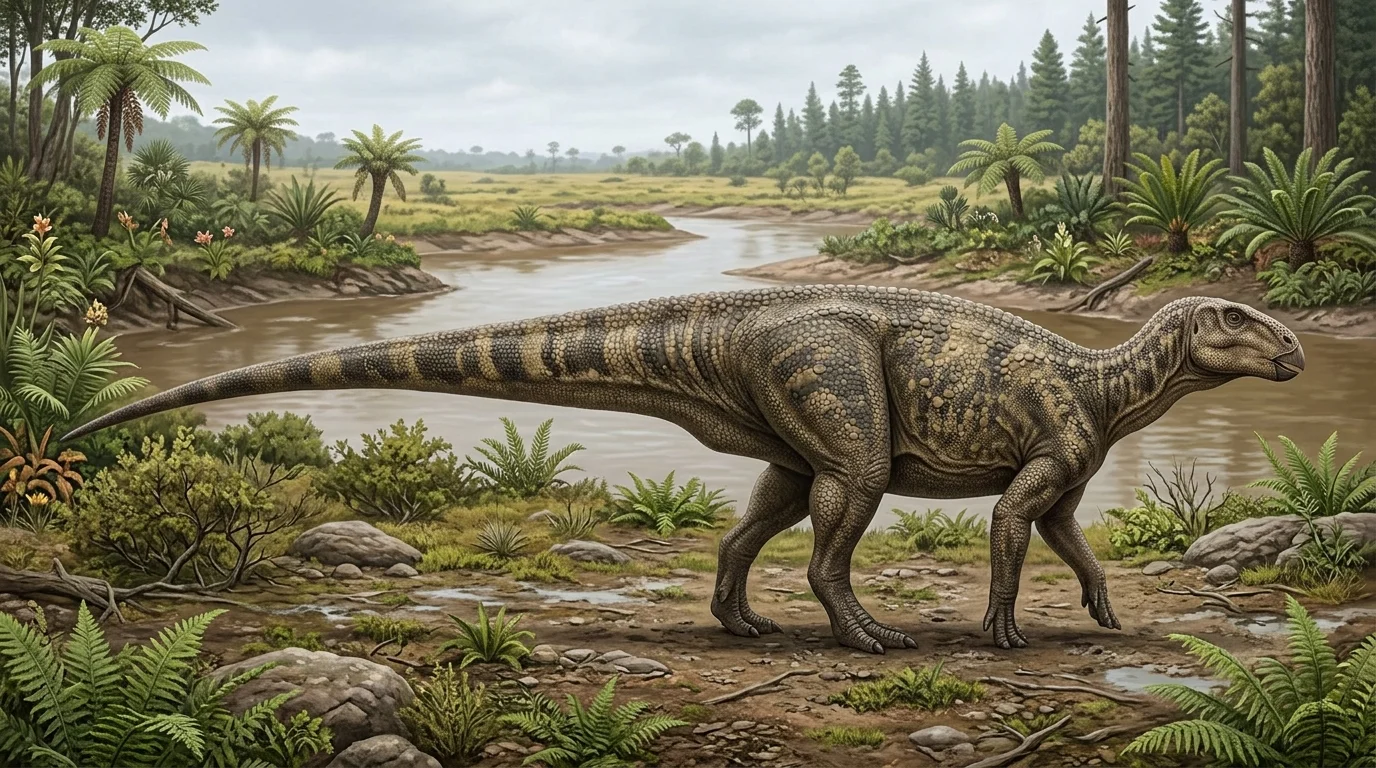
A muscular Early Cretaceous ornithopod with an exceptionally long, deep tail, famous as the prey of Deinonychus.
CeratopsiaTorosaurus latus Marsh, 1891
A Late Cretaceous ceratopsid that possessed one of the largest and longest skulls of any land animal in history.
TheropodaTorvosaurus tanneri Galton & Jensen, 1979
A gigantic, heavily built megalosaurid macropredator, among the largest terrestrial carnivores of the Jurassic Period.
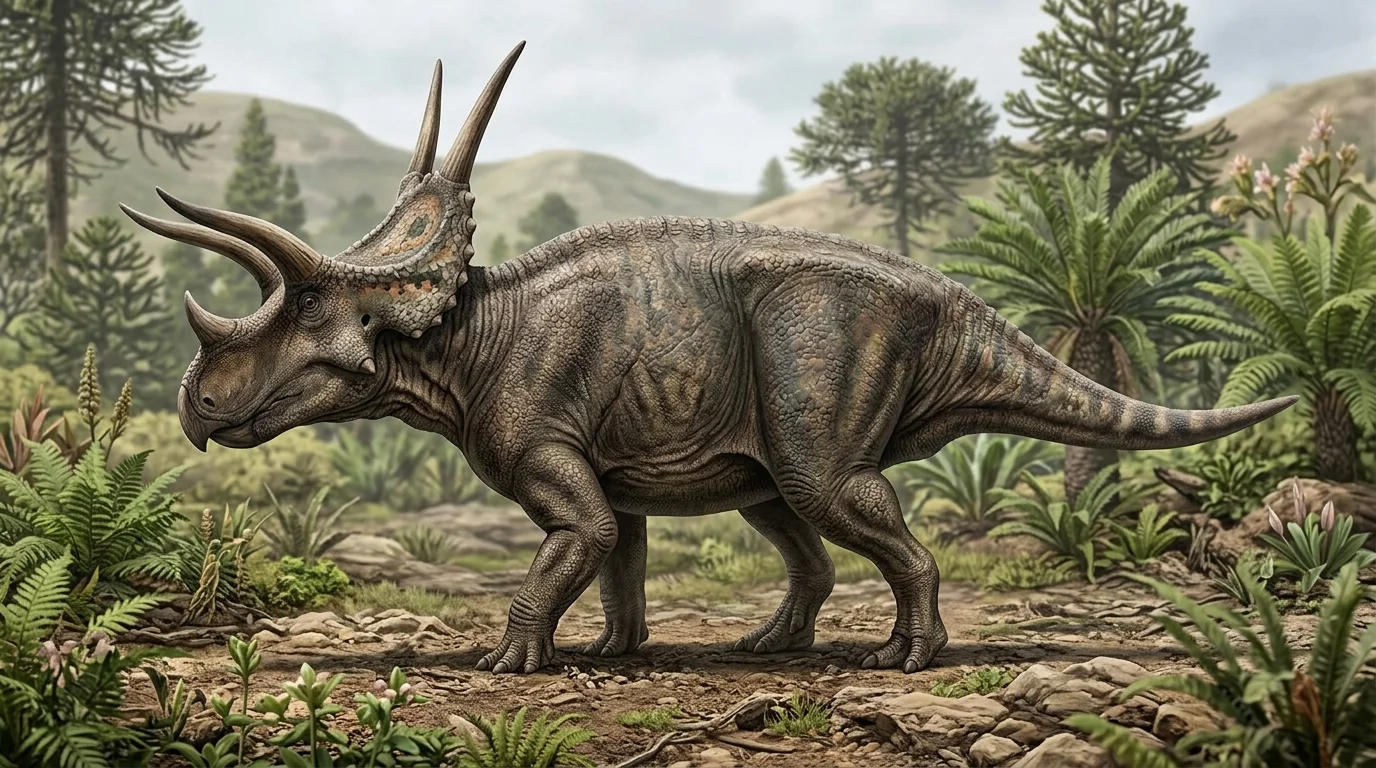
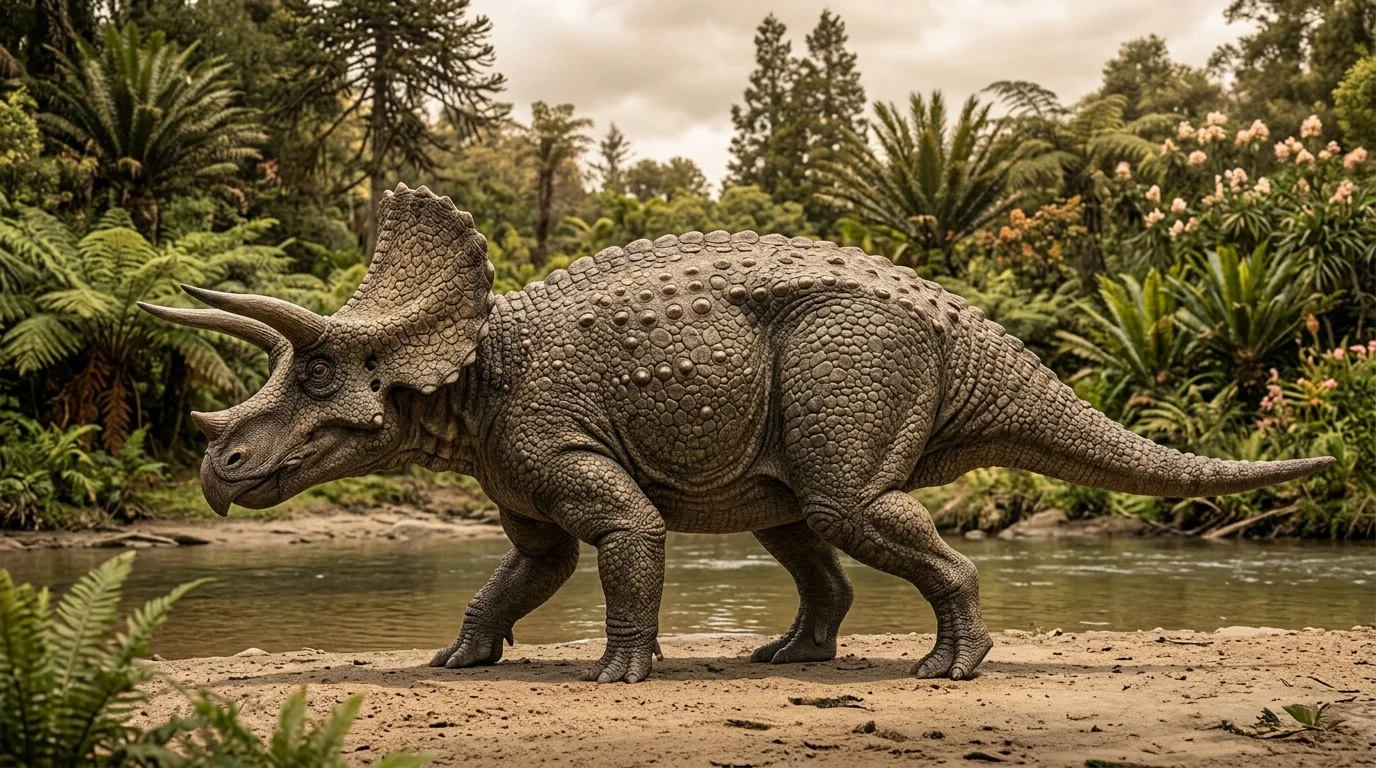
Featured SpecimenCeratopsiaTriceratops horridus Marsh, 1889
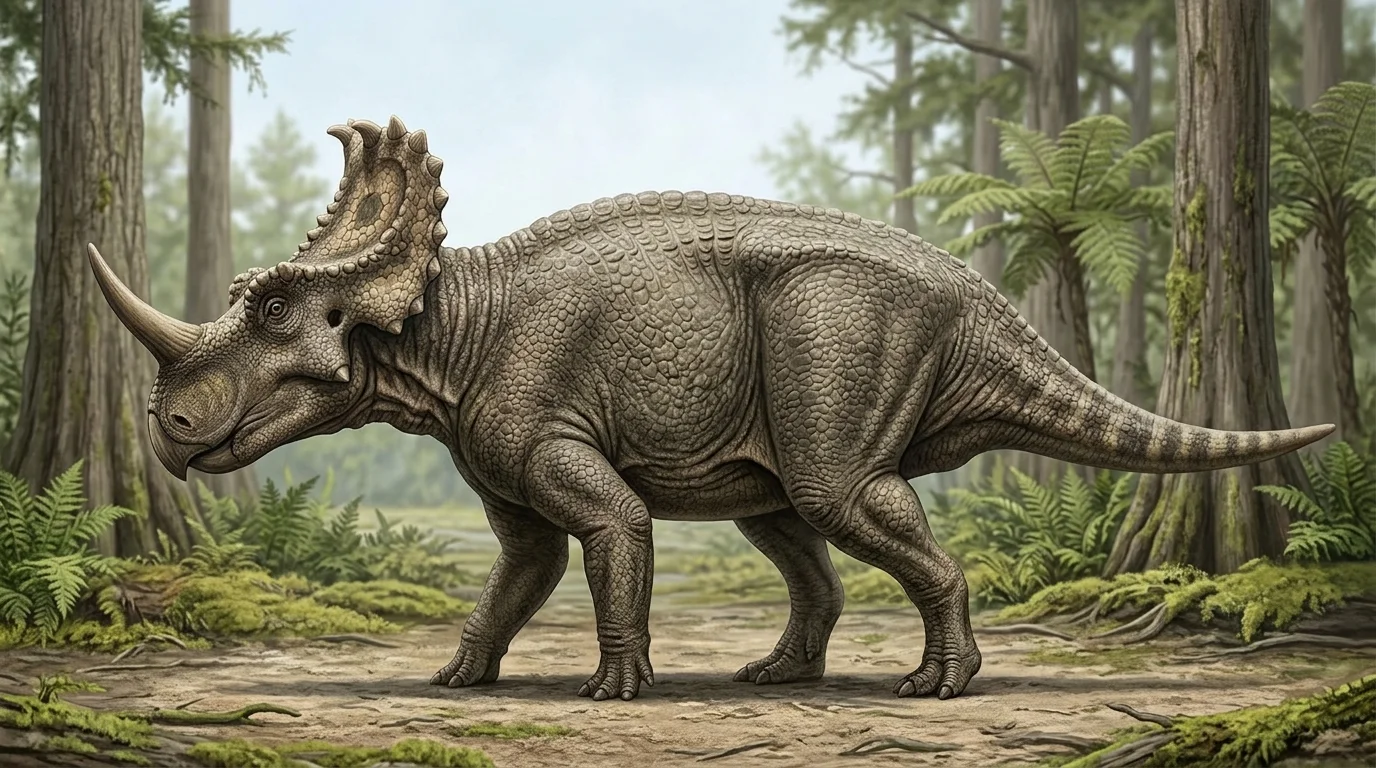
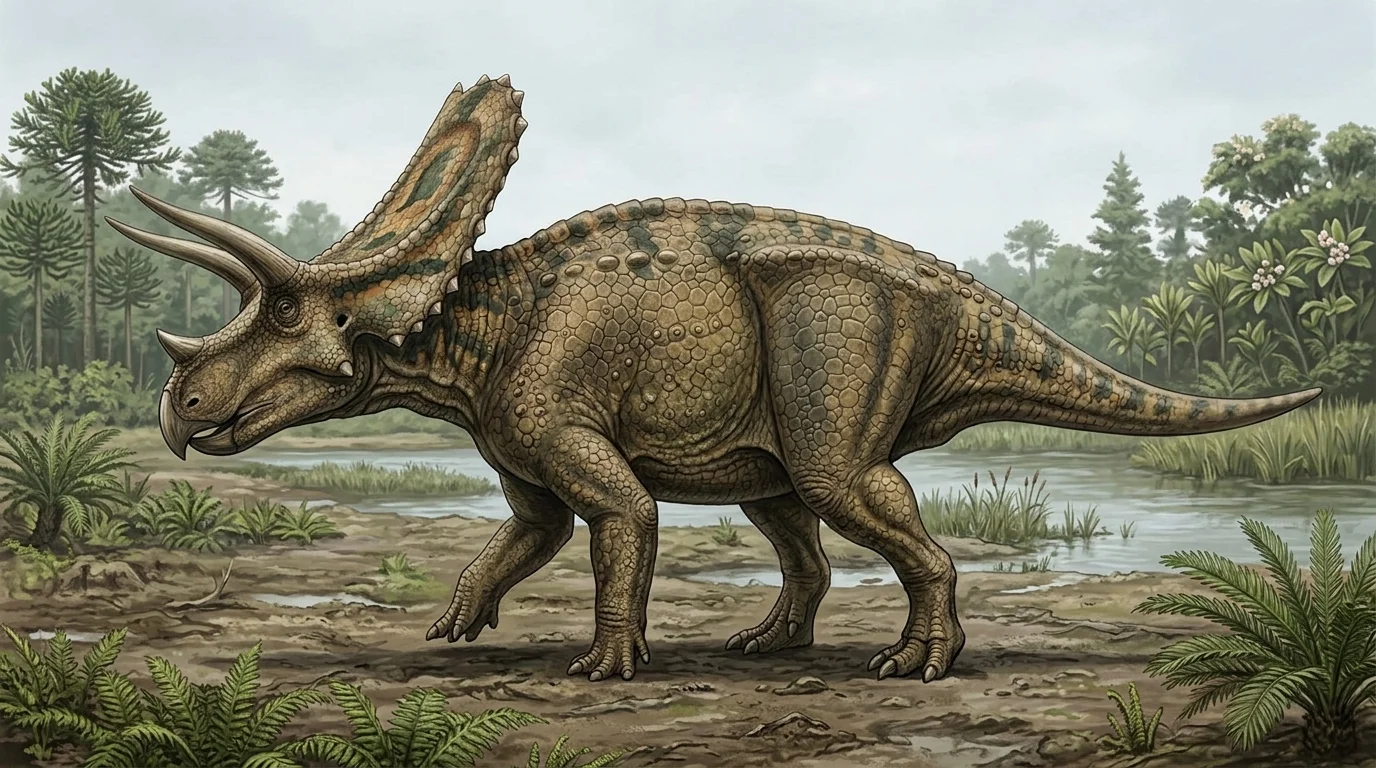
A colossal three-horned ceratopsian dinosaur of the Late Cretaceous with a solid parietal-squamosal bone frill.
TheropodaTroodon formosus Leidy, 1856
A small, large-brained Late Cretaceous theropod with acute stereoscopic vision and large eyes.
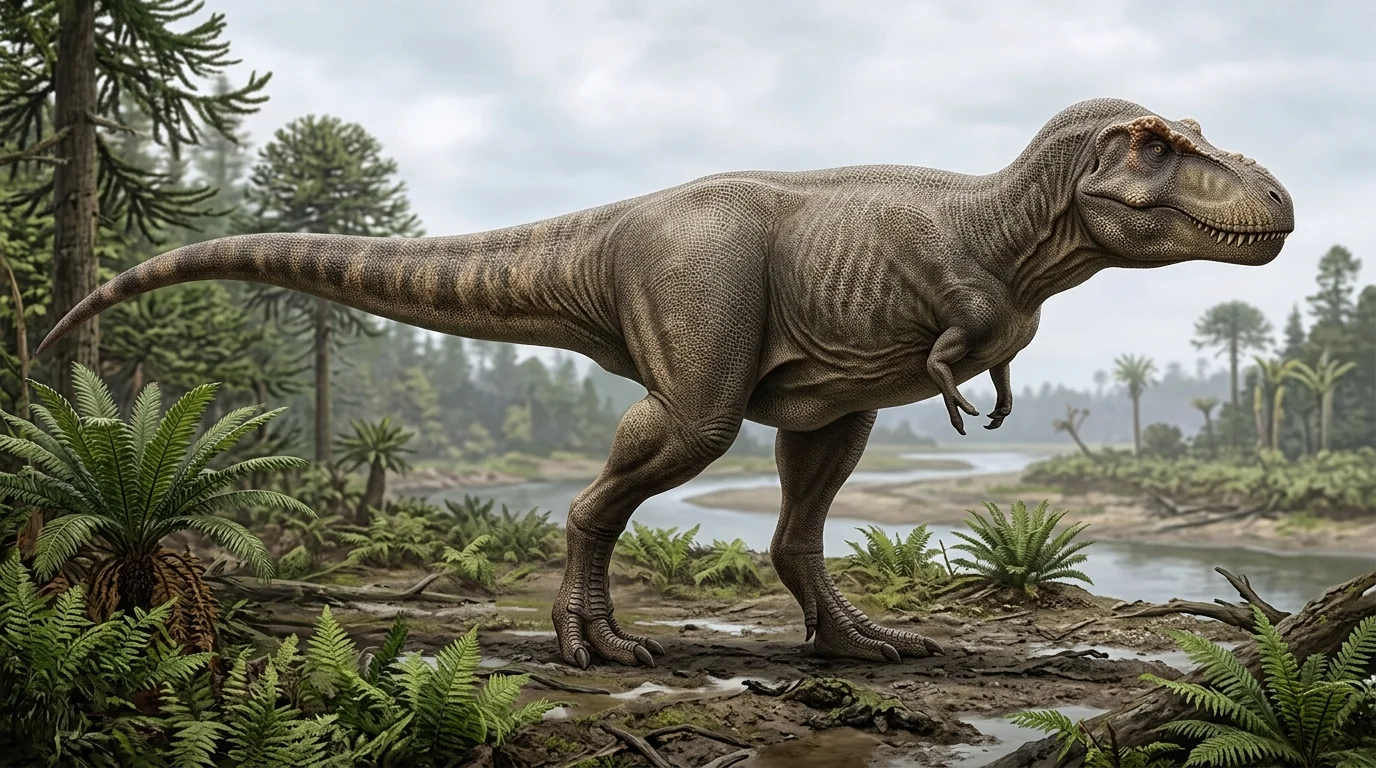
Featured SpecimenTheropodaTyrannosaurus rex Osborn, 1905
The apex macropredator of Late Cretaceous western North America, possessing bone-crushing jaws and acute stereoscopic vision.
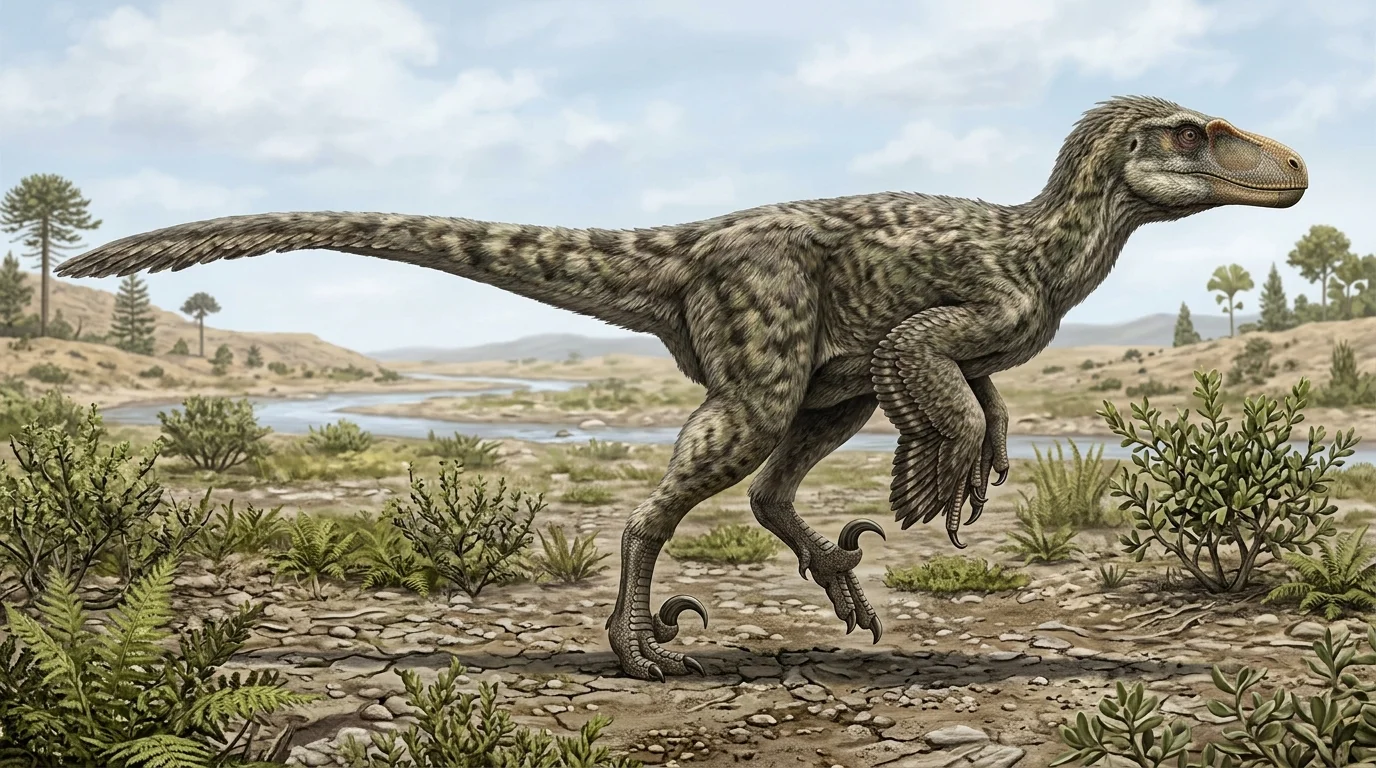
TheropodaUtahraptor ostrommaysi Kirkland et al., 1993
The colossal king of the dromaeosaurids, a 6-meter, half-ton apex ambush predator with 24-centimeter foot claws.