Loading species comparison matrix...
Direct Paleobiological Analysis
Triceratopsvs.Centrosaurus
A side-by-side scientific comparison of physiological dimensions, biomechanics, temporal horizons, and anatomical specializations.
Comparing 2 of maximum 4 specimens
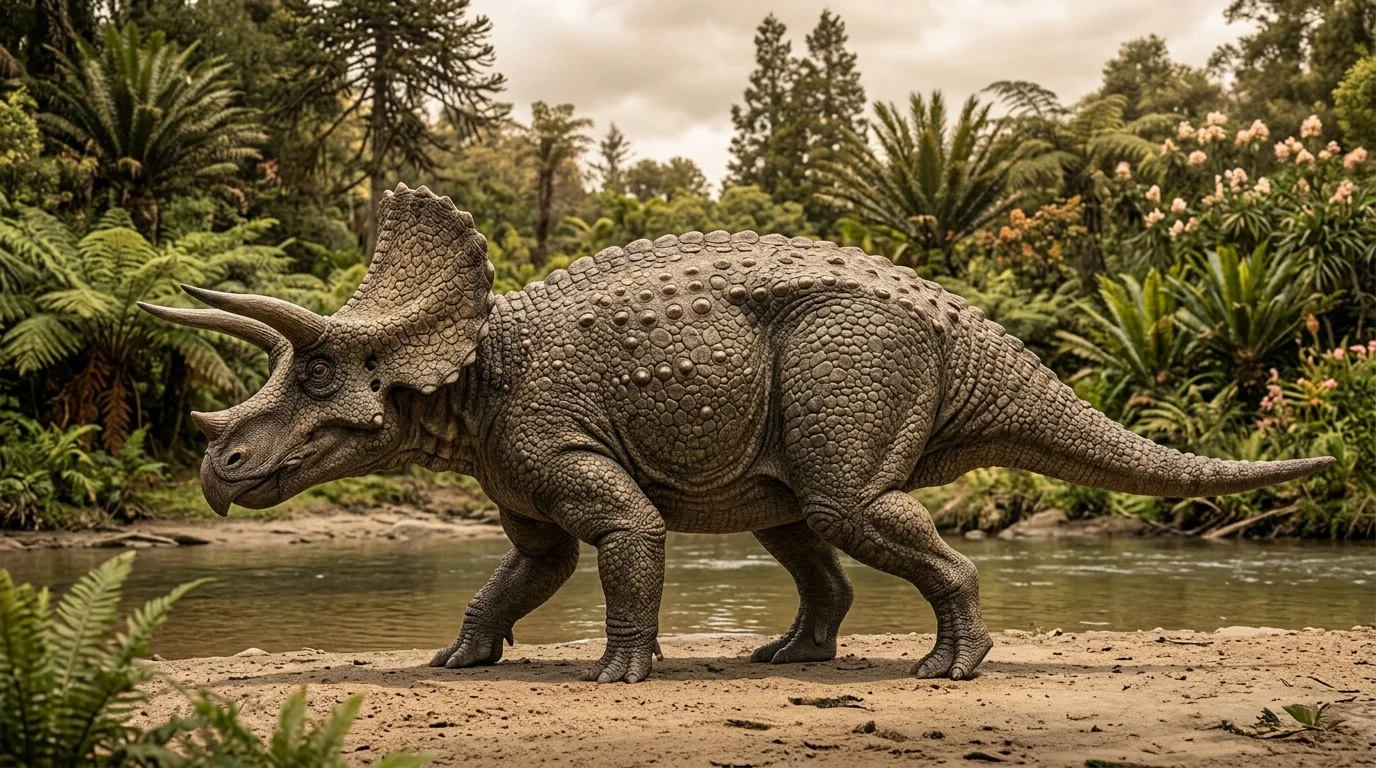 Ceratopsia
Triceratops
Triceratops horridus Marsh, 1889
A colossal three-horned ceratopsian dinosaur of the Late Cretaceous with a solid parietal-squamosal bone frill.
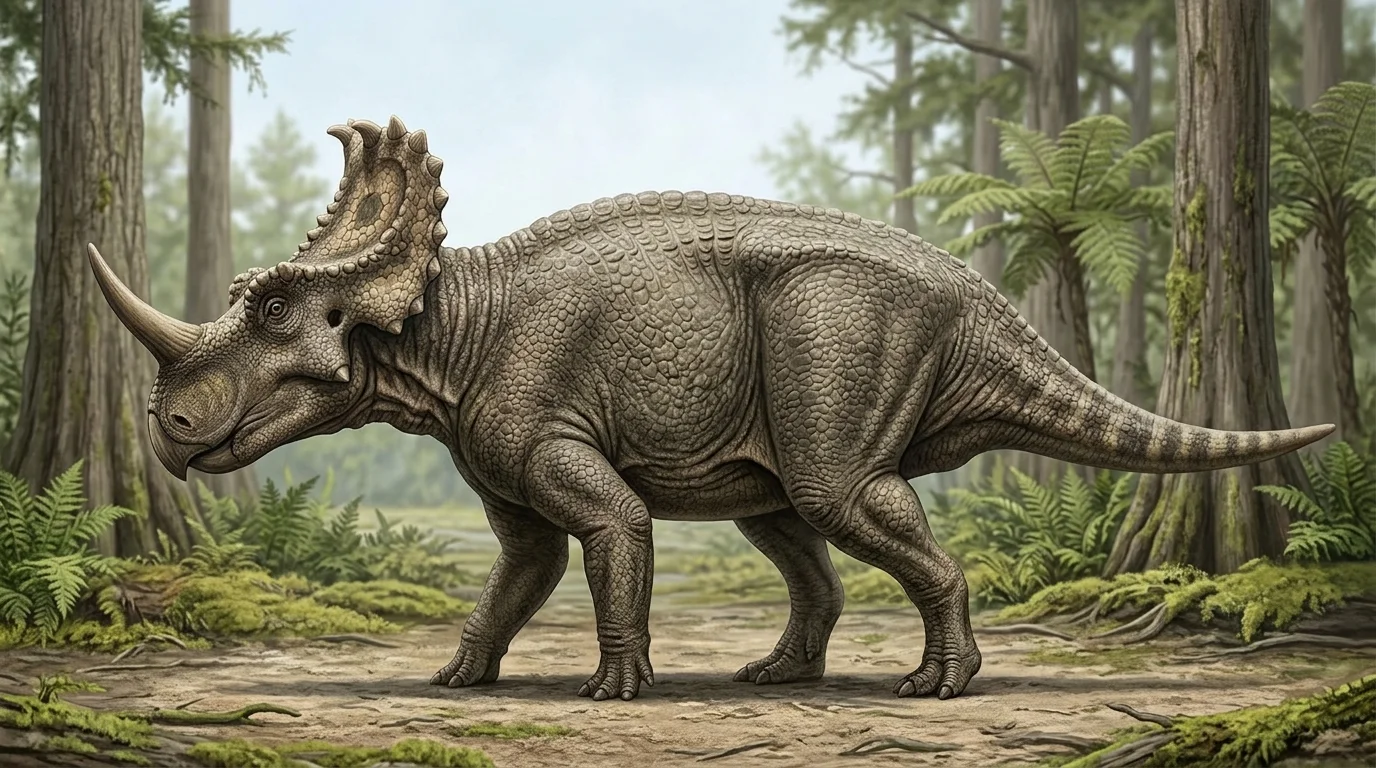 Ceratopsia
Centrosaurus
Centrosaurus apertus Lambe, 1904
A prominent centrosaurine ceratopsid from Alberta featuring a forward-curved nasal horn and hooked frill spikes.
Comparative Paleobiological & Anatomical Matrix
| Feature / Trait | Triceratops | Centrosaurus |
|---|---|---|
Total Length | 7.9–9 m (25.9–29.5 ft) Estimated maximum | 5.5–6 m (18.0–19.7 ft) Estimated maximum |
Hip Height | 2.8–3.2 m (9.2–10.5 ft) Model estimate | 2–2.3 m (6.6–7.5 ft) Model estimate |
Body Mass | 6.0–9.0 metric tons (13,228–19,842 lbs) Volumetric/allometric model | 2.0–3.0 metric tons (4,409–6,614 lbs) Volumetric/allometric model |
Epoch Horizon | Cretaceous Period 68–66 Ma (million years ago) | Cretaceous Period 76.5–75.5 Ma (million years ago) |
Diet & Trophic Role | Herbivore Low-growing fibrous vegetation including palms, ferns, cycads, and angiosperms, processed by specialized shearing dental batteries. | Herbivore Herbivorous; processed tough woody shrubs, cycads, and palms with continuously shearing dental batteries. |
Taxonomic Clade | Ceratopsia(Infraorder) | Ceratopsia(Infraorder) |
Fossil Localities | Denver, Colorado, United States Named: 1887 | Dinosaur Park Formation, Alberta, Canada Named: 1902 |
Locomotion & Behavior | Triceratops operated as a low-tier specialized browser, utilizing shearing dental batteries of hundreds of densely packed teeth to process fibrous palms, cycads, and early angiosperms. Periosteal bone lesions and puncture marks on fossil squamosals matching the morphology of conspecific brow horns provide direct osteological evidence of intraspecific combat and ritualized head-locking. Concurrently, fossil horn cores bearing healed bite marks demonstrate active defense against contemporary apex predators like [Tyrannosaurus rex](/dinosaurs/tyrannosaurus-rex). Bonebed evidence suggests juveniles gathered in small groups, while adult social structures remain an area of active study. | Gregarious horned herbivore that gathered in massive herds numbering hundreds of individuals, as demonstrated by catastrophic bonebed deposits. In the Dinosaur Park Formation, Centrosaurus coexisted with fellow ceratopsians like [Styracosaurus](/dinosaurs/styracosaurus) and duck-billed hadrosaurs like [Corythosaurus](/dinosaurs/corythosaurus). |
Holotype & Fossils | Known from hundreds of cranial and postcranial specimens excavated throughout the Hell Creek, Lance, and Scollard Formations. The fossil record encompasses O. C. Marsh's 1889 holotype (YPM 1820), numerous complete skulls, and multi-individual bonebed aggregations documenting embryonic, juvenile, and senescent growth stages. | Megabonebeds in Dinosaur Provincial Park yielding thousands of bones and dozens of intact skulls. |
Paleontological Uncertainty Advisory: Anatomical dimensions, body masses, and metabolic rates are scientific estimates derived from volumetric scaling, laser scanning, and biomechanical limb bone allometry. Missing traits indicate non-preserved fossil elements rather than anatomical absence.