Majungasaurus crenatissimus Lavocat, 1955
A stocky, cannibalistic abelisaurid from Late Cretaceous Madagascar sporting a single midline horn on its skull.

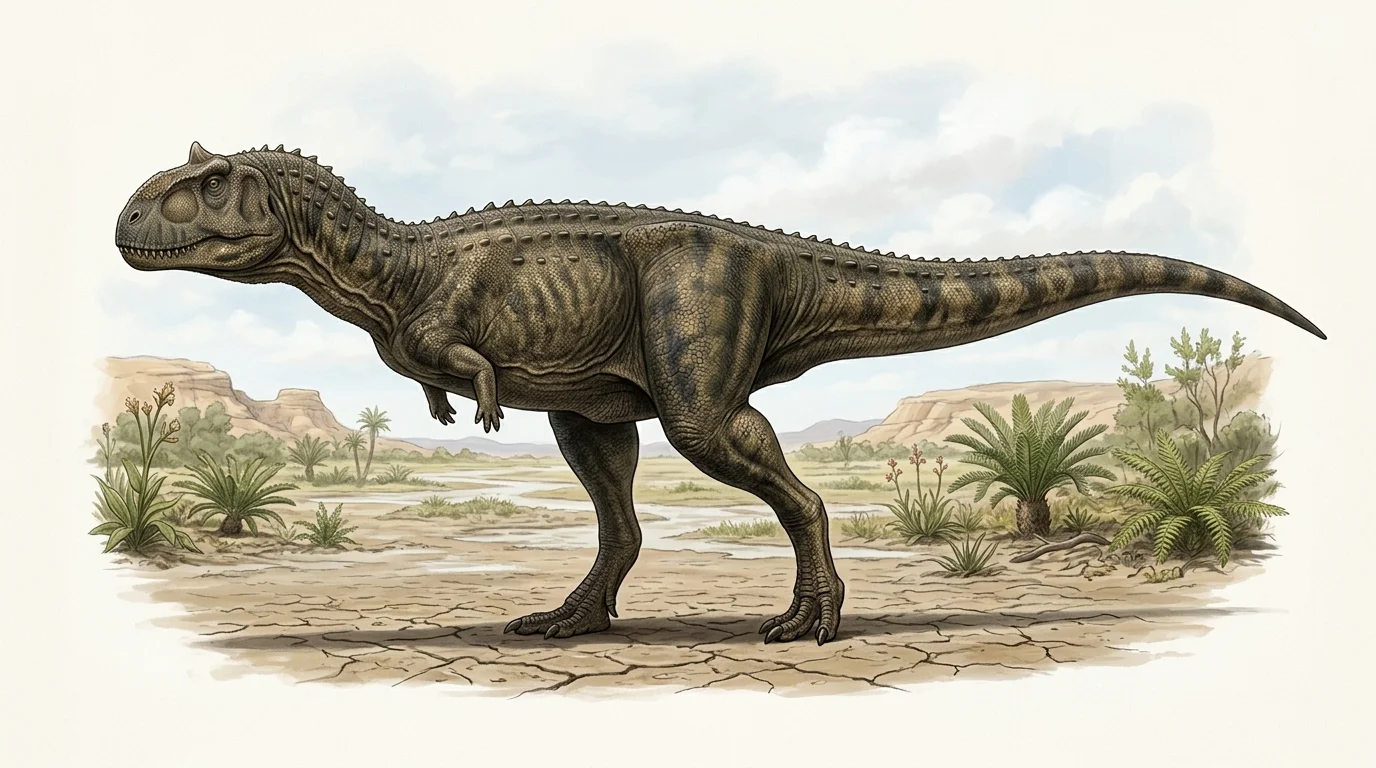
Scientific reconstruction of Majungasaurus (Majungasaurus crenatissimus Lavocat, 1955) in its native Geological period: Cretaceous Period.
Image Credit: AI-generated scientific paleoart reconstruction synthesized from species-specific osteological profiles and peer-reviewed descriptions. (AI-Generated / Open Educational Media (DinoOrigin Spec))
Phylogenetic classification of Majungasaurus crenatissimus Lavocat, 1955 based on peer-reviewed cladistic analyses of diagnostic skeletal synapomorphies.
| Taxonomic Rank | Taxon / Clade | Diagnostic Context |
|---|---|---|
| Kingdom | Animalia | Monophyletic prehistoric clade |
| Phylum | Chordata | Monophyletic prehistoric clade |
| Clade | Dinosauria | Monophyletic prehistoric clade |
| Order | Saurischia (Lizard-Hipped Dinosaurs) | Characterized ancestrally by a triradiate pelvis with an anteriorly pointing pubis. |
| Suborder | Theropoda | Bipedal saurischian dinosaurs, historically dominated by carnivores and including the avian lineage. |
| Genus | Majungasaurus | Monophyletic prehistoric clade |
| Species | Majungasaurus crenatissimus Lavocat, 1955 | Specific authority designation |
Majungasaurus was the apex predator of prehistoric Madagascar during the Maastrichtian stage. A member of the Abelisauridae, it was characterized by extremely short, vestigial forelimbs lacking wrist bones, short stocky legs, and a dome-like single horn on top of its skull.
It is one of the few dinosaurs with direct, peer-reviewed fossil evidence of cannibalism: Majungasaurus bones bear diagnostic tooth puncture marks matching the exact dental spacing and serrations of its own species.
Stout, low-slung carnivore with a wide, blunt skull, a rounded midline forehead horn, and tiny stubby arms.
Anatomical dimensions relative to an average adult human (1.8 m / 6 ft tall)
Titanosaur sauropods (Rapetosaurus) and other Majungasaurus individuals (cannibalistic scavenging).
Apex abelisaurid predator of Late Cretaceous Madagascar, equipped with a short deep skull and thickened frontal dome. Taphonomic bone modifications provide direct osteological evidence of intraspecific biting and cannibalism in an insular island setting, while sharing morphological affinities with South American Carnotaurus.
Semi-arid coastal floodplains subject to severe seasonal drought and flash floods.
Multiple complete articulated skeletons and skulls in the Field Museum and Antananarivo.
First named by Charles Depéret; exquisite complete skulls excavated by David Krause's team in the 1990s.
The longest and final period of the Mesozoic Era, characterized by the rise of flowering plants, ceratopsians, hadrosaurs, tyrannosaurids, and concluding with the Chicxulub asteroid impact.
During the Mesozoic Era, continental drift progressively reconfigured land bridges, atmospheric currents, and regional precipitation regimes. Fossils of Majungasaurus evidence its adaptation to the paleoenvironments of Africa.
Featuring the Bahariya and Kem Kem deltaic systems of North Africa, home to colossal riverine theropods and unique freshwater ecosystems.
The anatomical architecture of Majungasaurus serves as a crucial benchmark in vertebrate paleontology, illustrating key adaptive radiations within Theropoda.
Scientifically verified answers based on peer-reviewed paleontological evidence.
Majungasaurus lived during the Cretaceous Period Period, approximately 70–66 Ma (million years ago). This places it within the Mesozoic Era.
Paleontological estimates place Majungasaurus at a length of 6–7 m (19.7–23.0 ft), a hip/standing height of 1.8–2.2 m (5.9–7.2 ft), and a body mass of 1.0–1.5 metric tons (2,205–3,307 lbs).
Classified as a carnivore, Majungasaurus specialized in consuming Titanosaur sauropods (Rapetosaurus) and other Majungasaurus individuals (cannibalistic scavenging)..
Fossil specimens of Majungasaurus have been recovered from Maevarano Formation, Mahajanga, Madagascar, with notable historic specimens documented in 1896. First named by Charles Depéret; exquisite complete skulls excavated by David Krause's team in the 1990s.
Authoritative citations establishing the factual taxonomy, biometrics, and anatomy of Majungasaurus.
Krause, D. W., Sampson, S. D., Carrano, M. T., & O'Connor, P. M. (2007). Majungasaurus crenatissimus (Theropoda: Abelisauridae) from the Late Cretaceous of Madagascar. Journal of Vertebrate Paleontology, Memoir 8, 27(S2), 1-184. https://doi.org/10.1671/0272-4634(2007)27[1:MCTAFT]2.0.CO;2
Curated & Verified: 2026-09-24Deposited in Mesozoic sedimentary strata preserving skeletal remains, teeth, or trace trackways.
Majungasaurus provides critical insights into the evolutionary radiation of Theropoda. Holotypes and fossil evidence indicate: Multiple complete articulated skeletons and skulls in the Field Museum and Antananarivo.
Lavocat, R. (1955). Sur une portion de mandibule de Théropode provenant du Crétacé supérieur de Madagascar. Bulletin du Muséum National d'Histoire Naturelle, 27(3), 256-259.
TheropodaAcrocanthosaurus atokensis Stovall & Langston, 1950
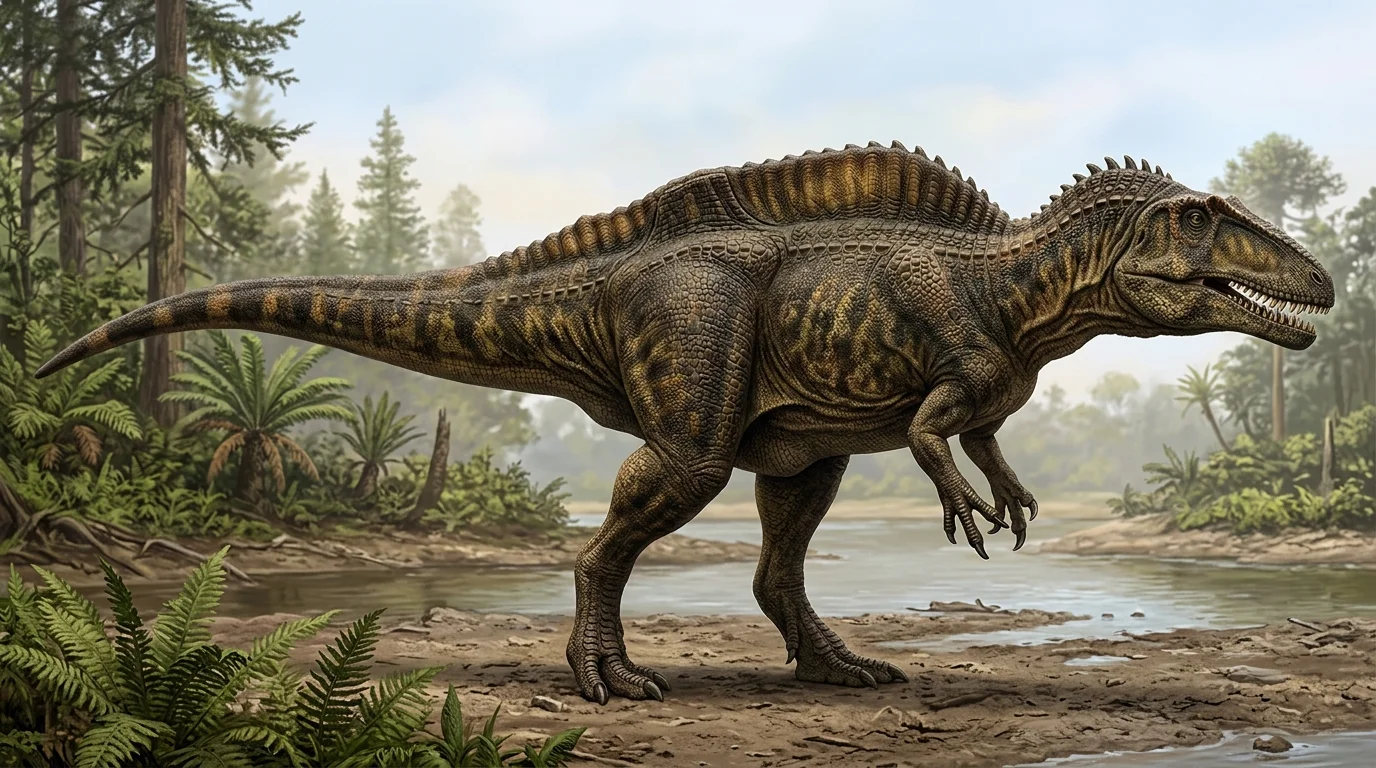
A high-spined North American apex predator famous for hunting sauropods across Early Cretaceous river valleys.
TheropodaAlbertosaurus sarcophagus Osborn, 1905
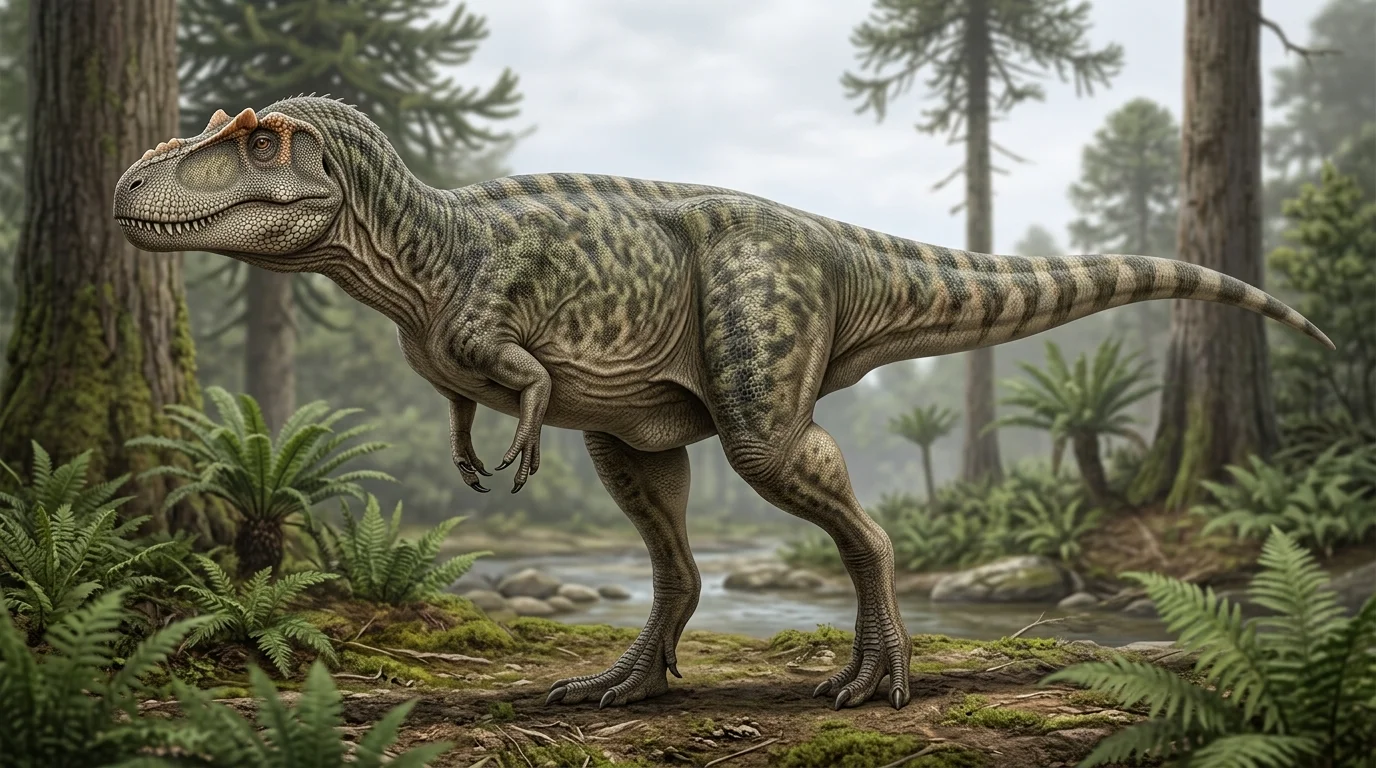
A fleet-footed, gracile tyrannosaurid from the Late Cretaceous of western Canada known from prominent multi-individual bonebed associations.
TheropodaAnzu wyliei Lamanna et al., 2014
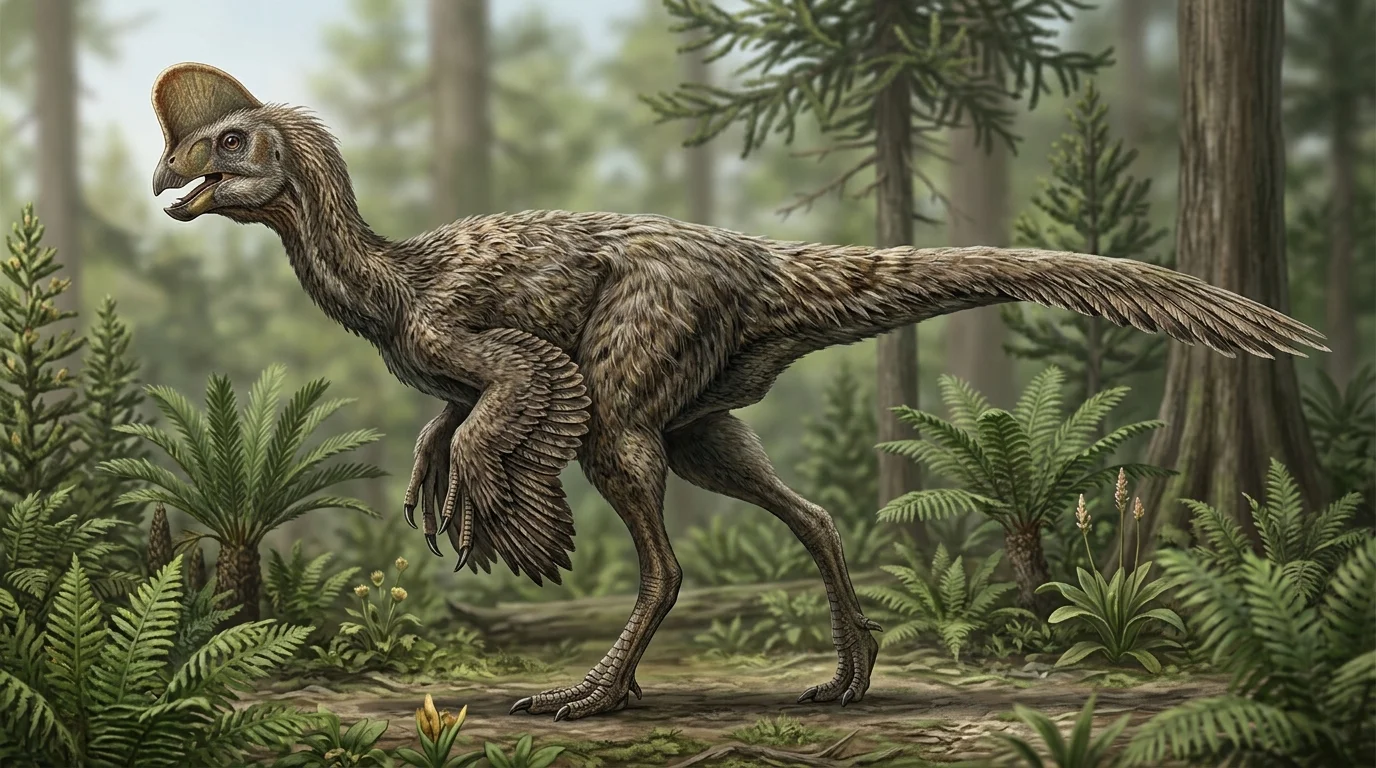
The 'Chicken from Hell', a gigantic, crested caenagnathid oviraptorosaur from the Hell Creek Formation.