Loading species comparison matrix...
Direct Paleobiological Analysis
Majungasaurusvs.Acrocanthosaurus
A side-by-side scientific comparison of physiological dimensions, biomechanics, temporal horizons, and anatomical specializations.
Comparing 2 of maximum 4 specimens
 Theropoda
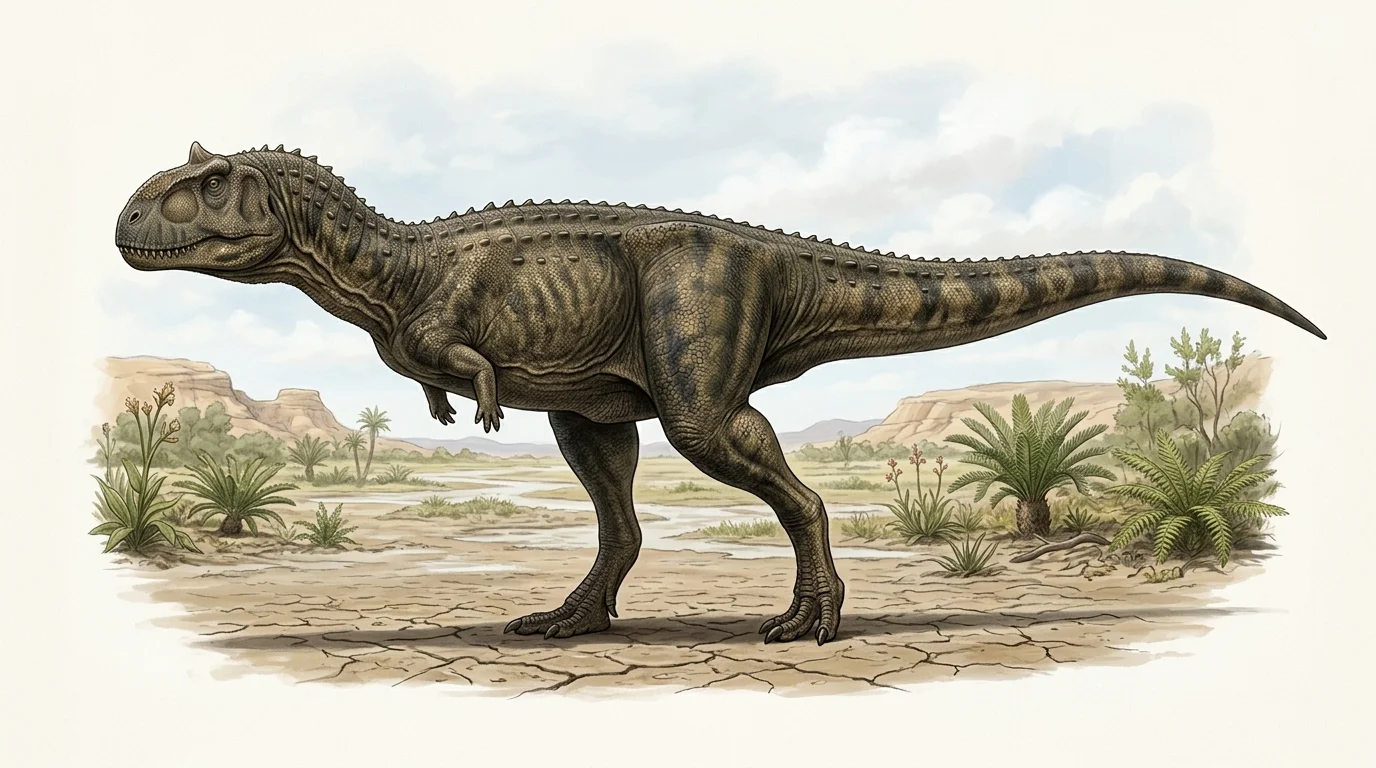
Majungasaurus
Majungasaurus crenatissimus Lavocat, 1955
A stocky, cannibalistic abelisaurid from Late Cretaceous Madagascar sporting a single midline horn on its skull.
 Theropoda
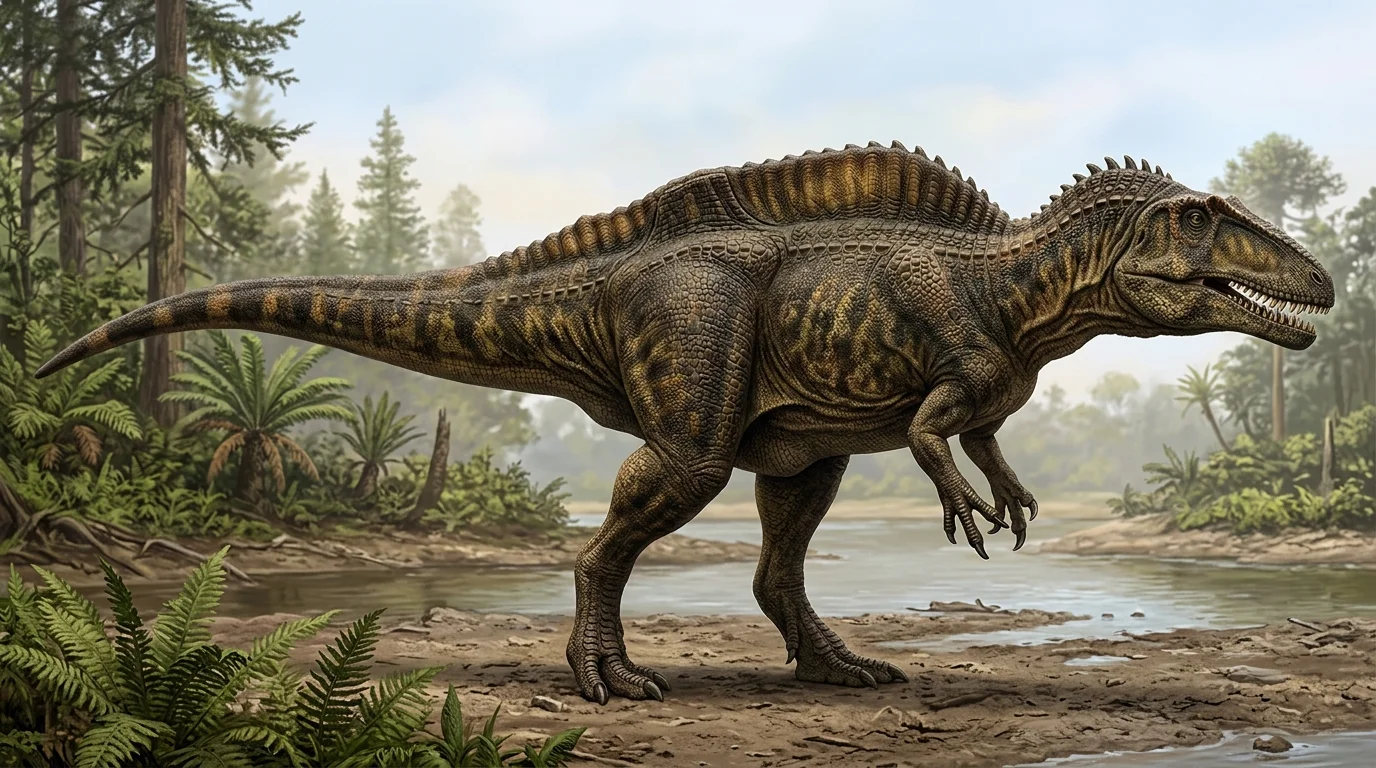
Acrocanthosaurus
Acrocanthosaurus atokensis Stovall & Langston, 1950
A high-spined North American apex predator famous for hunting sauropods across Early Cretaceous river valleys.
Comparative Paleobiological & Anatomical Matrix
| Feature / Trait | Majungasaurus | Acrocanthosaurus |
|---|---|---|
Total Length | 6–7 m (19.7–23.0 ft) Estimated maximum | 10–11.5 m (32.8–37.7 ft) Estimated maximum |
Hip Height | 1.8–2.2 m (5.9–7.2 ft) Model estimate | 3.4–4 m (11.2–13.1 ft) Model estimate |
Body Mass | 1.0–1.5 metric tons (2,205–3,307 lbs) Volumetric/allometric model | 4.5–6.5 metric tons (9,921–14,330 lbs) Volumetric/allometric model |
Epoch Horizon | Cretaceous Period 70–66 Ma (million years ago) | Cretaceous Period 113–110 Ma (million years ago) |
Diet & Trophic Role | Carnivore Titanosaur sauropods (Rapetosaurus) and other Majungasaurus individuals (cannibalistic scavenging). | Carnivore Hunted sauropods like Sauroposeidon and ornithopods like Tenontosaurus. |
Taxonomic Clade | Theropoda(Suborder) | Theropoda(Suborder) |
Fossil Localities | Maevarano Formation, Mahajanga, Madagascar Named: 1896 | Antlers Formation, Atoka County, Oklahoma, United States Named: 1940 |
Locomotion & Behavior | Apex abelisaurid predator of Late Cretaceous Madagascar, equipped with a short deep skull and thickened frontal dome. Taphonomic bone modifications provide direct osteological evidence of intraspecific biting and cannibalism in an insular island setting, while sharing morphological affinities with South American [Carnotaurus](/dinosaurs/carnotaurus). | Apex pursuit predator that shared the Early Cretaceous coastal plain ecosystem with contemporary dromaeosaurids like [Deinonychus](/dinosaurs/deinonychus) and large ornithopods like [Tenontosaurus](/dinosaurs/tenontosaurus). Trackway assemblages and body fossils indicate it operated as the dominant carnivore across these ancient river deltas. |
Holotype & Fossils | Multiple complete articulated skeletons and skulls in the Field Museum and Antananarivo. | Spectacular complete specimen 'Fran' (NCSM 14345) mounted at the North Carolina Museum of Natural Sciences. |
Paleontological Uncertainty Advisory: Anatomical dimensions, body masses, and metabolic rates are scientific estimates derived from volumetric scaling, laser scanning, and biomechanical limb bone allometry. Missing traits indicate non-preserved fossil elements rather than anatomical absence.