Loading species comparison matrix...
Direct Paleobiological Analysis
Compsognathusvs.Allosaurus
A side-by-side scientific comparison of physiological dimensions, biomechanics, temporal horizons, and anatomical specializations.
Comparing 2 of maximum 4 specimens
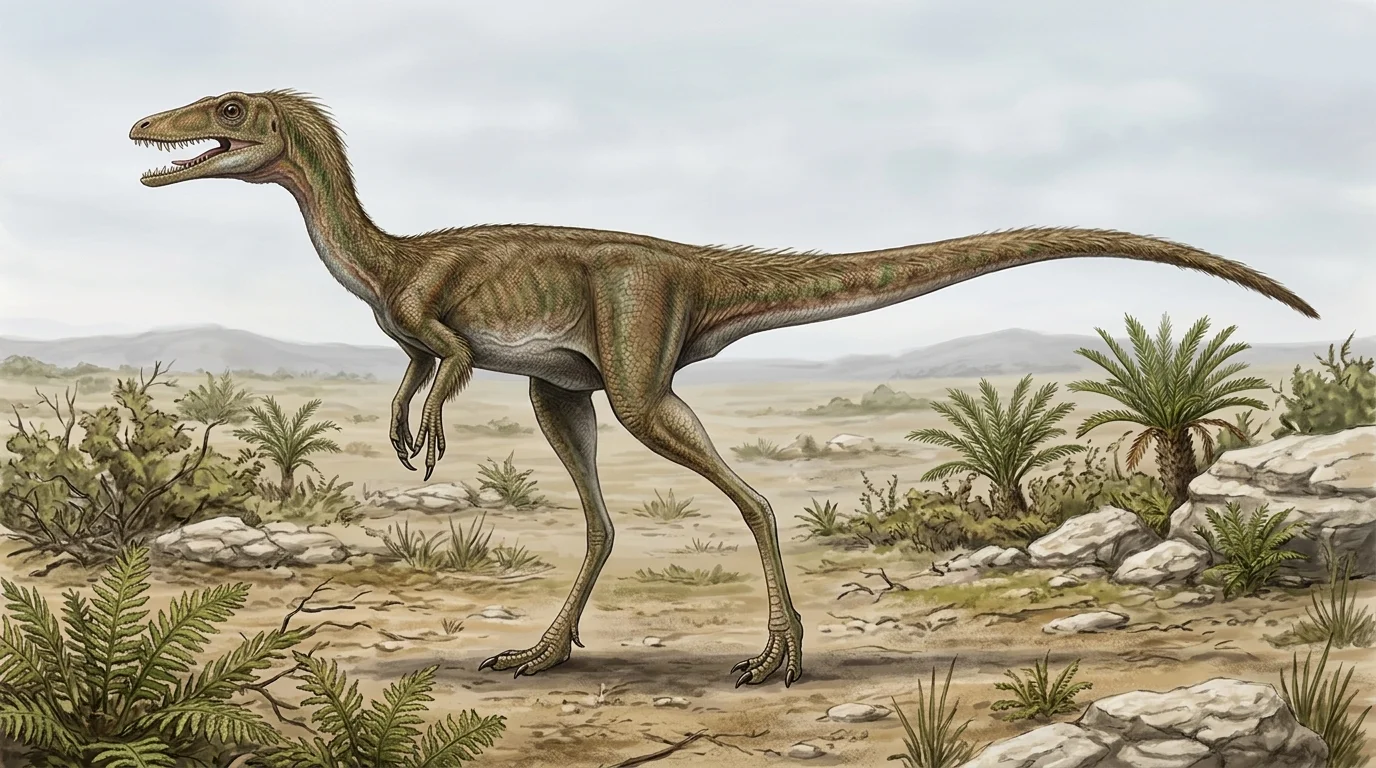 Theropoda
Compsognathus
Compsognathus longipes Wagner, 1859
A petite, nimble Late Jurassic coelurosaur about the size of a chicken, historically famous as one of the smallest known dinosaurs.
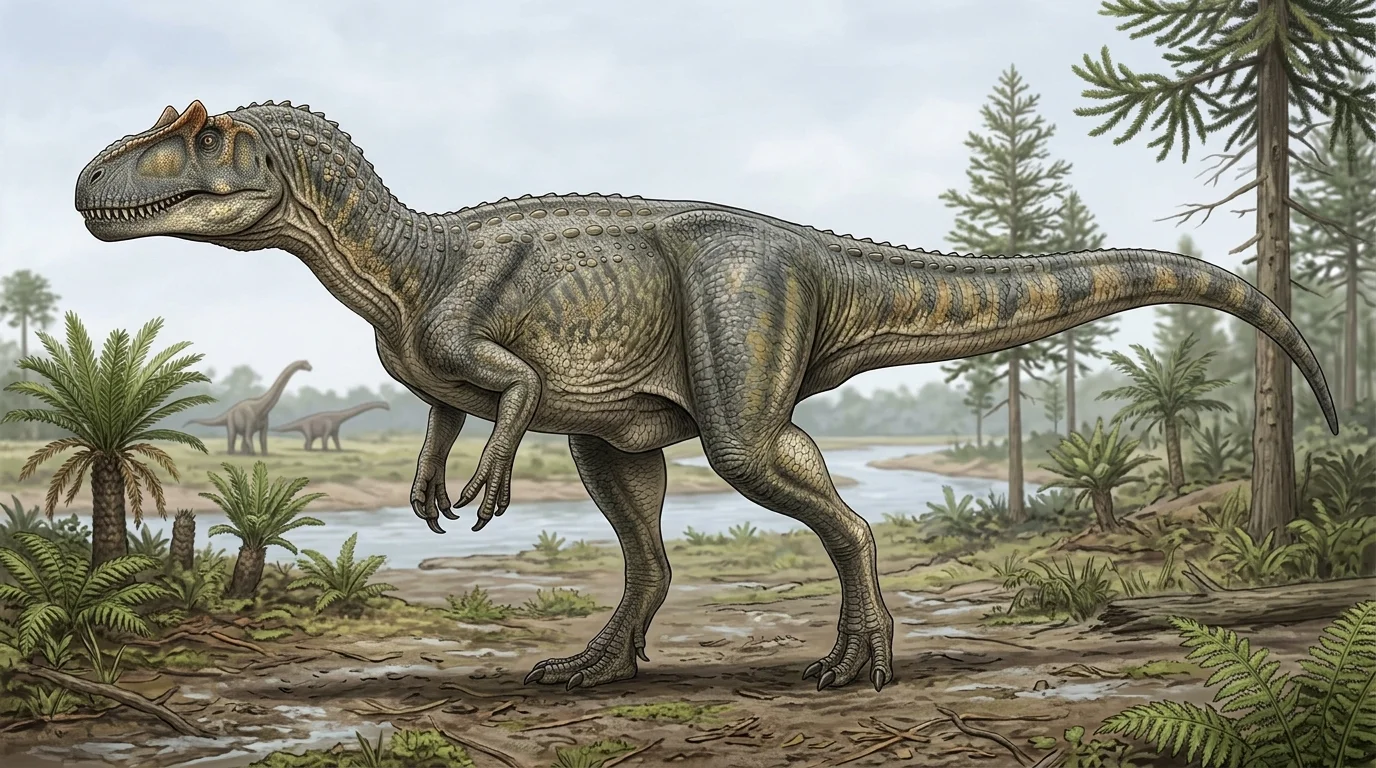 Theropoda
Allosaurus
Allosaurus fragilis Marsh, 1877
The most abundant apex theropod of Late Jurassic North America, equipped with a kinetic skull and slashing serrated teeth.
Comparative Paleobiological & Anatomical Matrix
| Feature / Trait | Compsognathus | Allosaurus |
|---|---|---|
Total Length | 0.9–1.1 m (3.0–3.6 ft) Estimated maximum | 8.5–9.7 m (27.9–31.8 ft) Estimated maximum |
Hip Height | 0.3–0.4 m (1.0–1.3 ft) Model estimate | 2.8–3.3 m (9.2–10.8 ft) Model estimate |
Body Mass | 2–3.5 kg (4–8 lbs) Volumetric/allometric model | 1.8–2.7 metric tons (3,968–5,952 lbs) Volumetric/allometric model |
Epoch Horizon | Jurassic Period 150.8–145.5 Ma (million years ago) | Jurassic Period 155–145 Ma (million years ago) |
Diet & Trophic Role | Carnivore Small squamates (Bavarisaurus), rhynchocephalians, and Mesozoic insects. | Carnivore Sauropods (Diplodocus, Camarasaurus), stegosaurs, and ornithopods (Dryosaurus, Camptosaurus). |
Taxonomic Clade | Theropoda(Suborder) | Theropoda(Suborder) |
Fossil Localities | Solnhofen, Bavaria, Germany Named: 1859 | Garden Park, Canon City, Colorado, United States Named: 1877 |
Locomotion & Behavior | Small, agile carnivore preying on lizards and fast-moving invertebrates on dry scrub islands. Excavated from the fine-grained Solnhofen limestone of Bavaria, Compsognathus lived in the exact same subtropical lagoonal ecosystem as the stem-bird [Archaeopteryx](/dinosaurs/archaeopteryx). | Bonebed accumulations such as the Cleveland-Lloyd Dinosaur Quarry, where over 40 individual Allosaurus specimens were recovered, have sparked intense scientific discussion. Hypotheses range from catastrophic predator traps around toxic waterholes to drought-driven feeding aggregations. Bone pathologies show frequent fractures and healed injuries, indicating aggressive predatory life encounters and intraspecific fighting. |
Holotype & Fossils | Two well-preserved complete skeletons: the German holotype (BSP AS I 563) and a larger French specimen (MNHN CNJ 79). | One of the richest fossil records of any large dinosaur, with thousands of bones and dozens of complete or near-complete skeletons known. Iconic specimens include O. C. Marsh's 1877 holotype (YPM 1930) and the subadult specimen MOR 693 ('Big Al'), which preserves 95% of its skeleton alongside 19 distinct bone pathologies. |
Paleontological Uncertainty Advisory: Anatomical dimensions, body masses, and metabolic rates are scientific estimates derived from volumetric scaling, laser scanning, and biomechanical limb bone allometry. Missing traits indicate non-preserved fossil elements rather than anatomical absence.