Ceratosuchops inferodios Barker et al., 2021
The 'horned crocodile-faced hell heron', a newly described spinosaurid from the Isle of Wight.

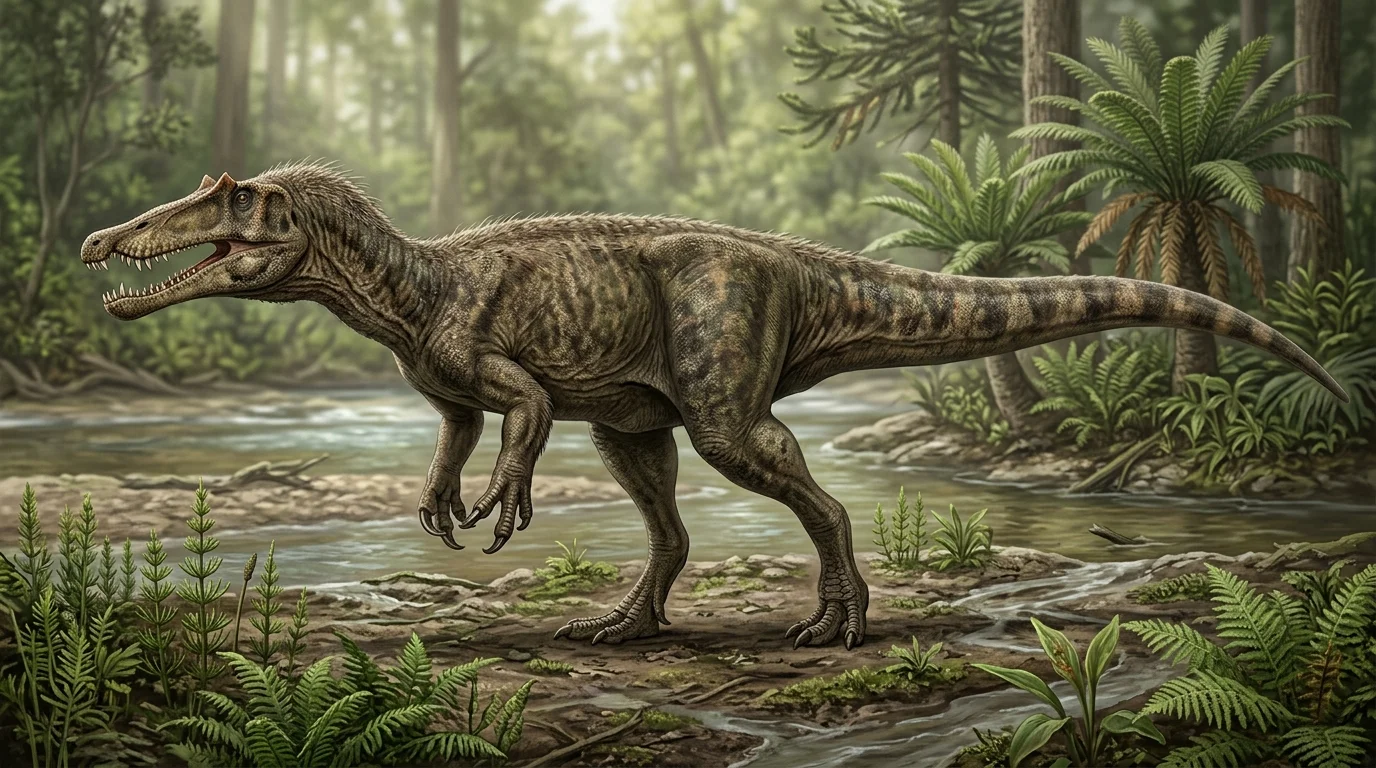
Scientific reconstruction of Ceratosuchops (Ceratosuchops inferodios Barker et al., 2021) in its native Geological period: Cretaceous Period.
Image Credit: AI-generated scientific paleoart reconstruction synthesized from species-specific osteological profiles and peer-reviewed descriptions. (AI-Generated / Open Educational Media (DinoOrigin Spec))
Phylogenetic classification of Ceratosuchops inferodios Barker et al., 2021 based on peer-reviewed cladistic analyses of diagnostic skeletal synapomorphies.
| Taxonomic Rank | Taxon / Clade | Diagnostic Context |
|---|---|---|
| Kingdom | Animalia | Monophyletic prehistoric clade |
| Phylum | Chordata | Monophyletic prehistoric clade |
| Clade | Dinosauria | Monophyletic prehistoric clade |
| Order | Saurischia (Lizard-Hipped Dinosaurs) | Characterized ancestrally by a triradiate pelvis with an anteriorly pointing pubis. |
| Suborder | Theropoda | Bipedal saurischian dinosaurs, historically dominated by carnivores and including the avian lineage. |
| Genus | Ceratosuchops | Monophyletic prehistoric clade |
| Species | Ceratosuchops inferodios Barker et al., 2021 | Specific authority designation |
Ceratosuchops was named in 2021 from cranial material discovered on the Isle of Wight, United Kingdom. Measuring approximately nine meters in length, this spinosaurid possessed a series of low bumps and small horns above its brow and along its snout.
Its discovery, alongside contemporary Riparovenator, established that spinosaurids originated and initially diversified in western Europe before migrating into Africa and South America.
Cranial ornamentation with low brow horns, long snout with rosettes of conical teeth, and muscular posture.
Anatomical dimensions relative to an average adult human (1.8 m / 6 ft tall)
Piscivorous/carnivorous; consumed large freshwater fish, aquatic reptiles, and baby dinosaurs.
Subtropical braided river deltas and Mediterranean-style wetland floodplains.
Premaxillae, postorbital region, and braincase fragments exhibiting diagnostic spinosaurid anatomy.
Unearthed by collectors and described by Chris Barker and Darren Naish in 2021.
The longest and final period of the Mesozoic Era, characterized by the rise of flowering plants, ceratopsians, hadrosaurs, tyrannosaurids, and concluding with the Chicxulub asteroid impact.
During the Mesozoic Era, continental drift progressively reconfigured land bridges, atmospheric currents, and regional precipitation regimes. Fossils of Ceratosuchops evidence its adaptation to the paleoenvironments of Europe.
During the Mesozoic, Europe was largely an archipelago of islands, resulting in unique insular dwarf species and classic historical fossil discoveries.
The anatomical architecture of Ceratosuchops serves as a crucial benchmark in vertebrate paleontology, illustrating key adaptive radiations within Theropoda.
Scientifically verified answers based on peer-reviewed paleontological evidence.
Ceratosuchops lived during the Cretaceous Period Period, approximately 129–125 Ma (million years ago). This places it within the Mesozoic Era.
Paleontological estimates place Ceratosuchops at a length of 8–9 m (26.2–29.5 ft), a hip/standing height of 2.3–2.7 m (7.5–8.9 ft), and a body mass of 1.5–2.2 metric tons (3,307–4,850 lbs).
Classified as a piscivore, Ceratosuchops specialized in consuming Piscivorous/carnivorous; consumed large freshwater fish, aquatic reptiles, and baby dinosaurs..
Fossil specimens of Ceratosuchops have been recovered from Wessex Formation, Isle of Wight, United Kingdom, with notable historic specimens documented in 2019. Unearthed by collectors and described by Chris Barker and Darren Naish in 2021.
Authoritative citations establishing the factual taxonomy, biometrics, and anatomy of Ceratosuchops.
Barker, C. T., Hone, D. W. E., Naish, D., Green, C. A., Garcia, S., & Gostling, N. J. (2021). New spinosaurids from the Wessex Formation (Early Cretaceous, UK) and the European origins of Spinosauridae. Scientific Reports, 11, 19340. https://doi.org/10.1038/s41598-021-97870-8
Curated & Verified: 2026-09-24Deposited in Mesozoic sedimentary strata preserving skeletal remains, teeth, or trace trackways.
Ceratosuchops provides critical insights into the evolutionary radiation of Theropoda. Holotypes and fossil evidence indicate: Premaxillae, postorbital region, and braincase fragments exhibiting diagnostic spinosaurid anatomy.
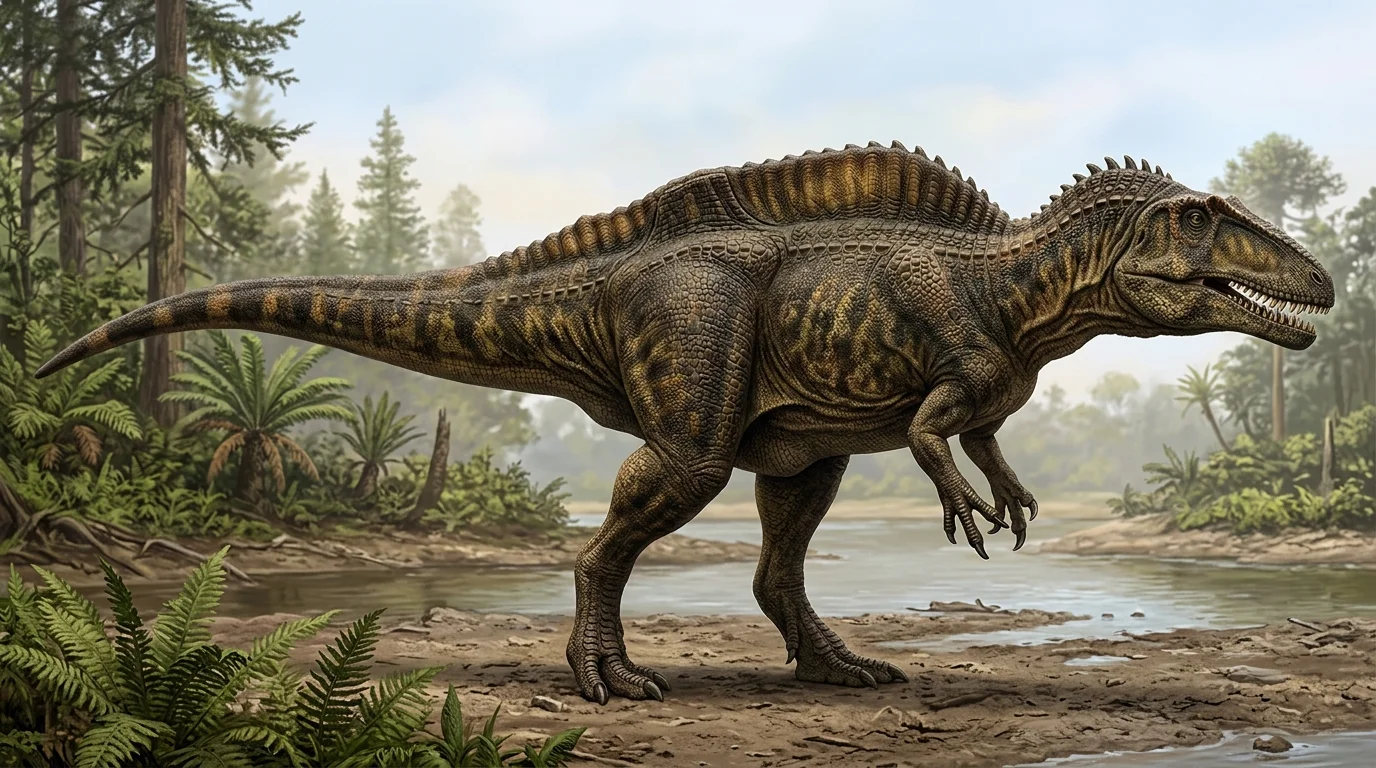
TheropodaAcrocanthosaurus atokensis Stovall & Langston, 1950
A high-spined North American apex predator famous for hunting sauropods across Early Cretaceous river valleys.
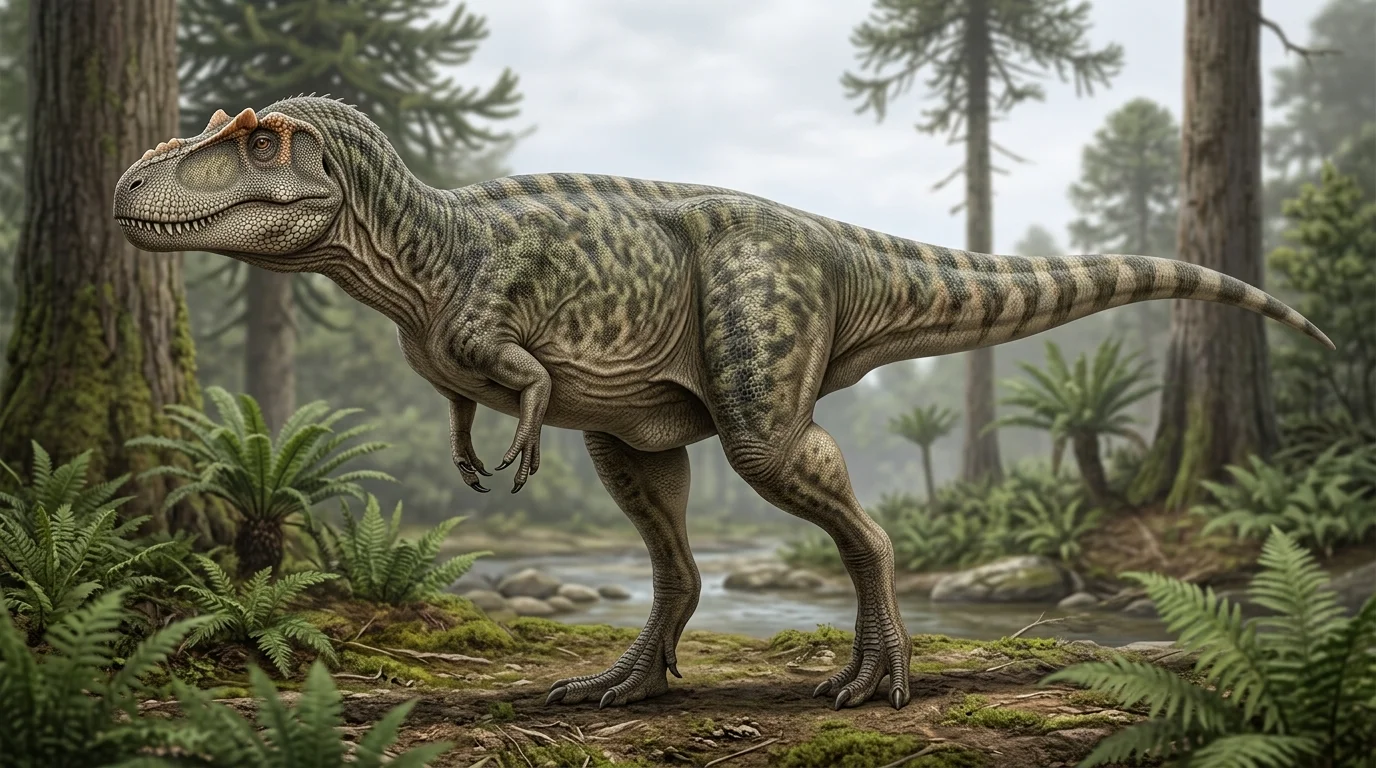
TheropodaAlbertosaurus sarcophagus Osborn, 1905
A fleet-footed, gracile tyrannosaurid from the Late Cretaceous of western Canada known from prominent multi-individual bonebed associations.
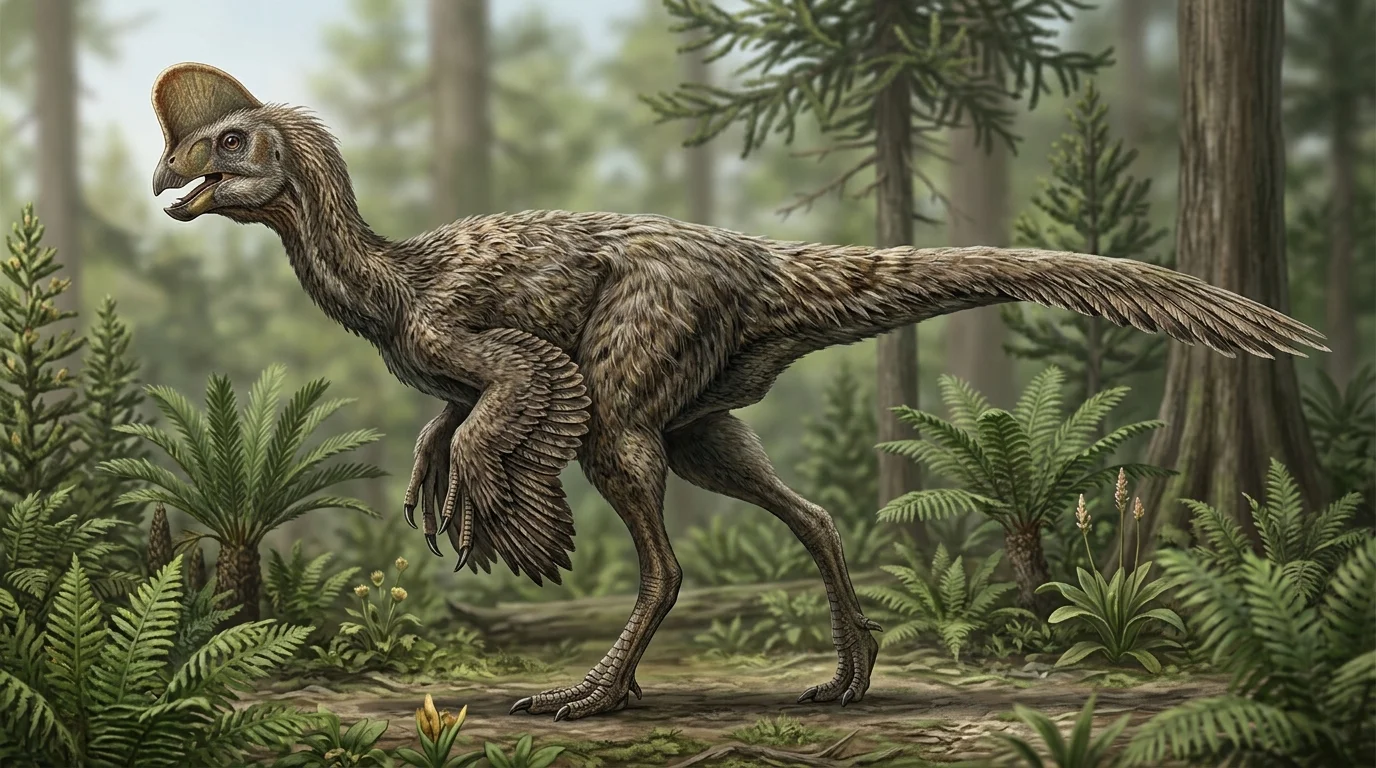
TheropodaAnzu wyliei Lamanna et al., 2014
The 'Chicken from Hell', a gigantic, crested caenagnathid oviraptorosaur from the Hell Creek Formation.