 Theropoda
Cretaceous PeriodOmnivore
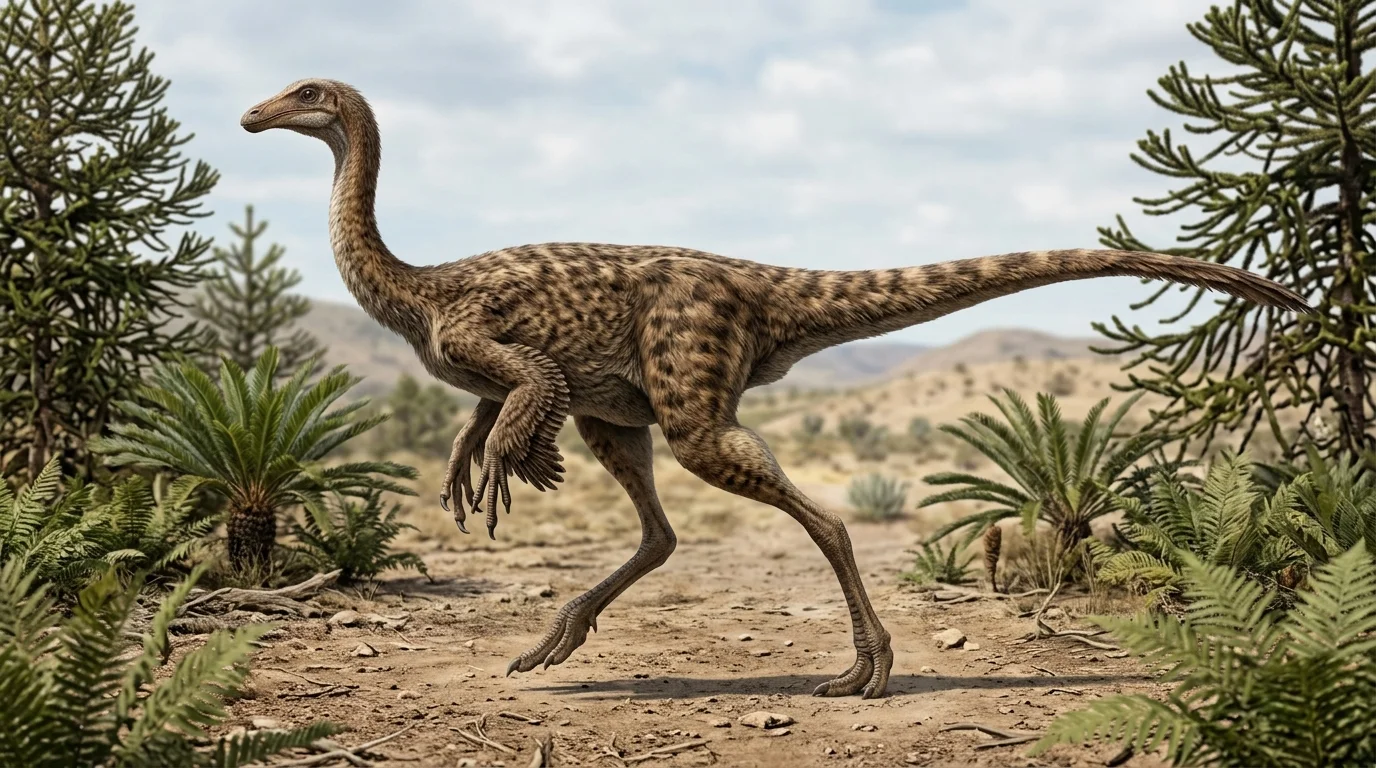
Gallimimus
Gallimimus bullatus Osmólska et al., 1972
The largest known ornithomimid 'ostrich dinosaur', famous for its immense running speed across ancient Mongolia.
5–6 m (16.4–19.7 ft)
400–500 kg (882–1,102 lbs)
Biomechanical Modeling, Trackway Froude Numbers, and Cursorial Adaptations
The fastest dinosaurs were ornithomimosaurs ('ostrich-mimic dinosaurs') like Gallimimus and Struthiomimus, with top sprint speeds calculated between 55 and 65 km/h (34–40 mph). Smaller theropods and agile raptors like Velociraptor reached estimated velocities of 35–40 km/h, while giant theropods like Tyrannosaurus rex were constrained by skeletal bone stress to maximum walking sprints of 20–27 km/h (12–17 mph).
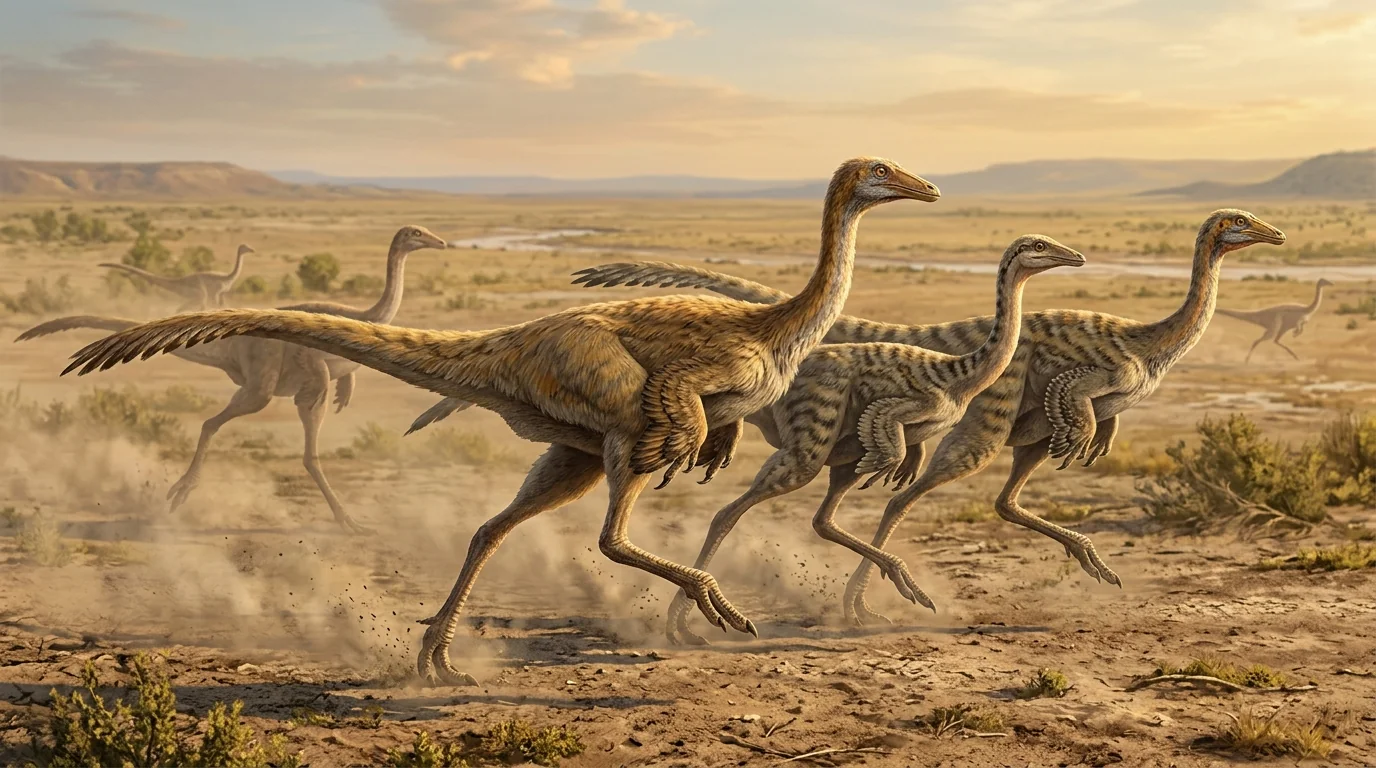
Ornithomimosaurs achieved high sprint speeds through an arctometatarsus (a pinched middle foot bone that acted as a shock-absorbing spring).
Limb proportions indicate speed: animals with a shin (tibia) significantly longer than the thigh (femur) were built for high-speed cursorial sprinting.
The massive caudofemoralis longus muscle anchored in the tail provided immense backward-pulling power to the femur.
Hollywood portrayals of a 60 km/h T. rex chasing a car are physically impossible: bone strain simulations prove adult T. rex bones would fracture under such high-impact running forces.
Estimating the locomotion speed of extinct animals combines fossil trackway measurements with computer-simulated musculoskeletal stress modeling. Long cursorial limbs, compact foot bones, and powerful tail-anchored retractor muscles allowed certain bipedal theropods to rival modern racehorses and ostriches across Mesozoic plains.
Dinosaur speed estimates are determined using two scientific methods: fossilized footprint trackway equations and forward-dynamic musculoskeletal computer simulations.
In 1976, British zoologist R. McNeill Alexander established the formula linking stride length and hip height to speed: v = 0.25 × g^0.5 × s^1.67 × h^-1.17 (where g is gravity, s is stride length, and h is hip height). This dimensionless Froude number allows direct comparison of running dynamics between dinosaurs, ostriches, and humans.
In high-speed theropods like Gallimimus, Struthiomimus, and troodontids, the middle foot bone (metatarsal III) is wedge-shaped and pinched between the outer bones. During high-speed cornering and propulsion, this structural locking mechanism transmitted ground force directly upward without energetic foot flexion.
Sellers et al. (2017) conducted multibody dynamic analysis incorporating bone stress limits. They proved that while juvenile theropods were rapid runners, adult multi-tonne carnivores were constrained by bone yield strength, preventing true running (where both feet leave the ground simultaneously).
Estimated top sprint speeds based on limb allometry, arctometatarsal presence, and trackway evidence.
| Specimen | Clade | Period | Estimated Speed | Body Mass | Limb Ratio (Tibia/Femur) | Locomotion Classification |
|---|---|---|---|---|---|---|
| Gallimimus | Theropoda (Ornithomimosauria) | Late Cretaceous | 55–65 km/h (34–40 mph) | 450 kg | Long cursorial tibia; arctometatarsal foot spring; ostrich sprint analogue | |
| Struthiomimus | Theropoda (Ornithomimosauria) | Late Cretaceous | 50–60 km/h (31–37 mph) | 150 kg | Slender limbs; rigid balance tail; high-speed open plains runner | |
| Carnotaurus | Theropoda (Abelisauridae) | Late Cretaceous | 48–55 km/h (30–34 mph) | 2,000 kg | Hypertrophied caudofemoralis tail muscle; explosive straight-line sprint predator | |
| Velociraptor | Theropoda (Dromaeosauridae) | Late Cretaceous | 35–40 km/h (22–25 mph) | 15 kg | Agile pursuit hunter with stiffened balance tail and sickle claw | |
| Deinonychus | Theropoda (Dromaeosauridae) | Early Cretaceous | 30–35 km/h (19–22 mph) | 73 kg | Medium-speed ambush specialist; specialized for leaping and grappling | |
| Tyrannosaurus rex | Theropoda (Tyrannosauridae) | Late Cretaceous | 20–27 km/h (12–17 mph) | 8,800 kg | Fast walking gait; bone stress limits prohibited full aerial phase running |
Most fossilized dinosaur footprints were preserved in soft mud, wet sand, or tidal flats—environments where animals walk cautiously to avoid slipping or sinking. Consequently, fossil trackways capture cruising or foraging velocities rather than emergency life-or-death sprint speeds. Peak sprint figures must therefore be extrapolated from skeletal biomechanics and muscle insertion points.
Peer-reviewed profiles from DinoOrigin's verified species database.
TheropodaGallimimus bullatus Osmólska et al., 1972
The largest known ornithomimid 'ostrich dinosaur', famous for its immense running speed across ancient Mongolia.
 Theropoda
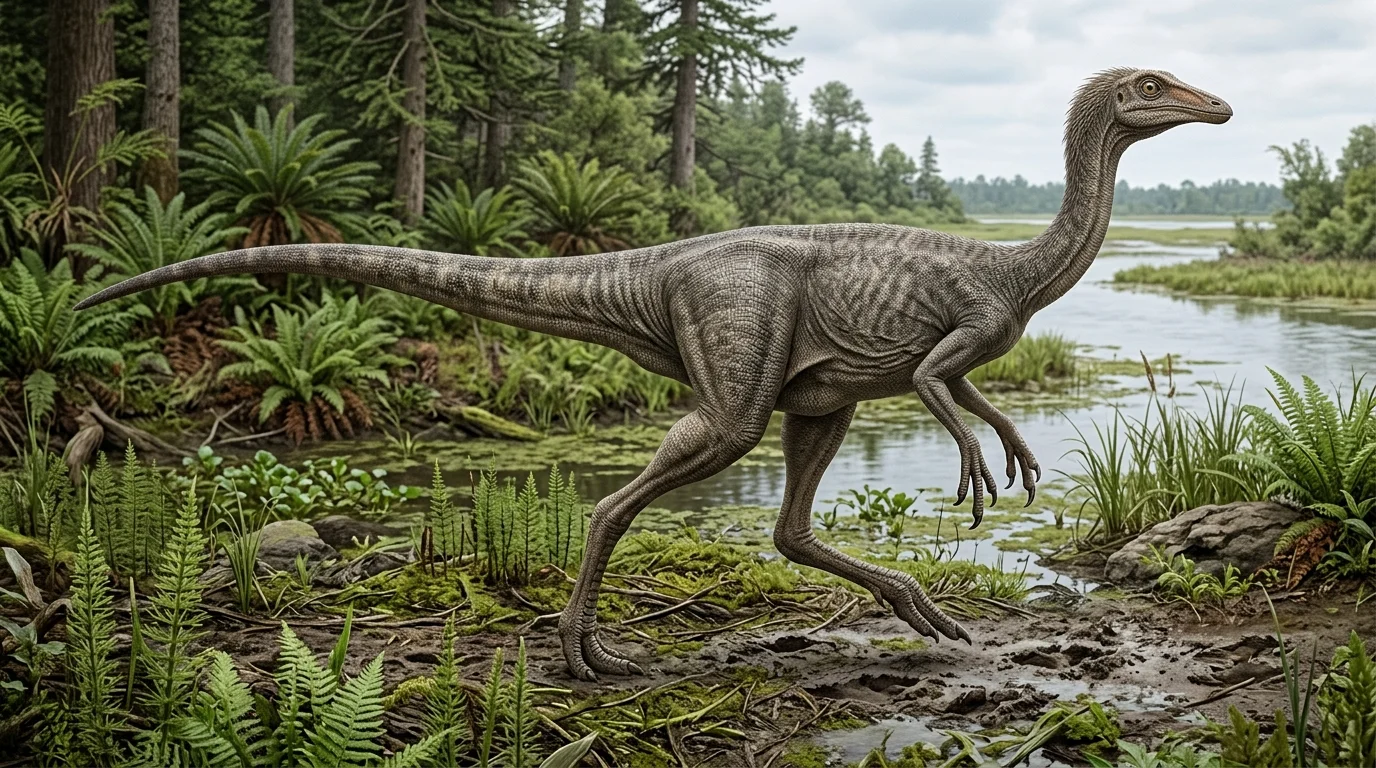
Struthiomimus altus Lambe, 1902
An agile, ostrich-mimic theropod that sprinted across Late Cretaceous western North America.
 Theropoda
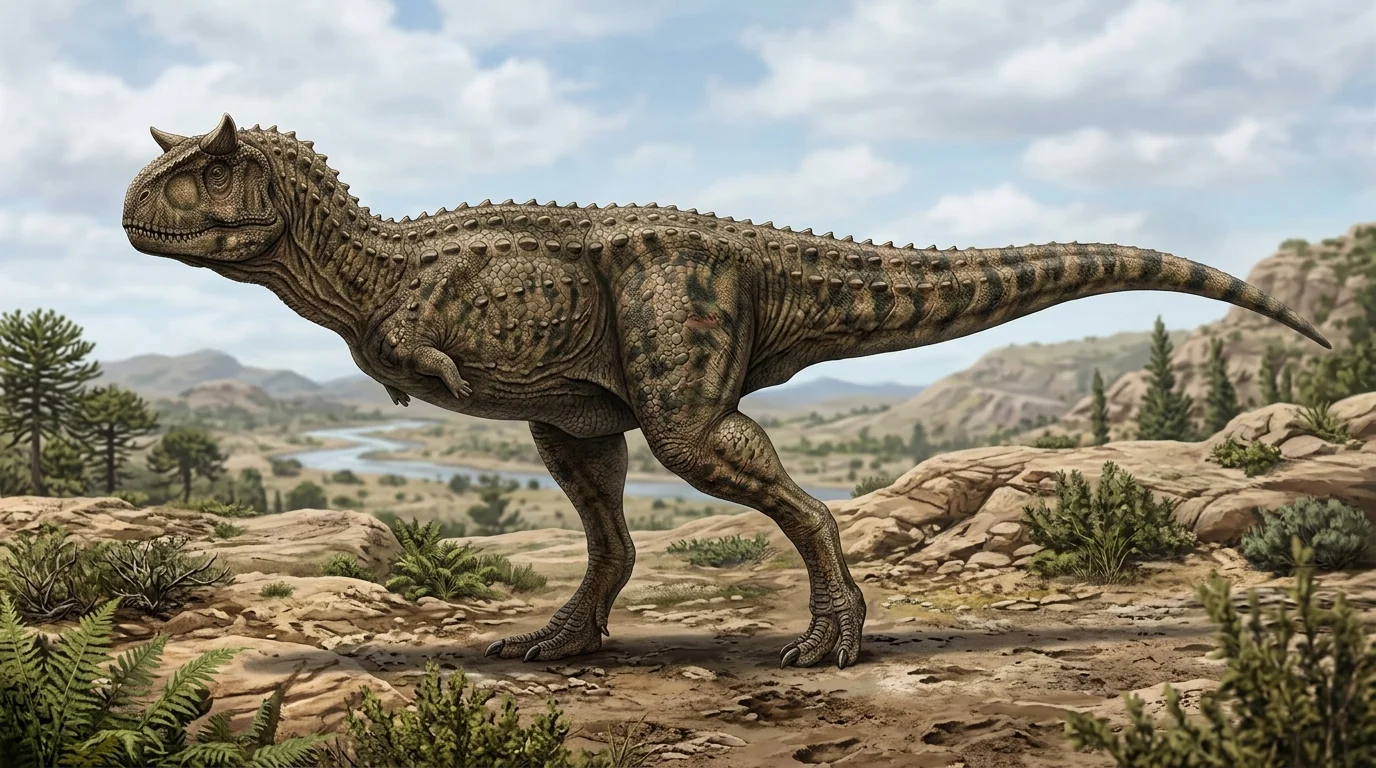
Carnotaurus sastrei Bonaparte, 1985
A bizarre South American abelisaurid predator with bull-like cranial horns, vestigial forelimbs, and extreme cursorial speed.
 Featured SpecimenTheropoda
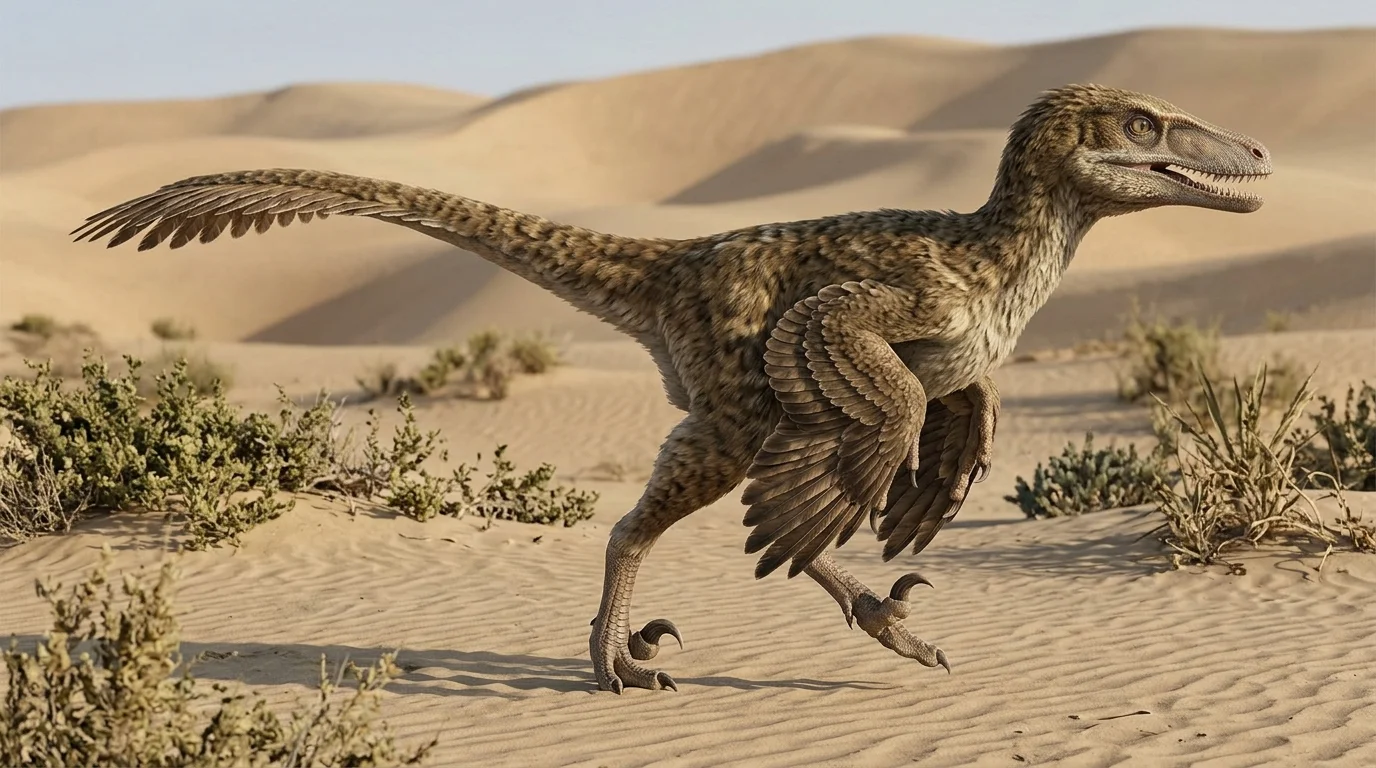
Velociraptor mongoliensis Osborn, 1924
A turkey-sized, feathered dromaeosaurid predator of the Late Cretaceous Gobi Desert, armed with specialized sickle claws.
 Theropoda
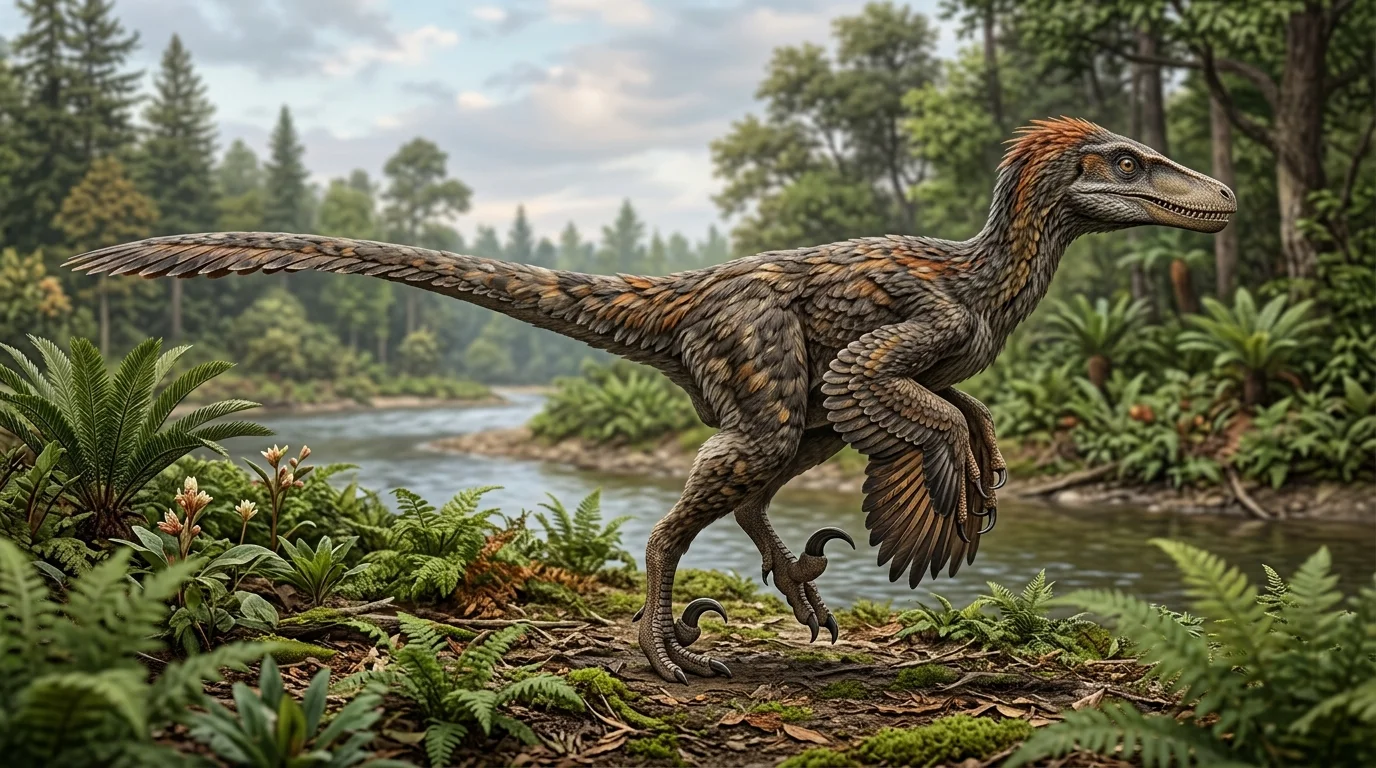
Deinonychus antirrhopus Ostrom, 1969
The agile dromaeosaurid whose discovery catalyzed the modern Dinosaur Renaissance and established the dinosaur-bird evolutionary link.
 Theropoda
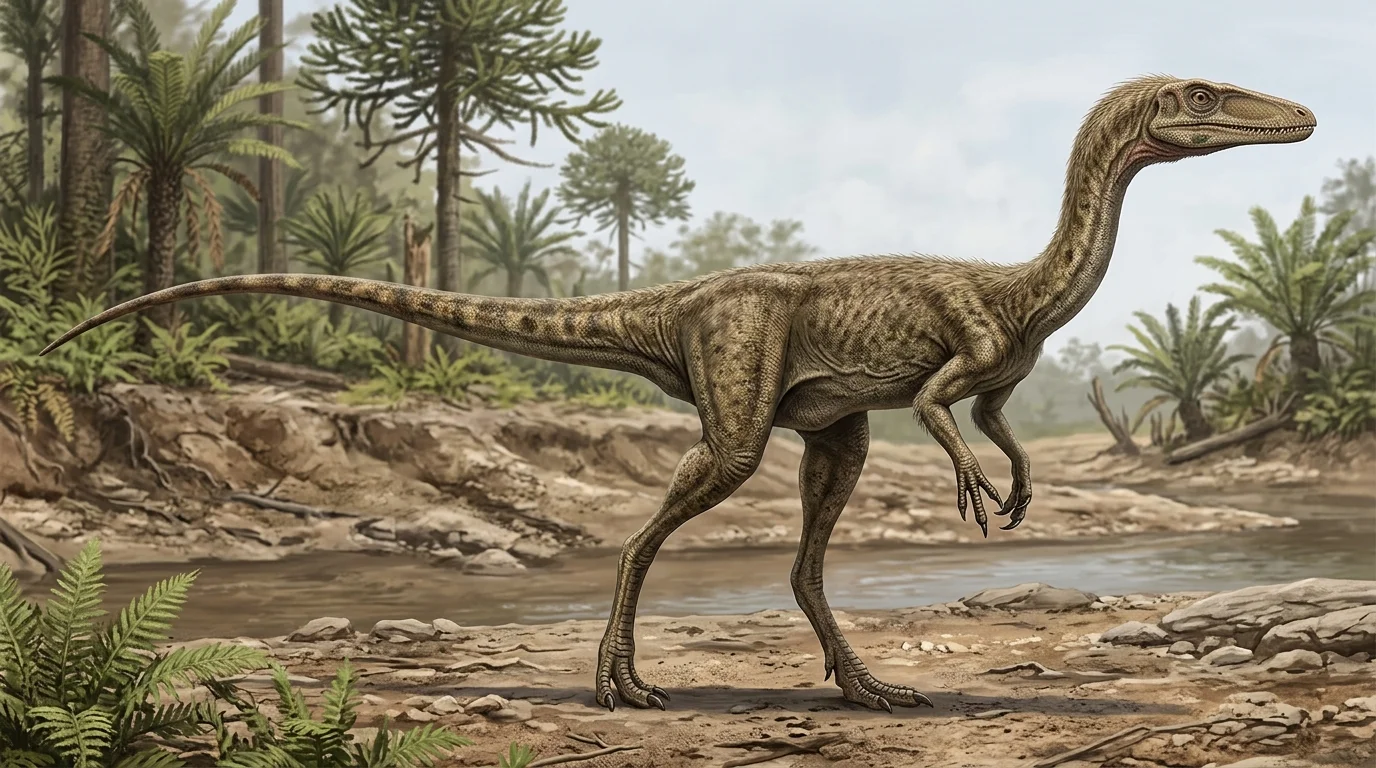
Coelophysis bauri Cope, 1887
A slender, agile early theropod from the Late Triassic, known from hundreds of well-preserved skeletons at Ghost Ranch, New Mexico.
 Theropoda
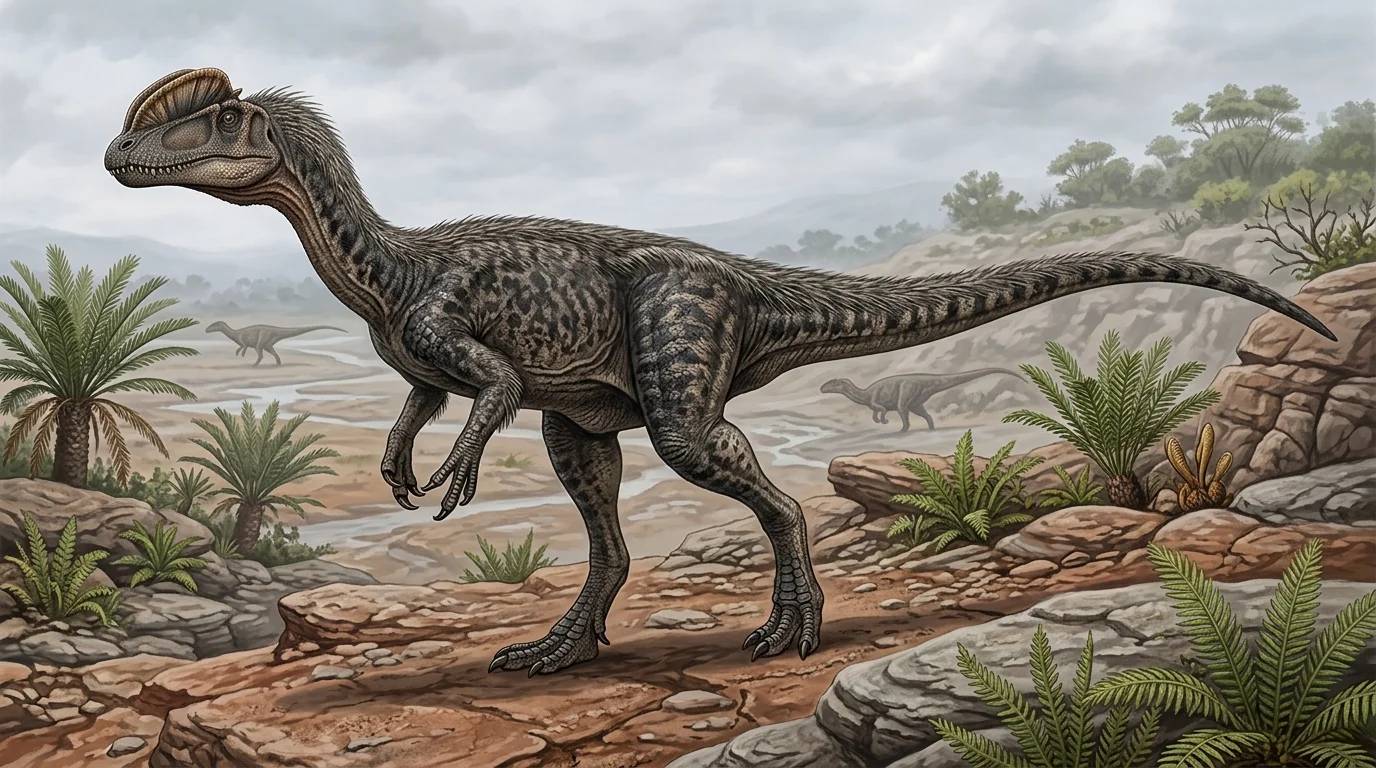
Dilophosaurus wetherilli Welles, 1954
An apex predator of the Early Jurassic possessing a pair of delicate, semicircular cranial crests along its skull.
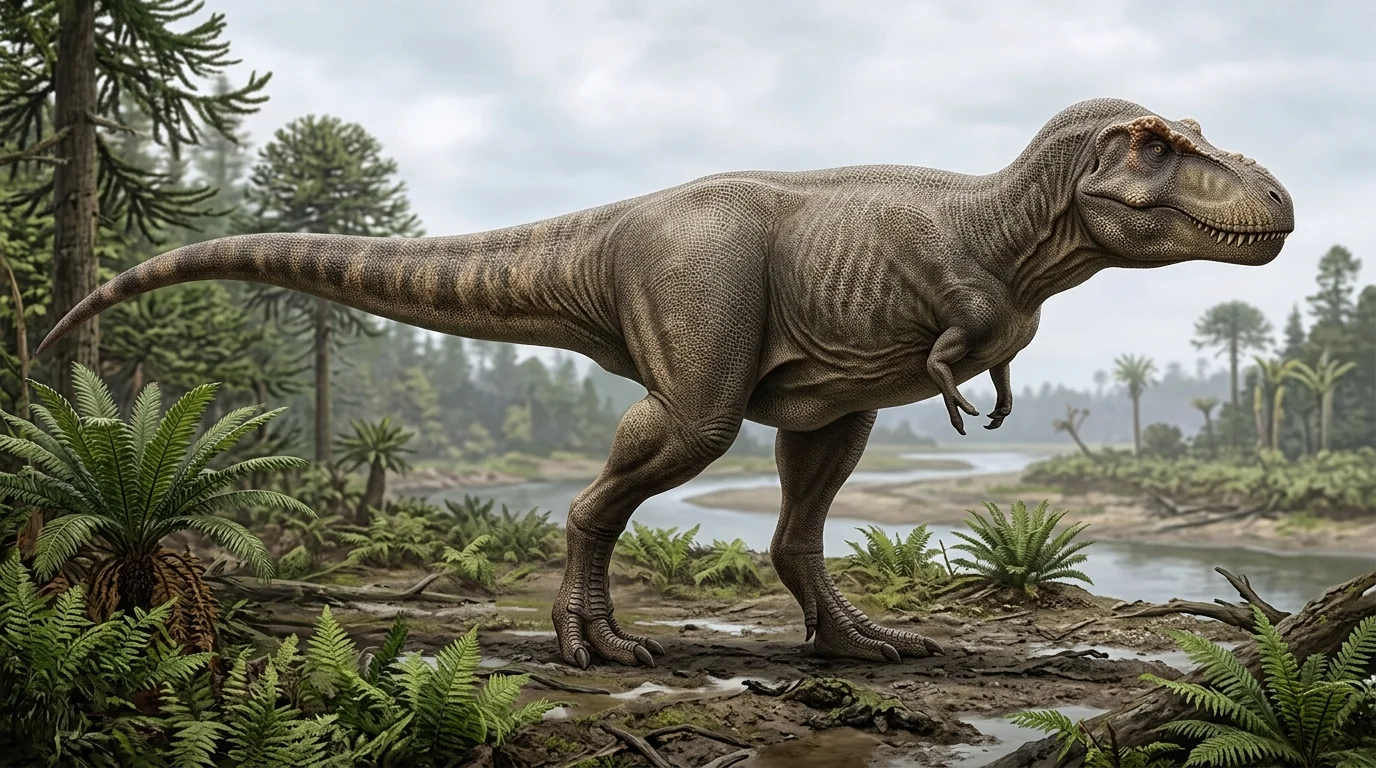 Featured SpecimenTheropoda
Tyrannosaurus rex Osborn, 1905
The apex macropredator of Late Cretaceous western North America, possessing bone-crushing jaws and acute stereoscopic vision.
Evidence-based answers addressing common questions and misconceptions.
A healthy human athlete can sprint at 25–30 km/h for short distances, which is comparable to the maximum walking-sprint speed of an adult T. rex (20–27 km/h). An average human, however, would likely be run down over open ground.
Ornithomimosaurs like Gallimimus bullatus and Struthiomimus altus were the fastest known dinosaurs, capable of sustained sprints estimated between 55 and 65 km/h (34–40 mph), comparable to modern racehorses and ostriches.
Carnotaurus possessed unique caudal vertebrae with crescent-shaped ribs that created an enormous cavity for the caudofemoralis muscle, making up nearly 15% of its total body mass. This gave it exceptional straight-line acceleration, though its rigid tail limited sharp turning.