 Theropoda
Cretaceous PeriodCarnivore
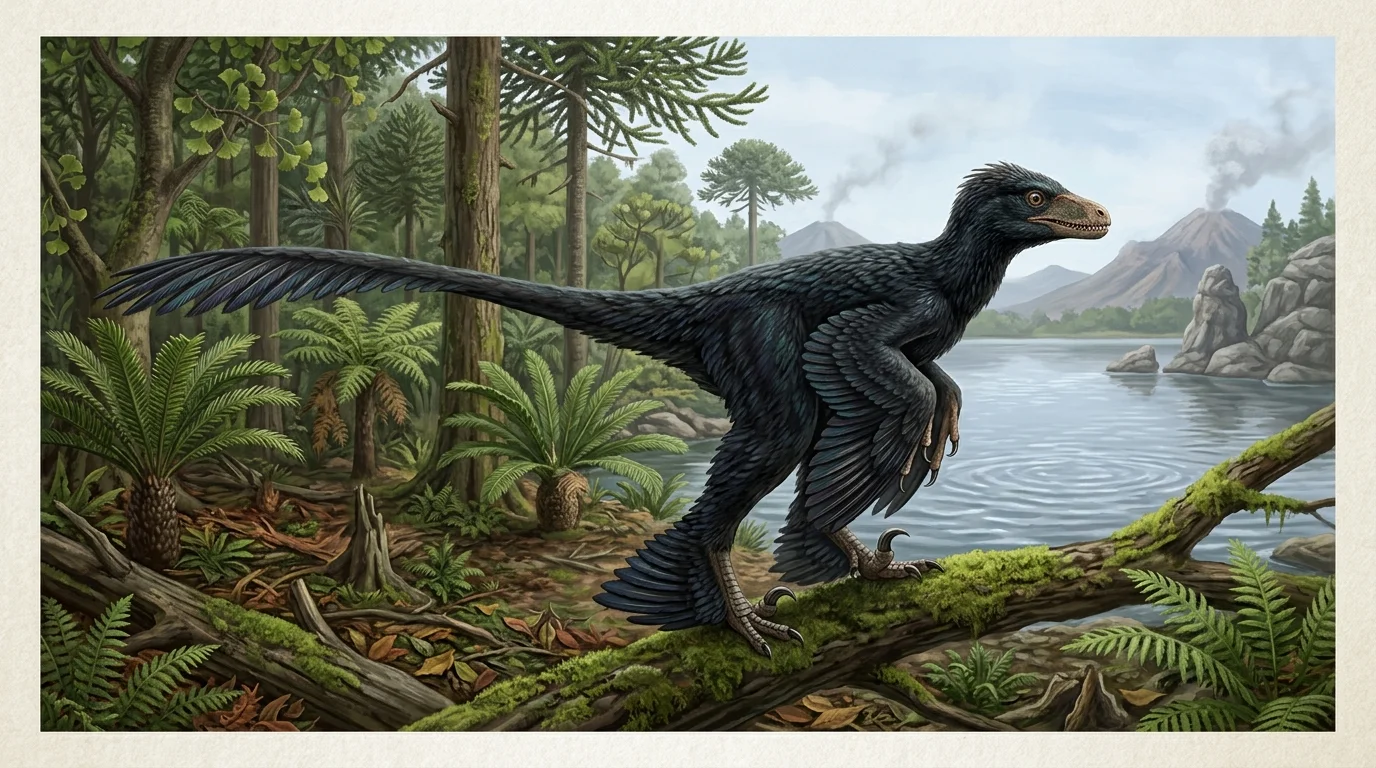
Microraptor
Microraptor zhaoianus Xu et al., 2000
A four-winged, iridescent feathered dromaeosaurid that glided through Early Cretaceous Chinese forests.
0.7–0.9 m (2.3–3.0 ft)
0.8–1.5 kg (2–3 lbs)
Avian Miniaturization, Micro-Theropods, and the Ecological Success of Miniature Mesozoic Organisms
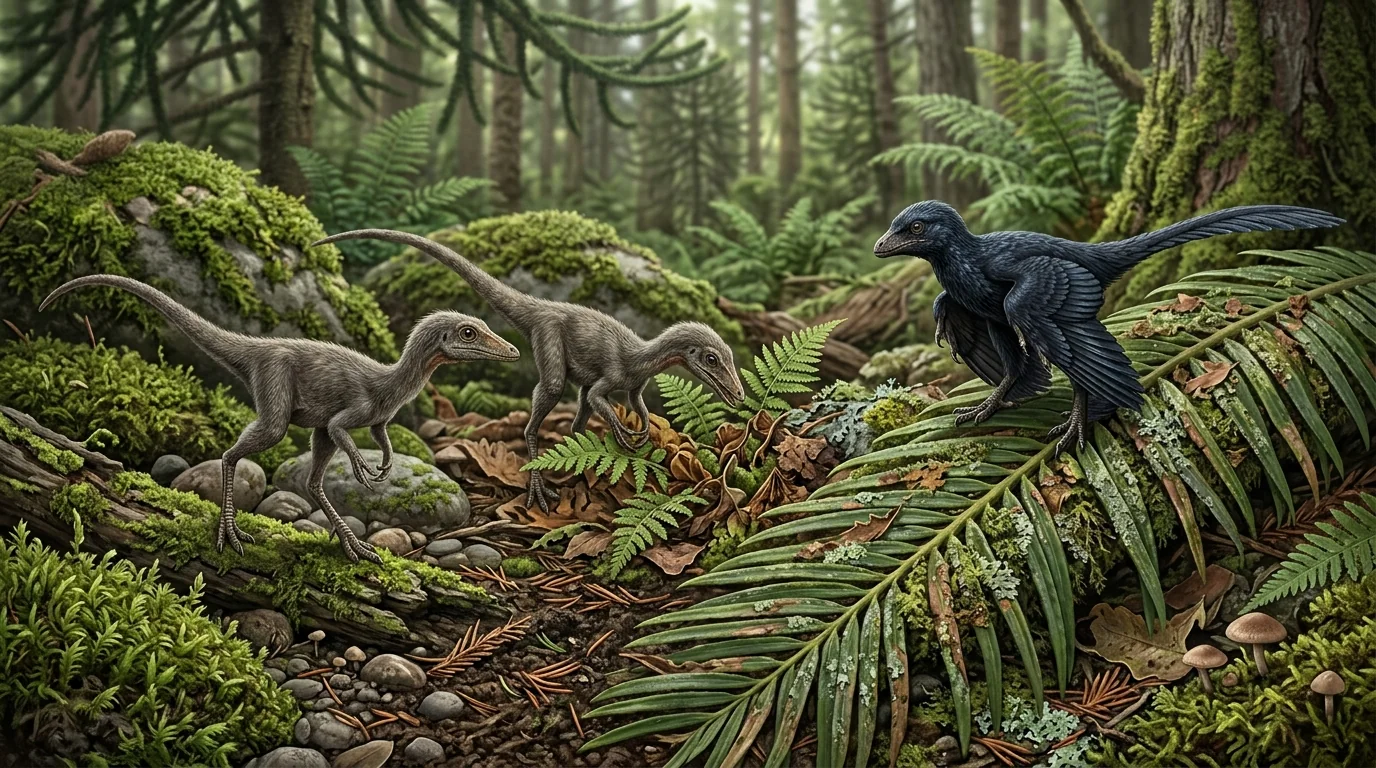
Excluding modern hummingbirds (which are living avian dinosaurs weighing under 2 grams), the smallest non-avian dinosaurs known from fossil evidence were paravian theropods and compsognathids. Species like Microraptor zhaoianus, Parvicursor remotus, and adult specimens of Compsognathus longipes measured between 40 and 80 centimeters (16–31 inches) in length and weighed between 0.5 and 1.5 kilograms (1.1–3.3 pounds).
The smallest living dinosaur is the Bee Hummingbird (Mellisuga helenae), weighing just 1.95 grams and measuring 5.5 cm.
The smallest non-avian dinosaurs were pigeon-to-chicken-sized theropods like Microraptor, Parvicursor, and Mahakala.
Many historical 'tiny dinosaur' fossils turned out to be juveniles of larger species; true miniature taxa are confirmed by fused adult bone sutures.
Miniaturization was essential for the evolution of flight, as aerodynamic wing-loading requires a low body-mass-to-wing-area ratio.
While dinosaurs are legendary for gigantism, the evolutionary lineage that survived the Cretaceous extinction achieved success through sustained miniaturization. Over a period of 50 million years, maniraptoran theropods progressively decreased in body mass, developing small skeletal proportions, higher metabolic rates, arboreal agility, and aerodynamic flight surfaces that enabled the evolutionary birth of modern birds.
Lee et al. (2014) demonstrated that the lineage leading to birds shrank continuously over 12 distinct evolutionary stages, unlike other dinosaur groups that trended toward larger sizes (Cope's Rule).
While sauropods and ceratopsians evolved larger bodies to process fibrous plant matter, paravian theropods specialized in seizing fast-moving insects, small lizards, and mammals. Small body size allowed them to exploit arboreal conifer canopy niches inaccessible to heavy ground predators.
To prove a small fossil is not simply a baby of a giant dinosaur, paleontologists examine bone histology (lines of arrested growth, or LAGs) and neurocentral suture closure. In adult Compsognathus and Microraptor specimens, the neurocentral sutures between vertebrae are completely fused, confirming skeletal maturity.
Miniaturization was not limited to predators. Early ceratopsians like Psittacosaurus and basal ornithischians like Fruitadens and Lesothosaurus were cat-sized herbivores that utilized grinding cheek teeth on ground-level ferns.
Direct size metrics of verified adult non-avian dinosaur specimens.
| Specimen | Clade | Period | Total Length | Adult Body Mass | Ecological Niche | Adult Confirmation |
|---|---|---|---|---|---|---|
| Microraptor | Theropoda (Dromaeosauridae) | Early Cretaceous | 0.8 m (2.6 ft) | 1.0 kg (2.2 lbs) | Arboreal glider feeding on birds and fish; fused adult skull sutures | |
| Archaeopteryx | Avialae (Paraves) | Late Jurassic | 0.5 m (1.6 ft) | 0.8 kg (1.8 lbs) | Pigeon-sized coastal glider and flutterer; Solnhofen limestone fossils | |
| Compsognathus | Theropoda (Compsognathidae) | Late Jurassic | 1.0 m (3.3 ft) | 2.5 kg (5.5 lbs) | Long-tailed agile pursuit hunter; preserved lizard prey in stomach | |
| Caudipteryx | Theropoda (Oviraptorosauria) | Early Cretaceous | 0.9 m (3.0 ft) | 5.0 kg (11 lbs) | Peacock-sized flightless omnivore; preserved gastroliths in gizzard | |
| Eoraptor | Basal Saurischia | Late Triassic | 1.0 m (3.3 ft) | 10 kg (22 lbs) | Basal Triassic dawn runner; generalized omnivorous dental battery | |
| Psittacosaurus | Ceratopsia (Psittacosauridae) | Early Cretaceous | 1.5 m (5.0 ft) | 20 kg (44 lbs) | Small bipedal parrot-beaked ceratopsian; tail bristle quills |
In 2020, a tiny bird-like skull preserved in 99-million-year-old Burmese amber was heralded on the cover of Nature as the 'smallest dinosaur ever discovered', measuring just 14 millimeters long. However, within months, subsequent CT-scanning of a second specimen revealed that Oculudentavis possessed squamate characteristics—proving it was not a dinosaur at all, but a bizarre specialized lizard, leading to a formal retraction of the original paper.
Peer-reviewed profiles from DinoOrigin's verified species database.
TheropodaMicroraptor zhaoianus Xu et al., 2000
A four-winged, iridescent feathered dromaeosaurid that glided through Early Cretaceous Chinese forests.
 Theropoda
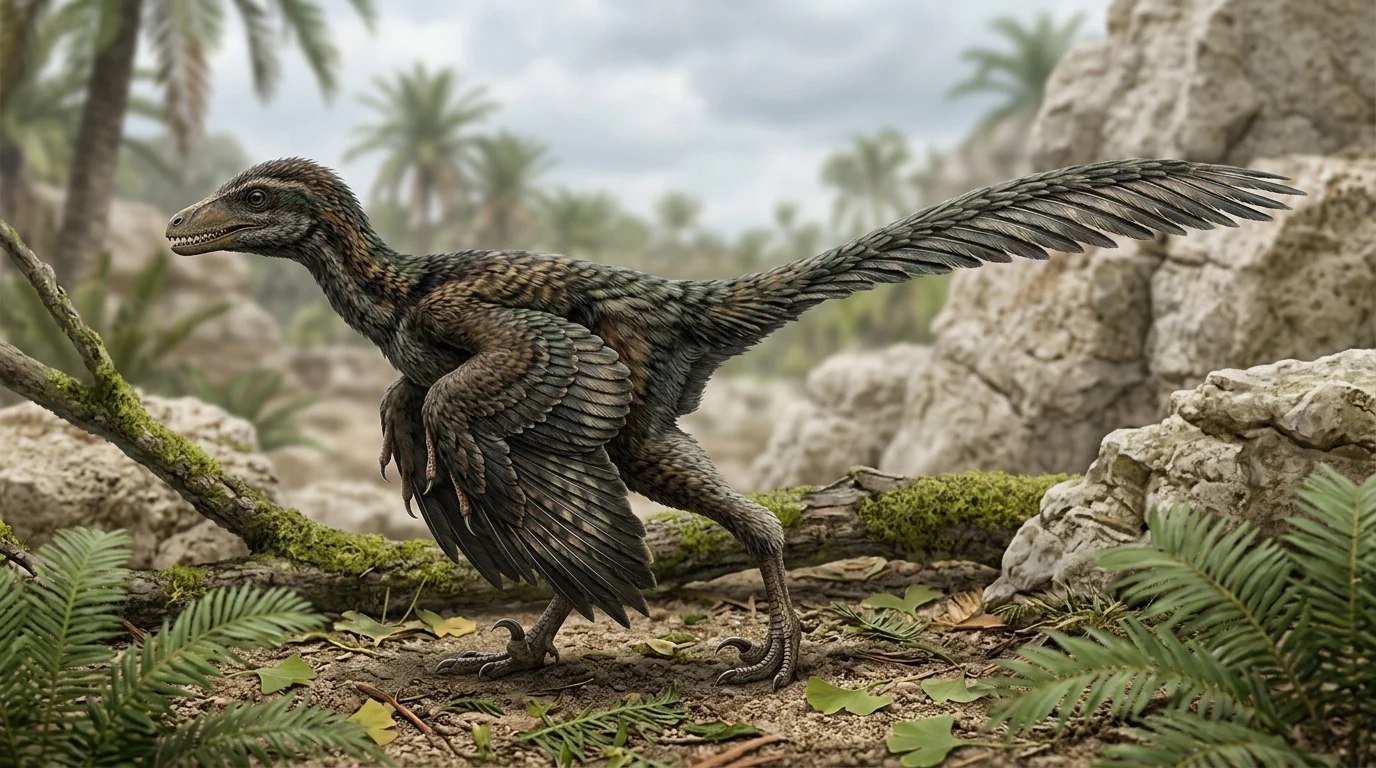
Archaeopteryx lithographica von Meyer, 1861
An iconic stem-avialan from the Late Jurassic Solnhofen limestone exhibiting transitional features bridging non-avian theropods and birds.
 Theropoda
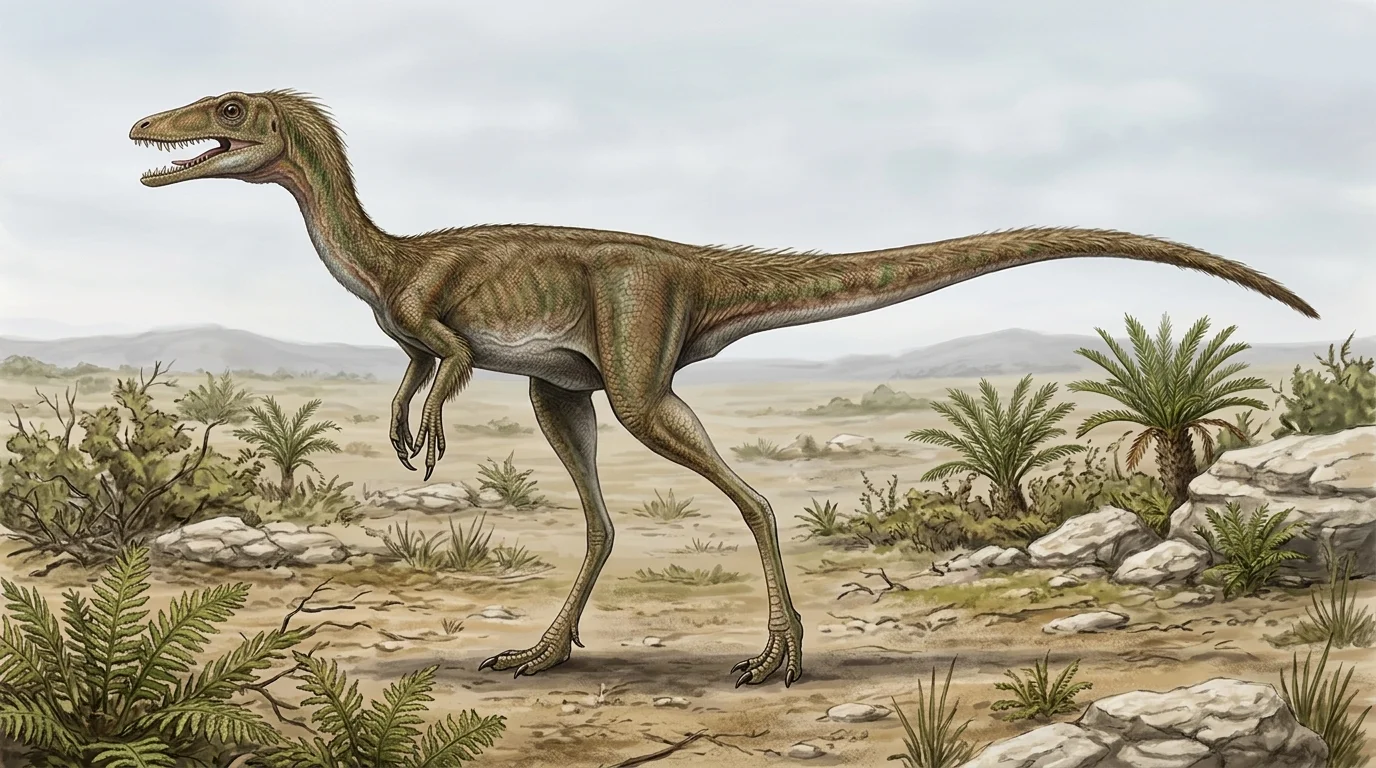
Compsognathus longipes Wagner, 1859
A petite, nimble Late Jurassic coelurosaur about the size of a chicken, historically famous as one of the smallest known dinosaurs.
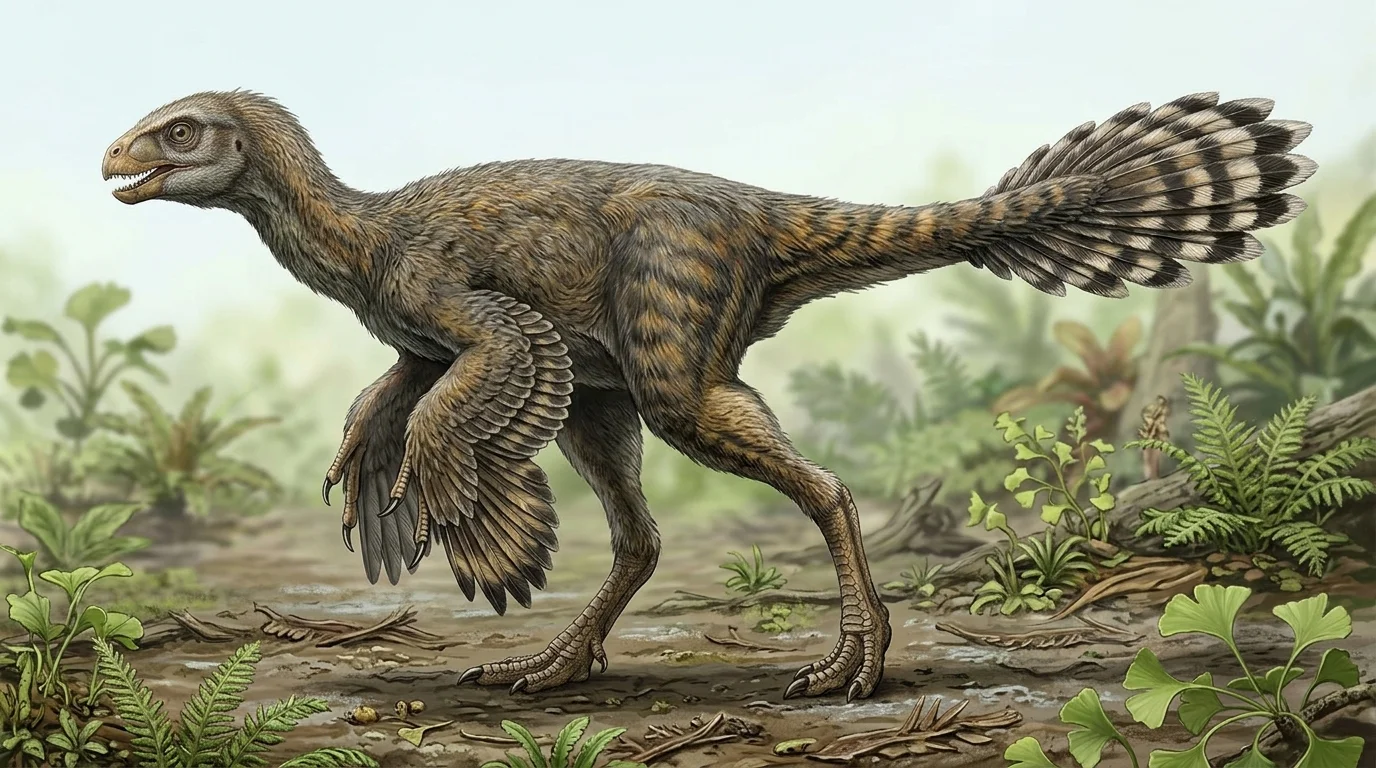 Theropoda
Caudipteryx zoui Ji et al., 1998
A ground-dwelling basal oviraptorosaur from Liaoning, China preserving true vaned feathers and gastroliths.
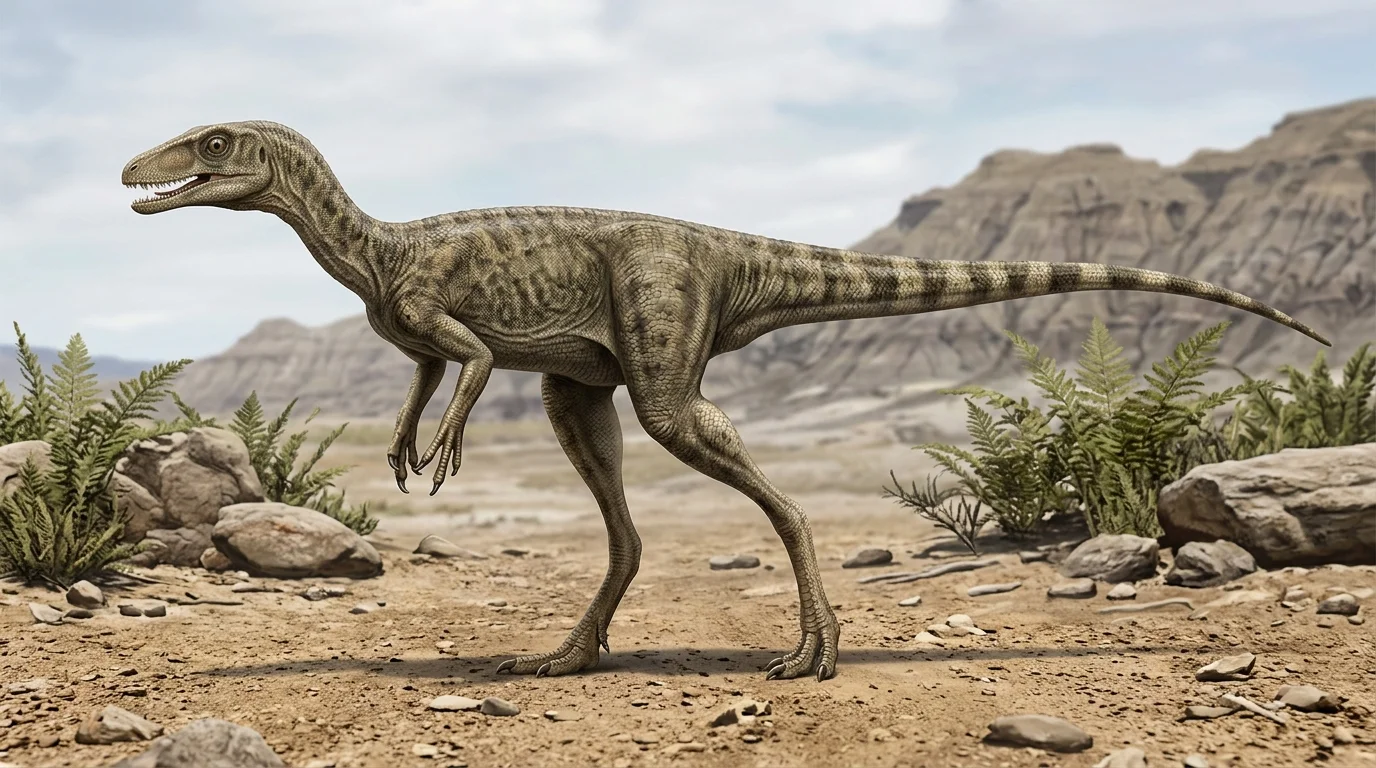 Sauropodomorpha
Eoraptor lunensis Sereno et al., 1993
A diminutive Late Triassic dinosaur from Argentina whose phylogenetic position between basal Theropoda and stem-Sauropodomorpha has been extensively debated.
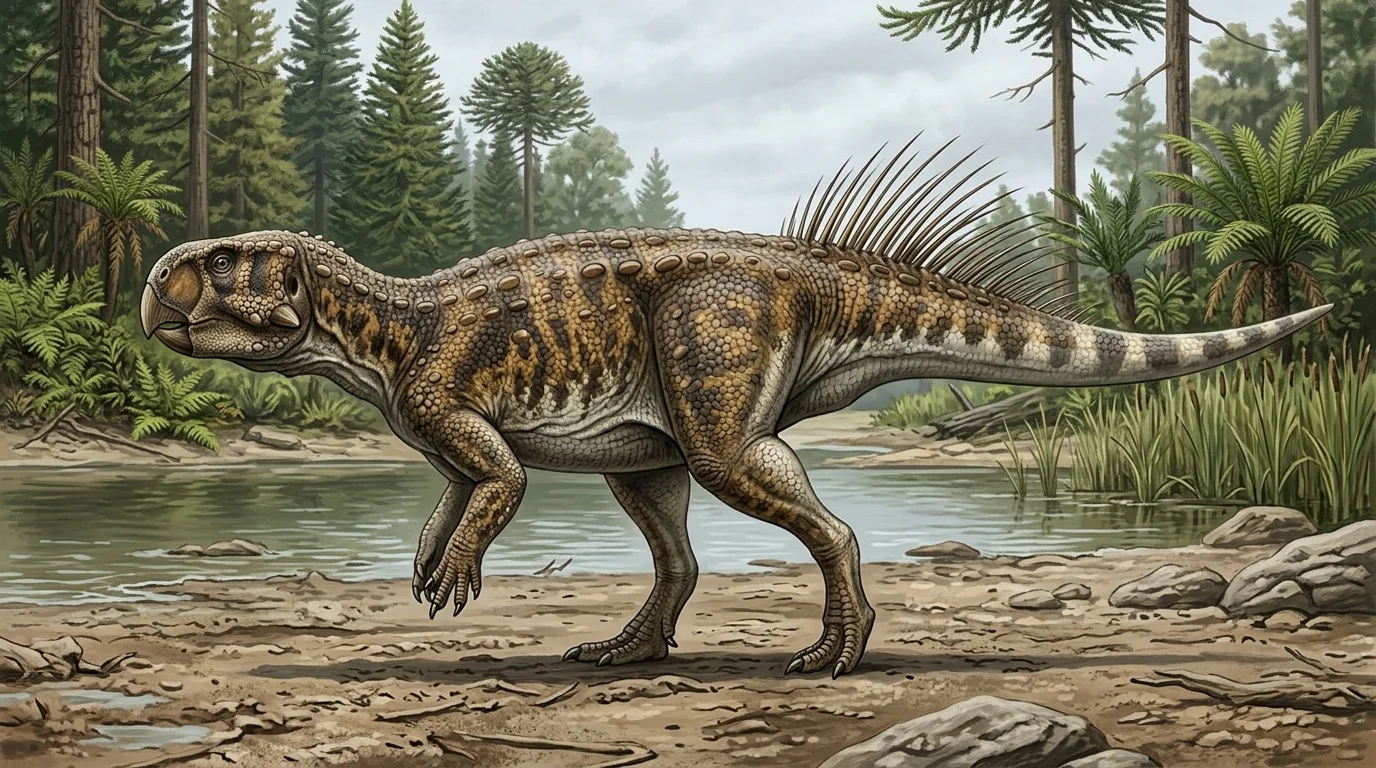 Ceratopsia
Psittacosaurus mongoliensis Osborn, 1923
The 'parrot lizard', a prolific basal ceratopsian known for its high-crowned beak and tail bristles.
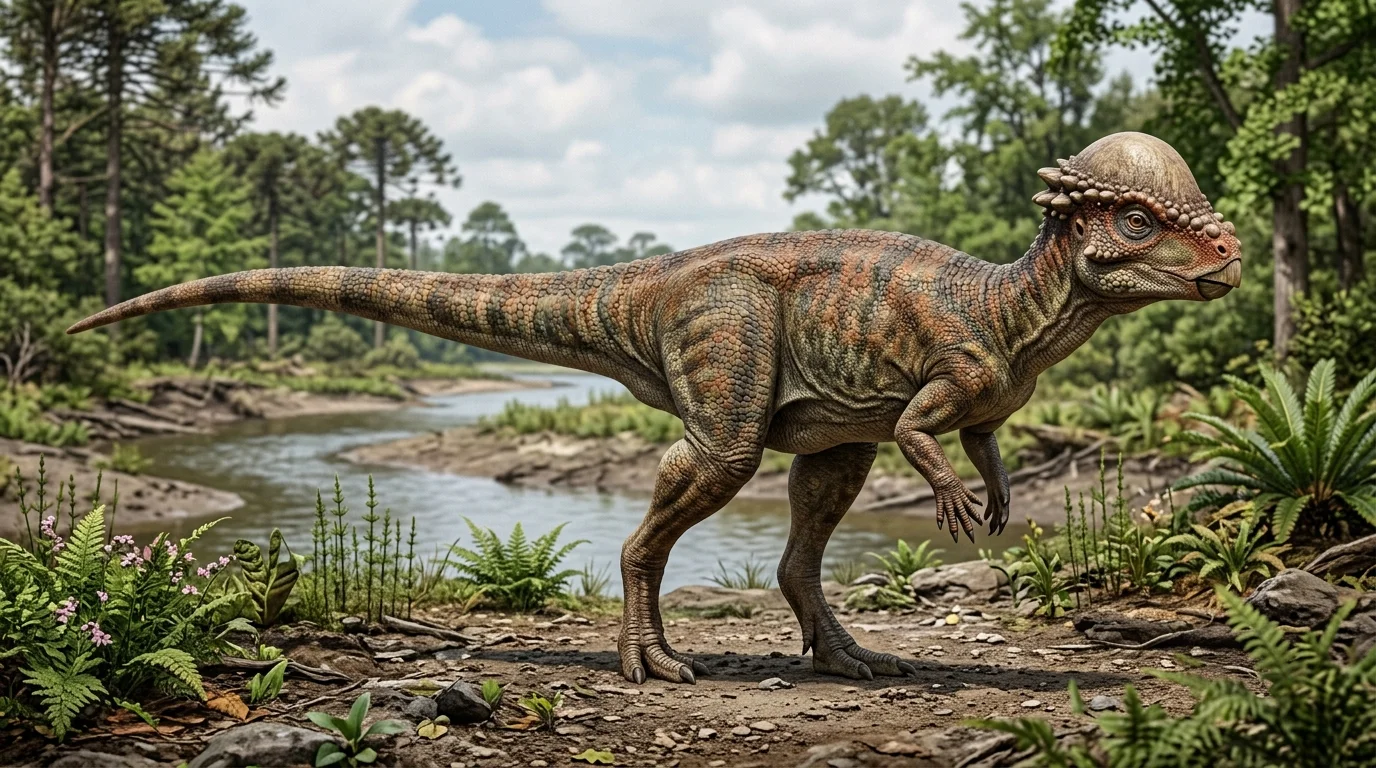 Pachycephalosauria
Stegoceras validum Lambe, 1902
A small, bipedal pachycephalosaur from Alberta featuring an extremely thick, solid skull dome.
Evidence-based answers addressing common questions and misconceptions.
If including living dinosaurs (birds), the Bee Hummingbird of Cuba is the smallest dinosaur in Earth's history, weighing just 1.95 grams. Among extinct non-avian dinosaurs, pigeon-sized paravians like Microraptor and Parvicursor weighed under 1 kilogram.
For decades, Compsognathus was widely cited in textbooks as the smallest dinosaur. However, the original German specimen was an immature juvenile, and adult specimens reached approximately 1 meter in length and 2.5 kg. Smaller feathered theropods like Microraptor and Anchiornis have since been discovered.
Avian ancestors were small, requiring significantly less food during the catastrophic post-impact nuclear winter. They also possessed beaks capable of eating buried seeds, could burrow or seek shelter, and were mobile enough to travel between surviving ecological patches.