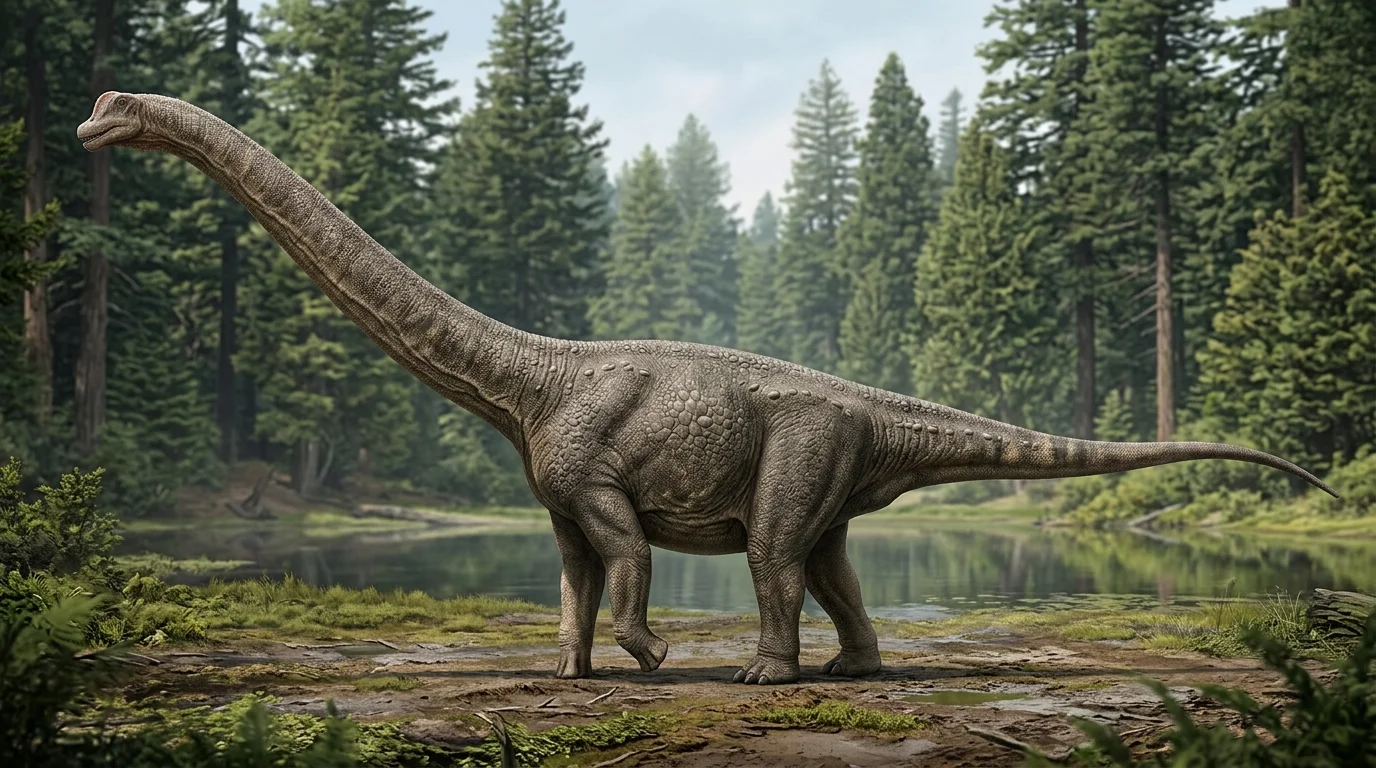
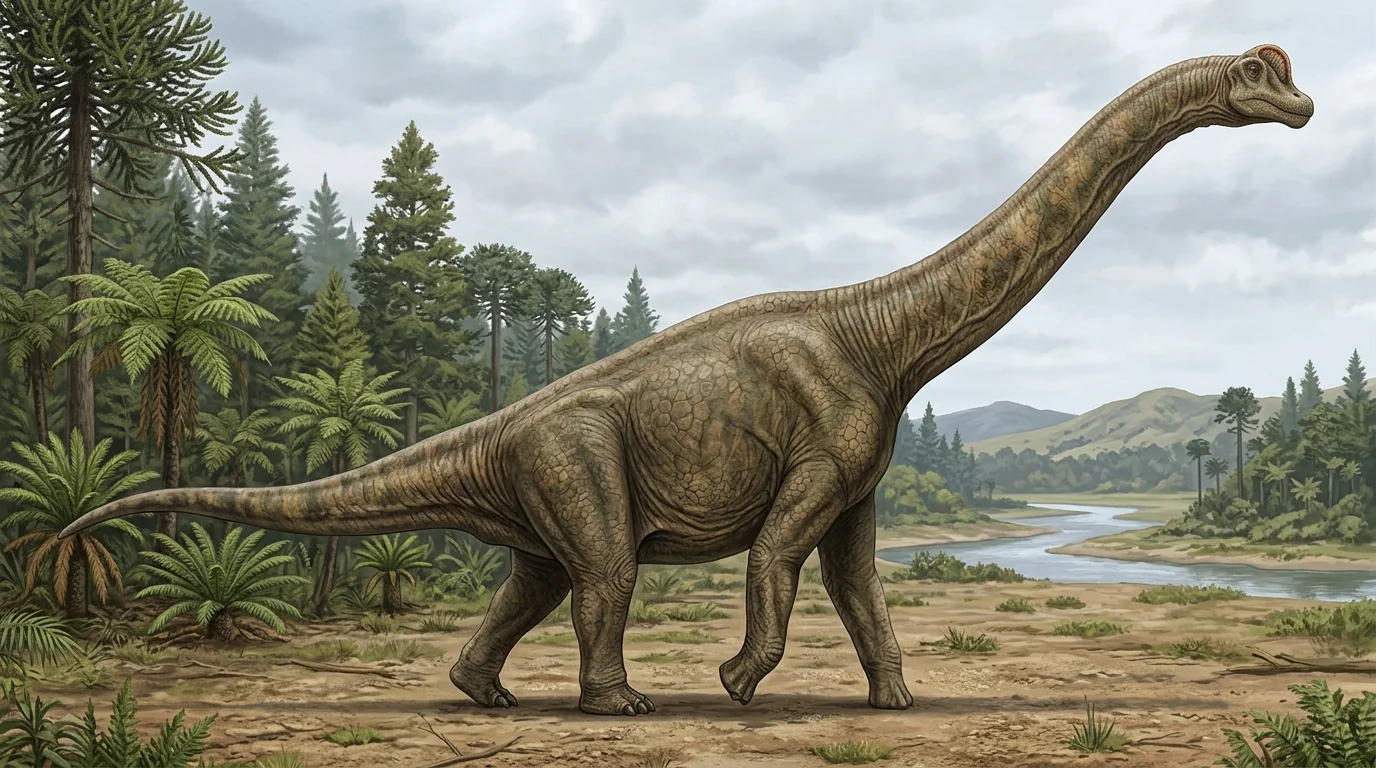
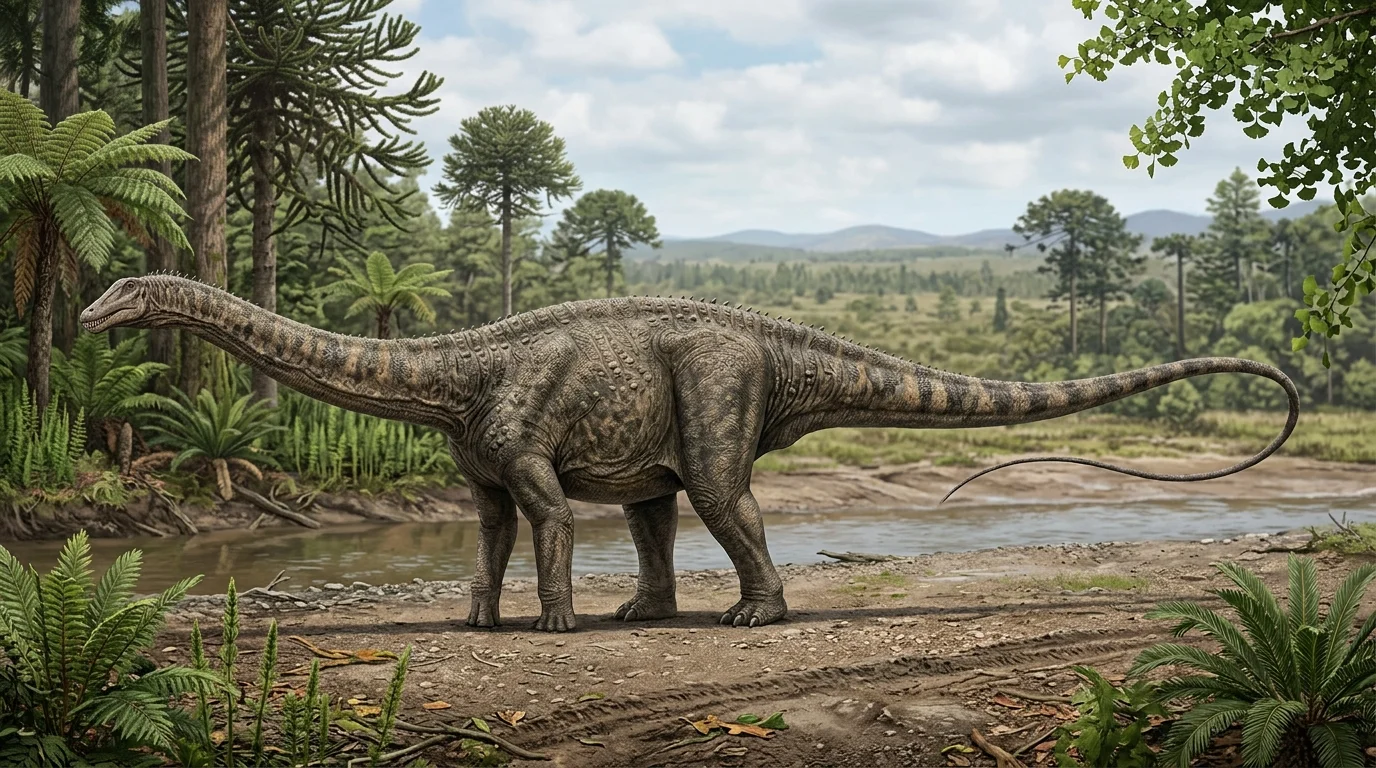
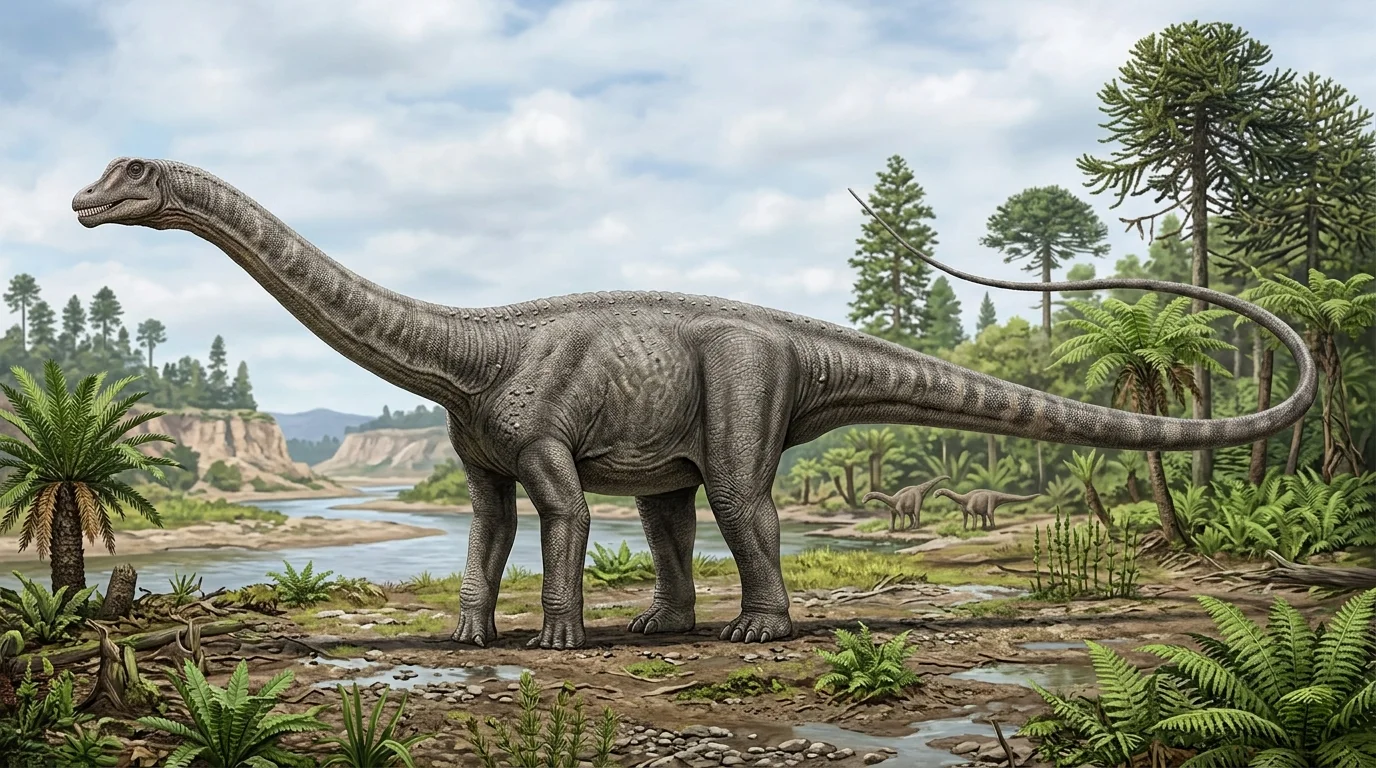
SauropodomorphaMamenchisaurus
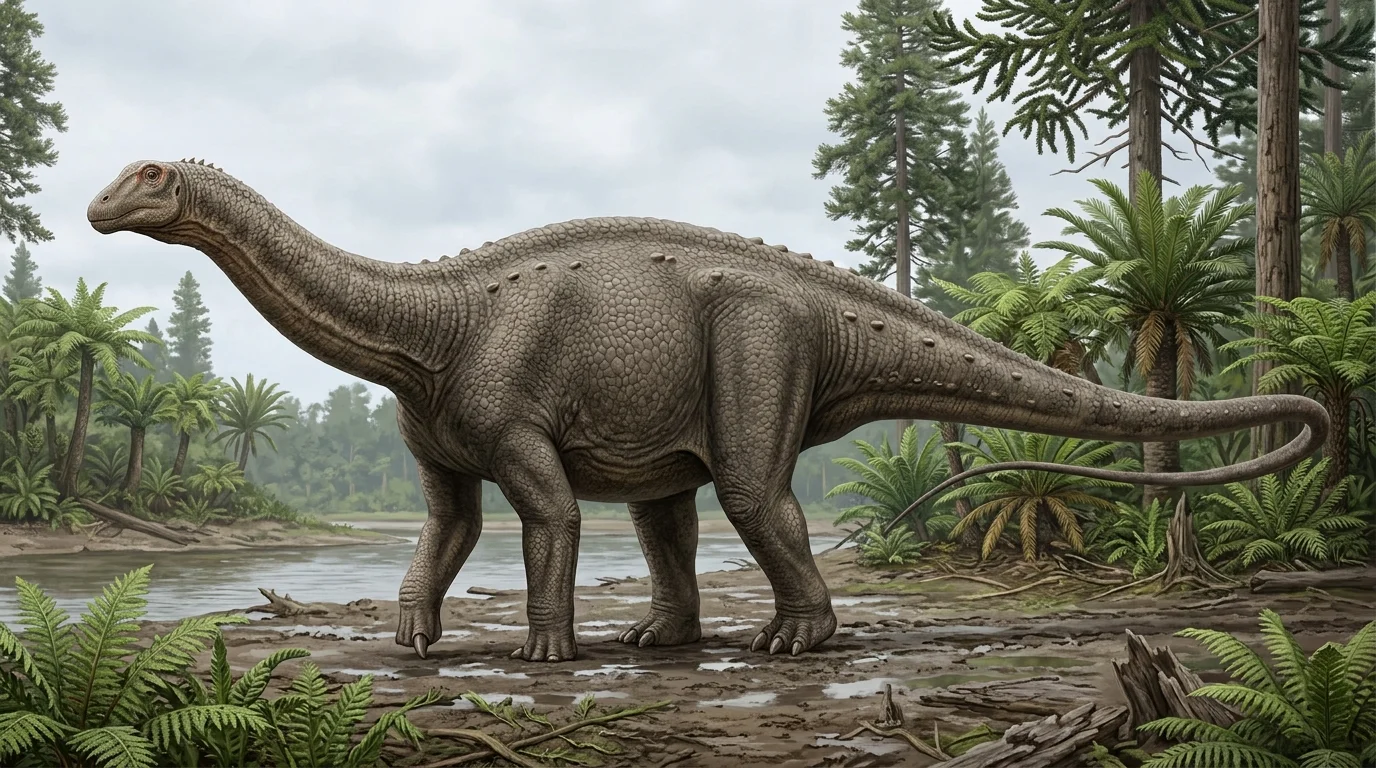
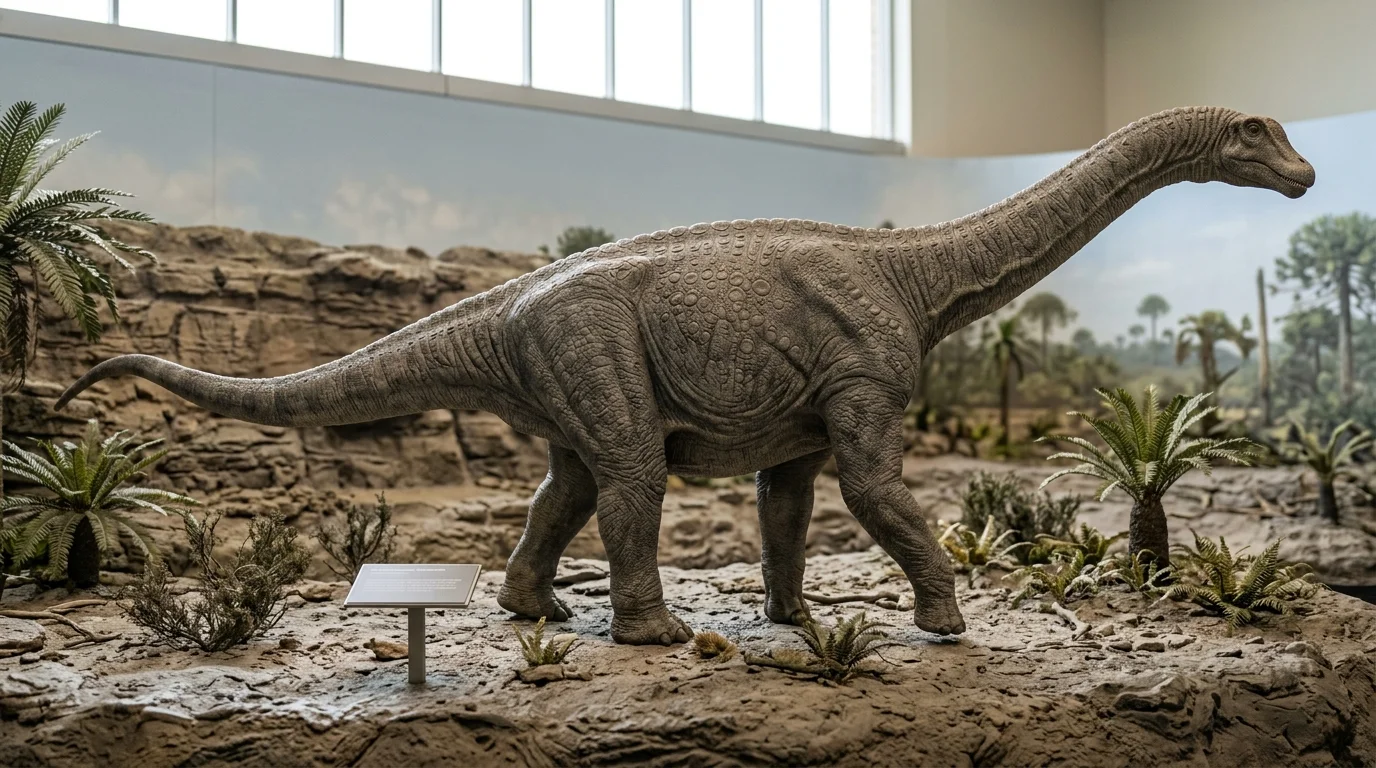
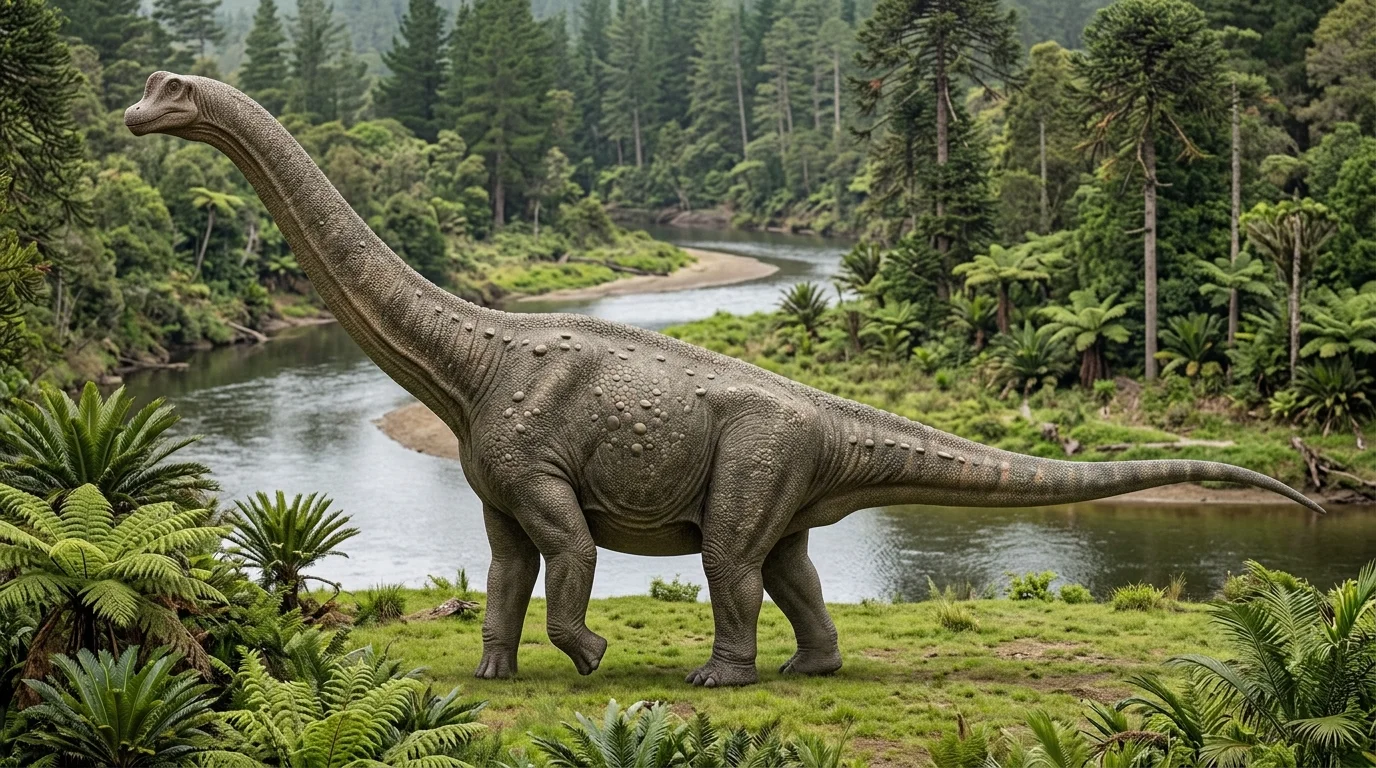
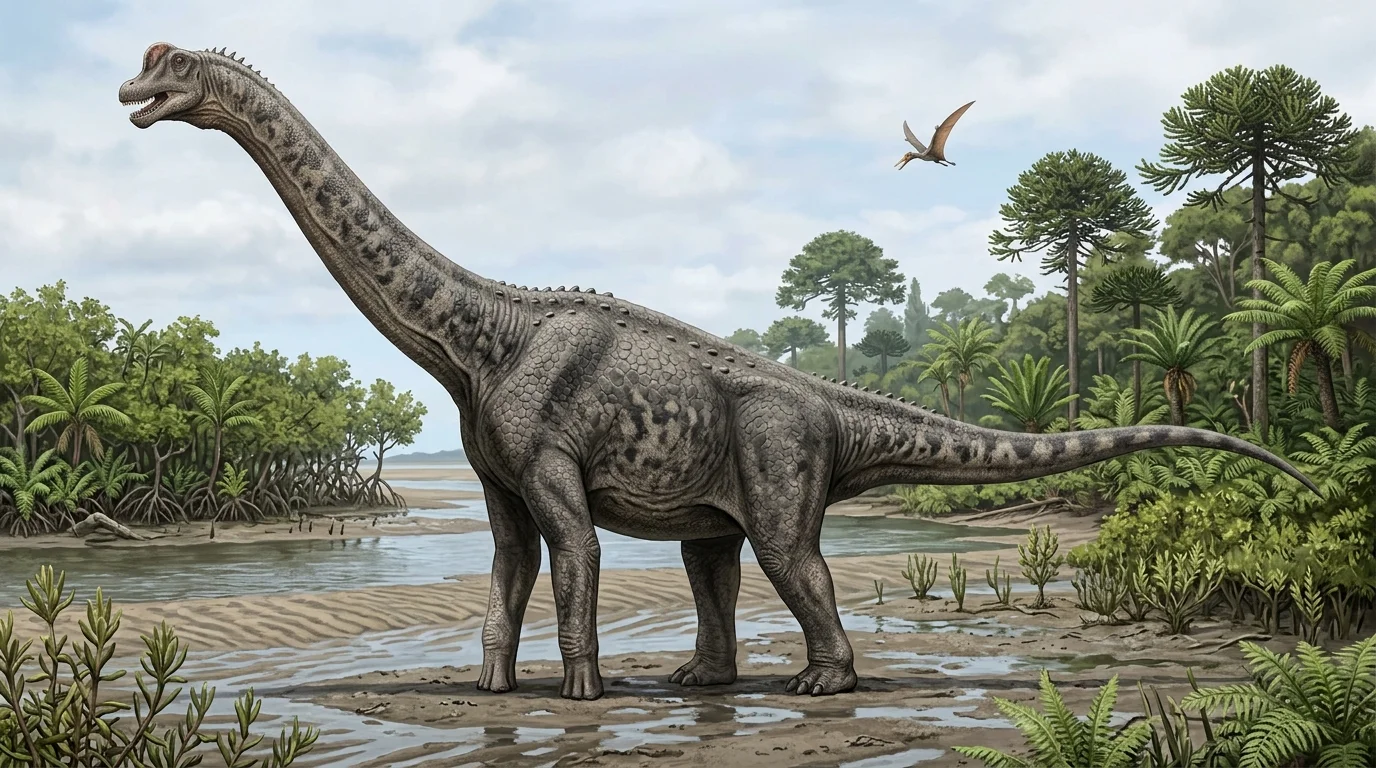
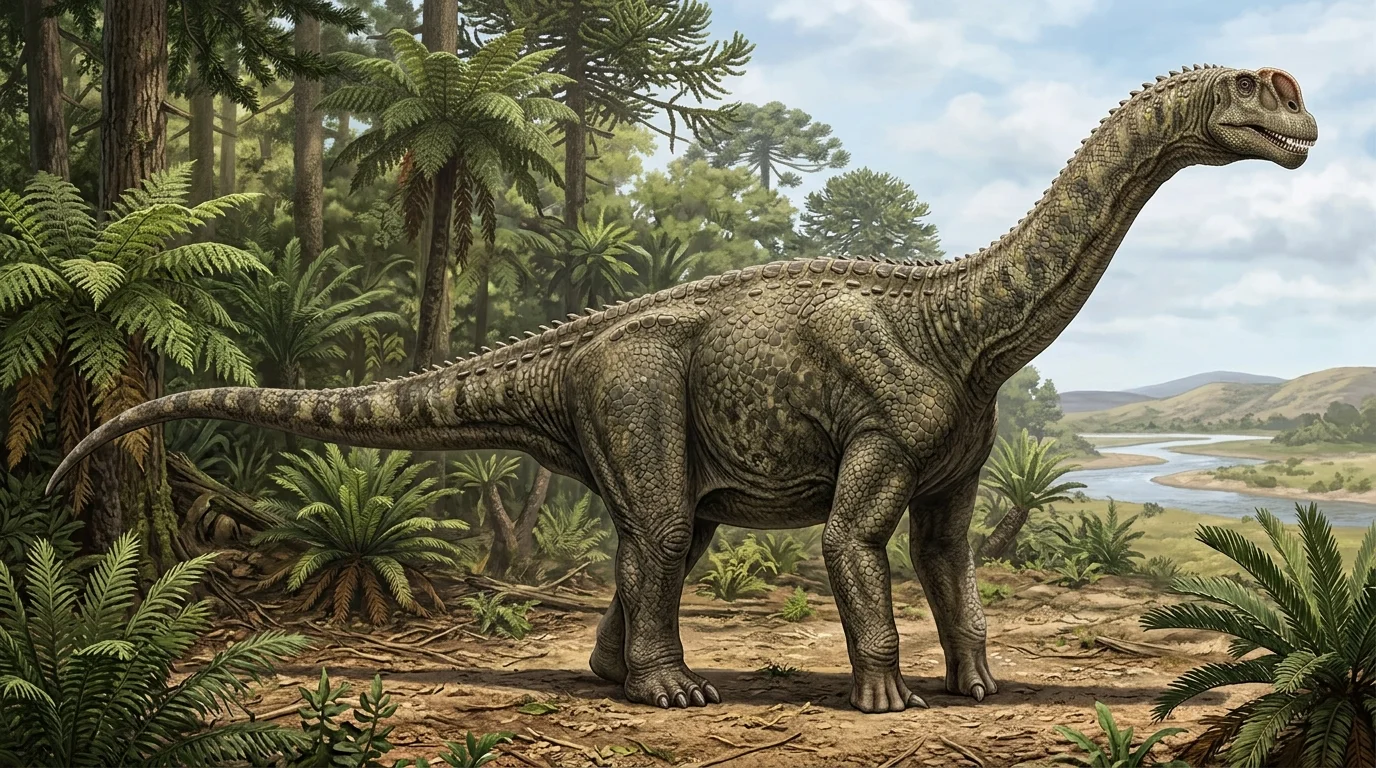
Mamenchisaurus constructus Young, 1954
A magnificent Asian sauropod famous for having one of the longest necks of any animal in natural history.
The Evolutionary Biology, Functional Anatomy, and Biomechanics of Mesozoic Cervical Elongation
Long-necked dinosaurs are quadrupedal, herbivorous saurischian dinosaurs belonging to the clade Sauropodomorpha, commonly known as sauropods. Characterized by elongated cervical vertebral columns, columnar graviportal limbs, small heads, and long counterbalancing tails, they were the dominant terrestrial herbivores of the Jurassic and Cretaceous periods. The longest dinosaur neck belongs to Mamenchisaurus sinocanadorum, measuring **15.1 meters (49.5 feet)**—more than six times longer than that of a modern giraffe. Necks evolved primarily to maximize feeding envelope efficiency, allowing sauropods to sweep wide horizontal arcs and reach high tree canopies without expending energy to move their multi-ton bodies.

The longest verified dinosaur neck belongs to Mamenchisaurus sinocanadorum at 15.1 meters (49.5 ft), supported by 19 hollow cervical vertebrae (Moore et al. 2023).
'Long-necked dinosaur' is the popular descriptive lay concept, whereas 'Sauropoda' is the formal scientific suborder defined by diagnostic skeletal synapomorphies.
Neck length is biologically decoupled from total body mass: Mamenchisaurus possessed a longer neck than Argentinosaurus, despite weighing significantly less.
Skeletal pneumaticity hollowed up to 77% of internal cervical bone volume with respiratory air sacs, preventing the neck from collapsing under its own gravitational weight.
The phrase 'long-necked dinosaur' is the most ubiquitous descriptive term in paleontology, referring to the giant sauropodomorph herbivores of the Mesozoic.
In popular culture and search engine queries, 'long-necked dinosaurs' is the intuitive everyday term used by students, educators, and dinosaur enthusiasts to describe the most recognizable silhouette in paleontology: massive quadrupedal bodies supported by elephantine pillar legs, countered by long tapering tails and topped by extraordinarily elongated necks ending in remarkably small skulls.
Taxonomically, all long-necked dinosaurs belong to the suborder **Sauropodomorpha**, specifically the advanced clade **Sauropoda** (from the Greek for 'lizard-footed'). Originating in the Late Triassic around 230 million years ago as modest, bipedal omnivores, sauropodomorphs underwent rapid evolutionary gigantism during the Early Jurassic, eventually producing the largest animals ever to walk on Earth.
Famous long-necked genera include Brachiosaurus, Diplodocus, Apatosaurus, Barosaurus, and Mamenchisaurus. Every member of this group shared a common ecological purpose: converting monumental quantities of tough, fibrous Mesozoic plant matter into biological energy through microbial fermentation.
Understanding the difference between the everyday lay descriptor and the formal cladistic taxon brings clarity to prehistoric biology.
While lay searchers query 'long-necked dinosaurs' by a wide margin over technical terms, paleontologists use precise cladistic definitions. For complete academic classification hierarchies and family trees, explore our Sauropod Dinosaurs (Sauropodomorpha) Directory.
The relationship between the two terms is straightforward yet important:
• **'Long-Necked Dinosaurs' (Lay Morphological Concept):** Focuses on functional anatomy, behavioral biomechanics, neck posture debates, feeding envelopes, and extreme neck-length records. It describes an anatomical lifestyle and visual archetype.
• **'Sauropoda' (Formal Scientific Clade):** A monophyletic taxonomic suborder defined by specific diagnostic synapomorphies (derived anatomical traits): obligate quadrupedality, at least 10 cervical vertebrae, columnar graviportal limbs with reduced digits, external naris shifted posterodorsally on the skull, and spoon-shaped or pencil-like teeth without transverse grinding surfaces.
All sauropods are long-necked dinosaurs, but the degree of cervical elongation varied dramatically across families—from the relatively short, stout necks of *Dicraeosaurus* and Brontosaurus to the record-shattering 15-meter cantilever beams of *Mamenchisaurus*.
From 2 meters in ancestral forms to over 15 meters in Jurassic giants, sauropod cervical expansion pushed the structural limits of vertebrate physics.
To appreciate the scale of dinosaur necks, consider modern animals. The tallest living animal, the African giraffe (*Giraffa camelopardalis*), possesses a neck approximately 2.0 to 2.4 meters (6.5 to 8 feet) long, composed of just 7 cervical vertebrae. Even the largest extinct mammals, like the giant hornless rhinoceros *Paraceratherium*, had necks under 2.5 meters.
Sauropods shattered these terrestrial mammalian limits by almost an order of magnitude. Early Jurassic sauropodomorphs like Vulcanodon and Cetiosaurus had necks of 3 to 5 meters. By the Late Jurassic, diplodocids routinely possessed necks of 6 to 9 meters. In specialized clades—specifically Mamenchisauridae, Diplodocidae, and Somphospondyli—necks surpassed 11 to 15 meters.
A neck measuring 15 meters represents half the total length of a 30-meter animal. To understand how such an extreme structure stayed aloft without fracturing the vertebral column, scientists analyze the cervical records of the Mesozoic.
A quantitative ranking of the verified champions of Mesozoic cervical elongation.
Which dinosaurs had the longest necks? Paleontological evidence reveals four primary contenders representing distinct evolutionary approaches to cervical lengthening:
1. **Mamenchisaurus sinocanadorum (15.1 meters / 49.5 ft):** Described by Russell and Zheng (1993) and re-examined by Moore et al. (2023), this eusauropod from the Late Jurassic of Xinjiang, China, holds the verified world record. Its 15.1-meter neck contained 19 specialized cervical vertebrae.
2. **Barosaurus lentus (13.5–15.0 meters / 44–49 ft):** A North American diplodocid closely related to Diplodocus. While Diplodocus had a 7-meter neck, *Barosaurus* achieved extreme length by dramatically elongating each individual vertebra rather than adding segments, as evidenced by the colossal BYU 9024 specimen.
3. **Supersaurus vivianae (14.0–15.0 meters / 46–49 ft):** A prime candidate for the longest overall dinosaur, *Supersaurus* also possessed an immense neck. While conservative peer-reviewed descriptions (Lovelace et al. 2007) estimate adult total length at 33 to 35 meters, a 2021 Society of Vertebrate Paleontology (SVP) conference study by Curtice proposed up to 39 to 42 meters based on Dry Mesa Quarry bone re-associations. Its mid-cervical vertebrae exceed 1.38 meters in individual length, counterbalanced by an elongated whiplash tail.
4. **Sauroposeidon proteles (11.5–12.5 meters / 38–41 ft):** While slightly shorter in horizontal span than *Mamenchisaurus*, *Sauroposeidon* was built for vertical reach, capable of elevating its neck to a crown height of 16.5 to 18 meters.
A 15.1-meter neck is equivalent to a five-story building laid horizontally. Supported by 19 hollow vertebrae and 4-meter overlapping cervical ribs, it represents the longest neck in the history of life on Earth.
A detailed biomechanical breakdown of how Mamenchisaurus achieved the longest neck in evolutionary history.
The holotype specimen of Mamenchisaurus sinocanadorum (specimen IVPP V10603) was discovered in the Late Jurassic Shishugou Formation of Xinjiang, China. In 2023, Dr. Andrew J. Moore and colleagues published a landmark re-assessment using high-resolution computed tomography (CT) scanning that finally unlocked the mechanical secrets of this record-holding giant.
The CT scans revealed that *Mamenchisaurus* achieved its extreme neck length through two critical adaptations:
• **Extreme Internal Pneumaticity:** The cervical vertebrae were not solid bone; between 69% and 77% of their total internal volume was composed of empty air cavities (camellae) connected to the respiratory system. The outer bone wall was an ultra-thin cortical shell just 1 to 2 millimeters thick, supported by delicate internal honeycomb struts. This reduced the total mass of the neck by hundreds of kilograms.
• **Overlapping Cervical Rib Truss:** Running along the ventrolateral margins of the neck were elongated cervical ribs measuring up to **4.1 meters (13.5 feet)** in length. These bony rods overlapped across three consecutive vertebrae, creating a rigid external tension truss system resembling the steel stay-cables of a suspension bridge. This truss prevented excessive lateral flexing and resisted downward gravitational sagging without requiring massive neck muscles.
Direct comparative metrics showing estimated neck length, total body length, adult mass, and cervical vertebral count based on peer-reviewed specimens.
| Dinosaur | Estimated Neck Length | Total Body Length | Estimated Mass | Cervical Count | Geological Period | Biomechanical / Ecological Notes |
|---|---|---|---|---|---|---|
| Mamenchisaurus | 15.1 m (49.5 ft) | 35.0 m (115 ft) | 50,000–60,000 kg | 19 vertebrae | Late Jurassic (Oxfordian) | Longest neck in history; 4m overlapping cervical ribs formed tension truss |
| Barosaurus | 13.5–15.0 m (44–49 ft) | 26.0–30.0 m (85–98 ft) | 20,000–30,000 kg | 16 vertebrae | Late Jurassic (Kimmeridgian) | Neck ~30% longer than Diplodocus via vertebral elongation; BYU 9024 giant |
| Supersaurus | 14.0–15.0 m (46–49 ft) | 33.0–35.0 m (up to 39–42 m via 2021 SVP study) | 35,000–40,000 kg | 15–16 vertebrae | Late Jurassic (Kimmeridgian) | Mid-cervical vertebra exceeds 1.38m; 39–42m maximum length proposed at 2021 SVP meeting (Curtice 2021) vs 33–35m baseline (Lovelace et al. 2007) |
| Sauroposeidon | 11.5–12.5 m (38–41 ft) | 27.0–34.0 m (89–112 ft) | 40,000–50,000 kg | 14–15 vertebrae | Early Cretaceous (Aptian–Albian) | Vertebrae were up to 89% air; estimated vertical head reach of 16.5–18m |
| Giraffatitan | 8.5–9.5 m (28–31 ft) | 22.0–23.0 m (72–75 ft) | 30,000–40,000 kg | 13 vertebrae | Late Jurassic (Kimmeridgian) | Elevated shoulder girdle allowed habitual upright neck posture to 13m height |
| Brachiosaurus | 9.0–10.0 m (30–33 ft) | 25.0–26.0 m (82–85 ft) | 35,000–45,000 kg | 13 vertebrae | Late Jurassic (Kimmeridgian) | Macronarian high-canopy specialist; forelimbs longer than hindlimbs |
| Diplodocus | 6.5–7.5 m (21–25 ft) | 24.0–26.0 m (79–85 ft) | 12,000–16,000 kg | 15 vertebrae | Late Jurassic (Kimmeridgian) | Carried in gentle horizontal arc; swept wide low-vegetation feeding envelope |
| Apatosaurus | 6.0–7.0 m (20–23 ft) | 21.0–23.0 m (69–75 ft) | 20,000–25,000 kg | 15 vertebrae | Late Jurassic (Kimmeridgian) | Heavily built neck with robust ventral cervical ribs; possible intraspecific combat |
| Argentinosaurus | 9.0–11.0 m (30–36 ft) | 30.0–36.0 m (100–118 ft) | 65,000–85,000 kg | 13–15 vertebrae | Late Cretaceous (Cenomanian) | Heaviest dinosaur; demonstrates neck length decoupling from total body mass |
A curated analysis of iconic sauropod genera and their distinct cervical specializations.
Across the 165-million-year reign of sauropods, different evolutionary lineages developed radically distinct neck designs suited to their specific ecological niches:
• Brachiosaurus & Giraffatitan: Macronarians with longer forelimbs than hindlimbs, creating a naturally inclined back and habitual vertical neck posture for high-conifer canopy browsing.
• Diplodocus: Slender diplodocid with a 7-meter neck carried in a low, gentle horizontal curve, perfectly adapted for sweeping ferns and horsetails across low river floodplains.
• Apatosaurus: Possessed an extraordinarily broad, muscular neck with robust, triangular cervical ribs, leading paleontologists to hypothesize it used its neck for intraspecific head-butting or neck-wrestling combat.
• Barosaurus: A diplodocid that pushed cervical elongation to the extreme, with a neck 30% longer than that of *Diplodocus*, despite sharing similar torso dimensions.
• Argentinosaurus & Patagotitan: Colossal South American titanosaurs that developed massive, wide-gauge cervical columns to support visceral gigantism exceeding 70 metric tons.
• **Sauroposeidon:** The ultimate Early Cretaceous vertical reach specialist, utilizing hollowed honeycomb vertebrae to browse tree canopies nearly 18 meters off the ground.
The skeletal engineering required to keep a multi-ton cantilever beam suspended in mid-air.
From a physics perspective, an extended horizontal neck is a cantilever beam subject to intense bending moments. The rotational torque exerted at the base of the neck increases proportionally with the square of its length. Sauropods overcame this through four synergistic anatomical features:
1. **Opisthocoelous Vertebral Articulations:** The anterior face of each vertebral centrum was convex (ball-shaped), fitting neatly into the deeply concave posterior face of the preceding vertebra. This ball-and-socket joint provided immense multi-directional rotational stability while preventing dangerous dislocation during browsing.
2. **Bifurcated Neural Spines:** In diplodocids and mamenchisaurids, the upper neural spines of the cervical vertebrae split into a deep V-shaped trough. This trough housed a colossal elastic supraspinous tendon (composed of elastin, like the nuchal ligament of horses), which passively absorbed the downward gravitational load of the head and neck without tiring the muscles.
3. **Extensive Pleurocoels and Air Sacs:** Like modern birds, sauropods possessed a complex system of cervical air sacs branching off the lungs. These air sacs actively eroded the interior of the bone during ontogeny (pneumatization), replacing heavy marrow and trabecular bone with pressurized air cavities.
Did long-necked dinosaurs hold their heads high like giraffes or horizontal like vacuum sweepers? Paleontology's fiercest biomechanical controversy.
For decades, dinosaur artists depicted sauropods with erect, swan-like vertical necks. However, in 1999, Kent A. Stevens and J. Michael Parrish introduced the 'DinoMorph' 3D computer simulation (*Science*, 1999), analyzing the articulated fossil zygapophyseal joints of *Diplodocus* and *Apatosaurus*. They concluded that the 'Osteological Neutral Pose' (ONP)—the resting alignment of the articular facets—was essentially horizontal, or even sloped slightly downward, indicating low-level sweep browsing across vast expanses of ground-level ferns.
However, in 2009, Michael P. Taylor, Mathew J. Wedel, and Darren Naish published an influential rebuttal (*Acta Palaeontologica Polonica*, 2009). Examining extant birds, mammals, and reptiles, they demonstrated that virtually **no living animal habitually rests its neck in osteological neutral pose**. Living vertebrates habitually carry their necks in extended, alert postures substantially higher than dry skeletal articulations indicate, cushioned by thick intervertebral cartilage discs that do not fossilize.
**The Cardiovascular Hydrostatic Challenge:** Vertical neck carriage, however, imposed severe physiological penalties. Biomechanical and cardiovascular modeling by Roger S. Seymour and Harvey B. Lillywhite (*Proc. R. Soc. Lond. B*, 2000) and Seymour (*Biology Letters*, 2009) demonstrated that pumping blood 10 to 12 meters vertically against gravity requires an astronomical systolic blood pressure of **300 to 400+ mmHg** (compared to ~120 mmHg in humans and ~260 mmHg in giraffes). Seymour (2009) calculated that cardiac work to overcome this hydrostatic column could consume up to **49% of a sauropod's basal metabolic energy**, requiring an immense, thick-walled heart weighing hundreds of kilograms and specialized vascular valves (or rete mirabile networks) to prevent cerebral edema when lowering the head to drink.
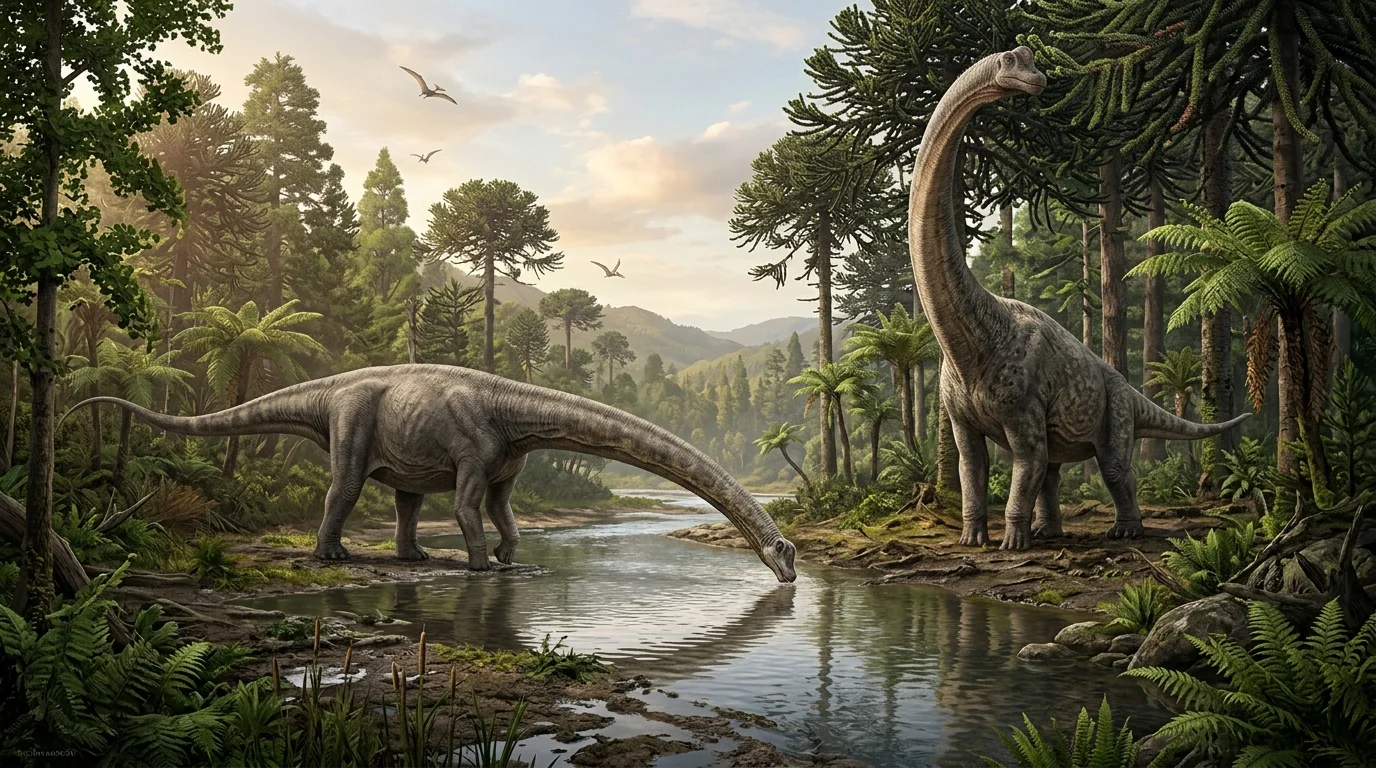
Modern consensus recognizes that sauropods were not uniform: Macronarians (Brachiosaurus) were anatomically adapted for habitual vertical browsing, whereas Diplodocids (Diplodocus) habitually operated in low-to-medium horizontal feeding envelopes.
How the long neck unlocked an energetic feeding envelope that fueled the largest animals in Earth's history.
The fundamental evolutionary driver of the long neck was not predator defense or mating display—it was raw energetic foraging efficiency. In animal ecology, locomotion is one of the highest metabolic costs. For an animal weighing 30 to 80 metric tons, every step taken expends immense caloric energy.
Sander et al. (2011) modeled the 'Feeding Envelope' of a long-necked sauropod. By standing completely motionless in one spot and simply pivoting its 12-meter neck in a spherical arc, a single sauropod could harvest vegetation across an area of over **450 square meters** and browse heights from ground level up to 14 meters. The animal could consume hundreds of kilograms of conifer needles, ginkgo leaves, horsetails, and cycads without taking a single step.
This extraordinary foraging efficiency allowed sauropods to thrive in environments with seasonal drought and sparse vegetation, outcompeting contemporary herbivores like stegosaurs and ornithopods.
Tracking the 165-million-year evolutionary trajectory that elongated the vertebrate cervical column.
The long neck did not emerge overnight; it was the product of a step-wise evolutionary radiation across three geological periods:
1. **Late Triassic (230–201 Ma): Basal Sauropodomorphs:** Ancestral forms like Eoraptor and Plateosaurus were agile bipeds or facultative quadrupeds with relatively short necks containing 9 to 10 vertebrae. However, *Plateosaurus* already exhibited slight cervical elongation, allowing it to browse higher than contemporary cynodonts and rhynchosaurs.
2. **Early to Middle Jurassic (201–163 Ma): The Transition to Quadrupedality:** As body size crossed 5 metric tons in taxa like Vulcanodon and Cetiosaurus, obligate quadrupedality evolved. Cervical vertebrae expanded from 10 to 13, and the first primitive pneumatic fossae appeared on the lateral centrum walls.
3. **Late Jurassic (163–145 Ma): The Golden Age of Maximum Cervical Length:** In the lush Morrison and Shishugou formations, sauropod neck diversity peaked. *Mamenchisaurus* achieved 19 vertebrae and 15 meters; *Diplodocus* developed whiplash sweeps; and *Brachiosaurus* developed vertical forelimb carriage.
4. **Cretaceous Period (145–66 Ma): Titanosaur Resilience:** Following the Jurassic-Cretaceous extinction, diplodocids and mamenchisaurids vanished. Titanosaurs evolved wide-gauge stances, massive graviportal limbs, and robust cervical vertebrae, sustaining neck lengths of 8 to 12 meters until the end-Cretaceous asteroid impact.
A critical scientific principle: an exceptionally long neck does not automatically mean an animal is the heaviest or largest overall.
A frequent misconception among lay searchers is that the dinosaur with the longest neck must also be the 'biggest' or 'heaviest' dinosaur. In vertebrate morphology, this assumption is demonstrably false.
Neck length and body mass were biologically decoupled in sauropod evolution:
• Mamenchisaurus sinocanadorum held the record for the longest neck (15.1 meters), yet its estimated body mass was approximately **50 to 60 metric tons**.
• In contrast, Argentinosaurus huinculensis was significantly heavier—weighing **65 to 85 metric tons**—yet its neck was proportionally shorter, measuring approximately 9 to 11 meters.
• Similarly, the candidate longest dinosaur, **Supersaurus vivianae** (33–35 meters conservative baseline; up to 39–42 meters via the 2021 SVP study by Curtice, with a 14–15 meter neck), weighed only **35 to 40 metric tons** because its slender diplodocid body was built like a suspension bridge, rather than the heavily built, broad-gauge barrel torso of a colossal titanosaur.
For full comparative body mass rankings and heavy titanosaur biomechanics, explore our master size pillar on the Largest Dinosaurs of All Time.
Mamenchisaurus had a neck 50% longer than Argentinosaurus, yet Argentinosaurus was up to 40% heavier. Slender axial length and massive visceral body mass represent two distinct evolutionary paths.
How sauropod diversity and neck morphology evolved across the Mesozoic Era.
The evolutionary story of long-necked dinosaurs spans three geological periods, each defined by distinct floral ecosystems and climatic conditions:
Basal sauropodomorphs like Plateosaurus and Riojasaurus emerged across Pangea. They possessed moderately elongated necks, bipedal stances, and omnivorous-to-herbivorous dentition, exploiting low araucarian conifers and seed ferns.
The absolute zenith of neck diversity. Warm greenhouse climates supported colossal conifer and cycad forests. Mamenchisaurids, Diplodocids, Dicraeosaurids, and Brachiosaurids coexisted through intense niche partitioning, ranging from ground-level sweeping to 15-meter canopy harvesting.
Titanosaurs took over global ecosystems, developing wide-gauge graviportal limbs and armored dermal osteoderms. While neck lengths stabilized around 8 to 12 meters, titanosaurs reached the absolute ceiling for terrestrial body mass (70–85 tonnes).
Calculating exact neck lengths in sauropods requires complete, articulated cervical series. Because sauropod necks were held by cartilage and elastic tendons, the skull and anterior cervical vertebrae were frequently carried away by water currents or scavengers post-mortem. For species like Sauroposeidon (known from four mid-cervicals) or Barosaurus BYU 9024 (known from an isolated cervical), total neck lengths are inferred by scaling against complete sister taxa like Giraffatitan and Diplodocus. DinoOrigin presents peer-reviewed ranges rather than absolute certainties.
Peer-reviewed profiles from DinoOrigin's verified species database.
SauropodomorphaMamenchisaurus constructus Young, 1954
A magnificent Asian sauropod famous for having one of the longest necks of any animal in natural history.
Featured SpecimenSauropodomorphaBrachiosaurus altithorax Riggs, 1903
A monumental sauropod with forelimbs longer than hindlimbs, adapted for high-canopy browsing in Late Jurassic North America.
SauropodomorphaDiplodocus carnegii Hatcher, 1901
A slender, extremely elongated sauropod of Late Jurassic North America equipped with an 80-vertebra whip-like tail.
SauropodomorphaBarosaurus lentus Marsh, 1890
A massive diplodocid with an extraordinarily long neck and shorter tail than Diplodocus.
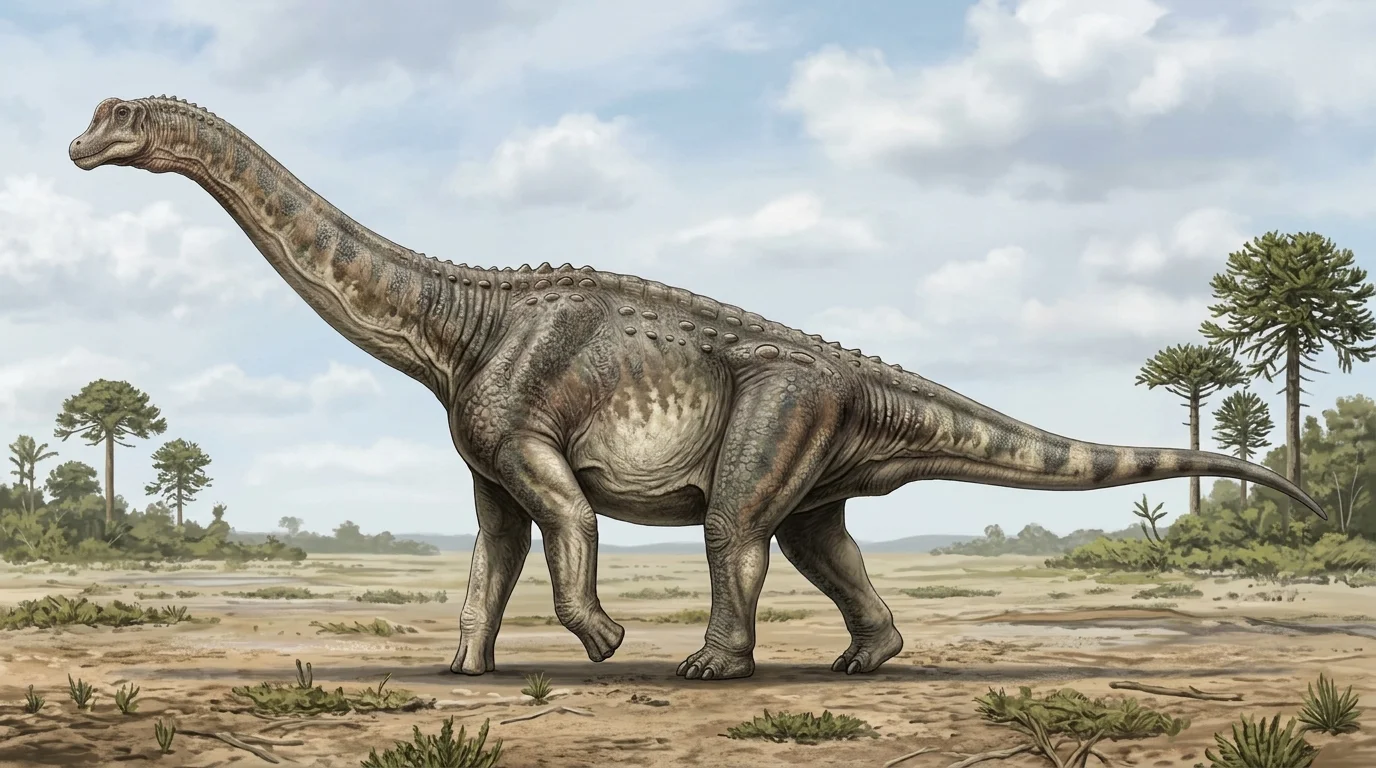
SauropodomorphaApatosaurus ajax Marsh, 1877
A colossal, heavily built diplodocid sauropod characterized by thick cervical vertebrae and a whip-like tail.
Featured SpecimenSauropodomorphaArgentinosaurus huinculensis Bonaparte & Coria, 1993
Among the largest and most massive terrestrial animals known to science, with scaled estimates reaching 65 to 80 metric tons based on fragmentary titanosaur remains.
SauropodomorphaPatagotitan mayorum Carballido et al., 2017
One of the most colossal land animals ever discovered, reaching 37 meters in length and weighing over 55 metric tons.
SauropodomorphaGiraffatitan brancai Janensch, 1914
A towering, high-browsing brachiosaurid sauropod from the Late Jurassic Tendaguru beds of Tanzania.
SauropodomorphaCamarasaurus supremus Cope, 1877
The most abundant sauropod of Late Jurassic North America, noted for its boxy skull and chisel-like teeth.
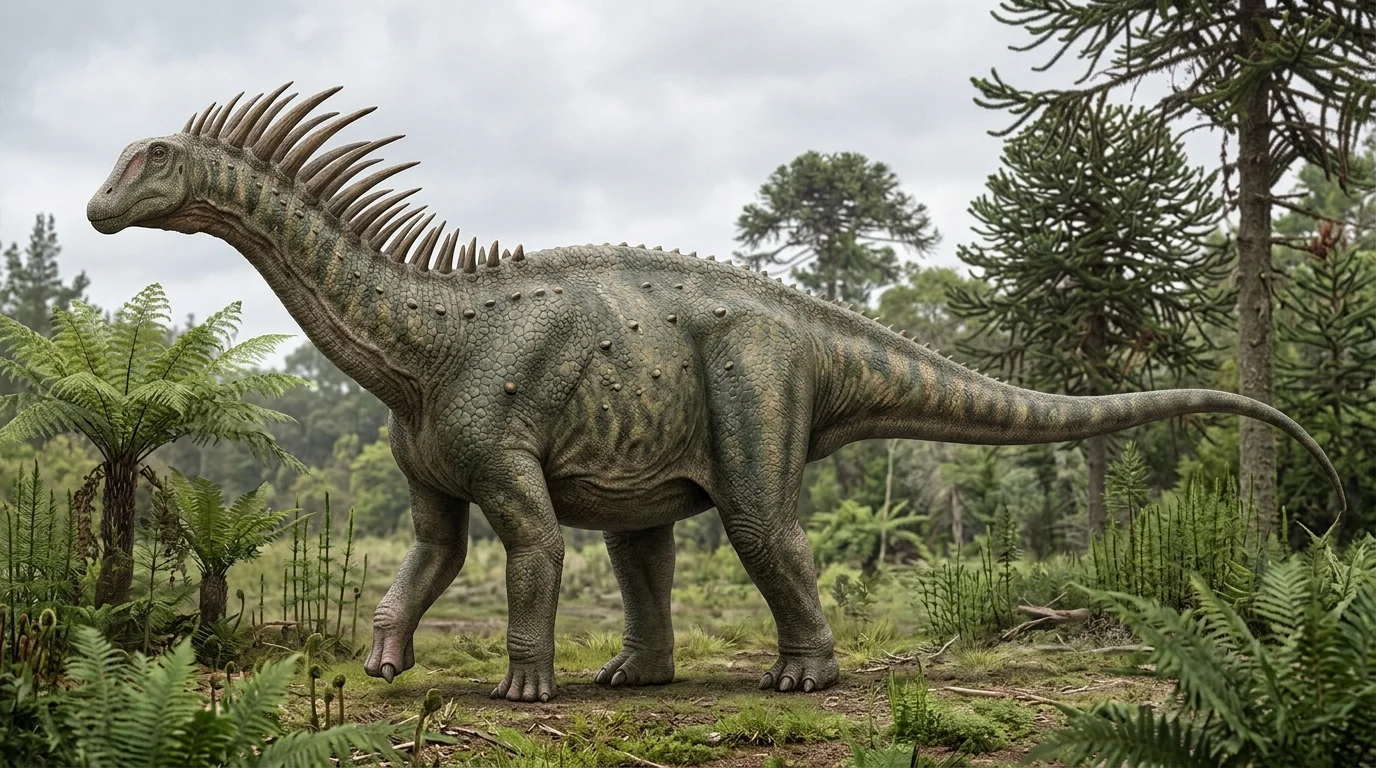
SauropodomorphaAmargasaurus cazaui Salgado & Bonaparte, 1991
A striking, double-sailed dicraeosaurid sauropod from Argentina sporting parallel rows of tall neck spines.
SauropodomorphaDreadnoughtus schrani Lacovara et al., 2014
The 'fearing nothing' super-titanosaur from Argentina, with the most complete skeleton of any giant titanosaur.
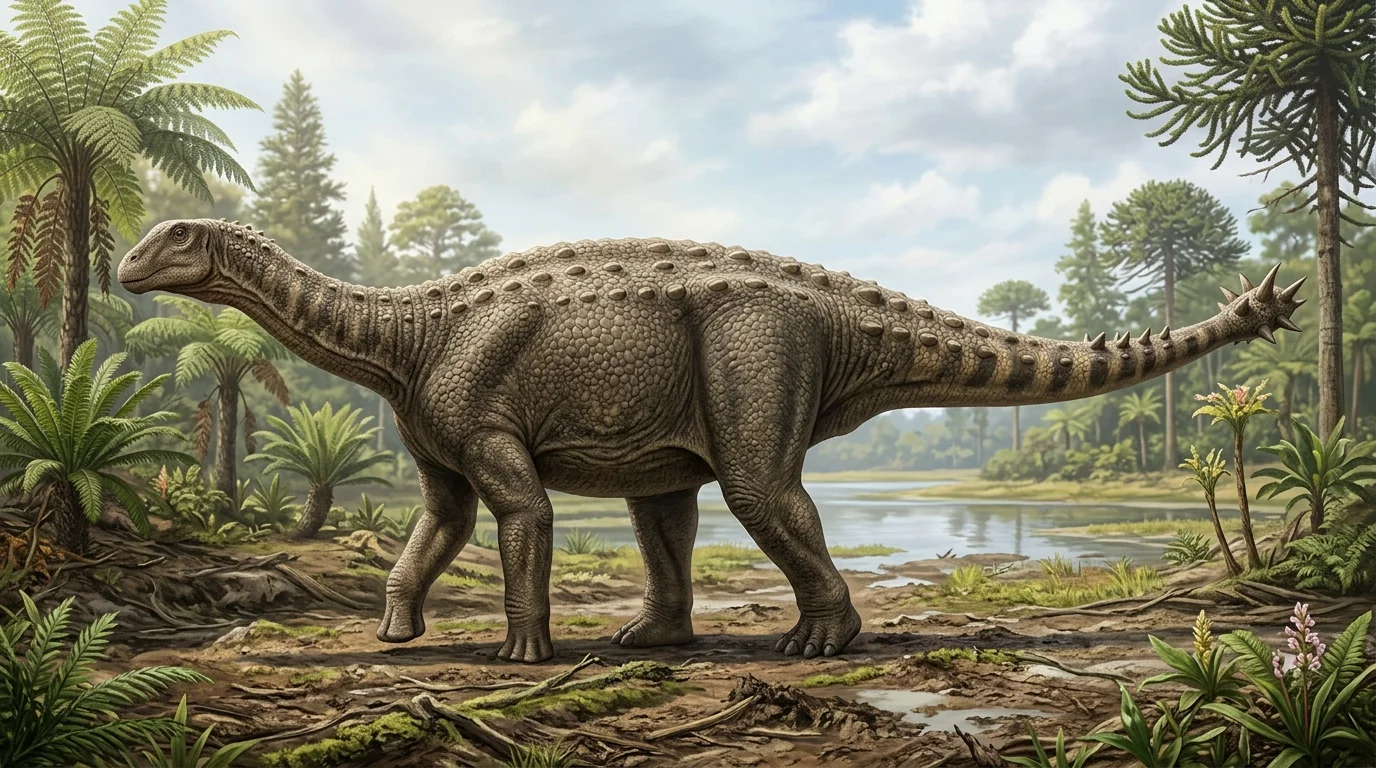
SauropodomorphaShunosaurus lii Dong et al., 1983
A Middle Jurassic sauropod from China equipped with a defensive bony club and spikes on the tip of its tail.
Evidence-based answers addressing common questions and misconceptions.
The dinosaur with the longest verified neck is Mamenchisaurus sinocanadorum, whose neck measured 15.1 meters (49.5 feet). Described from Late Jurassic deposits in Xinjiang, China, its neck contained 19 hollow vertebrae supported by 4-meter overlapping cervical ribs (Moore et al. 2023).
It depended on the species. Macronarians like Brachiosaurus and Giraffatitan had longer front legs and inclined spines that allowed natural, upright neck carriage for browsing high trees. In contrast, diplodocids like Diplodocus carried their necks in low-to-medium horizontal curves to sweep ground-level ferns.
Long necks evolved primarily for foraging efficiency. A stationary sauropod could sweep a massive feeding envelope across hundreds of square meters without moving its multi-ton body, saving immense metabolic energy while harvesting high conifer canopies and ground vegetation.
Sauropod necks were biological engineering marvels. Up to 77% of their internal vertebral volume was hollow air sacs connected to the respiratory system. Furthermore, overlapping bony cervical ribs and elastic nuchal tendons acted as a suspension bridge truss, supporting the weight without muscle strain.
Physiological modeling by Seymour & Lillywhite (2000) and Seymour (2009) demonstrated that elevating blood 10 to 12 meters vertically required a monumental systolic blood pressure between 300 and 400+ mmHg (over three times human blood pressure), consuming up to half of basal metabolic energy for cardiac work alone. Thick muscular arterial walls, potential vascular check-valves, and counter-current networks (rete mirabile) sustained cerebral perfusion and prevented catastrophic hydrostatic blowout when lowering the head to drink.